Aerospace manufacturing has high requirements for the precision, reliability, and consistency of components. From aircraft structural parts and engine components to UAV components and aerospace equipment brackets, many parts feature complex curved surfaces, thin walls, deep cavities, small holes, and multi-angle structures. Traditional machining methods can face limitations related to machining accuracy, the number of setups, and material characteristics when processing these components. Aerospace CNC machining solutions use computer numerical control technology, precision cutting tools, and multi-axis machining processes to provide high-precision, stable, and flexible manufacturing for aerospace components.
Why Are Aerospace Components Suitable for CNC Machining?
Meeting the Requirements of Complex Component Machining
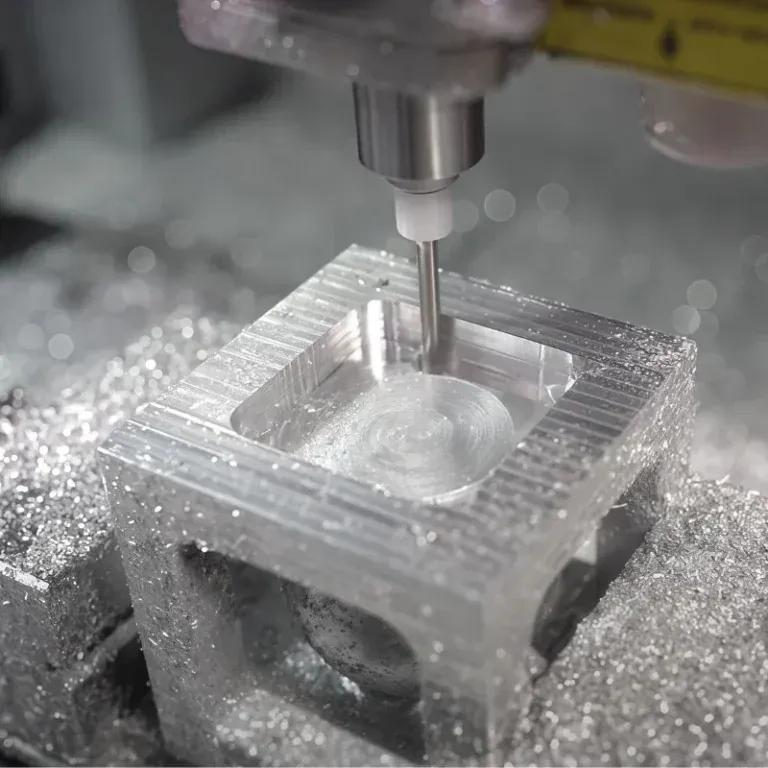
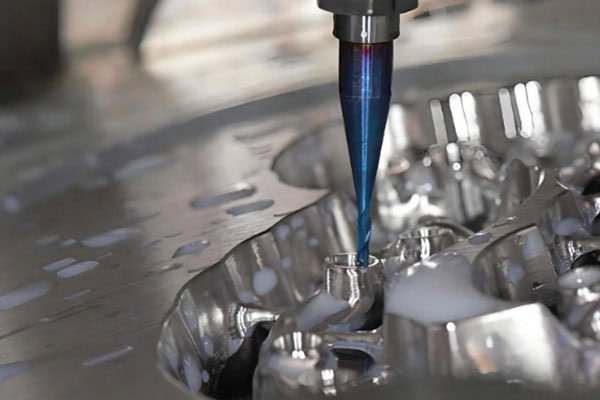
Aerospace components often feature lightweight and integrated designs, making their structures more complex than those of conventional mechanical parts. CNC machining can generate precise machining programs based on 3D models and engineering drawings, allowing manufacturers to produce holes, slots, curved surfaces, cavities, and other complex features.
For complex components, multi-axis machining can also reduce the number of repeated setups, helping minimize positioning errors while improving overall machining efficiency.
Supporting High-Precision Manufacturing
Aerospace components have demanding requirements for dimensional tolerances and geometric accuracy. CNC equipment can automatically perform machining according to programmed instructions, reducing errors caused by manual operations.
By properly distributing machining allowances across roughing, semi-finishing, and finishing processes, manufacturers can achieve better control over final dimensions and surface quality.
Suitable for Prototypes and Small-Batch Production
During aerospace product development, prototypes are often required for design validation and structural testing. As a result, aerospace manufacturers may require components in small quantities, multiple configurations, and highly customized designs.
CNC machining does not require the production of complex molds. By simply modifying the machining program according to a new CAD model or engineering drawing, manufacturers can quickly produce updated components. This makes CNC machining well suited for aerospace prototypes and small-batch production.
Common Materials for Aerospace CNC Machining
The aerospace industry focuses not only on machining precision but also on component weight, strength, and environmental performance. Different materials require specific machining parameters and cutting tool strategies.
Aluminum Alloy CNC Machining
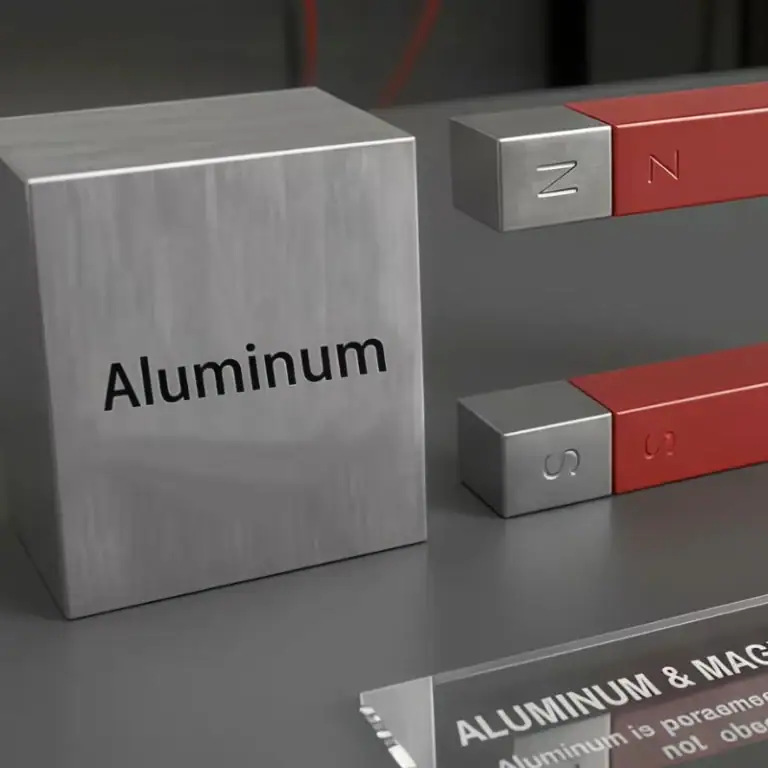
Aluminum alloys offer low weight, good machinability, and a favorable strength-to-weight ratio, making them common materials for aerospace structural components. CNC machining can be used to manufacture aluminum alloy brackets, housings, panels, and structural components.
Titanium Alloy CNC Machining
Titanium alloys offer high strength, corrosion resistance, and excellent high-temperature performance. However, they are generally more difficult to machine than aluminum alloys.
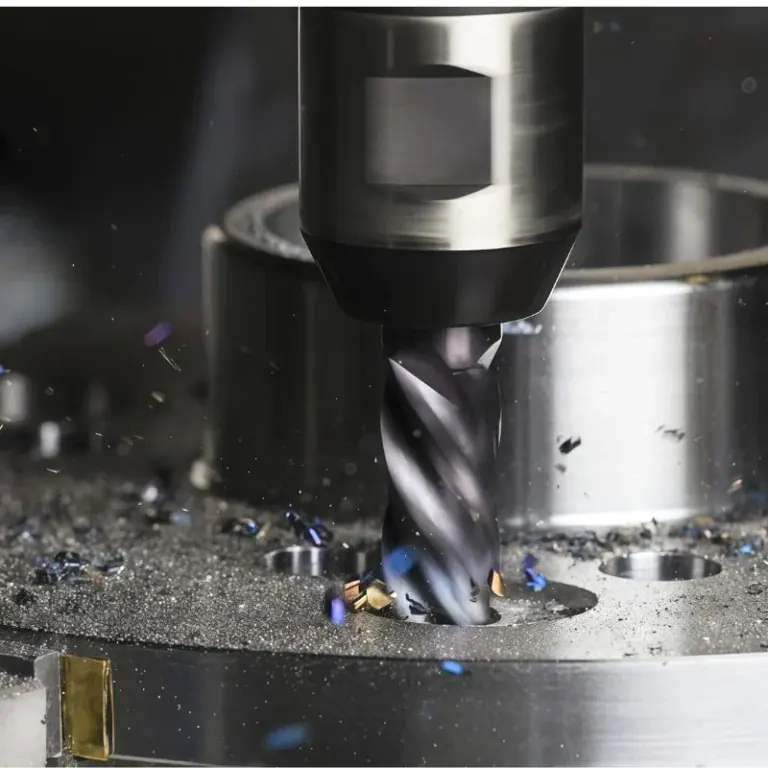
During machining, cutting speed, feed rate, and cutting depth need to be properly controlled. Tool wear and machining temperature should also be carefully monitored to maintain machining quality.
Stainless Steel and High-Strength Alloys
For aerospace components requiring high strength and corrosion resistance, stainless steel and other high-performance alloys can be used. These materials typically place higher demands on cutting tool performance, machine rigidity, and machining parameters.
Key Processes in Aerospace CNC Machining
| Machining Process | Key Features | Suitable Components |
| 3-Axis CNC Machining | Mature process with a wide range of applications | Brackets, plates, simple structural parts |
| 5-Axis CNC Machining | Multi-angle machining with fewer setups | Complex curved surfaces, integrated structural components |
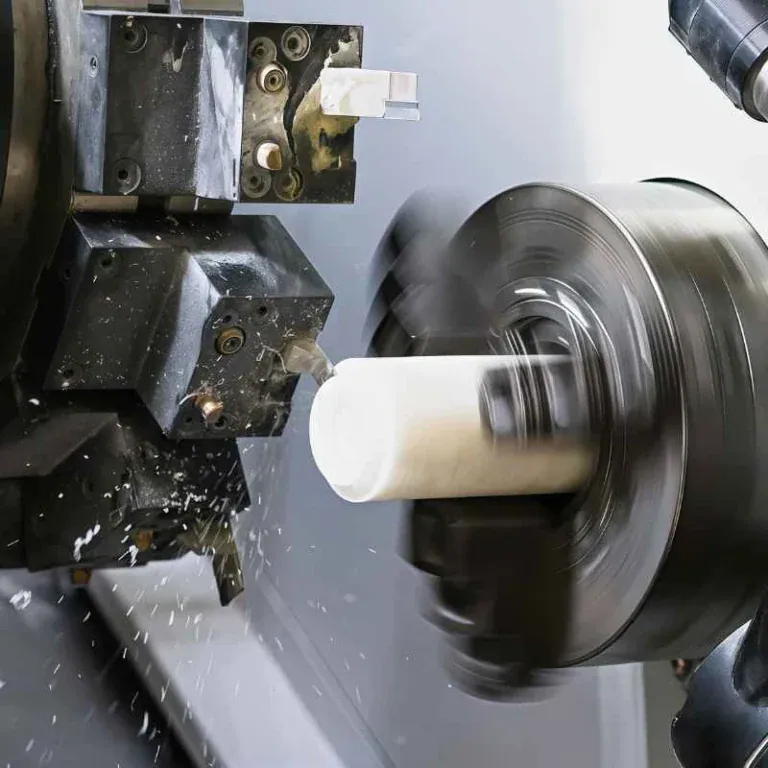
| Precision Turning | Suitable for rotational components | Shafts, sleeves, connectors |
| CNC Milling | Suitable for planes, slots, and complex contours | Housings, supports, structural components |
| Thin-Wall Machining | Controls machining stress and deformation | Lightweight aerospace components |
How to Improve Aerospace CNC Machining Quality?
Optimize Tool Paths
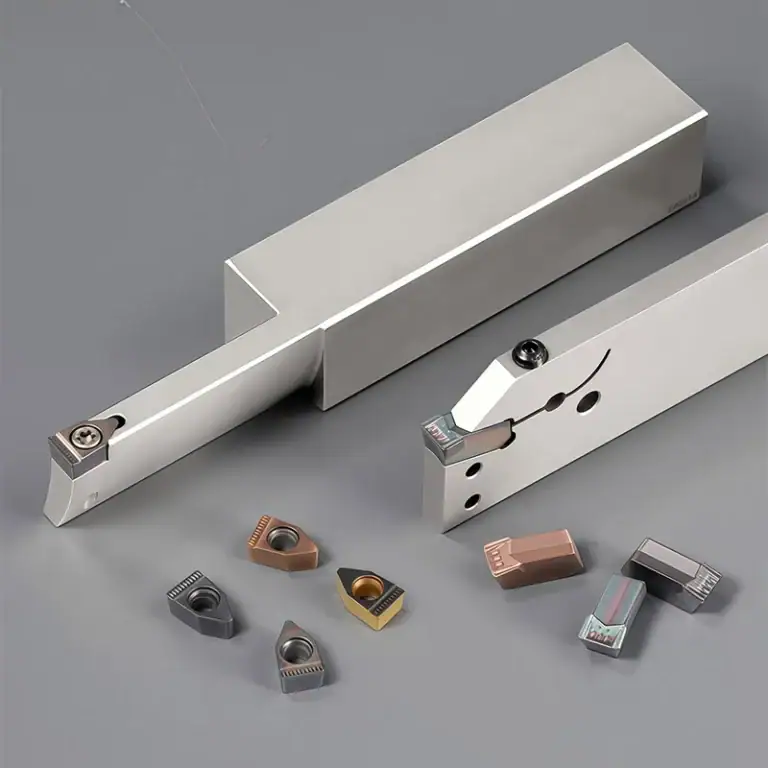
Proper tool paths can reduce unnecessary tool movement and sudden changes in cutting loads while helping minimize machining vibration. For complex curved components, the machining direction and cutting tool should be selected according to the specific geometry of the part.
Optimize Workholding Methods
Workholding stability directly affects machining accuracy. For thin-wall and complex structural components, appropriate positioning references and clamping methods should be selected to minimize deformation caused by clamping forces.
Implement Process Quality Control
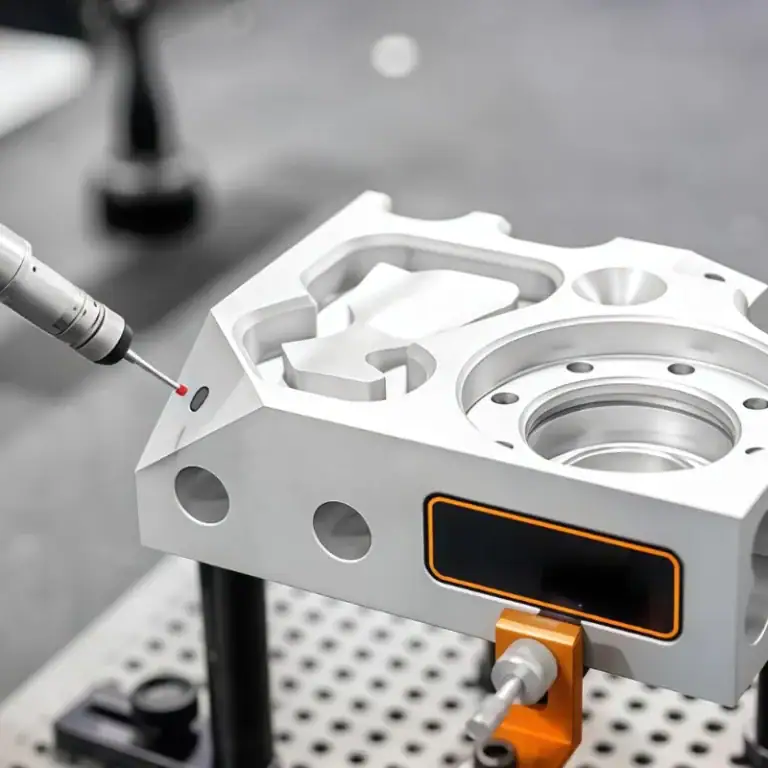
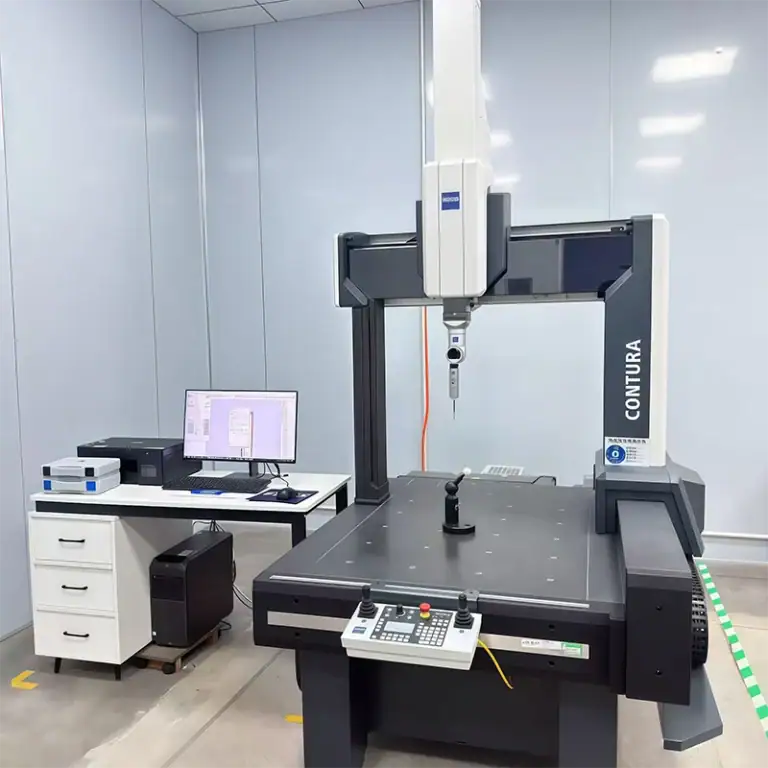
Aerospace components generally require strict inspection of critical dimensions and geometric features. During the machining process, dimensional inspection, first-article inspection, and in-process quality checks can be used to control machining quality and identify dimensional deviations in a timely manner.
TiRapid Aerospace CNC Machining Supplier
TiRapid specializes in CNC machining of precision metal components and provides customized machining services based on aerospace customers’ engineering drawings, 3D models, and specific technical requirements.For common aerospace component features such as complex curved surfaces, thin-wall structures, precision holes, and high-strength materials, TiRapid can combine CNC milling, precision turning, and 5-axis machining processes to develop suitable manufacturing solutions.
In terms of material processing, TiRapid supports precision machining of aluminum alloys, titanium alloys, stainless steel, and other metal materials. Machining parameters can be adjusted according to the hardness, thermal conductivity, and cutting characteristics of different materials.For lightweight aluminum alloy structural components and high-strength titanium alloy parts commonly used in aerospace applications, appropriate cutting tool selection and machining processes can help improve dimensional stability and surface quality.
TiRapid also supports CNC prototype machining, small-batch production, and customized component manufacturing during aerospace product development. Customers can provide specific requirements for dimensions, tolerances, materials, and surface finishes based on their engineering drawings. TiRapid can then develop an appropriate machining process to help reduce communication costs between product design and component manufacturing.
With precision CNC equipment, 5-axis machining capabilities, and systematic quality control processes, TiRapid provides flexible precision machining support for the aerospace industry. Its capabilities can be applied to aircraft structural components, aerospace equipment parts, connectors, brackets, housings, and other customized metal components.
For aerospace manufacturers, selecting the right aerospace CNC machining solution can not only improve component consistency but also provide flexible manufacturing support for product development, prototype production, small-batch manufacturing, and customized aerospace components.