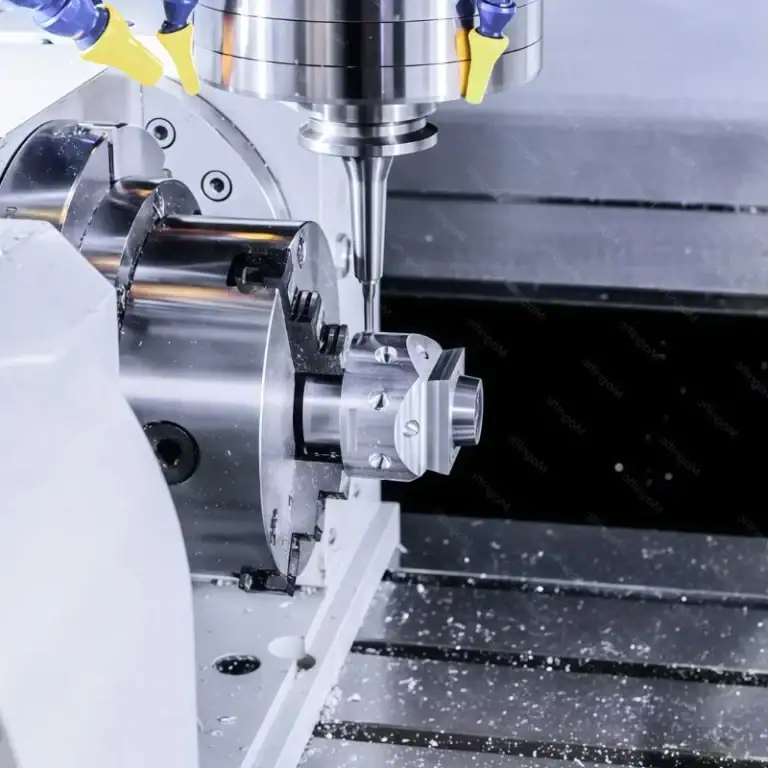
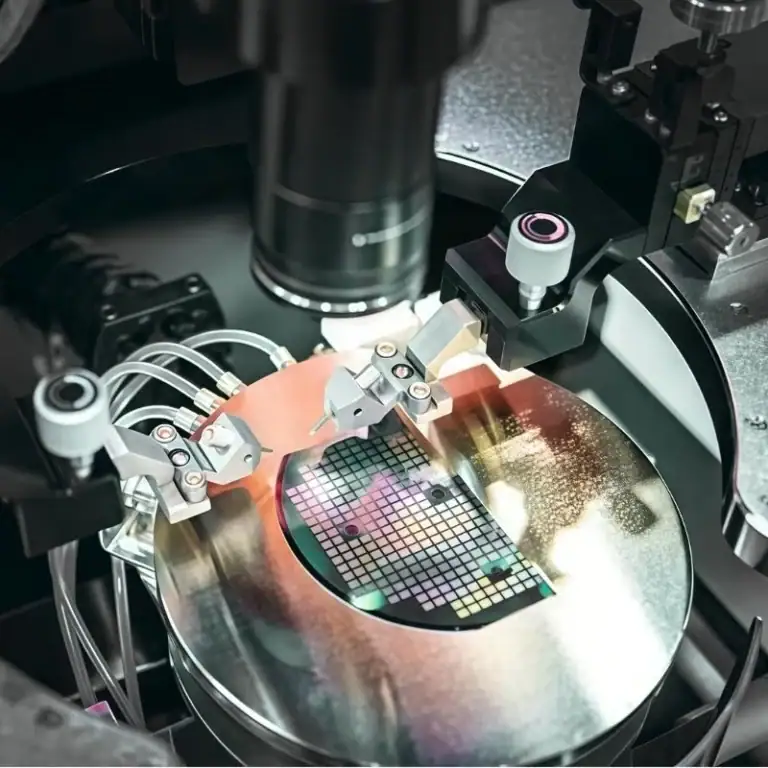
In manufacturing, a common question arises during quotation comparisons: why is conventional machining relatively cheap, while precision machining is significantly more expensive for the same part? This difference is not arbitrary. It is driven by higher technical requirements in equipment, processes, time consumption, and quality control systems. Precision machining aims for micron-level or even higher accuracy and stability, which inherently requires greater investment in technology and resources.
Higher Investment in Equipment and Process Systems
Precision machining requires far more advanced hardware and process capability than conventional machining, making it one of the main cost drivers.
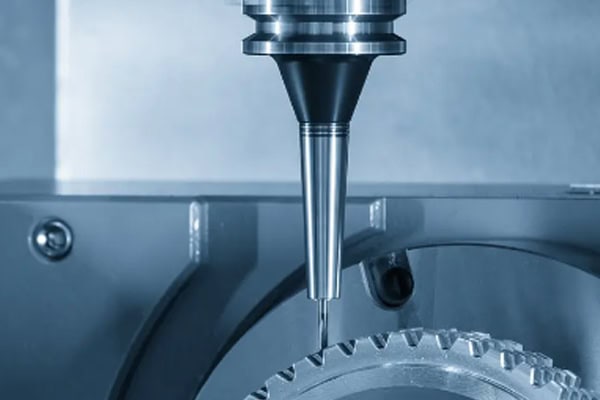
Expensive high-precision equipment
- Precision CNC machines are far more expensive due to higher requirements for rigidity, spindle accuracy, and control systems
- Long-term stability requires frequent calibration and maintenance
- High-precision guideways, ball screws, and feedback systems significantly increase cost
- Equipment depreciation and maintenance are directly reflected in machining prices
More complex process planning
- Precision machining usually requires multiple stages such as roughing, semi-finishing, and finishing
- Each stage needs parameter recalibration to avoid cumulative errors
- Efficiency is not the priority; stability and accuracy are
- Complex parts often require customized toolpaths and process design
Strict environmental control requirements
- Temperature fluctuations can cause micron-level dimensional errors
- Constant temperature workshops are often required
- Humidity, airflow, and vibration must also be controlled
- These environmental systems introduce continuous operational costs
Slower Machining Speed and Higher Technical Requirements
Compared with conventional machining focused on efficiency, precision machining prioritizes stability and repeatability, leading to higher time and labor costs.
Significantly longer machining time per part
- Cutting speeds are reduced to avoid thermal deformation and vibration
- Multiple tool passes are often required for each surface
- Finishing processes remove minimal material but require repeated operations
- Overall production efficiency is much lower than conventional machining
More setups and process steps
- Complex parts cannot be completed in a single setup
- Each setup introduces alignment time and potential positioning errors
- Fixture design becomes more complex and expensive
- More process steps lead to higher overall machining costs
Higher dependence on skilled operators
- Precision machining requires experienced engineers and operators
- Programming, setup, and monitoring are more complex
- Real-time adjustments are often needed during machining
- Skilled labor costs are significantly higher than standard machining operators
Higher Quality Control and Risk Costs
Precision machining is not only expensive in production but also in inspection and failure risk management.
Expensive high-precision inspection systems
- Coordinate measuring machines (CMM), optical and laser measurement systems are required
- Inspection takes longer and often requires multiple measurement points
- These inspection systems themselves are costly to purchase and maintain
- Every critical dimension must be strictly verified
Extremely low tolerance for defects
- Conventional machining allows a wider error range
- Precision machining requires near-zero defect tolerance
- Even minor deviations can result in scrapped parts
- Material waste and rejection costs are significantly higher
- Risk control is a major component of pricing
High rework and correction costs
- Once out of tolerance, correction options are very limited
- Many parts must be fully remanufactured
- Rework often requires repeating the entire process chain
- Both time and material costs increase significantly
The high cost of precision machining is not due to a single factor but rather the result of a higher-level manufacturing system. It demands superior equipment, more complex processes, longer machining time, and strict quality control systems, all of which contribute to higher overall costs. In high-end manufacturing, service providers like Tirapid specialize in high-precision machining and complex component production, helping clients achieve better balance between cost control and manufacturing reliability through stable processes and strict quality systems.