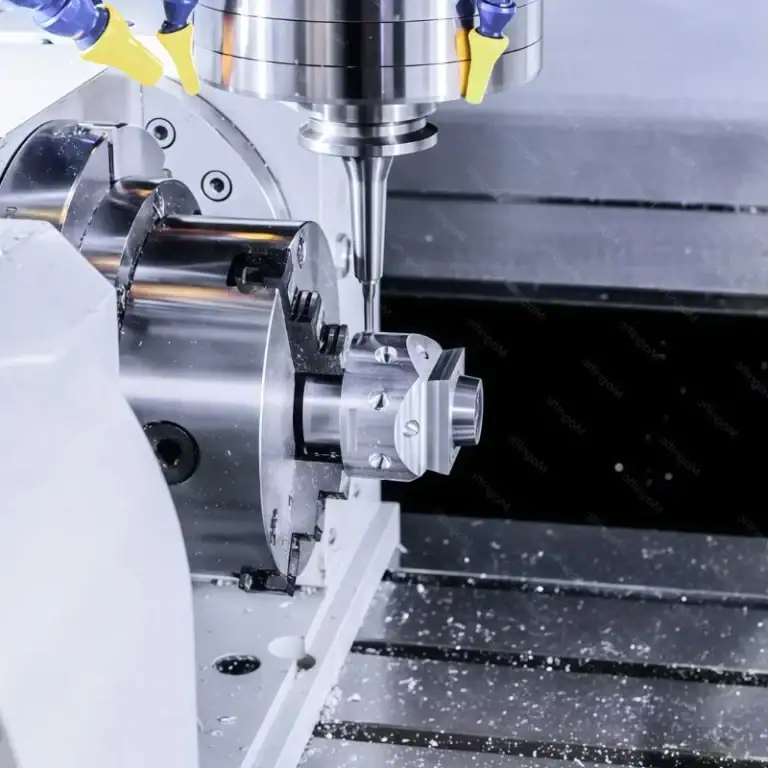
In CNC plastic machining, tolerance is not “the smaller the better,” but rather “controlled within a reasonable range while ensuring manufacturability, assemblability, and stable mass production.” Unlike metals, plastic materials are more susceptible to the effects of temperature, stress, cutting tools, clamping methods, and moisture absorption. Therefore, to ensure stable tolerances, it’s not enough to rely solely on machine tool precision; design, processes, materials, and inspection must all be coordinated.
What are CNC Plastic Machining Tolerances?
The Role of Tolerances
Tolerances are the allowable range of dimensional errors. For example, a drawing specifying 20.00 ± 0.05 mm means that the actual size of the part is acceptable as long as it is between 19.95 and 20.05 mm. Plastic parts are commonly used in housings, insulation components, structural parts, and medical accessories. Instability in the dimensions of these parts will affect assembly, sealing, positioning, and appearance.
Why is Plastic More Difficult to Control Than Metals?
Plastics expand when heated, deform under stress, and their dimensions may change after absorbing moisture. The heat generated by the cutting tool, the clamping force of the fixture, and the internal stress of the material during machining will all cause the final dimensions to deviate from the drawing. Therefore, tolerance control in plastic machining is essentially about controlling the stability of the “material state” and the “machining state.”
Tolerance settings should be appropriate for the application
Functional holes, assembly surfaces, and mating slots usually require stricter tolerances; non-critical shapes and decorative surfaces can be appropriately relaxed. Reasonable allocation of tolerances can ensure performance while reducing machining difficulty and cost. For enterprises, this step is the foundation for controlling delivery time and yield.
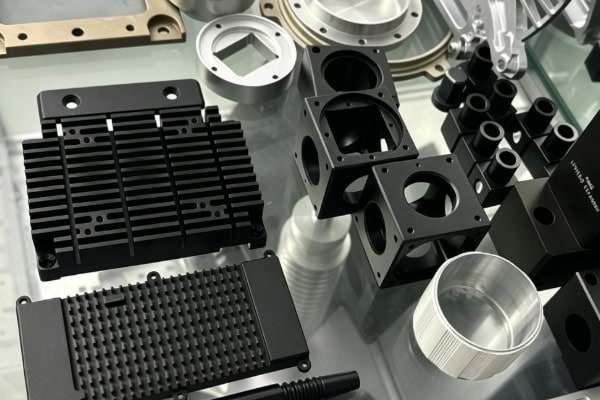
How to stabilize tolerances step by step?
Define rules in the design phase
Before drawing, it is necessary to clarify which dimensions must be strictly controlled and which dimensions can be relaxed. Avoid too many meaningless high-precision requirements, as each additional strict tolerance point increases the difficulty of machining and inspection. Drawings should be as clear as possible to avoid dimensional chain confusion and reduce subsequent revisions.
Then break down the process
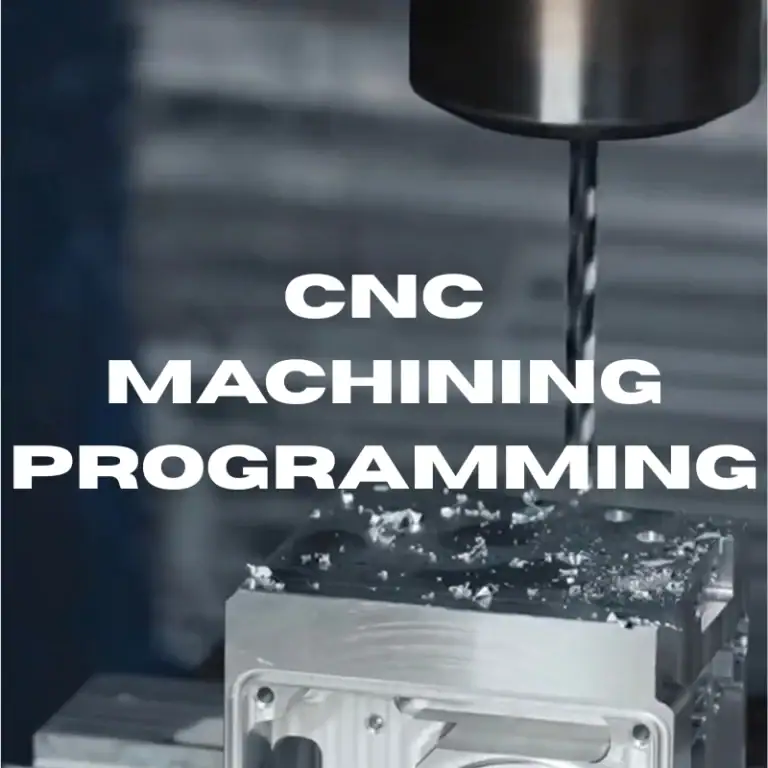
Different machining operations should be considered separately. For example, planar milling, hole machining, thread machining, and contour finishing may all require different tools and parameters. First, rough machining removes most of the excess material, then finish machining controls the final dimensions. This method ensures stability more easily than one-time molding.
Post-machining inspection is essential
Don’t stop after the first piece passes inspection. Use calipers, micrometers, plug gauges, coordinate measuring machines, etc., to confirm critical dimensions and establish a batch sampling inspection mechanism. For sensitive locations such as holes, assembly surfaces, and wall thickness, it’s best to establish fixed inspection points and record data long-term to easily identify deviation trends.
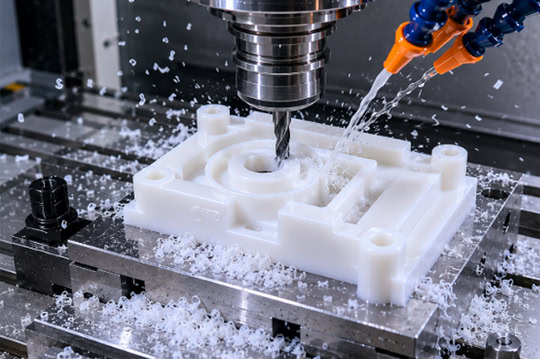
How to reduce errors?
Tool and parameter adjustment
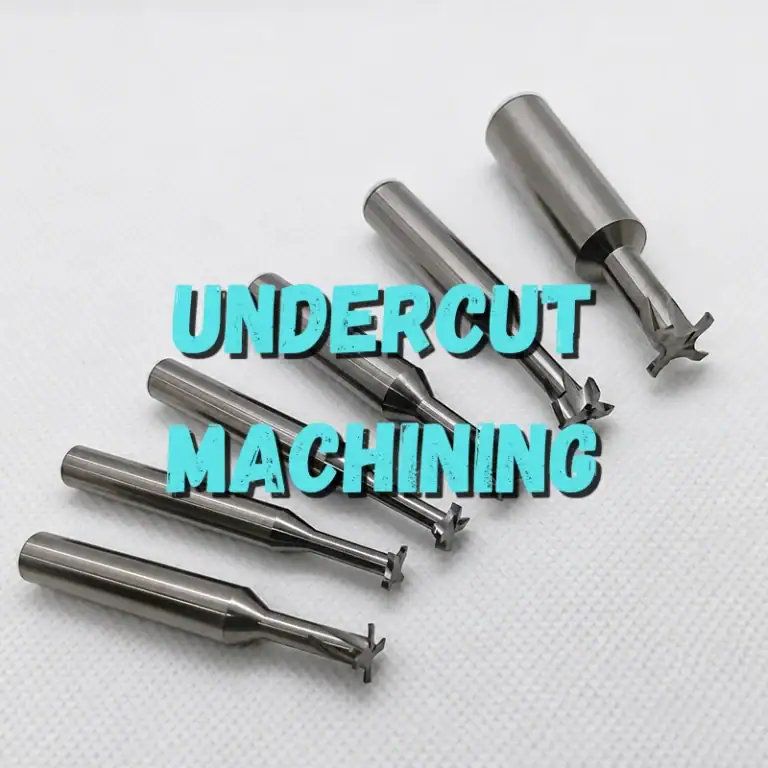
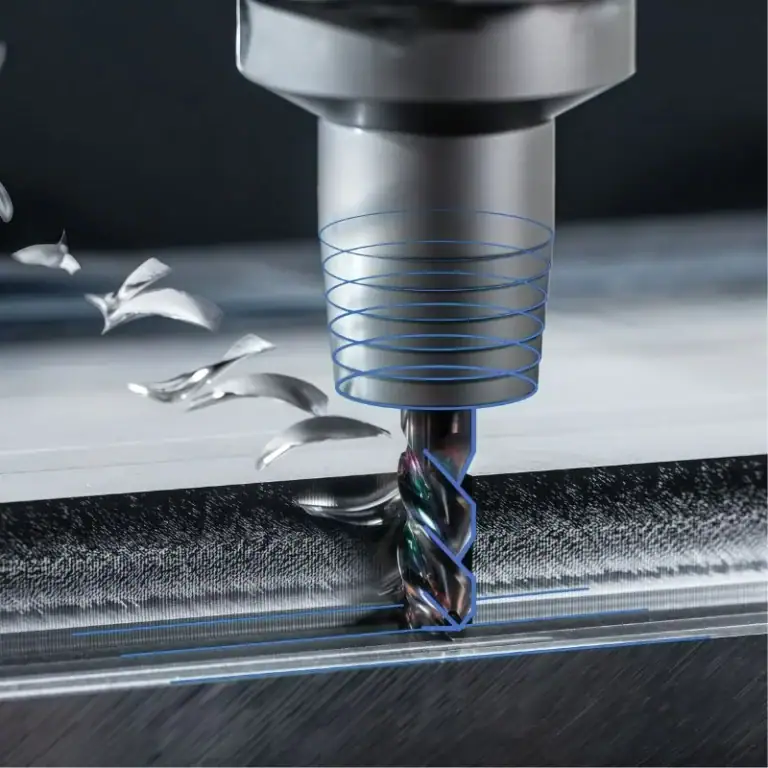
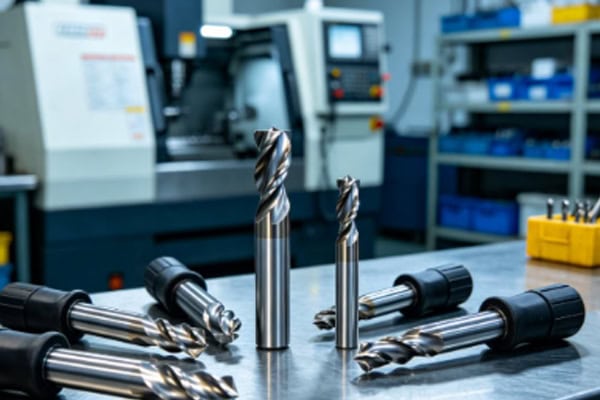
Plastic machining generally requires sharp tools, appropriate speed and feed, and avoids excessive tool heat. Dull tools are prone to scratching, extrusion deformation, and dimensional deviation. Excessive cutting volume can cause material to spring back due to stress, leading to “measurement qualified, assembly mismatch.”
Clamping should be as gentle as possible
Plastic parts are very susceptible to deformation from clamping. Clamping too tightly may appear stable during machining, but the dimensions may spring back after release. Use soft jaws, vacuum suction, or specialized fixtures to reduce localized stress. For thin-walled parts, prolonged high pressure should be avoided, otherwise warping may occur after processing.
Temperature Control and Stress Relief
Workshop temperature changes directly affect the dimensions of plastic parts. For parts requiring high precision, it is best to allow the material and environment to acclimatize to the temperature before processing. For materials with high internal stress, annealing or aging treatment may be necessary to reduce the risk of subsequent deformation. Although this adds an extra step, it significantly improves stability.
Reasonable Allowance and Compensation
Retaining a small amount of finishing allowance after rough machining can reduce cutting heat and deformation. For materials prone to shrinkage, dimensional compensation can be added during programming to avoid the final product being too small or too large. Experienced process engineers usually fine-tune parameters based on batch, weather, and material condition, which is also key to stable precision.
How to Choose the Right Material?
Consider material stability
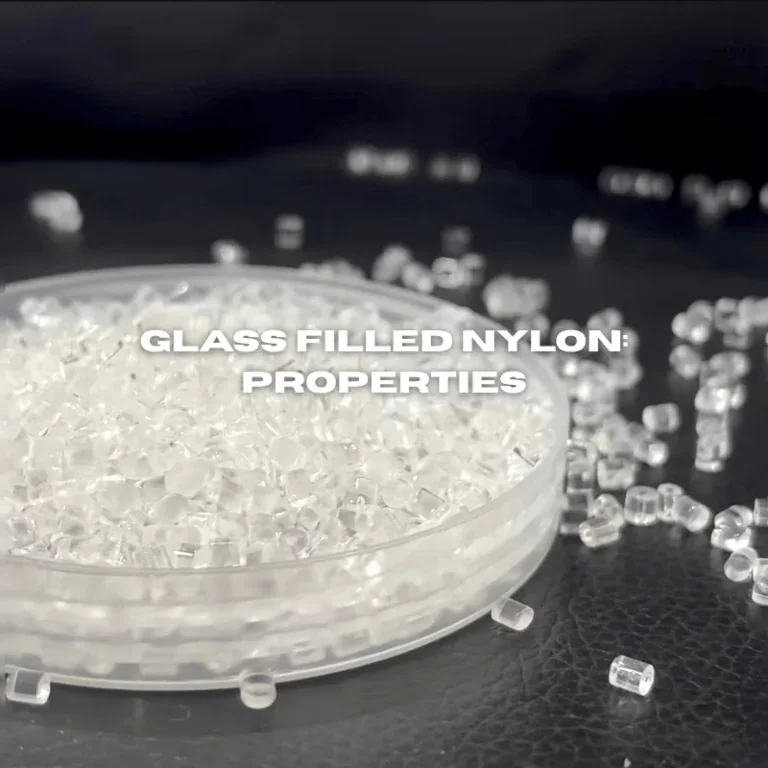
The dimensional stability of different plastics varies greatly. For example, POM, PC, PEEK, ABS, and nylon exhibit different characteristics. Some materials have good machinability and minimal deformation, making them more suitable for high-precision parts; others are highly hygroscopic and tough, offering good performance but making tolerance control more challenging.
Material Selection Based on Application
For assemblies, positioning parts, and precision brackets, dimensional stability and processing consistency are usually paramount; for wear-resistant, high-temperature resistant, and insulating parts, strength, heat resistance, and chemical resistance must be considered simultaneously. One cannot pursue only one indicator while ignoring the actual performance after machining.
Batch Consistency is Equally Important
Even with the same material, different batches may exhibit differences in density, moisture content, and hardness. The greater the batch fluctuation, the more difficult it is to stabilize tolerances. Therefore, reliable supply chain management and incoming material inspection are crucial for controlling tolerances in CNC plastic machining.
Common Questions
“Why are there still slight deviations after machining even though I’ve specified tolerances on the drawings?”
This is actually normal. Plastics are not as stable as metals; the tolerances on the drawings are only target ranges. Whether they can be consistently achieved depends on the compatibility of the material, structure, process, and environment. For thin-walled, long, or high-assembly-requirement parts, it is recommended to perform process verification during the prototyping stage before determining the final tolerance standards. This approach is more reliable and cost-effective.
In conclusion, to effectively control tolerances in CNC plastic machining, it’s crucial to manage not only machine tool precision but also design, processes, equipment, fixtures, inspection, and materials. Simply put, first clearly define the drawing requirements, then select the correct materials and machining methods. Next, minimize deformation and errors through appropriate tool parameters, clamping methods, and temperature control. Finally, confirm the results using a stable inspection process. Parts produced in this way are not only dimensionally correct but also “fitting, reliable, and consistent across batches.”