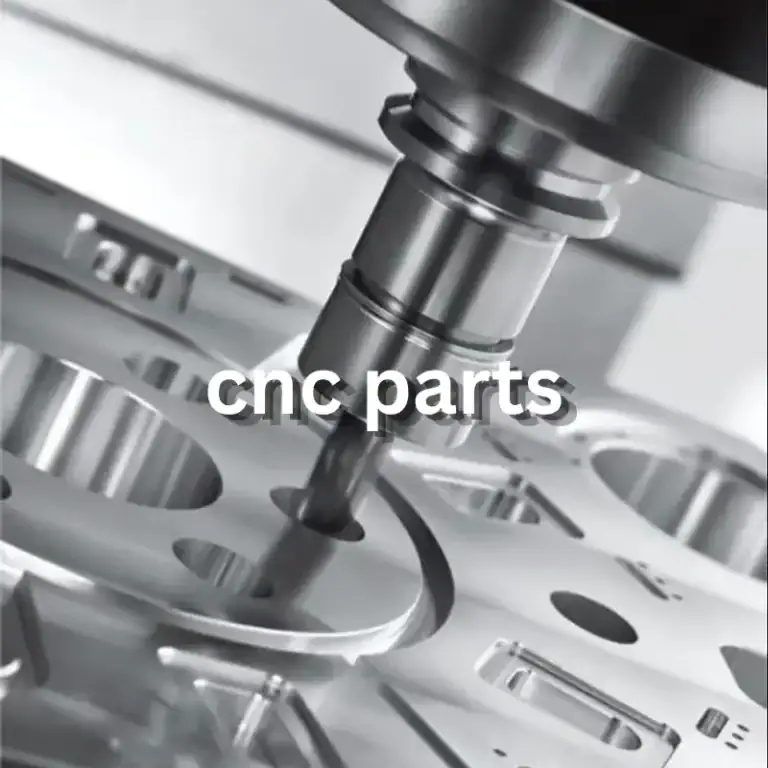
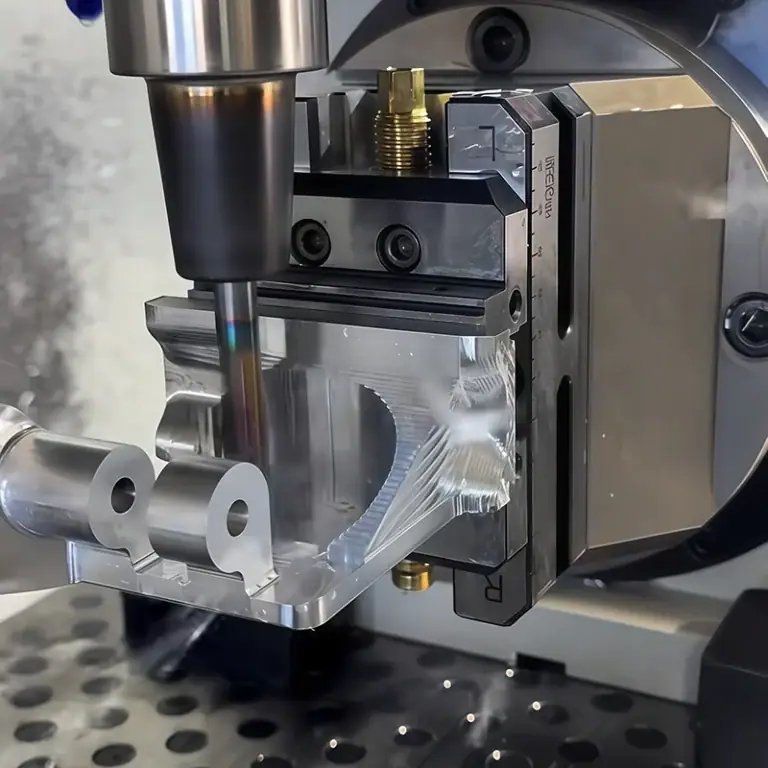
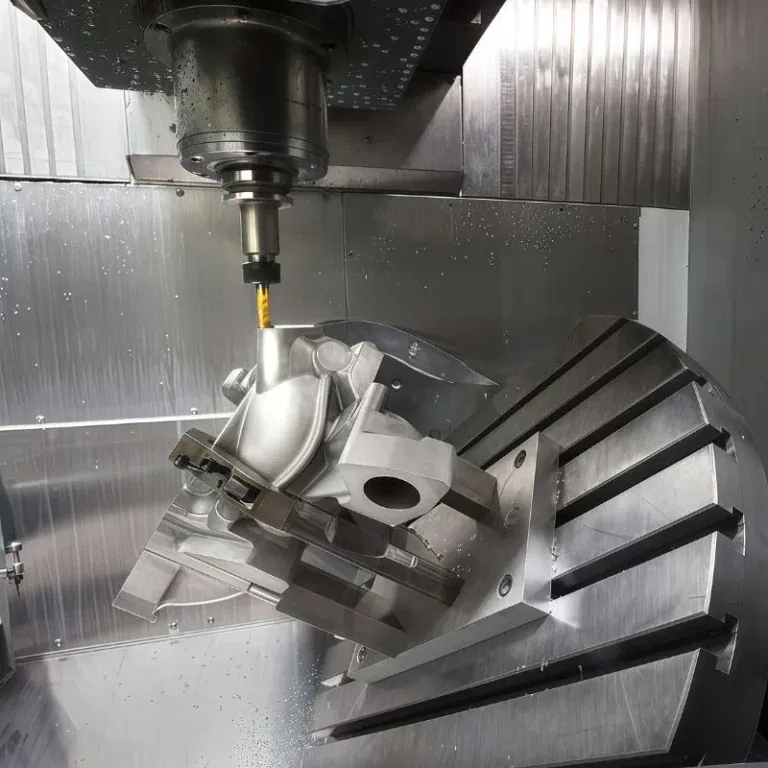
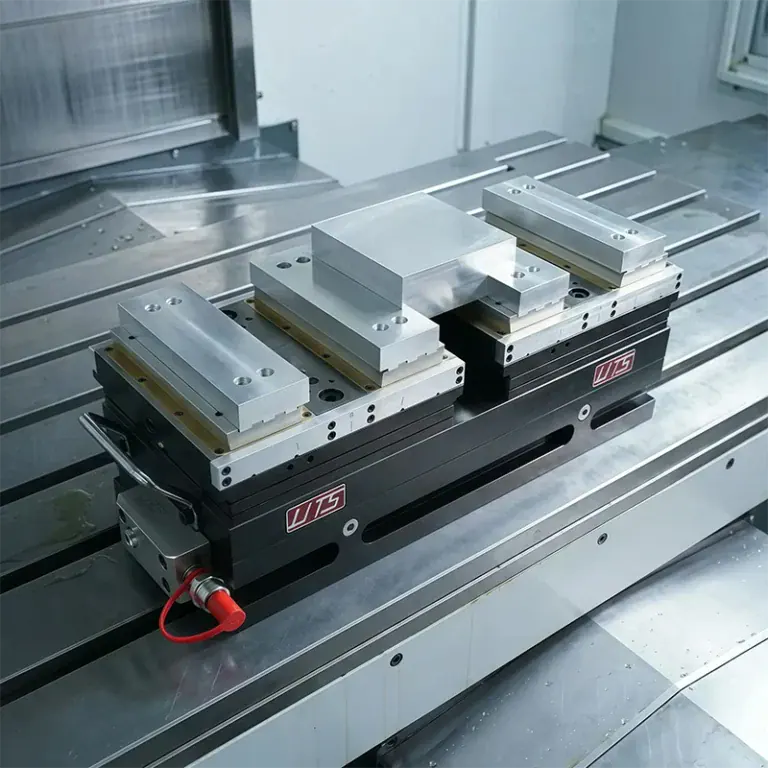
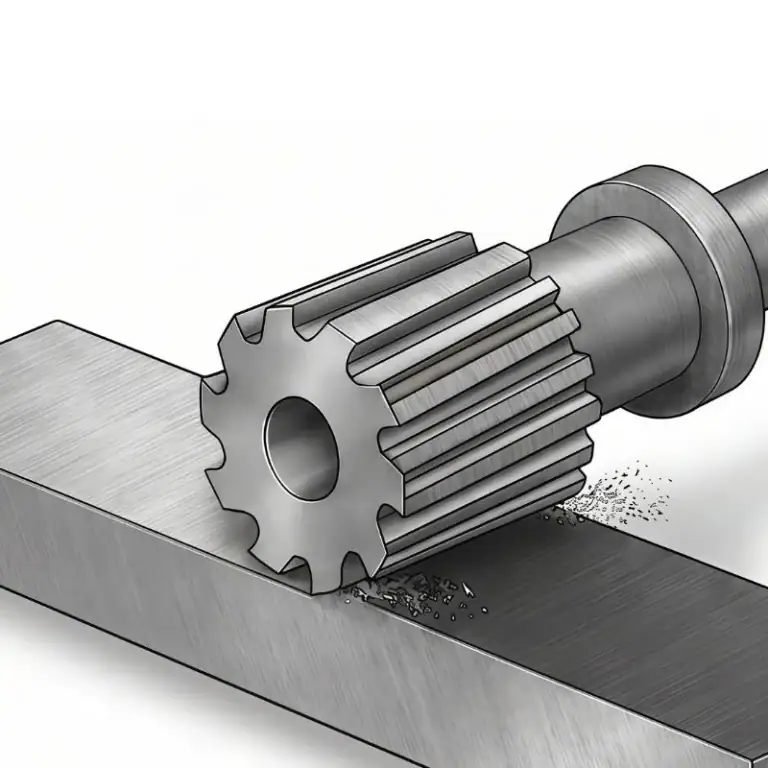
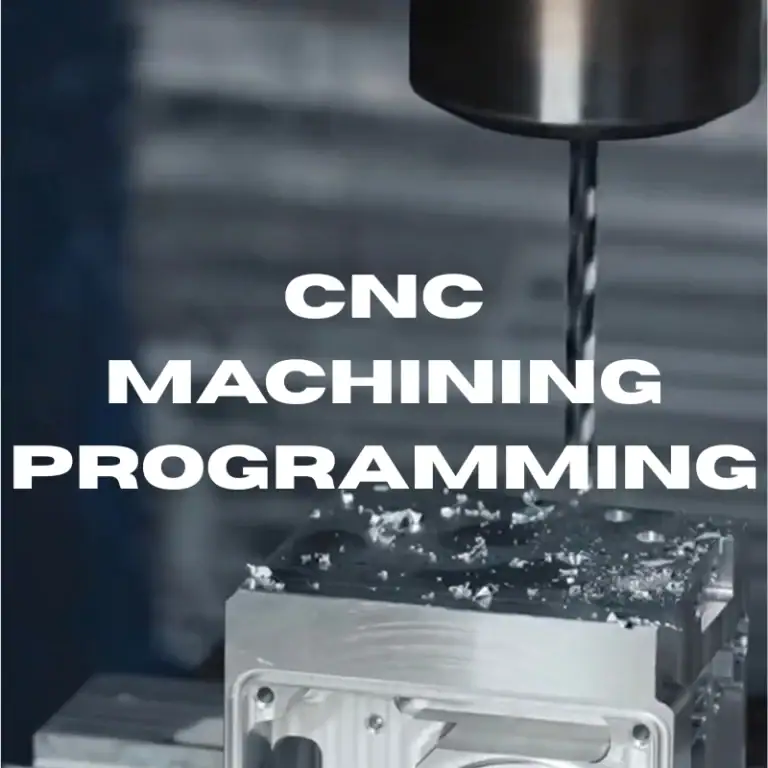
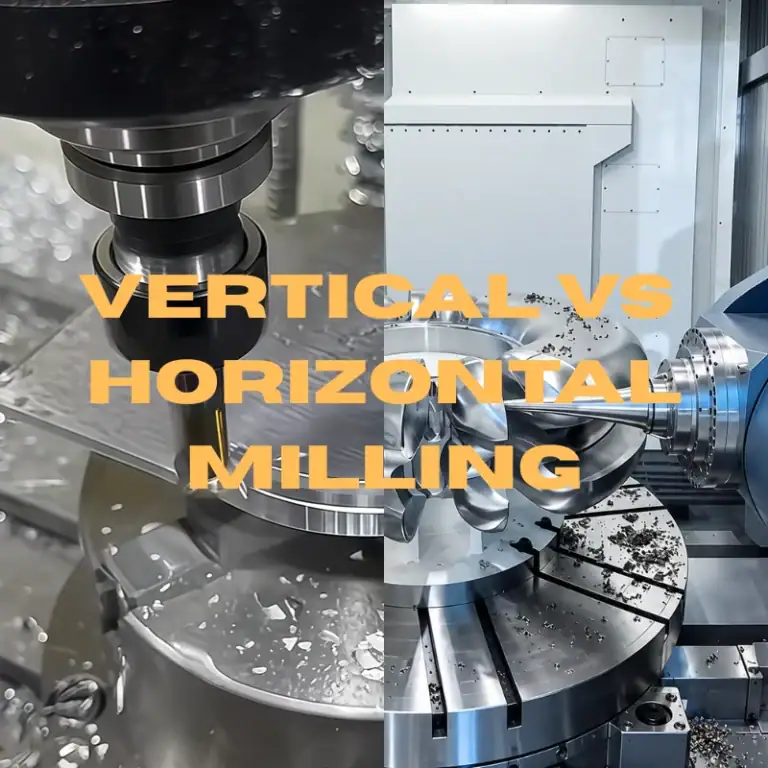
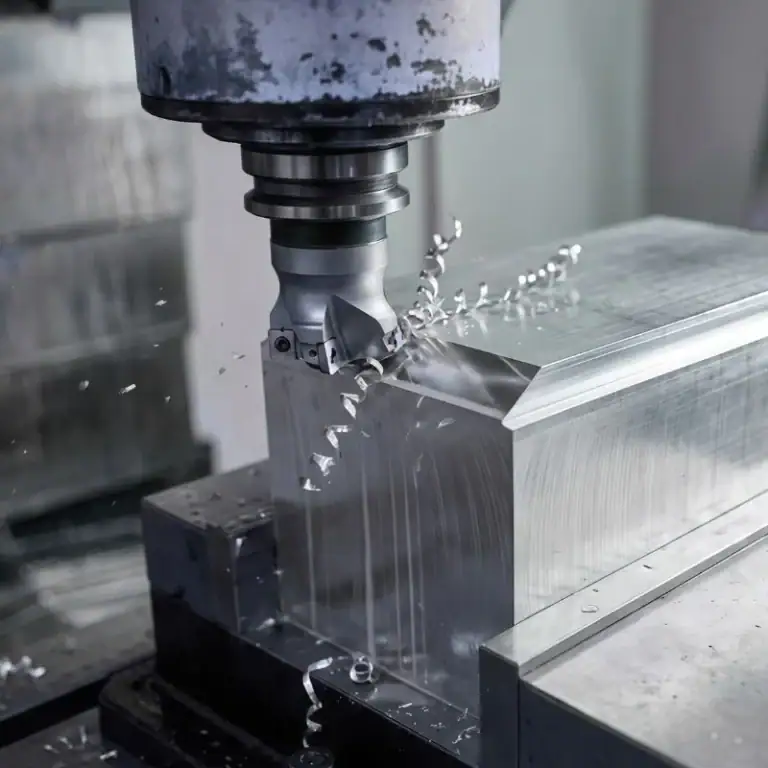
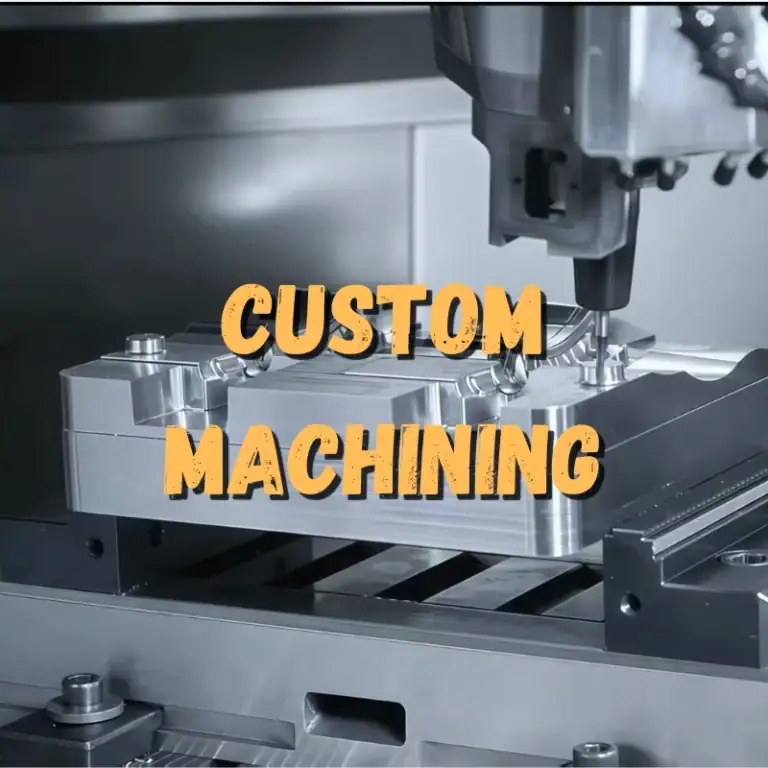
In the modern manufacturing industry, mold quality often directly determines product forming results, production efficiency, and final market competitiveness. Whether for automotive parts, consumer electronics, or medical devices and industrial equipment housings, high-precision molds play an important role in ensuring product dimensional consistency and appearance quality. For mold manufacturing companies, how to improve machining accuracy, shorten production cycles, and control manufacturing costs has always been what customers care about most. As a widely used precision machining technology today, CNC milling has become one of the key processes in high-precision mold manufacturing thanks to its stable machining capability, excellent dimensional control, and strong ability to process complex structures.
CNC Milling Offers Excellent Dimensional Accuracy Control
Mold manufacturing places extremely high demands on dimensional accuracy, and CNC milling can achieve stable machining through digital control, which is one of the main reasons it is widely used in the high-precision mold field.
Improve Repeat Positioning Accuracy
For mold projects that require batch production, dimensional consistency not only affects product quality, but also directly relates to subsequent assembly and performance, so the role of a high-precision CNC system is especially critical.
- Precisely control the tool movement path, effectively reducing deviations caused by manual operation and keeping each cut as close as possible to the set range.
- Improve repeat machining consistency, making dimensional performance more uniform across different batches and workpieces, which is convenient for later assembly and batch application.
- Reduce cumulative error, preventing key mold dimensions from going out of control due to repeated machining accumulation, thereby improving overall mold accuracy.
Stable positioning capability helps companies obtain more reliable machining results and creates a solid foundation for later assembly and use, while also keeping molds more consistent in batch production.
Reduce Dimensional Deviations in Complex Structures
Modern mold structures are becoming increasingly complex, with more deep cavities, thin walls, and irregular contours, which places higher demands on machining accuracy and equipment control capability.
- Ensure stable dimensions in deep cavity structures and avoid local deviations caused by excessive tool overhang or uneven cutting forces.
- Improve machining accuracy of irregular contours so that complex boundaries and curved transition areas can also maintain good dimensional consistency.
- Reduce the risk of errors on complex curved surfaces, minimizing surface fluctuations and contour distortion caused by unstable path control.
- Meet the requirements of high-tolerance mold manufacturing, helping companies better handle precision forming and high-standard acceptance requirements.
With digital control technology, even complex structures can maintain high machining quality, reducing rework and mold correction caused by dimensional deviations.
Enhance Long-Term Machining Stability
High-precision molds often require long machining times, especially in multi-process and multi-pass operations, where equipment stability directly determines whether the final result is reliable.
- Maintain long-term continuous machining accuracy so the machine can still deliver stable dimensional output during extended operation.
- Reduce the impact of machine thermal deformation and avoid changes in the machining reference caused by machine temperature rise, which would otherwise affect final accuracy.
- Improve batch production consistency, allowing the same mold to maintain high repeatability and reliability across different machining stages.
Good machining stability can effectively reduce rework rates, improve production efficiency, and make the mold manufacturing process more controllable and reliable.
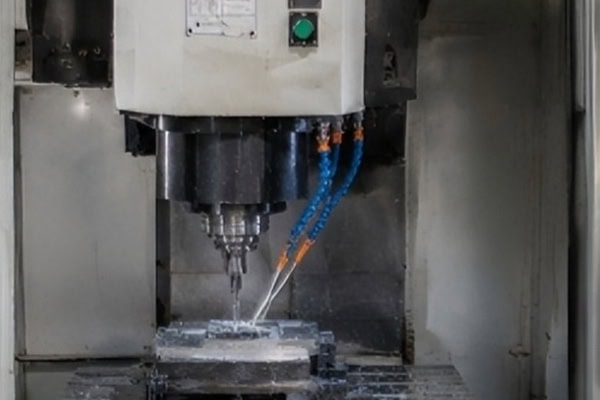
Complex Surface Machining Capability Meets Mold Manufacturing Needs
Many mold products contain complex contours and curved surfaces, and CNC milling has a natural advantage in this area, making it well suited to the diversified needs of modern mold design.
Adapt to Freeform Surface Machining
As modern product appearance design continues to evolve, molds must not only meet forming requirements but also take into account appearance details and surface transition quality, making freeform surface machining especially important.
- Achieve complex 3D surface machining so the mold can accurately reproduce the spatial shape and detail changes in the design drawings.
- Improve surface continuity and smoothness, reducing step marks and unnatural transitions to achieve better forming results.
- Meet the appearance requirements of high-end products, especially for consumer products and industrial housings that demand high surface texture and contour accuracy.
Excellent surface machining capability can significantly improve overall mold quality and make products more competitive in appearance and forming performance.
Improve Machining Capability for Deep Cavities and Fine Features
Many molds contain complex deep grooves, reinforcing ribs, and small features inside, and these areas are often narrow and difficult to machine, requiring high standards for tool paths and machine rigidity.
- Improve machining stability in deep cavity structures so the tool can still maintain a good cutting condition in confined spaces.
- Ensure the machining quality of fine contours and avoid burrs, missing edges, or incomplete profiles at corners.
- Reduce the amount of subsequent finishing work, allowing the mold to be closer to the final delivery standard after the first machining pass.
The ability to machine complex structures gives mold design greater freedom and also helps manufacturers complete difficult parts more efficiently.
Support Multi-Axis Simultaneous Machining
For high-end mold projects, multi-axis machining technology can further improve accuracy, especially for parts that require multi-angle cutting and complex spatial contours. It can reduce the number of repeated setups, avoiding new error sources introduced by multiple positionings, while also lowering positioning errors and making the machining reference more unified, which keeps overall dimensional control more stable. At the same time, multi-axis simultaneous machining can improve the efficiency of complex structure processing, allowing multi-face and multi-angle parts to be completed in less time, while also improving overall surface quality by keeping the tool in a more reasonable cutting angle against the workpiece, resulting in a smoother finish. Multi-axis simultaneous machining is becoming an important processing method in high-end mold manufacturing. It not only improves machining accuracy, but also significantly increases the efficiency of complex mold production.
Excellent Surface Quality Reduces Post-Processing Steps
Mold surface quality directly affects product appearance and demolding performance, so machining quality must not only be “made,” but also “made well,” which is one of the important values of CNC milling.
Improve Surface Finish
High-quality surfaces can reduce the amount of polishing required afterward and also allow the mold to perform better in forming and demolding during use.
- Reduce tool marks, making the mold surface more uniform and delicate while lowering the chance of visible machining traces.
- Improve surface flatness so the mold remains more stable when contacting forming materials and reduces local defects.
- Lower surface roughness, thereby improving demolding performance and enhancing the appearance quality of the final product.
Better surface quality helps improve overall mold quality while also reducing manual finishing time and making the manufacturing process more efficient.
Improve Machining Quality in Complex Areas
The internal detail areas of molds are often more prone to machining defects, especially at corners, edges, and areas with significant local curvature changes, where stable cutting control is even more necessary.
- Keep edge contours intact and avoid corner damage or contour distortion caused by unreasonable tool paths.
- Improve machining results in corner transition areas so that complex transition positions can also maintain good surface continuity.
- Reduce local machining marks and minimize obvious tool marks and surface fluctuations caused by uneven cutting.
Improving the quality of complex areas enhances overall mold performance and also reduces the cost of later repairs caused by local defects.
Lower Post-Finishing Costs
Excellent machining quality reduces the need for later manual processing, which is especially important for mold companies focused on efficiency and cost control.
- Shorten polishing time so molds can reach delivery-ready status faster with less labor input.
- Reduce rework risk and avoid repeated finishing caused by surface issues that would otherwise affect project progress.
- Improve delivery efficiency, making the mold manufacturing process more streamlined and helping customers move into trial molding and mass production sooner.
Less post-processing means higher production efficiency and lower manufacturing costs, while also making mold projects easier to deliver on time.
Machining Efficiency Meets Mold Delivery Requirements
In addition to accuracy, delivery time is also a major concern for customers, especially during new product development and rapid trial molding, where efficiency often directly affects project progress.
Shorten Mold Development Cycles
Fast machining capability helps projects move forward more quickly, allowing companies to complete validation and adjustments earlier in the product development stage.
- Improve material removal efficiency so rough machining and semi-finishing can be completed faster, reducing overall waiting time.
- Reduce machining idle time, increasing equipment utilization and making project progress more compact.
- Accelerate sample validation, helping customers identify design issues earlier and make timely optimization adjustments.
A shorter development cycle helps companies respond quickly to market demand and also helps customers move into pilot production and mass production sooner.
Support Automated Continuous Production
Automation is becoming an important competitive advantage in modern mold manufacturing. It not only improves machining efficiency, but also makes the entire production process more stable and controllable. By working with an automatic tool changer, the machine can switch quickly between different processes, effectively reducing auxiliary time; at the same time, long-term continuous machining makes the mold manufacturing process more seamless and avoids interruptions caused by manual intervention. In addition, reducing the frequency of human involvement helps further improve efficiency and reduces the negative impact of human error on machining quality. Automated production can significantly improve overall machining efficiency while reducing the influence of human factors on quality.
Improve Order Delivery Capability
For multi-variety, small-batch production needs, efficiency advantages are especially obvious, making it particularly suitable for mold projects that require fast response.
- Improve equipment utilization so production resources can be used more fully and waste can be reduced.
- Enhance production flexibility, enabling companies to better handle mold orders of different specifications and structures.
- Meet fast delivery requirements and help customers receive qualified products on time within tight project schedules.
High-efficiency machining helps companies improve customer satisfaction and market competitiveness, while also making mold manufacturing services more attractive.
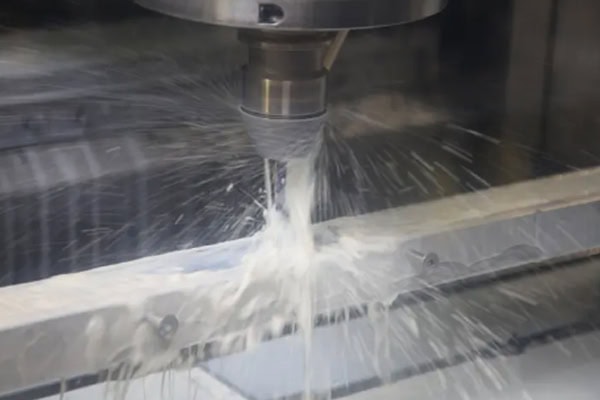
Adapt to Machining Needs for Multiple Mold Materials
Different mold projects require different materials, and CNC milling has strong material adaptability, allowing it to cover a wider range of applications.
Suitable for Mold Steel Machining
Mold steel is one of the most common materials in mold manufacturing and is characterized by high hardness and strong wear resistance, which places higher demands on machining equipment and tool performance.
- Maintain stable cutting conditions so the tool can still perform well when machining high-hardness materials.
- Improve dimensional control to ensure key mold areas remain accurate even under heavy cutting loads.
- Meet the machining needs of high-hardness materials and help companies complete mold manufacturing tasks that require high wear resistance and long service life.
Good steel machining capability ensures mold service life and helps companies maintain stable output in high-intensity machining scenarios.
Meet Aluminum Alloy Mold Machining Needs
Rapid prototypes and trial molds are often made from aluminum alloy, which is more suitable for fast machining and quick validation, helping shorten development cycles effectively.
- Improve high-speed machining efficiency so aluminum alloy materials can be cut to a high standard in a shorter time.
- Shorten manufacturing cycles and help companies complete sample production and design verification more quickly.
- Lower trial production costs, making early-stage development more controllable and better suited for rapid iteration.
The advantages of aluminum alloy machining help accelerate product development and give companies an efficiency edge during early validation.
Handle Special Material Machining as Well
Some industries have special requirements for mold materials, such as high-strength alloys or functional special materials, which place higher demands on machining processes.
- Adapt to high-strength alloy materials so equipment can maintain stable operation under more complex machining conditions.
- Improve machining stability and reduce cutting fluctuations and inconsistent quality caused by material differences.
- Meet the needs of special industry applications and help companies expand into more high-end manufacturing scenarios and customized projects.
Improved material adaptability allows CNC milling to serve more industries and further broadens the application scope of mold manufacturing.
Conclusion
High-precision mold manufacturing places high demands on dimensional accuracy, surface quality, complex structure machining capability, and production efficiency. With digital control, high-precision machining, multi-axis simultaneous processing, and excellent material adaptability, CNC milling has become an important technical choice in modern mold manufacturing. For companies that need high-quality mold solutions, choosing a service provider with advanced equipment and rich experience is equally important. TiRapid focuses on precision parts and mold manufacturing and can provide customers with high-quality CNC milling services, helping projects achieve a smoother transition from design to production more efficiently.