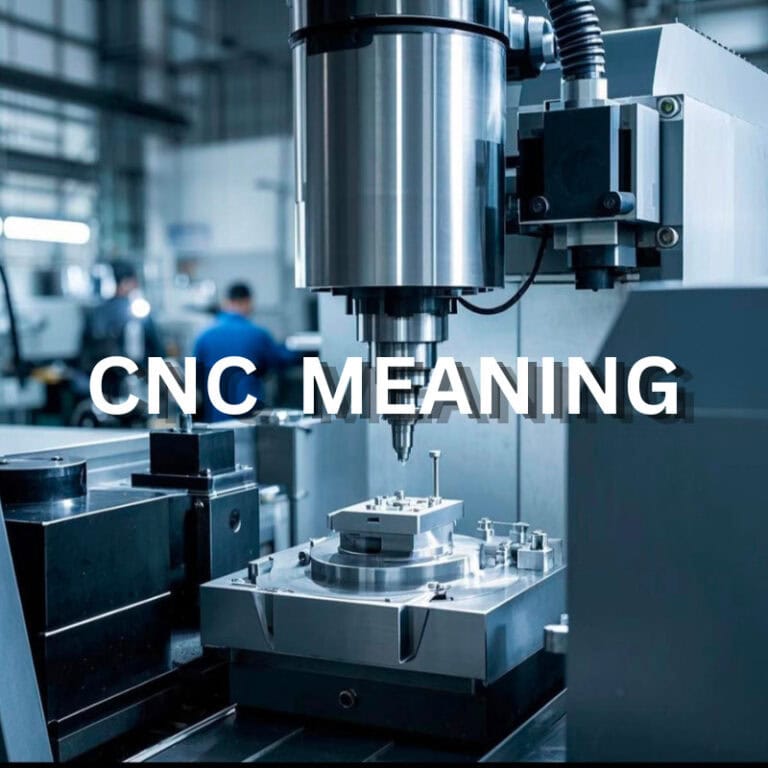
CNC plastic machining is a manufacturing method that uses CNC machine tools as the core, controlling the movement of cutting tools through a program to precisely cut plastic materials. It is widely used in electronic casings, medical parts, mechanical structural components, and industrial prototype development. Compared to traditional machining methods, CNC plastic machining has advantages such as high flexibility, stable precision, and rapid prototyping, but it also places higher demands on process control.
The Essence of CNC Plastic Machining
-
Definition of CNC Plastic Machining
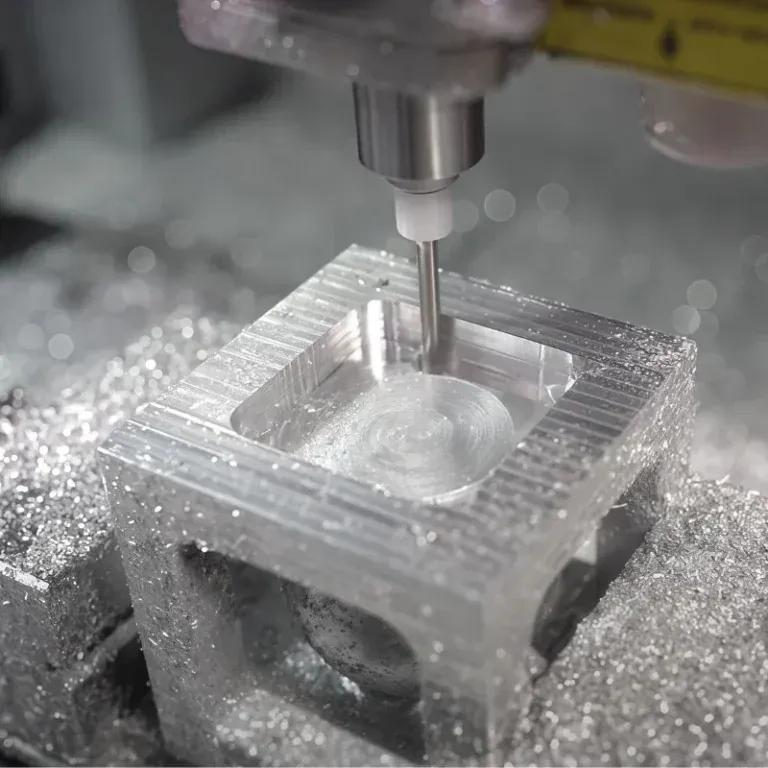
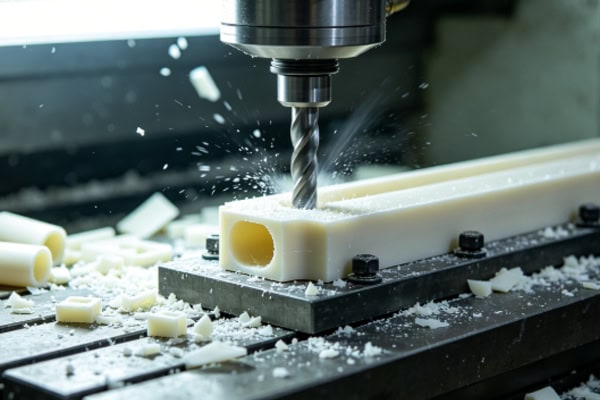
CNC plastic machining refers to a manufacturing process that uses a computer numerical control system to control machine tool cutting tools to perform cutting, milling, drilling, and other machining operations on plastic materials. Its core is the precise control of the tool path through digital programs (G-code), thereby achieving high-precision machining of complex structural parts. Unlike injection molding, CNC machining does not require molds and can directly cut the desired shape from sheet or bar stock, making it very suitable for small-batch production and product development stages.
-
Characteristics of Plastic Machining
Plastic materials are characterized by low melting points, low rigidity, and high thermal sensitivity, making them more susceptible to the effects of temperature, cutting forces, and clamping forces during machining. For example, heat generated during machining can cause the material to soften and deform, while uneven clamping pressure can lead to warping. Therefore, CNC plastic machining is not only a “cutting problem” but also a “material control problem.”
-
Importance of Process Flow
For CNC plastic machining, the rationality of the process flow directly determines the final quality. If the process design is unreasonable, even with high equipment precision, problems such as dimensional deviations, surface roughness, or structural instability may occur. Therefore, standardized processes are the foundation for ensuring stable production.
Machining Operation Flow
-
Product Design and CNC Programming
The first step in CNC plastic machining is product design and program generation. Engineers need to use CAD software to complete 3D modeling and generate toolpaths in CAM software. At this stage, the characteristics of plastic materials need to be fully considered, such as avoiding excessively thin structures, reducing sharp corner designs, and optimizing wall thickness uniformity to reduce the risk of machining deformation. After the program is generated, simulated machining is required to check the toolpath for rationality and avoid tool collisions or overcutting.
-
Material Preparation and Pretreatment
Before machining, the plastic material needs to be inspected and pretreated. This includes confirming that the material dimensions meet requirements, checking for surface cracks or defects, and determining if annealing is necessary to release internal stress. For highly hygroscopic materials, drying is also required to prevent air bubbles or dimensional changes during machining.
-
Clamping, Positioning, and Equipment Debugging
Material fixing is a crucial step affecting machining accuracy. Clamping must ensure uniform force to avoid localized overtightness that could lead to deformation. For thin plates or large-area workpieces, vacuum adsorption or multi-point support methods are typically used. Simultaneously, machine tool setting, zero-point calibration, and tool condition checks are necessary to ensure the equipment is in a stable operating state.
-
Staged CNC Machining Execution
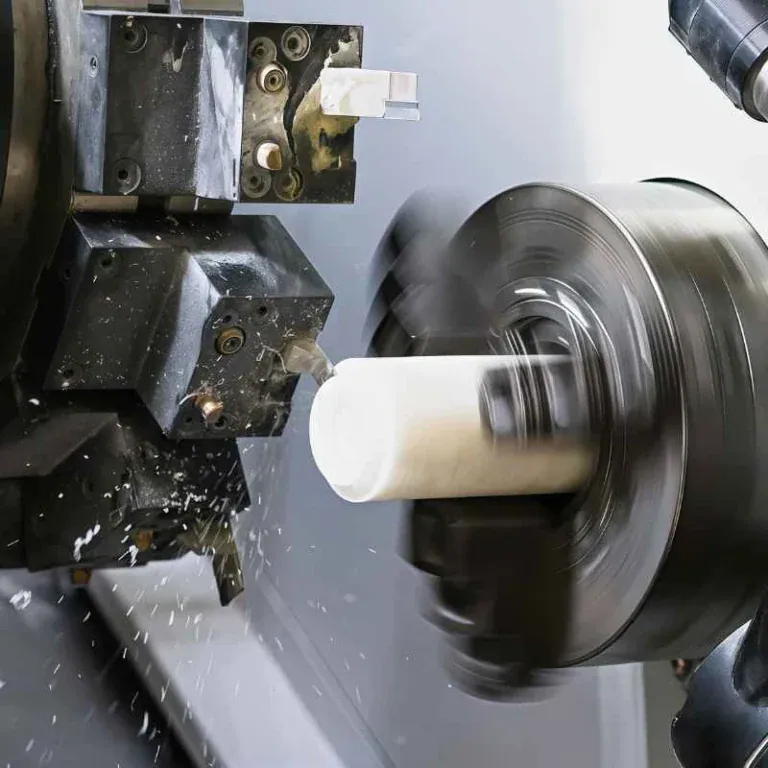
Actual machining is typically divided into three stages: roughing, semi-finishing, and finishing. Roughing is primarily used to quickly remove excess material and establish the basic shape; semi-finishing is used to stabilize the structure and reduce internal stress; finishing is used for final dimensional control and surface quality optimization. This phased approach effectively reduces the risks associated with single-cutting.
-
Post-processing and Quality Inspection
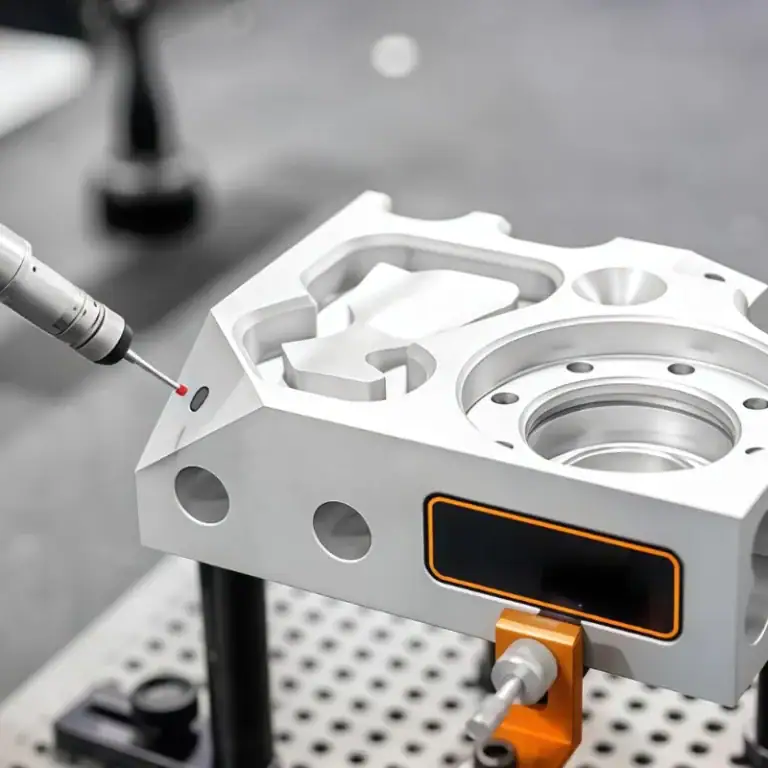
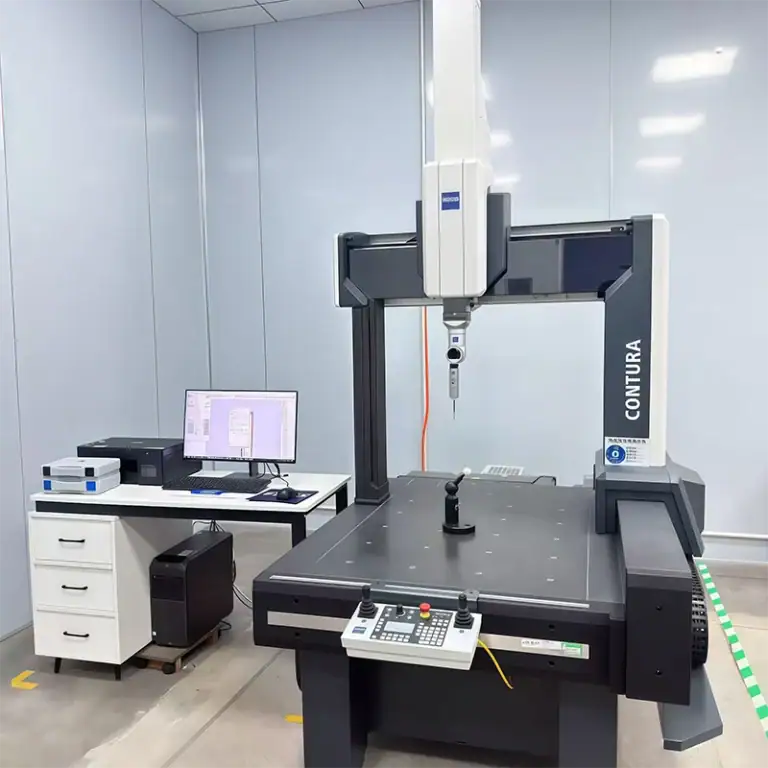
After machining, the workpiece needs to be left to stand to allow internal stress to gradually release. Then, dimensional inspection is performed using calipers, coordinate measuring machines, or projectors to confirm compliance with design requirements. For high-precision parts, secondary finishing may be performed to ensure final consistency.
Key Control Points Affecting Quality
-
Scientific Setting of Cutting Parameters
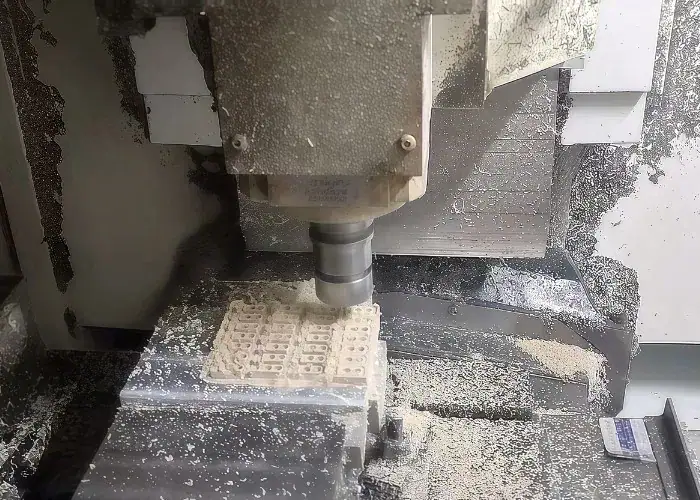
Cutting parameters, including spindle speed, feed rate, and depth of cut, are core factors affecting machining quality. Excessive spindle speed can generate heat, leading to material softening; insufficient feed rate can increase friction time, also resulting in heat accumulation. Therefore, dynamic adjustments based on the characteristics of different plastic materials are necessary, rather than using fixed parameters.
-
Tool Selection and Wear Control
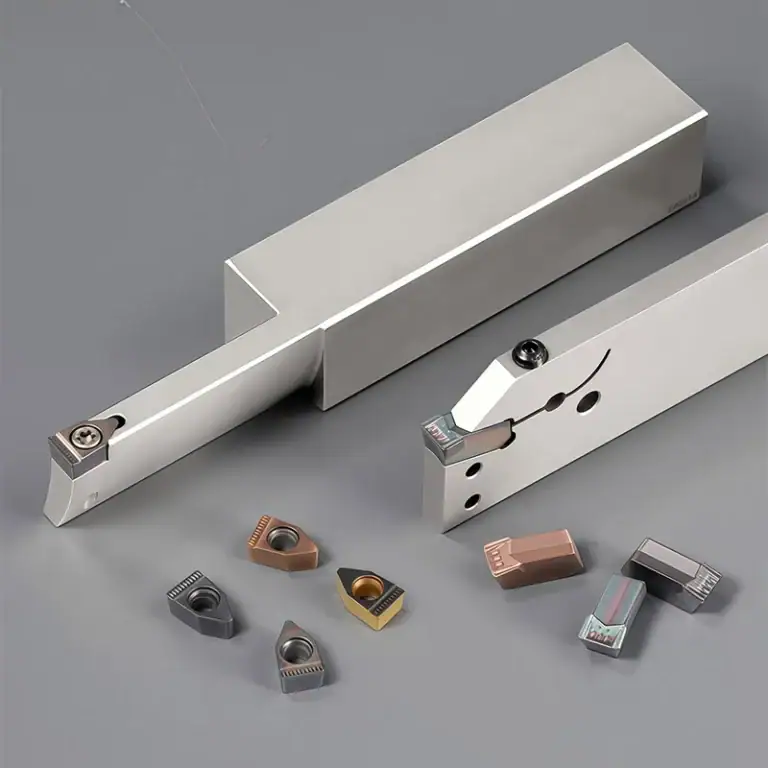
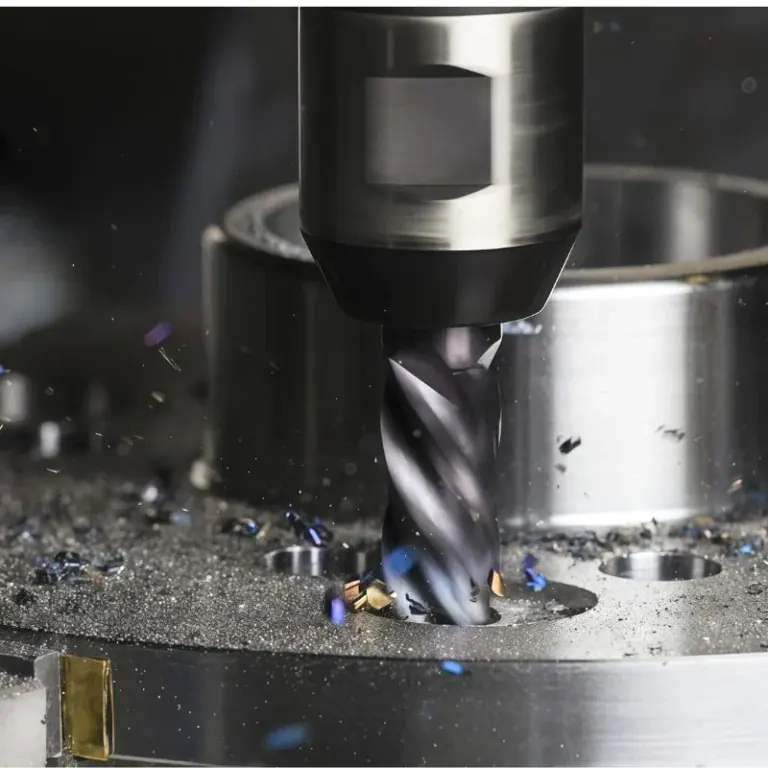
Tool condition directly affects cutting performance. Sharp cutting tools reduce cutting resistance and heat generation; dull tools increase friction, leading to rough surfaces or even burning the material. For plastic machining, single-edged or specialized plastic tools are generally recommended to reduce cutting heat and improve chip removal efficiency.
-
Thermal Management and Chip Removal Optimization
Plastics are highly sensitive to temperature, so heat accumulation must be controlled during machining. This can be achieved by optimizing the toolpath to reduce prolonged cutting dwell time and using air cooling for auxiliary cooling. Furthermore, a good chip removal design is crucial to prevent secondary friction and heat generation from chips in the machining area.
-
Fixture Design and Stress Control
Fixtures not only hold the workpiece in place but also directly affect machining deformation. Excessive clamping force can cause warping after stress release; unstable clamping can lead to vibrations affecting accuracy. Therefore, a uniform force design should be adopted, combined with soft padding to reduce localized pressure concentration.
Why does material determine machining results?
-
High-Stability Engineering Plastics
POM and PEEK are commonly used high-performance materials in CNC plastic machining. POM (Polymer Oxide) offers excellent dimensional stability and wear resistance, making it suitable for precision mechanical parts; PEEK (Polyester Effortless) boasts high temperature resistance and high strength, making it suitable for high-end fields such as aerospace and medical. While these materials are more expensive, they offer the best processing stability.
-
Conventional Engineering Plastics
ABS and PC are widely used general-purpose materials. ABS has good processing performance and low cost, making it suitable for structural components; PC has good transparency and strength, but is more sensitive to processing heat, requiring strict parameter control.
-
Easily Processable but Sensitive Materials
PMMA (Acrylic) and PVC are relatively easy to process, but they are very sensitive to heat and stress, prone to cracking, warping, or whitening. Therefore, more precise process control is required during processing, and stress concentration should be minimized.
-
Core Principles of Material Selection
In practical applications, material selection must be comprehensively considered in conjunction with the product’s intended use, precision requirements, and cost budget. High precision prioritizes stable materials, appearance prioritizes transparent materials, and cost-sensitive projects require a balance between performance and economy.
Common Questions
Why is there such a large difference in precision between CNC plastic machining from different manufacturers? Many customers find that the same drawings produce significantly different results when machined by different manufacturers. The main reason lies in differences in process control capabilities, including tool selection, cutting parameter settings, fixture design, and material handling methods. Even using the same equipment, insufficient experience or non-standard processes can lead to dimensional deviations, surface roughness, or deformation. Therefore, the stability of CNC machining depends not only on the equipment but also on the overall skill level and accumulated experience.
In conclusion
CNC plastic machining encompasses the initial design and programming, the intermediate material preparation and machining control, and the final inspection and stabilization treatment. Each stage is interconnected and indispensable. If any step is not handled meticulously, it can lead to inaccurate dimensions, deformation, or unsatisfactory surface quality. Furthermore, plastics are highly sensitive to temperature and stress, making the machining process more complex than with metals, requiring more precise parameter control and more rational fixture design. In addition, the significant differences between different materials mean that even with excellent processing techniques, inappropriate material selection will make it difficult to achieve ideal results.