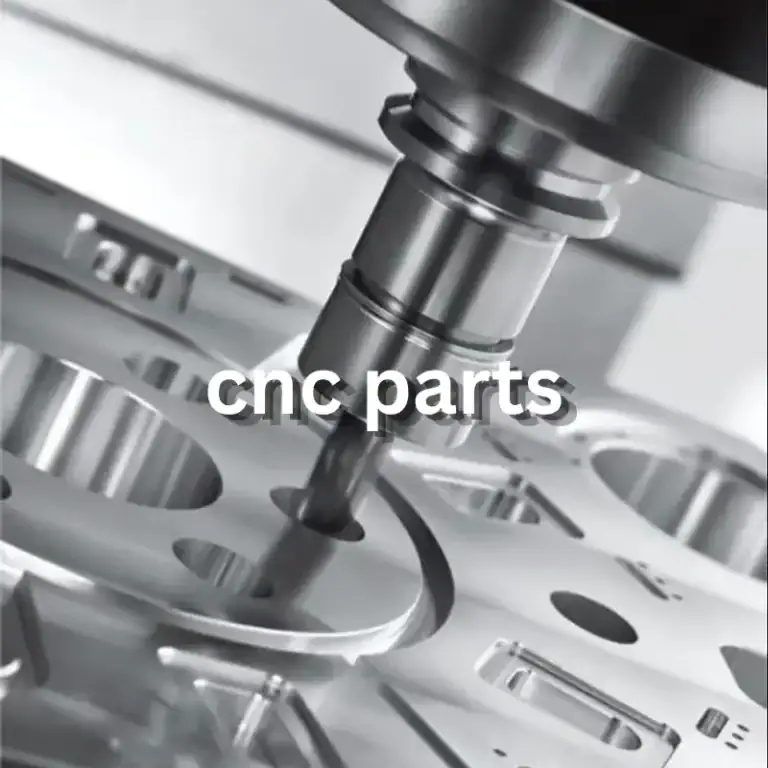
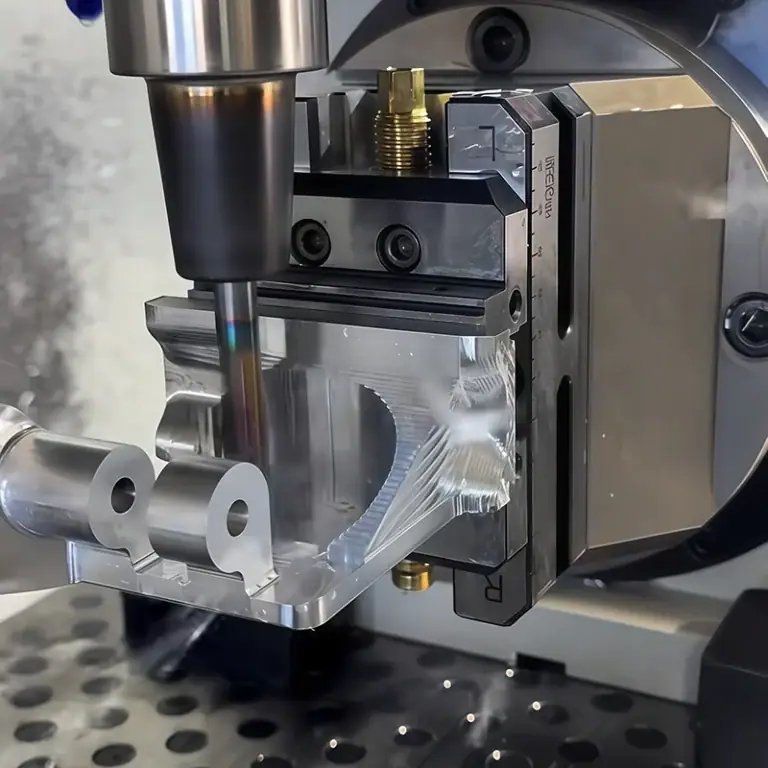
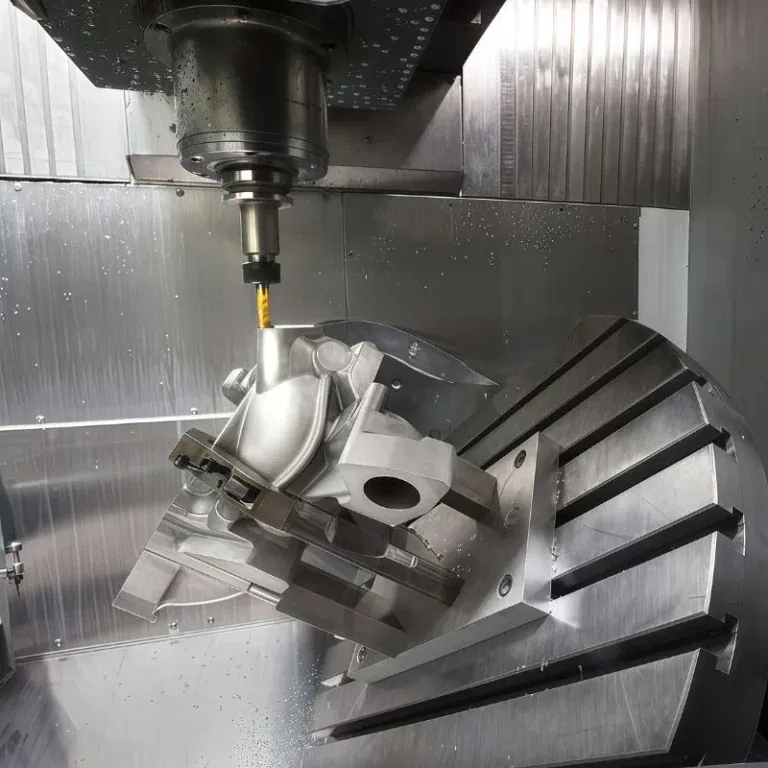
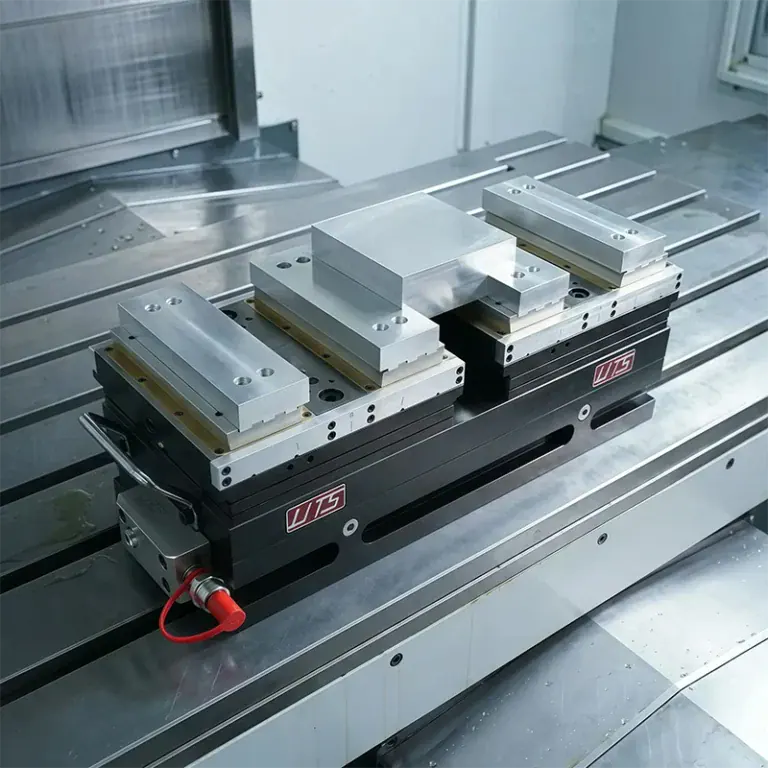
In high-end equipment manufacturing—such as aerospace, medical devices, semiconductor equipment, and precision molds—there are extremely strict requirements for component accuracy, stability, and consistency. These products typically feature complex structures, fine functions, and very tight tolerances, where even minor deviations can affect overall system performance. As product complexity continues to increase, traditional manual, experience-based machining methods are gradually becoming insufficient for stable production. CNC technology has therefore become the core foundation of high-end equipment manufacturing, further driving precision machining capabilities to a higher level.
Fundamental Requirements of High-End Equipment Manufacturing Processes
The reason high-end equipment increasingly relies on CNC machining is not simply because it is “more advanced,” but because the nature of manufacturing objects has fundamentally changed. Modern high-end components often combine complex curved surfaces, multi-axis coordination, and extremely tight tolerance requirements. Machining is no longer just about shaping materials—it has evolved into a systematic process that requires precise control of tool paths, dynamic stability, and repeatability. In this context, any experience-dependent method struggles to meet long-term production demands.
High-Precision Structures Determine the Machining Method
High-end equipment components typically feature complex surfaces, multi-axis assembly requirements, and extremely tight tolerances. Traditional machining methods cannot ensure consistency, while CNC systems achieve stable output through programmed control.
- In precision machining, high-end components often require micrometer-level or even higher accuracy, which exceeds manual operational stability
- Multi-axis coordinated structures require continuous toolpath control, which is difficult to achieve manually
- Complex geometries must rely on digital path planning to avoid cumulative errors
These characteristics determine that machining must shift from “experience-based control” to “digital control.”
Batch Consistency Is a Core Requirement in High-End Manufacturing
Once products enter mass production, the focus is no longer just whether a single part is qualified, but whether every part remains identical. Consistency is often more important than single-part accuracy because system performance depends on how well components match each other.
- CNC machining ensures identical processing logic across batches through program replication
- Process parameters can be stored and reused to reduce variation
- Long-term production maintains stable output without quality drift
The more stable the consistency, the more controllable the system performance becomes.
Why CNC Machining Has Become the Core of High-End Equipment?
After understanding the requirements for structural complexity and consistency, it becomes clear why CNC machining has become the core technology. Its value is not only higher precision, but also its ability to standardize, digitize, and replicate complex manufacturing processes. Unlike traditional machining that relies heavily on operator experience, CNC reduces uncertainty by embedding manufacturing logic into programmable systems.
Complex Structures Require Programmed Control
High-end equipment increasingly contains freeform surfaces, deep cavities, and multi-angle assembly features. These structures cannot be processed through simple manual toolpaths.
CNC systems break down complex machining into executable digital toolpath segments, ensuring each cutting action stays within design constraints.
- Multi-axis control enables continuous tool movement in complex 3D space
- Programmed paths ensure accurate and repeatable tool trajectories
- Manufacturing no longer depends on operator experience but on digital models
This transforms complex machining from “uncontrollable” to “predictable.”
Precision Stability Far Exceeds Traditional Methods
High-end manufacturing requires not only initial accuracy but also long-term stability. Traditional machining is influenced by operators, environment, and equipment conditions, while CNC systems minimize these variables through controlled execution.
- High repeat positioning accuracy ensures batch consistency
- Automatic compensation reduces thermal deformation errors
- Standardized processing reduces uncertainty caused by human factors
How CNC Technology Enhances Precision Machining?
CNC technology does more than control machine motion—it transforms manufacturing into a data-driven system. Path planning, parameter control, and real-time correction all contribute to more stable precision machining.
Digital Path Planning Improves Accuracy
In complex component machining, toolpath design directly affects final quality. Poor path planning can cause vibration and accumulated errors even with high-end equipment.
CNC systems simulate and optimize toolpaths before actual machining begins, reducing risks at the source.
- Optimized toolpaths reduce unnecessary idle movements
- Smoother cutting paths minimize vibration
- Pre-simulation identifies potential interference or errors
Automation Reduces Human Error
Traditional machining varies depending on operator experience, while CNC machining standardizes execution.
- All machining steps are program-controlled
- Parameters remain consistent across production
- Batch results can be fully replicated
Real-Time Feedback Enhances Stability
Advanced CNC systems include monitoring and adaptive control capabilities.
- Tool wear monitoring with automatic adjustments
- Feed rate optimization based on load changes
- Early correction of abnormal machining conditions
Industry Significance of CNC Dependence in High-End Equipment
Once CNC machining matures, its impact extends beyond individual factories to the entire high-end manufacturing ecosystem. It becomes a critical bridge between design and physical production.
Enables Scalable Production of High-End Products
Previously, complex parts relied heavily on manual processes and were difficult to reproduce consistently.
- Enables mass production of complex components
- Improves manufacturing efficiency
- Reduces production costs
- Ensures stable delivery cycles
Advances Precision Machining Capabilities
CNC technology continuously pushes the boundaries of precision and complexity.
- Supports higher accuracy requirements
- Expands material processing capabilities
- Raises overall manufacturing limits
- Drives industry technological evolution
Improves Product Reliability and Consistency
Consistency is critical for high-end equipment performance.
- Reduces failure rates
- Extends service life
- Ensures stable system operation
- Improves long-term consistency
The essence of high-end equipment manufacturing is not just achieving high precision, but maintaining controllable and scalable production under complex conditions. CNC machining has become essential because it enables stable, repeatable, and industrialized manufacturing of complex parts. In this process, precision machining capabilities are systematically enhanced, forming a fundamental pillar of modern advanced manufacturing. To meet these demands, Tirapid provides professional precision machining and CNC manufacturing support to help customers achieve higher quality and more stable production outcomes.