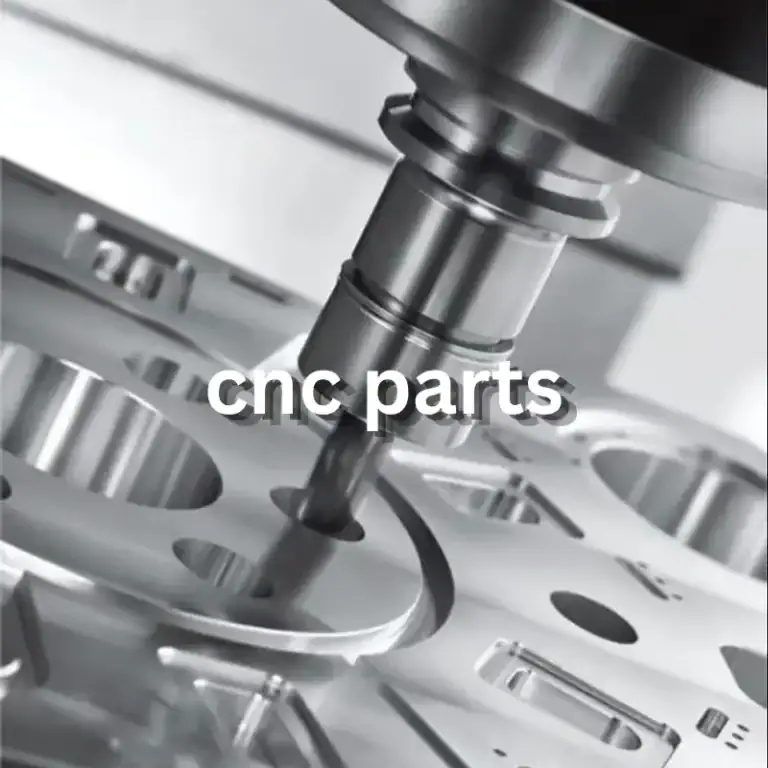
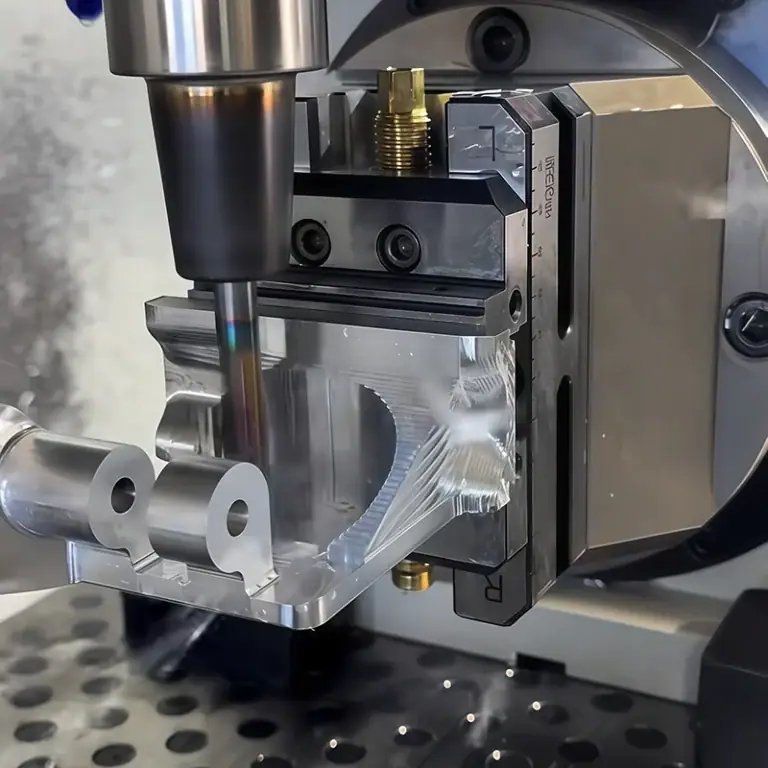
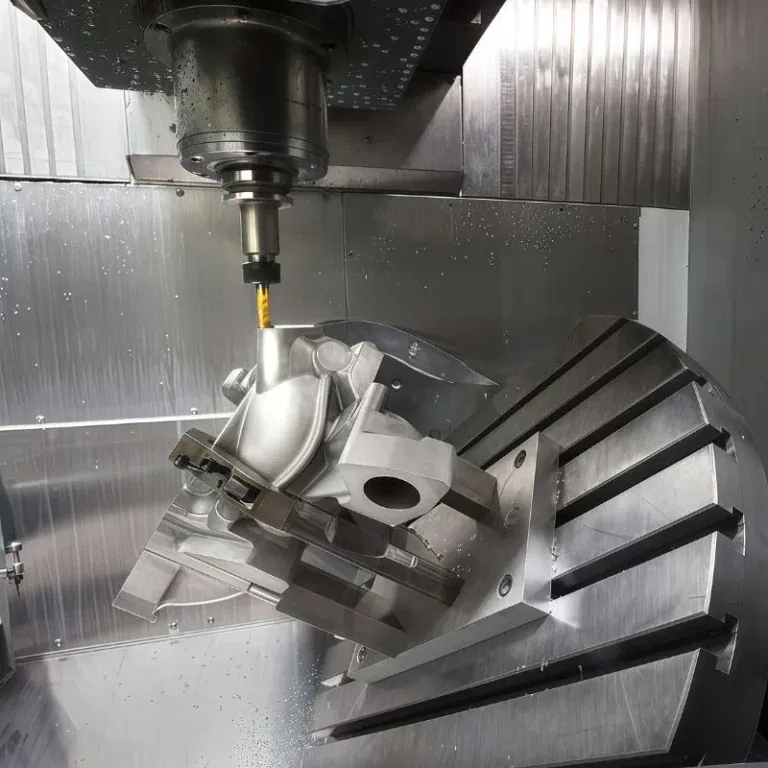
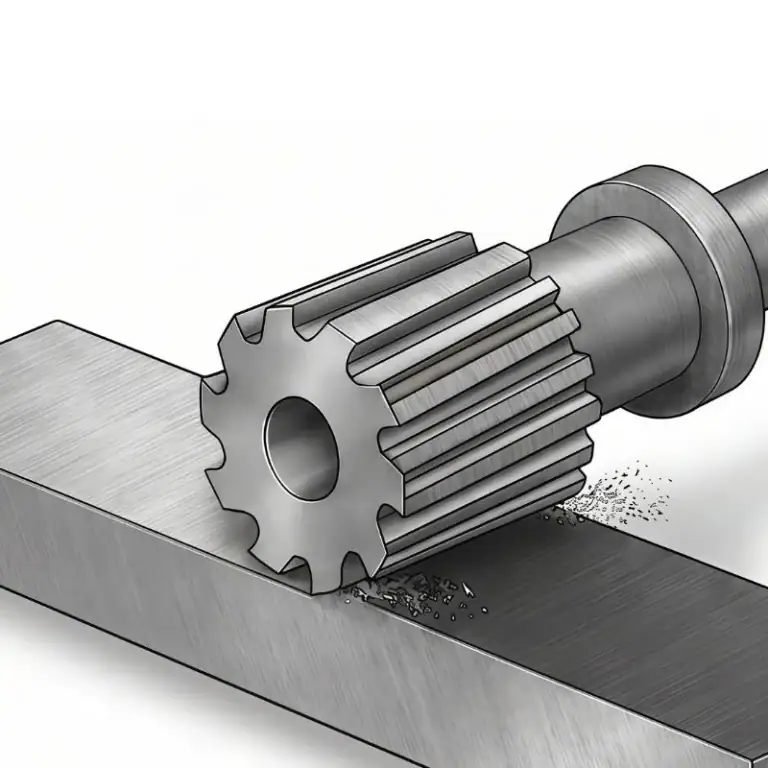
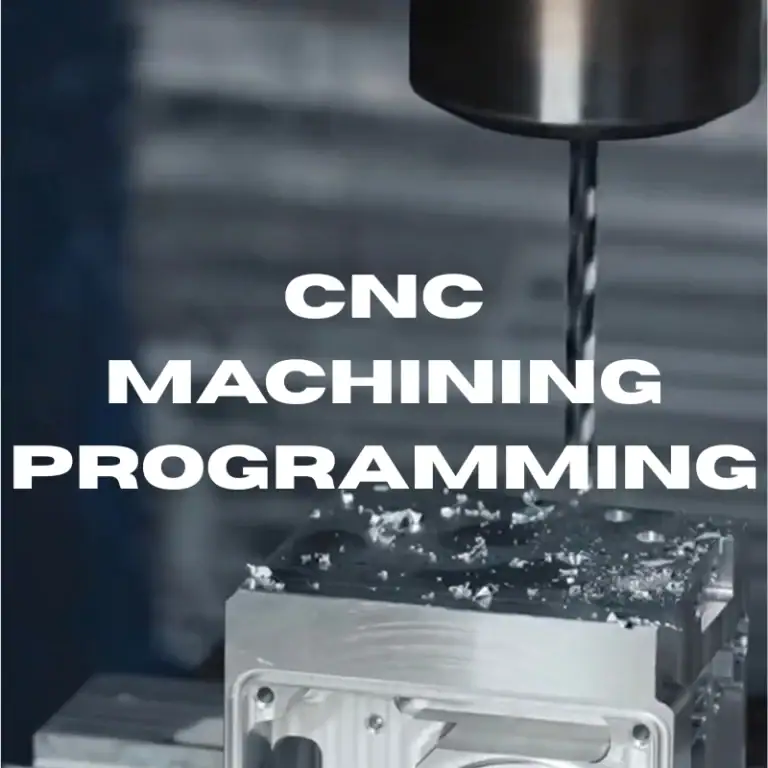
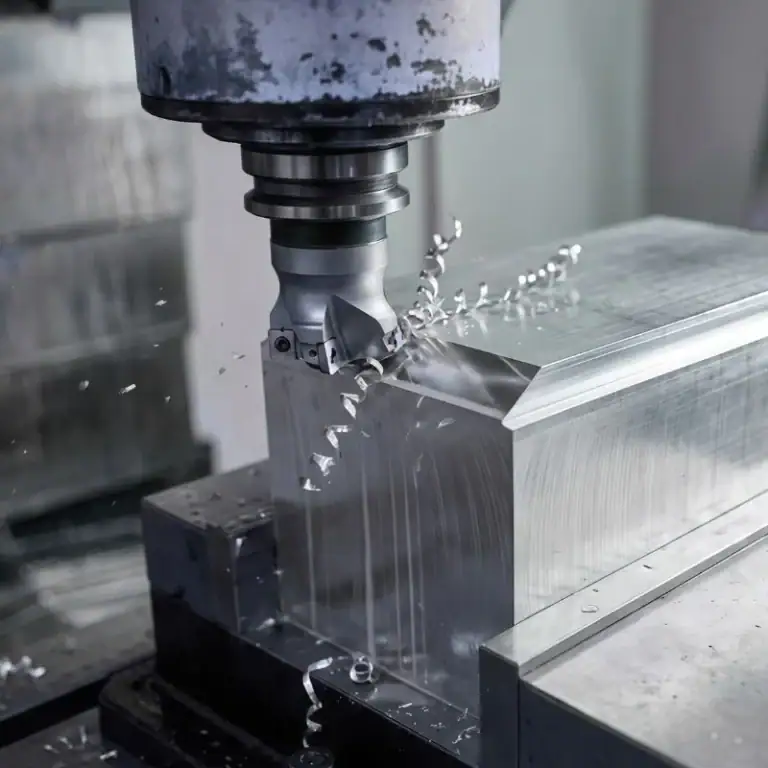
After CNC machining, plastic parts already have accurate dimensions and structures, but the surface often retains tool marks, minor burrs, or machining traces. For products such as electronic device housings, medical equipment components, optical assemblies, and industrial equipment parts, meeting dimensional requirements alone is not enough. Surface quality also affects product appearance, assembly performance, and service life. Therefore, surface finishing has become an important process after plastic part machining. Through appropriate surface treatment, product quality can be improved while enhancing the overall customer experience.
Functions and Basic Understanding of Surface Finishing for Plastic Parts
Surface finishing is not only intended to improve appearance; it also helps enhance product performance and stability. Different plastic materials exhibit different surface conditions after machining. Some materials are prone to tool marks, some easily attract dust, while certain transparent plastics may develop slight haziness. Choosing the appropriate surface finishing method according to the product application can make parts better suited to their intended use.
Improving Product Appearance Quality
After machining, toolpath marks usually remain on the surface. For ordinary industrial components, these marks may have little impact, but for consumer electronics, display models, and high-end equipment accessories, appearance quality is often a key customer concern.Through surface finishing, tool marks, scratches, and burr traces can be effectively reduced, resulting in a cleaner and more uniform appearance. Different visual effects such as matte, semi-gloss, and mirror finishes can also be achieved, enhancing the overall product grade.
Enhancing Assembly Performance
Many plastic parts need to be assembled with other components. If burrs or rough areas remain on the surface, assembly accuracy may be affected.Through deburring, refinement, and polishing processes, assembly resistance can be reduced and part fit can be improved. At the same time, these treatments help reduce the risk of sharp edges scratching operators or damaging mating components.
Improving Product Performance
Some surface finishing processes not only improve appearance but also enhance product performance.
- For example:
- Anti-static treatments reduce dust attraction
- Coating processes improve wear resistance
- Special coatings enhance chemical resistance
For industrial components used over long periods, these performance improvements can effectively extend service life.
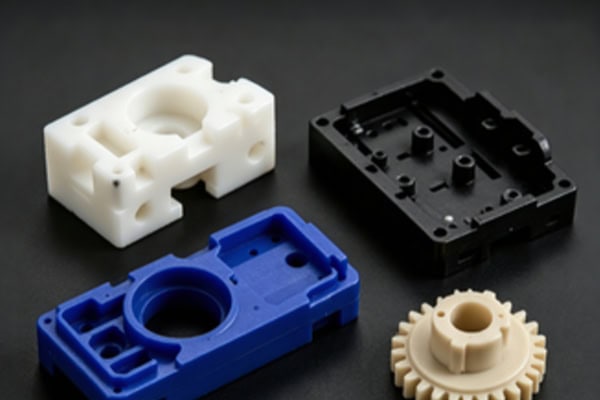
Polishing Processes
Polishing is one of the most common surface finishing methods for plastic parts. Many transparent components, high-gloss products, and display items use polishing to improve surface quality.
Mechanical Polishing
Mechanical polishing is widely used for surface optimization of plastic parts, especially for products with appearance requirements.Through progressive sanding and fine finishing, machining marks can be effectively removed, resulting in a smoother and more refined surface.Mechanical polishing mainly relies on sandpaper, polishing wheels, and polishing compounds.
The process typically includes:
- Rough polishing
- Fine polishing
- Final polishing
As abrasive particles become progressively finer, surface roughness decreases and a smooth finish is achieved.Mechanical polishing is suitable for ABS, PC, POM, and many other engineering plastics. It offers reasonable processing costs and a wide range of applications.
Mirror Polishing
For transparent PC, acrylic, and optical plastic parts, ordinary polishing is often insufficient.Mirror polishing requires multiple stages of precision treatment to achieve a near-mirror surface finish. After treatment, light transmission and visual clarity are significantly improved.
This process is commonly used for:
- Optical viewing windows
- Display covers
- Transparent equipment panels
Mirror polishing also reduces the impact of minor surface defects on light transmission, providing clearer and brighter visual performance. It is widely used in high-end display and precision optical applications.
Precautions During Polishing
Plastic materials are sensitive to temperature.If polishing speed is too high, frictional heat may cause material softening or even deformation. Therefore, pressure and rotational speed must be carefully controlled.During processing, operators typically adjust polishing parameters according to material type and perform treatment in stages to minimize localized overheating.For thin-walled or high-precision components, surface condition and dimensional changes must be regularly monitored to ensure stable quality.For transparent materials, improper operation may cause whitening, affecting final appearance. Uneven polishing can also create differences in gloss levels, reducing overall visual consistency. Therefore, polishing requires a high level of process control.
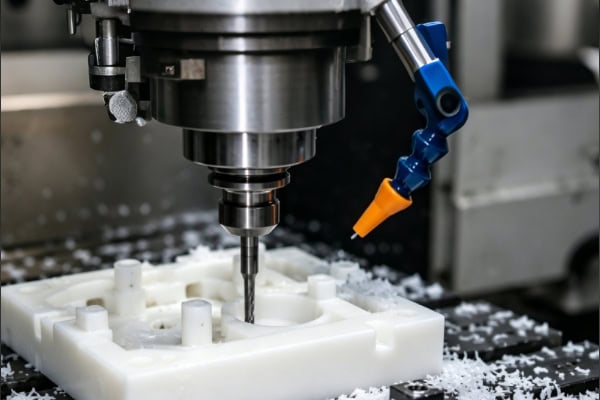
Sandblasting and Texture Finishing Processes
Some products do not require a mirror finish but instead seek a more uniform and refined surface texture. In such cases, sandblasting and texture finishing become common choices.
Sandblasting Process
Sandblasting is a widely used surface treatment method for plastic parts.Although parts may already be precision machined, slight tool marks or uneven gloss may still exist. Sandblasting creates a more consistent and delicate surface texture while improving overall appearance quality.The process uses fine abrasive particles accelerated at high speed to impact the part surface and create a uniform texture.
Benefits include:
- Reduced reflection
- Concealing minor scratches
- Improved tactile feel
- Enhanced visual consistency
This process is commonly found on electronic product housings and industrial control panels.
Surface Texture Processing
In addition to smooth and matte finishes, many plastic parts incorporate different texture effects based on product positioning and application requirements.Texture processing enriches product appearance while improving tactile experience.
Examples include:
- Leather texture
- Brushed texture
- Fine sand texture
These textures enhance product depth and design appeal.Different textures create significantly different visual impressions. Some emphasize a premium appearance, while others highlight industrial or technological aesthetics. Therefore, texture design is often planned during the product development stage.Texture finishing can also strengthen brand identity and market competitiveness. Proper texture design helps conceal fingerprints and minor scratches, allowing products to maintain a better appearance over time and increasing user confidence in product quality.
Practical Value of Texture Finishing
Texture finishing not only improves appearance but also reduces fingerprint visibility.For frequently handled products, appropriate textures help minimize visible contamination and maintain a cleaner appearance during long-term use.Uniform textures can also reduce the visual impact of minor scratches, helping products retain their appearance after extended use.
Texture treatments are widely used in:
- Consumer electronics
- Household appliances
- Industrial control panels
By carefully selecting texture depth and pattern style, manufacturers can improve product feel, comfort, practicality, and aesthetics simultaneously.
Coating and Functional Surface Treatments
When plastic parts require enhanced appearance, brand presentation, or special functional properties, basic polishing or sandblasting may not be sufficient.Coating and functional surface treatments provide additional value by improving visual appeal while enhancing wear resistance, anti-static performance, and environmental durability. These processes are widely used in electronics, industrial equipment, and consumer products.
Surface Painting
Painting is one of the most common post-processing methods for plastic parts, especially for products requiring color consistency and premium appearance.Using professional spray equipment and controlled processes, products can achieve richer color effects and improved visual quality.
Painted finishes can provide:
- Black appearance
- White appearance
- Metallic appearance
- Custom color effects
Painting creates more uniform color while enhancing overall product quality.
Some premium products also include UV protective coatings to improve weather resistance.
Screen Printing and Laser Marking
After basic surface treatment, products often require branding, functional markings, and traceability information.To ensure clear, attractive, and durable markings, manufacturers may choose screen printing, pad printing, or laser marking according to product requirements.
Common processes include:
- Screen printing
- Pad printing
- Laser engraving
- Laser marking
These methods allow permanent display of:
- Logos
- Serial numbers
- QR codes
- Operational markings
Anti-Static and Functional Coatings
As application environments become more diverse, more plastic components require specialized functional properties.Particularly in electronics manufacturing, precision instruments, and cleanroom environments, static control and surface protection have become important requirements.Functional coatings allow plastic parts to maintain attractive appearance while achieving more stable and reliable performance.
Typical applications include:
- Electronics industry
- Semiconductor industry
- Precision instrument industry
Anti-static coatings reduce dust attraction and improve cleanliness.
Certain specialty coatings can also enhance:
- Wear resistance
- Scratch resistance
- Chemical resistance
These coatings provide additional protection and extend product service life.
Frequently Asked Questions
Q: Do CNC plastic parts always require surface finishing?
A: Not all plastic parts require surface treatment. If the product is an internal structural component with low appearance requirements, basic deburring and cleaning may be sufficient. However, for products used in visible applications, precision assemblies, or transparent viewing areas, polishing, sandblasting, or coating treatments are recommended. Proper surface finishing improves quality and reduces issues during use.
Q: Will polishing affect dimensional accuracy?
A: Under normal circumstances, a properly controlled polishing process has minimal impact on dimensions. For high-precision parts, manufacturers reserve appropriate machining allowances and carefully control polishing pressure and duration. Optical and precision mating components often use fine polishing techniques to improve surface quality while maintaining dimensional stability.
Q: What is the difference between sandblasting and polishing?
A: The two processes create completely different surface finishes. Polishing improves surface smoothness and can produce glossy or mirror-like finishes. Sandblasting creates a uniform matte texture that reduces reflection and improves tactile feel. The choice depends on product appearance requirements and application scenarios.
Q: What surface treatments are suitable for transparent plastic parts?
A: Transparent plastic parts are typically treated with fine polishing or mirror polishing. Materials such as PC and PMMA (acrylic) can achieve improved light transmission and visual clarity through professional polishing. Inappropriate sandblasting or rough finishing may reduce transparency, making surface treatment requirements more critical for transparent components.
Q: Can surface finishing improve the service life of plastic parts?
A: In many cases, yes. Protective coatings can improve wear resistance, anti-static treatments reduce dust accumulation, and functional coatings can enhance corrosion resistance. These treatments help reduce wear and aging, thereby extending product life.
Q: Is surface finishing expensive for plastic parts?
A: Costs depend on product size, structural complexity, material type, and treatment method. Basic deburring and simple polishing are relatively inexpensive, while mirror polishing, specialty coatings, and anti-static treatments involve higher costs. During product development, manufacturers can select suitable surface finishing solutions according to budget and product positioning.
Conclusion
Surface finishing for CNC machined plastic parts is not merely for aesthetics; it is an essential step in the manufacturing process. From basic deburring to mirror polishing, from sandblasted textures to functional coatings, different processes meet different product requirements.Choosing the appropriate surface treatment can improve appearance quality, enhance assembly performance, and increase long-term reliability.Surface finishing methods should be selected based on material properties, product structure, and intended application. For transparent parts, polishing is particularly important; for industrial equipment housings, sandblasting and coating often offer greater advantages; while in the electronics industry, anti-static performance is frequently a primary concern.Planning surface finishing processes in advance not only improves product quality but also reduces rework and maintenance costs in later stages.