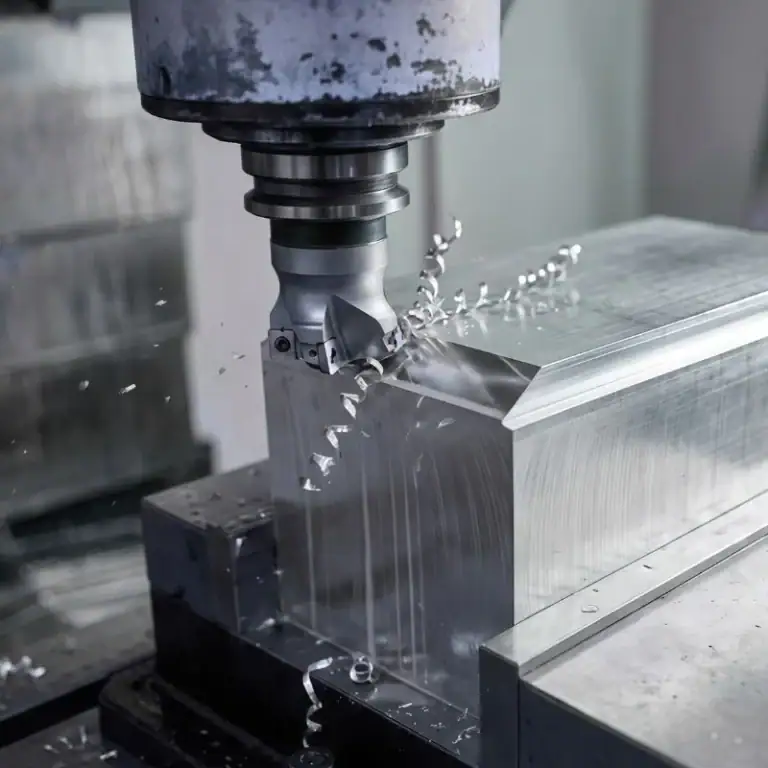
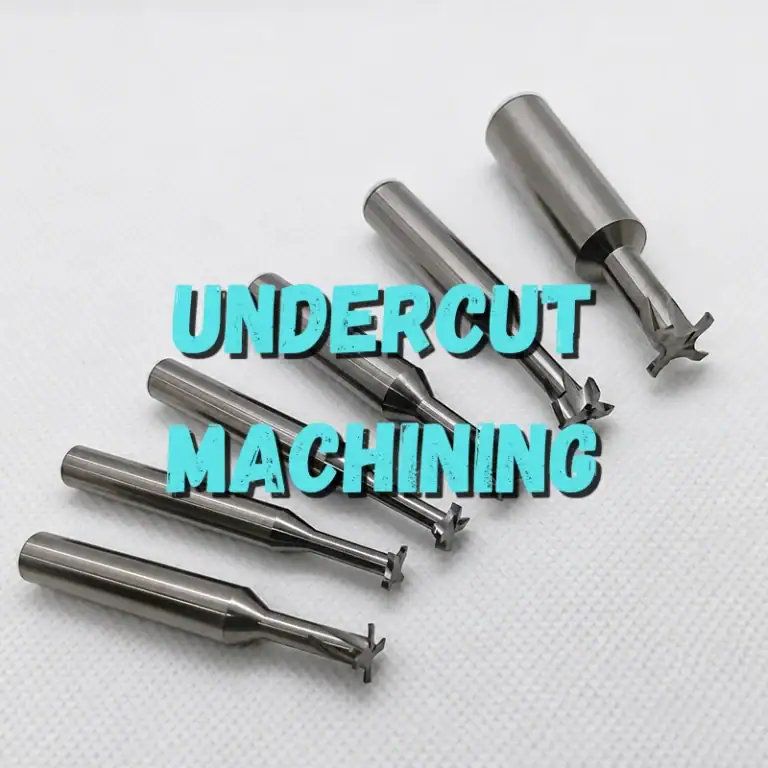
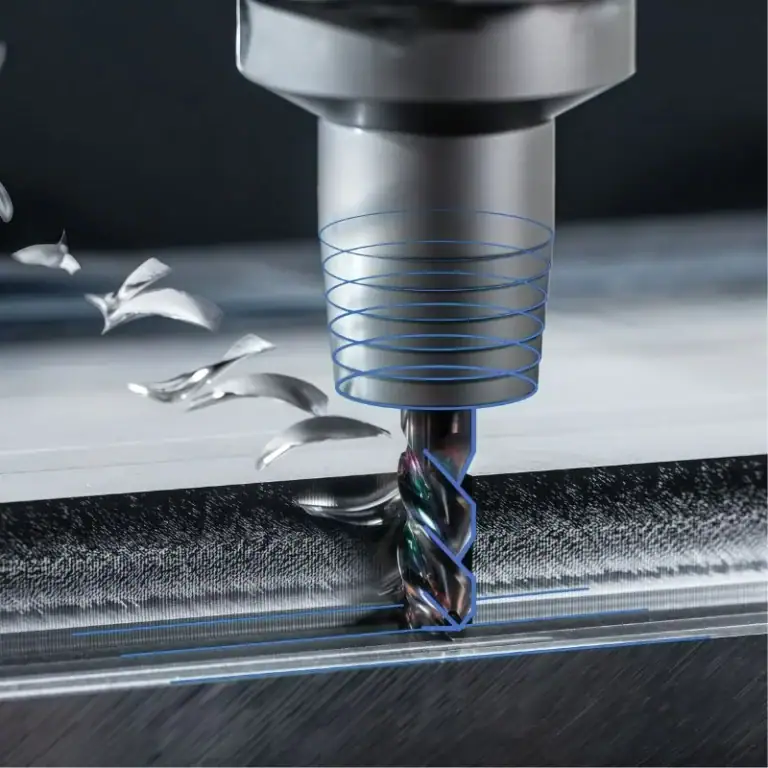
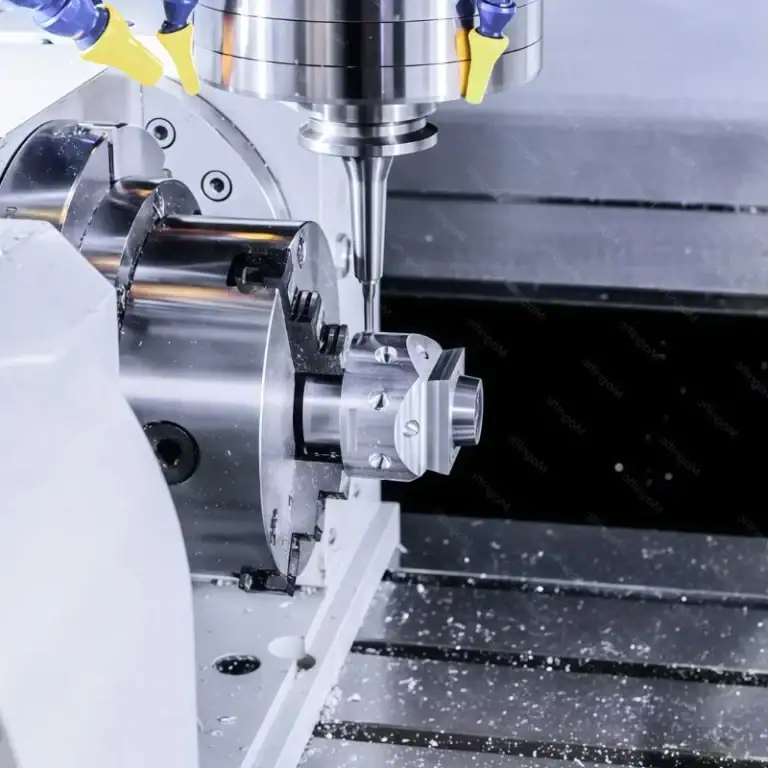
CNC Turning technology is a fundamental machining process and an essential part of modern manufacturing systems. Whether in conventional lathe operations or CNC turning production, machining quality depends on the coordinated control of multiple core factors. Tool selection, cutting parameter settings, machine stability, workpiece clamping methods, and precision control all directly affect production efficiency and part quality. Understanding the core points of turning technology helps improve machining capability, optimize process flow, and reduce manufacturing costs.
Tool Selection Is an Important Foundation of Turning Technology
Tool performance directly determines cutting efficiency, machining quality, and tool life. Different materials and part structures require different cutting tools, and proper tool selection is necessary to ensure stable turning operations.
Tool Material Affects Cutting Performance
Tool material is one of the most important basic conditions in turning. Different materials determine wear resistance, heat resistance, and cutting capability. High-speed steel tools are suitable for general machining applications and are widely used in small-batch production because of their good toughness and relatively low cost. Carbide tools are more suitable for high-efficiency cutting and perform well in machining steel and stainless steel. Coated tools provide stronger wear resistance and high-temperature performance, making them suitable for precision machining and difficult-to-cut materials. Tool material selection influences machining stability, surface roughness, dimensional consistency, and tool life. If the tool material does not match the workpiece material, cutting temperature may increase, tool wear may accelerate, and machining quality may decline. For this reason, tool material selection is a critical foundation for stable turning processes.
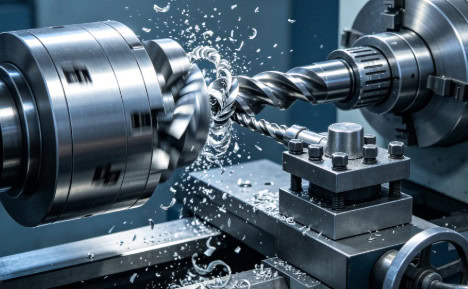
Tool Geometry Requires Proper Matching
Tool geometry such as rake angle, clearance angle, lead angle, and nose radius affects cutting force, chip evacuation, and surface finish. Proper rake angles can reduce cutting resistance and improve material removal, while clearance angles influence friction between tool and workpiece. Nose radius affects both tool strength and surface quality. Different machining stages require different geometry settings. Rough machining emphasizes cutting capacity, while finish machining places greater importance on dimensional accuracy and surface quality. If geometry is poorly designed, vibration, burr formation, or dimensional errors may occur. Optimizing tool geometry according to material properties and machining requirements helps improve process stability.
Tool Usage Management Requires Attention
Tool management is not limited to selection and also involves process control.
- Tool wear monitoring helps identify performance changes early and prevents part quality problems caused by tool failure.
- Tool life management supports proper tool replacement scheduling and improves production stability.
- Tool inventory management reduces interruption risk and supports continuous machining capability.
These control methods help maintain stable tool performance and support consistent quality in batch production.
Cutting Parameter Control Determines Machining Quality
Cutting parameters are among the most critical elements in turning technology, and different parameter combinations directly affect material removal efficiency, dimensional accuracy, and surface finish.
Cutting Speed Must Match Material Characteristics
Excessively high cutting speed may increase tool wear and cutting temperature, while overly low cutting speed may reduce efficiency. Different materials require different cutting speeds. Steel machining focuses on stable cutting conditions, stainless steel often requires heat control, and aluminum alloys can support relatively higher cutting speeds. Cutting speed also influences cutting force and chip flow behavior. In actual production, cutting speed must be coordinated with feed rate and depth of cut rather than set independently. Proper cutting speed improves efficiency, supports surface quality, and helps maintain stable machining conditions.
Feed Rate Influences Surface Quality
Feed rate directly affects tool marks, cutting efficiency, and surface roughness. Rough machining often uses larger feed rates to increase productivity, while finish machining uses lower feed rates to improve surface quality and dimensional control. Excessive feed may create visible marks and increase cutting load, while too little feed may reduce efficiency. Feed optimization is therefore a critical part of turning process control.
Depth of Cut Requires Balance Between Efficiency and Stability
Depth of cut control requires balancing productivity and process stability.
- Larger depth of cut increases material removal efficiency but also increases cutting load.
- Smaller depth of cut may improve stability but can reduce productivity.
- Proper depth settings create a balance between efficiency and tool life.
This balance is essential for achieving high-quality turning performance.
Machine Stability Affects Turning Accuracy
Machine condition has a direct effect on process stability. Insufficient rigidity, spindle accuracy loss, or guideway errors can all influence dimensional consistency.
Spindle Accuracy Relates to Machining Quality
Spindle accuracy determines rotational stability and influences roundness, concentricity, and surface quality. If spindle runout exists, abnormal surface patterns and dimensional deviation may occur. High-precision machining environments require very stable spindle performance because even small errors can affect final part quality. Bearing condition, lubrication performance, and long-term wear all affect spindle accuracy. For this reason, spindle control is a critical foundation in turning technology.
Machine Rigidity Influences Cutting Stability
Machine rigidity determines the equipment’s ability to resist changing cutting forces and maintain process stability. High-rigidity machines help suppress vibration, improve heavy cutting performance, and enhance surface finish. For complex components or heavy-load machining tasks, insufficient rigidity can cause chatter, dimensional variation, and abnormal tool wear. Structural design, guideway systems, and machine bed strength all affect rigidity. Improving rigidity supports both stable machining and higher productivity.
Equipment Maintenance Management Requires Focus
Stable machine performance depends on maintenance support.
- Guideway lubrication management helps maintain movement accuracy.
- Spindle condition inspection reduces the risk of machine errors.
- Periodic maintenance extends machine life and improves process stability.
Effective maintenance supports long-term stable turning operations.
Workpiece Clamping Affects Safety and Accuracy
Clamping methods affect not only positioning accuracy but also machining safety. Improper clamping may cause displacement, vibration, or even machining accidents.
Positioning Accuracy Influences Dimensional Consistency
Accurate positioning is necessary to maintain stable machining references. For precision parts, clamping errors can transfer directly to final dimensions. Positioning methods should be selected according to part structure, fixture type, and machining tasks. Stable positioning is important for both single-part quality and batch consistency.
Clamping Force Must Be Properly Controlled
Clamping force directly affects workpiece stability and deformation risk. If force is too low, the part may loosen during cutting. If force is too high, thin-wall parts may deform. Different materials and structures require different clamping force levels. Proper control improves both stability and quality.
Clamping Optimization Can Improve Machining Performance
Optimized clamping design can improve overall machining results.
- Dedicated fixtures improve positioning efficiency and repeatability.
- Multi-point support helps reduce vibration issues.
- Clamping optimization for complex parts improves process stability.
Clamping optimization is often an important step in improving turning quality.
Precision Control and Process Optimization Drive Turning Improvement
Modern turning focuses not only on basic machining but also on process optimization and precision improvement.
Dimensional Accuracy Requires Full Process Control
Dimensional accuracy is not only a final inspection issue but a full-process control task. Tool condition, parameter variation, machine error, and temperature can all contribute to dimensional deviation. Full-process control combines setup verification, in-process monitoring, and final inspection to reduce accumulated errors and improve consistency.
Surface Quality Optimization Affects Part Performance
Surface roughness affects not only appearance but also friction performance, fit quality, and service life. Poor surface quality may accelerate wear or affect assembly. Through tool parameter adjustment, cutting condition optimization, and stable machine performance, surface quality can be effectively improved.
Process Optimization Includes Several Key Actions
Process optimization is an important path for continuously improving machining capability.
- Toolpath optimization helps improve machining efficiency.
- Parameter optimization improves quality stability.
- In-process measurement improves control capability.
These measures support the continuous upgrading of turning technology.
Conclusion
The core points of turning technology lie in the coordinated control of tool selection, cutting parameters, machine stability, workpiece clamping, and precision optimization. Every link influences final machining results, and weak control in any detail can affect efficiency and quality. As CNC machining and intelligent manufacturing continue to develop, the requirements for these core points continue to rise. Deep understanding and ongoing optimization of these key elements remain essential for improving turning process capability.