Industrial equipment may run for more than a decade before a critical component suddenly fails. The problem is that the original manufacturer may have discontinued the part, and finding a suitable replacement on the market can be difficult. Replacing the entire machine is expensive, while waiting for original parts can delay production. Fortunately, obsolete components do not necessarily mean the end of a machine’s service life. Through physical measurement, structural reconstruction, and CNC machining, replacement parts can be manufactured to meet the equipment’s requirements. For factories that rely on long-term equipment operation, this approach helps reduce downtime and extend the service life of existing machinery.
Why Do Obsolete Industrial Equipment Parts Need Replication?
Parts used in older industrial equipment are not always standard components. Many were custom-made for specific machines, and their original drawings may have been lost over time. Some dimensions may also have changed due to wear. Simply replacing a damaged component with something that looks similar can lead to installation problems or unstable operation. The purpose of part replication is to restore the original structure and functional performance as closely as possible.

Original Parts Are Discontinued and Difficult to Find
Some imported machines and older industrial systems are no longer supported by their original manufacturers. Even if a similar component is available on the market, it may not meet the machine’s installation requirements.
- Non-standard connectors, drive shafts, and mounting bases are often difficult to replace with off-the-shelf parts.
- Older equipment may use unique dimensions that are incompatible with standard replacement components.
- Waiting for original parts to be manufactured or imported can interrupt an entire production line.
Replicating Parts Can Reduce Equipment Replacement Costs
A machine may stop working because of just one damaged component, yet replacing the entire unit can require a substantial investment. CNC machining makes it possible to manufacture a replacement part while keeping the existing equipment structure in service, helping avoid unnecessary expenses.
Older Equipment Requires Accurate Structural Matching
Replication is not simply about making a component that looks like the original. Hole positions, fitting clearances, mounting dimensions, and load-bearing structures all need attention. This is particularly important for transmission, positioning, and sealing components, where even small dimensional differences can affect machine performance.
What Are the Main Steps in Replicating Obsolete Industrial Equipment Parts?
The absence of original drawings does not make machining impossible. In many cases, the existing component can serve as the main reference for reconstructing its structure, dimensions, and manufacturing requirements. The more complicated the part, the more important accurate measurement and process planning become. Starting machining before these details are clear can lead to costly rework.
Physical Measurement and Dimensional Reconstruction
An existing component is an important reference for replication. Technicians can use calipers, micrometers, coordinate measuring machines, and other inspection tools to record critical dimensions and geometric features. If the part is worn, it is also necessary to distinguish between its original design dimensions and changes caused by long-term use. Otherwise, worn dimensions may mistakenly be treated as the correct manufacturing specifications.
Structural Analysis and CNC Machining Process Planning
After measurement, the next step is to determine the material, machining methods, and workholding strategy. Different structures require different processes. The following table shows common approaches for obsolete industrial components.
| Obsolete Part Type | Common Machining Processes | Key Requirements |
| Drive shafts and connecting shafts | CNC turning, milling, grinding | Concentricity, shaft diameter, fitting accuracy |
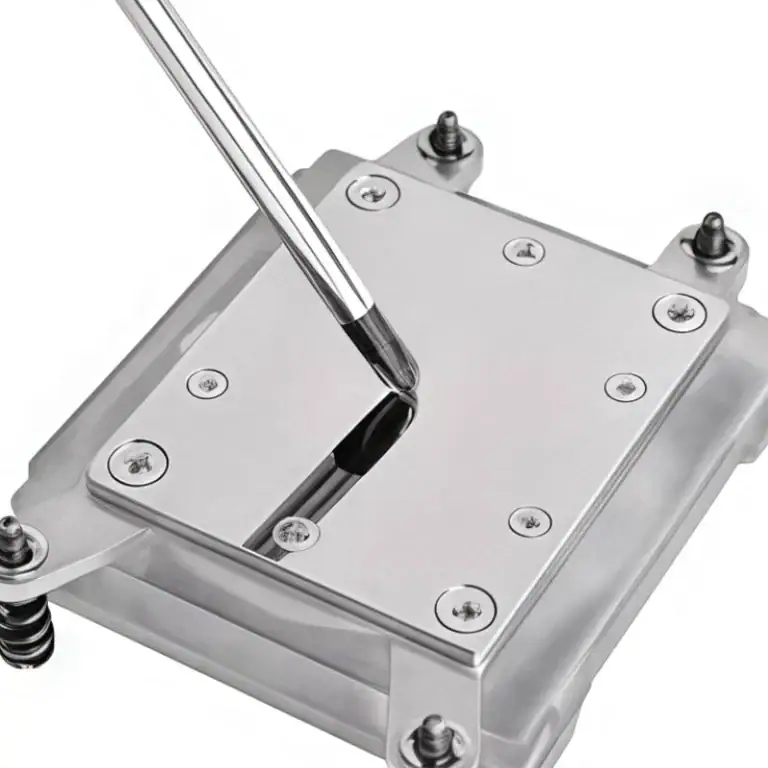
| Equipment mounting bases | CNC milling, drilling, tapping | Hole positions, flatness, mounting dimensions |
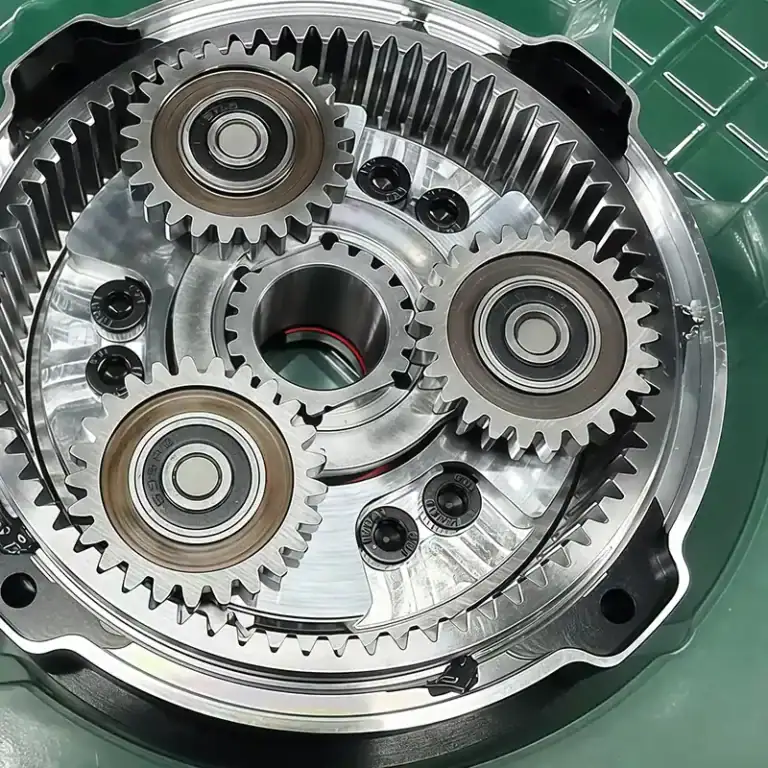
| Gears and transmission components | CNC milling, gear hobbing, and related processes | Tooth profile, pitch, meshing accuracy |
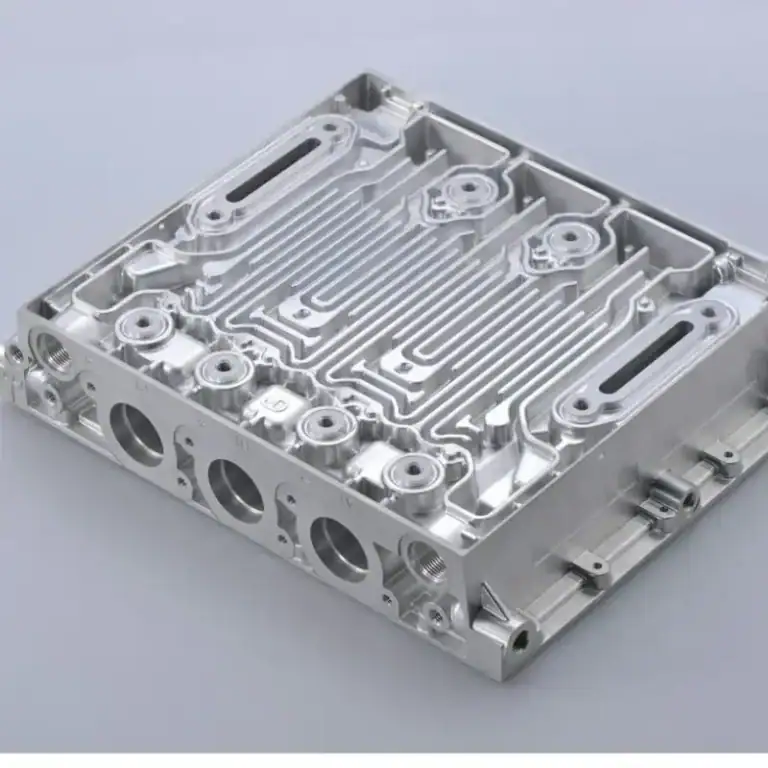
| Valve bodies and pump housings | CNC milling, boring | Internal passages, sealing surfaces, hole diameters |
Process planning should consider not only machining speed but also whether the finished component will function correctly after installation. Parts with complex holes, curved surfaces, or multiple mounting faces may require several machining operations to maintain dimensional relationships between different features.
Inspection and Correction After CNC Machining
Once machining is complete, the finished part needs to be checked against the required dimensions. For rotating components, concentricity, runout, and surface condition are particularly important. Sealing components also require inspection of their contact surfaces to ensure proper flatness. Identifying and correcting dimensional deviations before installation is much easier than removing the part again after the machine has been assembled.
Which Industrial Equipment Parts Are Suitable for CNC Replication?
CNC machining is suitable for producing metal components with complex structures and clearly defined dimensional requirements. It is especially useful for non-standard parts that have been discontinued and are difficult to source. However, the replication process should be selected according to the component’s function rather than applying the same machining method to every part.
Industrial Machinery Transmission and Connection Components
Drive shafts, couplings, bushings, and gear mounting bases are commonly found in older industrial machinery. These parts often require accurate dimensional fits and rotational precision. CNC turning, milling, and grinding can be used to reproduce their critical features.
- Shaft components require accurate control of diameter, length, and concentricity to reduce vibration during operation.
- Connectors need properly reproduced threads, hole spacing, and mounting positions to prevent assembly problems.
- For severely worn components, material selection and surface treatment can also be reconsidered during the replication process.
Pump, Valve, and Fluid Equipment Components
Pump housings, valve bodies, end covers, and sealing seats may contain multiple passages, grooves, and irregular structures. During machining, special attention must be paid to the position and dimensions of internal passages. Reproducing only the external shape is not enough, as incorrect internal features can cause abnormal flow or sealing problems.
Custom Structural Components for Automated Production Equipment
Older automated machines often contain guide blocks, positioning bases, fixtures, and mounting brackets designed specifically for their original structures. CNC machining can reproduce these non-standard components while retaining the existing installation method, reducing the need to redesign an entire mechanism.
How Can CNC Machining Ensure the Quality of Replicated Industrial Parts?
The quality of a replicated component is not determined by how closely it resembles the original in appearance. What really matters is whether its mounting dimensions, material properties, and operating performance meet the equipment’s requirements. Providing complete information before machining can make communication and production more efficient.

What Information Is Needed for Obsolete Part Replication?
Even without complete engineering drawings, machining can often begin with the original component and basic equipment information. The following details help machining technicians understand the part’s requirements more quickly:
- A physical sample of the original component, preferably one that is complete and not severely damaged.
- Key dimensions, including overall length, width, height, hole diameters, threads, and fitting dimensions.
- The equipment name, installation position, and specific function of the component.
- Original material information, operating environment, and expected loads during use.
How Material Selection Affects Component Service Life?
Material selection should not be based on price alone. Temperature, friction, pressure, and corrosion conditions during equipment operation also need to be considered. Common materials and their typical applications are listed below.
| Machining Material | Main Characteristics | Typical Applications |
| Aluminum alloy | Lightweight and relatively easy to machine | Brackets, housings, mounting bases |
| Stainless steel | Good corrosion resistance and high strength | Pump and valve components, connectors |
| Alloy steel | Good strength and wear resistance | Drive shafts, gear components |
| Engineering plastics | Lightweight, with good wear resistance in selected grades | Guide blocks, insulating components |
Material selection should reflect the original component’s working conditions. Even when a replacement part matches the original dimensions, a significant change in material properties may affect its load-bearing capacity and operating stability.
Reduce Assembly Risks Through Critical Dimension Inspection
After replication, important dimensions must be inspected, particularly mounting holes, shaft diameters, flat surfaces, and sealing positions. For batch production, machining references and inspection standards should remain consistent to prevent noticeable differences between individual components.
Replicating obsolete industrial equipment parts is not just about solving the problem of unavailable spare parts. It is about restoring existing machinery to reliable working condition. Through physical measurement, material selection, process planning, and precision inspection, replacement components can often be manufactured even when original drawings are unavailable. TIRAPID provides custom CNC machining services and develops machining solutions based on physical samples, drawings, and technical requirements for industrial equipment components. Contact us to discuss your obsolete part replication needs.