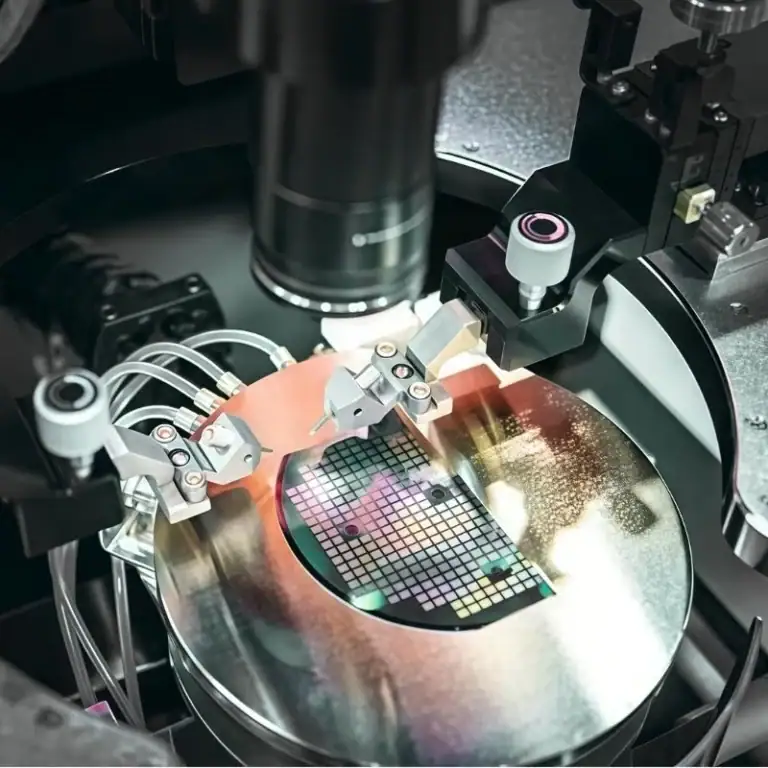
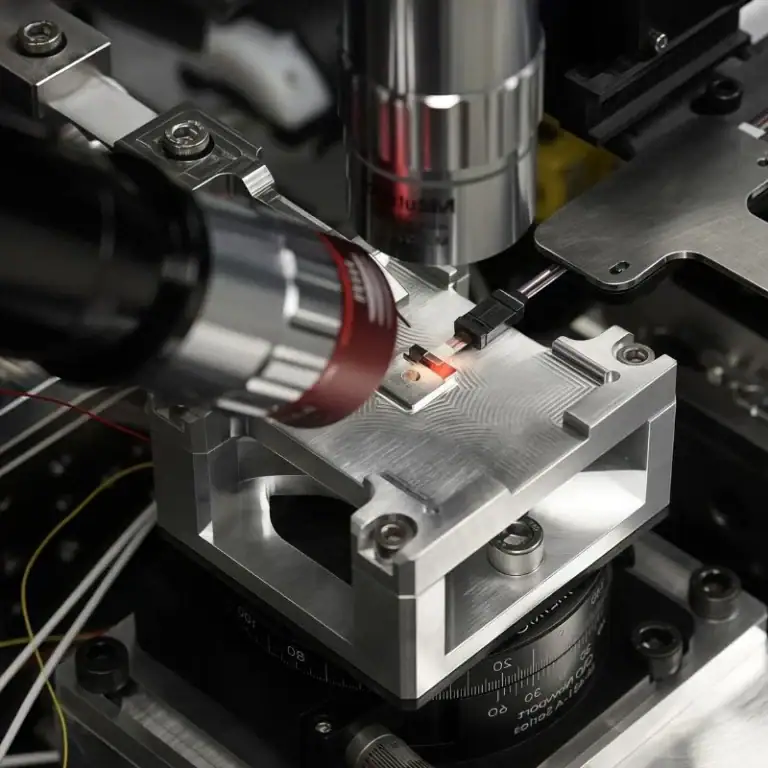
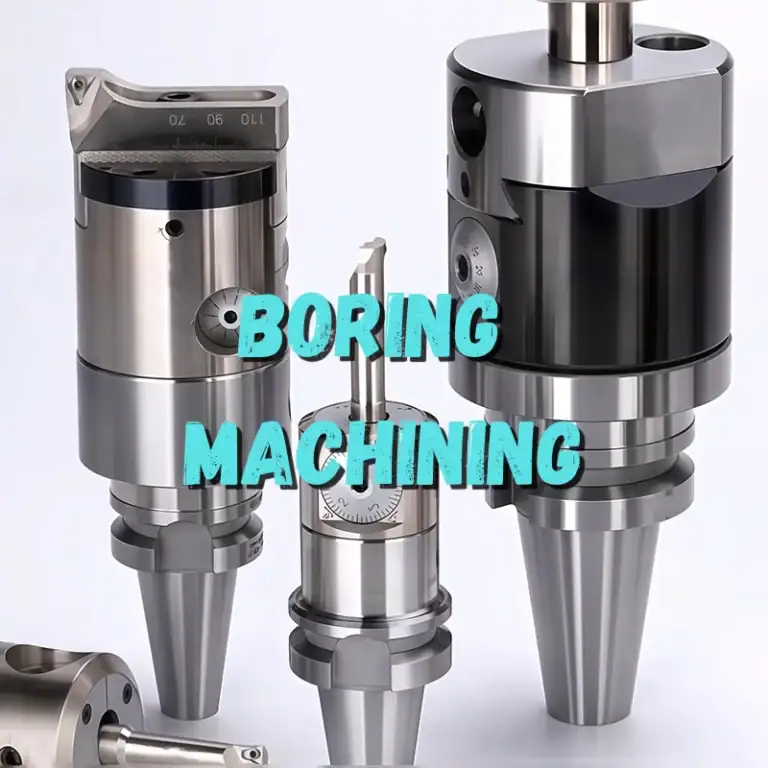
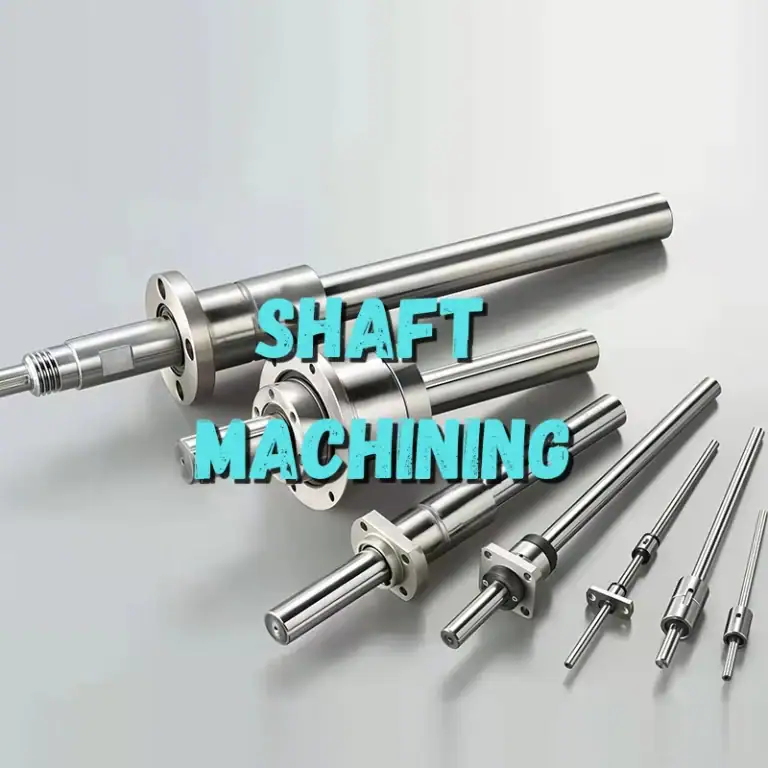
In the field of CNC plastics machining, acetal (POM, also often called acetal or Delrin) and PEEK (polyetheretherketone) are both very common engineering plastics, but their applications are completely different. Furthermore, the two materials differ significantly in temperature resistance, mechanical properties, processing difficulty, and application industries. POM is known for its low friction, ease of processing, and dimensional stability, while PEEK is known for its high temperature resistance, corrosion resistance, and high strength. POM is commonly used in common mechanical structural parts such as gears, sliders, and clamps, while PEEK is widely used in high-end industries such as medical, semiconductor, and aerospace.
What are acetal and PEEK respectively?
What type of material is acetal (POM)?
Acetal (POM) is a highly crystalline engineering plastic with good wear resistance, low coefficient of friction, and dimensional stability. Its biggest characteristic is its “processability.” In CNC machining, POM cuts very smoothly, is less prone to tool sticking, and produces a relatively smooth surface, making it a preferred choice for many mechanical parts. Common applications include gears, guideways, pulleys, bushings, precision fixtures, and parts for automated equipment. POM has low water absorption and minimal dimensional change, making it ideal for precision structural components. However, its high-temperature resistance is limited, with long-term operating temperatures typically around 90℃.
Why is PEEK called a high-performance plastic?
PEEK is a special engineering plastic. Its biggest advantages are: high-temperature resistance; corrosion resistance; high strength; and strong long-term stability.
PEEK can operate continuously at temperatures up to approximately 250℃. This means that it can maintain stable performance even under long-term exposure to high temperatures, high pressures, and chemically corrosive environments.
Therefore, PEEK is commonly used in:
- Medical implants
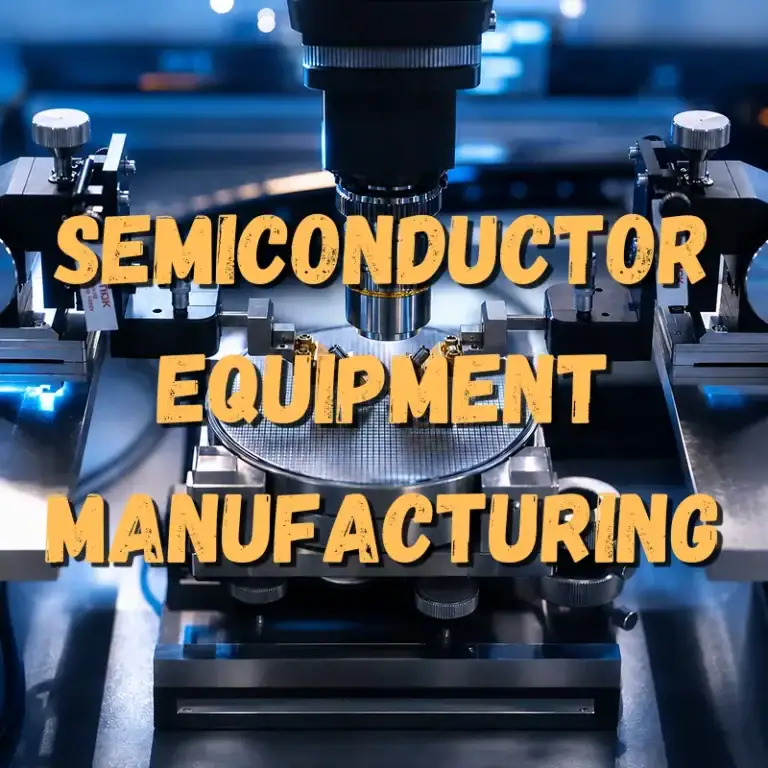
- Semiconductor equipment
- Aerospace structural components
- Chemical sealing components
- High-temperature insulating components
Compared to POM, PEEK is significantly more expensive, but its performance is also significantly superior.
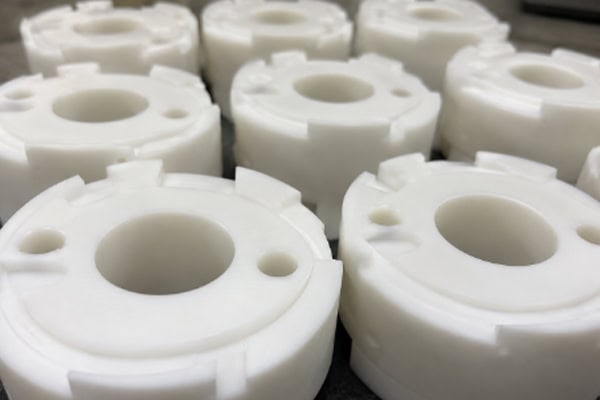
How are these two materials machined in CNC machining?
POM Machining Flow
POM is a plastic “very suitable for machining”.
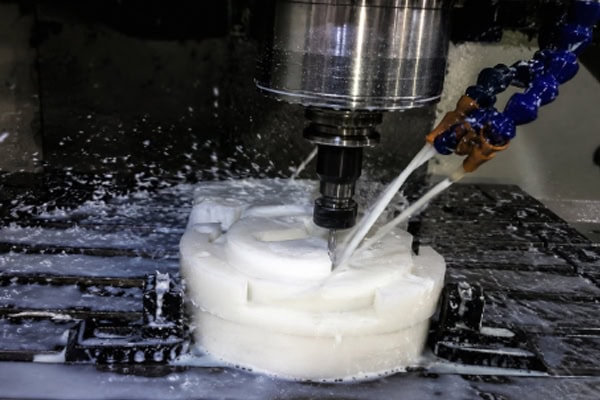
General machining flow: Material blanking – CNC roughing – finishing – deburring – dimensional inspection
Due to POM’s low cutting resistance, tool wear is low; machining speed is high; and the surface finish is easy to achieve.
Many ordinary three-axis machine tools can machine it stably. However, it should be noted that POM will slightly deform when heated, so heat dissipation and cooling are important during prolonged high-speed cutting.
PEEK process flow
Although PEEK has strong performance, its machining difficulty is significantly higher than POM.
Because PEEK has: higher hardness; more concentrated heat; and faster tool wear.
Machining typically requires: high-hardness tools, more stable fixtures, more reasonable cutting parameters, and staged machining.
Especially in high-precision parts, many manufacturers add “annealing treatment” to release internal stress and reduce later deformation. If the machining parameters are not reasonable, it may also result in: dimensional drift, surface whitening, increased burrs, and thermal deformation. Therefore, PEEK requires more CNC experience.
What is the key difference between POM and PEEK?
Significant difference in temperature resistance
This is the biggest difference between the two materials.
POM typically has a long-term temperature resistance of only around 90℃, while PEEK can withstand long-term operating temperatures up to 250℃.
Therefore: Ordinary mechanical structures → POM is sufficient. High-temperature industrial equipment → PEEK is essential.
The processing costs differ
POM has low cost and high processing efficiency.
PEEK is a high-priced material: expensive raw materials; long processing time; high tool consumption.
Therefore, for the same part, the processing cost of PEEK can be several times or even ten times that of POM.
Different wear and corrosion resistance
POM already has good wear resistance.However, PEEK is stronger in high-temperature wear, chemical corrosion, and long-term stability.Especially in the chemical, medical, and semiconductor industries, PEEK has a significant advantage.
Frequently Asked Questions
Can POM directly replace PEEK?
The answer is: Yes, in normal environments, but not recommended in extreme environments.If the product operates at low temperatures, is not subject to strong corrosion, and does not require prolonged high loads, then POM is perfectly adequate and more cost-effective.However, if the product is exposed to high temperatures, strong acids or alkalis, medical environments, or cleanroom environments suitable for semiconductor manufacturing, then PEEK is more reliable.
In conclusion
In CNC plastic machining, acetal (POM) and PEEK represent two different directions. POM is more like a “practical choice”: low cost; easy to process; stable precision; suitable for mass production of mechanical parts. PEEK, on the other hand, is more like a “high-performance choice”: high temperature resistance; corrosion resistance; high strength; suitable for extreme industrial environments. For ordinary automated equipment, sliding structures, and gear-like products, POM is usually sufficient; however, if the product requires long-term high-temperature operation or extremely high stability requirements, then PEEK is more suitable.