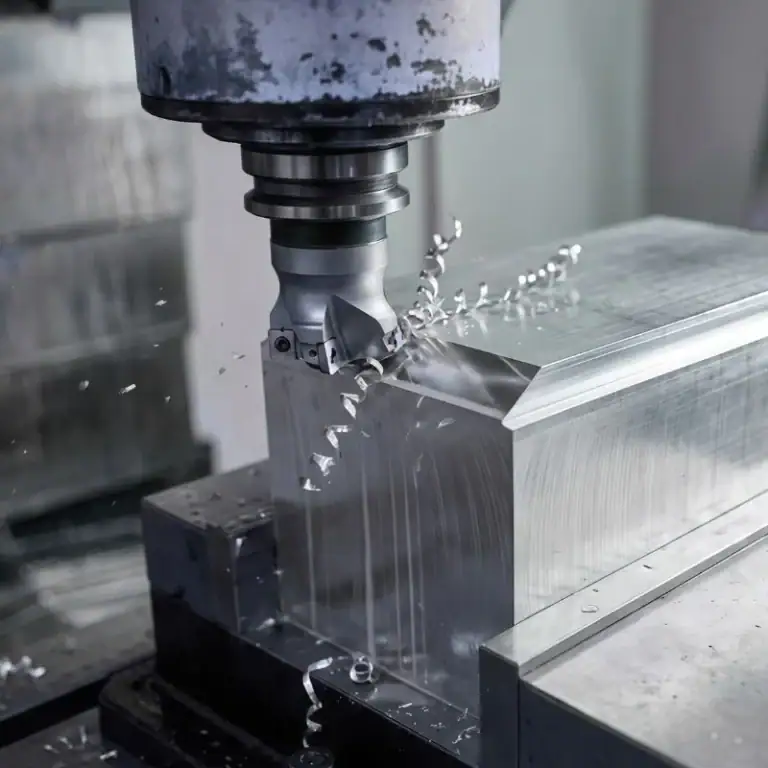
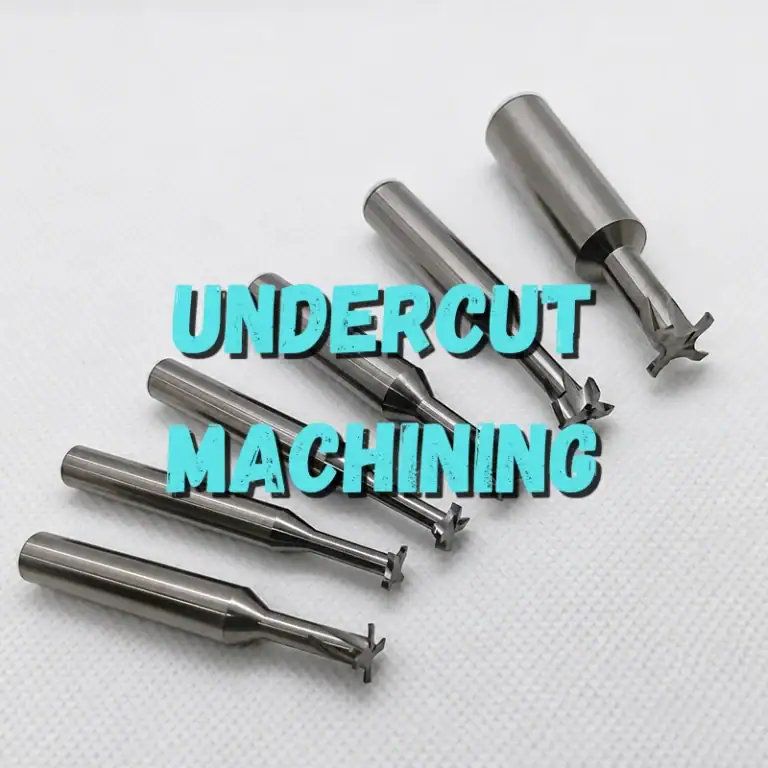
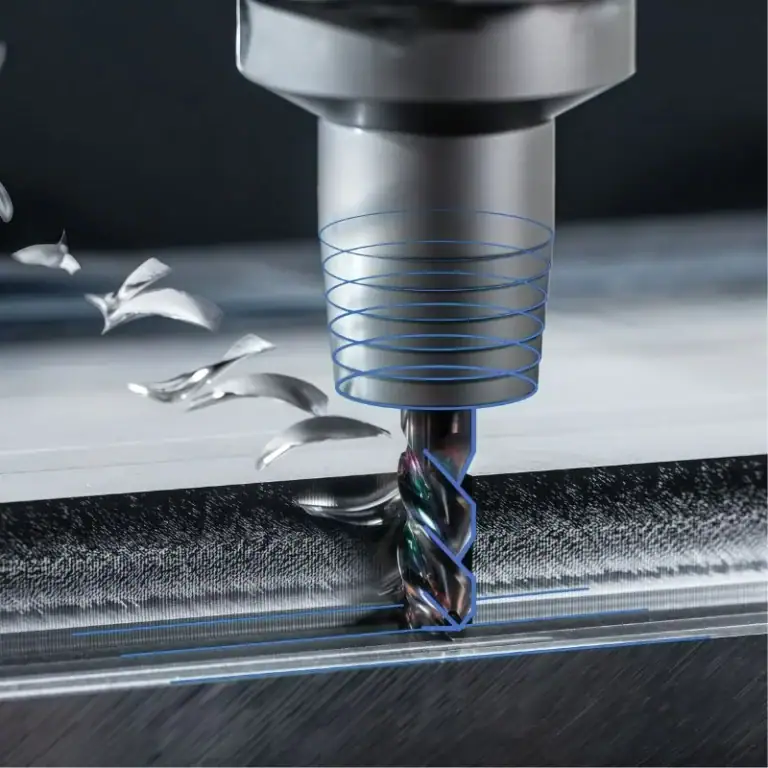
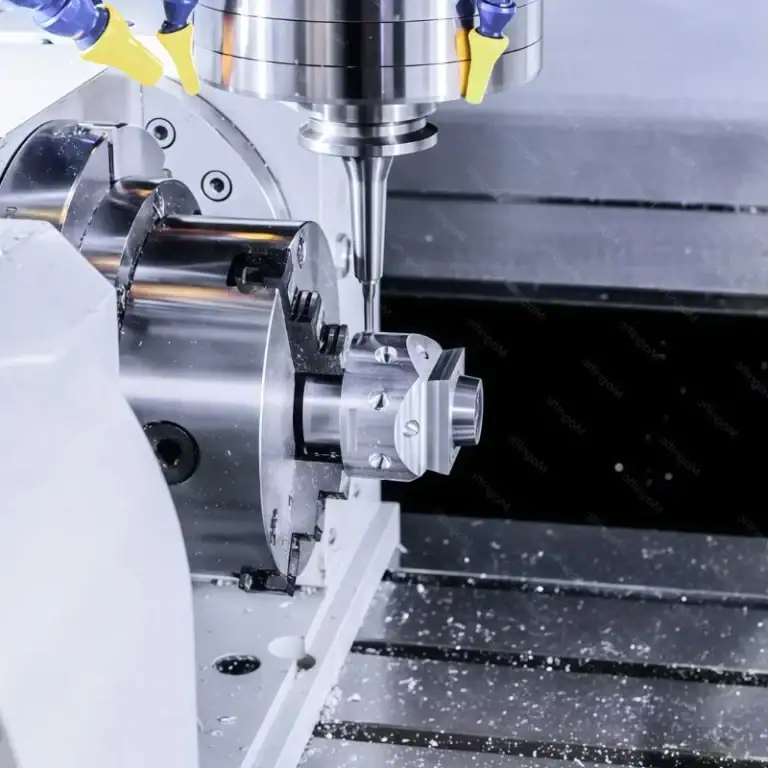
CNC Turning technology is one of the most widely used processes in mechanical machining and plays an important role in modern manufacturing systems. Through the coordinated movement of rotating workpieces and cutting tool feed, turning removes material and forms precise component structures. It is widely used in machinery manufacturing, automotive parts production, aerospace machining, mold processing, and precision equipment manufacturing. Because different part structures, machining requirements, and production models require different processing methods, turning technology has developed into several basic types. Understanding the basic types of turning technology helps improve process selection, production efficiency, and machining quality.
External Turning Is a Fundamental Application Type
External turning is one of the most common turning methods and is mainly used to machine the outer cylindrical surfaces of workpieces. It is also the starting point for many turning operations. As a fundamental process type, external turning not only performs large amounts of material removal but also supports dimensional correction, surface quality improvement, and contour formation. In both conventional lathes and CNC equipment, this process is used frequently. As machining requirements have evolved, external turning has expanded from simple cylindrical machining into stepped structures, profile features, and high-precision outer surface processing. It is suitable not only for standard shaft components but also for complex mechanical assemblies, making it a core process in modern manufacturing.
Standard External Turning Has Broad Applications
Standard external turning is mainly used to machine cylindrical structures with consistent diameters, such as shafts, sleeves, and connecting components. This machining method is mature, efficient, and suitable for both batch production and single-part manufacturing. Through proper toolpath control and cutting parameter settings, stable dimensional accuracy and reliable surface quality can be achieved. For this reason, standard external turning remains widely used in mechanical manufacturing. It also often serves as a foundational process for more complex machining tasks, creating suitable conditions for later finishing operations.
Stepped External Turning Is Suitable for Complex Structures
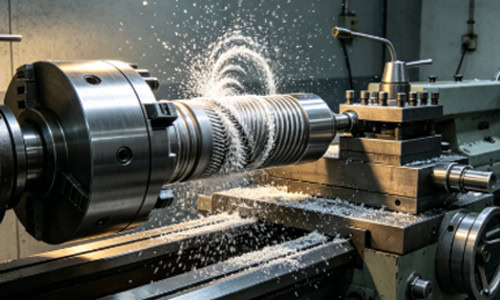
Stepped external turning is used for workpieces with multiple diameter changes, such as multi-stage shafts. During machining, step dimensions, transition positions, and concentricity must all be controlled. Because the structure is more complex than simple cylindrical machining, programming and toolpath control requirements are higher. This type is commonly used in precision machining and in transmission components, machine shafts, and equipment connection structures where dimensional consistency and structural integrity are important.
Key Characteristics of External Turning Include Several Important Points
Before identifying the main characteristics, it is important to recognize that external turning is valued not only for its simplicity but also for its flexibility and efficiency in industrial production.
- High machining efficiency makes it suitable for significant material removal tasks while maintaining process stability.
- Mature process characteristics make it suitable for a wide range of cylindrical part production across industries.
- Through finishing control, relatively high dimensional accuracy and surface quality can be achieved.
These characteristics make external turning one of the most important basic types of turning technology and help explain why it remains central to industrial machining.
Internal Turning Is Used for Hole Machining
Internal turning is mainly used for machining internal hole structures and is an important process in many precision components. Compared with external turning, internal turning often presents greater difficulty because tool working space is limited and chip removal conditions are more complex. This type is widely used in bearing bores, hydraulic cylinder holes, sleeve structures, and precision mechanical components. As precision requirements continue increasing, internal turning has become even more important in CNC machining, especially in high-accuracy and functional component manufacturing.
Boring Is a Common Internal Turning Type
Boring is mainly used to enlarge existing holes, correct hole dimensions, or improve hole precision. Through boring tools, hole roundness, concentricity, and surface quality can be improved. This type is commonly used in bearing housings, hydraulic parts, and precision hole machining tasks. Boring can also support hole system correction and structural adjustment, providing process flexibility in complex part manufacturing.
Internal Hole Finishing Requires Higher Control
Internal hole finishing is used for components with strict tolerance requirements and requires higher tool stability and machine precision. Because internal space is limited, cutting conditions are often more complex than external machining. Proper parameter control and chip evacuation management are therefore critical. Through controlled process management, internal hole finishing supports high-precision assembly requirements and improves component performance.
Important Characteristics of Internal Turning Should Be Considered
Internal turning has a wide application range and several important characteristics.
- It is highly suitable for precision hole structure machining in demanding industrial applications.
- It places higher demands on tool rigidity and machine stability than many other turning processes.
- It is widely used in precision mechanical and hydraulic components where internal accuracy is critical.
These characteristics show the importance of internal turning in turning technology and explain its value in precision manufacturing.
Facing Is Used for Flat Surface Machining
Facing is mainly used to machine the end surfaces of workpieces and is important for ensuring assembly references and structural dimensions. Although the geometry appears simple, its function in machining processes is significant. Many parts require facing early in production to establish reference surfaces, while finishing stages often use facing to improve flatness and perpendicularity. Facing is widely used in shafts, disks, and connection structures and has direct influence on assembly quality and overall machining accuracy.
Flat Facing Is Widely Used
Flat facing is used to machine surfaces perpendicular to the workpiece axis, with the goal of creating smooth surfaces and meeting assembly requirements. This operation appears in many component production processes and serves as a basic machining step. It also often provides a reference for later drilling or boring operations.
Finish Facing Affects Assembly Accuracy
Finish facing improves flatness and surface finish beyond standard facing. For components requiring precise fits, end surface quality directly affects assembly results. By optimizing cutting parameters and tool paths, facing quality can be further improved to support higher-precision manufacturing.
Facing Has Several Typical Characteristics
Facing may appear simple, but it has important process functions.
- It helps establish stable machining references for later operations.
- It supports assembly surface accuracy and improves structural fit.
- It can be integrated with other processes to form complete machining sequences.
These characteristics make facing a common and essential turning type in industrial production.
Thread Turning Is Used for Functional Structures
Thread turning is mainly used for machining internal and external threads and is widely applied in connection, transmission, and fastening component manufacturing. Compared with ordinary dimensional machining, thread turning places greater emphasis on synchronized control and profile accuracy because pitch or profile errors can affect function. This type supports not only standard threads but also special thread forms, making it important in machinery, transmission systems, and precision connection structures. With improved CNC control, thread turning stability and adaptability for complex structures continue to increase.
External Thread Turning Has Broad Use
External thread turning is used for shafts, connectors, and standard fastening structures. The process requires control of pitch, thread form, and surface quality. Through proper programming and synchronized control, high machining accuracy can be achieved. This type is widely used in standard part manufacturing and connection systems.
Internal Thread Turning Supports Complex Structures
Internal thread turning is often used in nut structures and internal connection holes. Compared with external thread turning, available tool space is smaller and stability requirements are higher. It is therefore used in more demanding machining scenarios. Through parameter optimization and path control, machining quality and functional reliability can be improved.
Thread Turning Includes Several Key Features
Thread machining is a basic type with distinct characteristics.
- It supports connection and transmission functional requirements in many mechanical systems.
- It places high demands on synchronized control and parameter matching.
- It supports both standard threads and specialized thread structures.
These features make thread turning one of the core processes in functional component manufacturing.
Form Turning and Special Turning Expand Machining Capability
As component structures become more complex, traditional turning methods cannot meet all requirements. Form turning and special turning have therefore become important supplementary types. These processes are used for complex contours, special angles, and composite structure components through form tools, specialized toolpaths, or dedicated machining methods. Compared with basic turning types, they require higher equipment capability, programming control, and process expertise, but they also significantly expand the application range of turning technology.
Form Turning Is Suitable for Complex Profiles
Form turning is used to machine curved surfaces, varying contours, and special structural components through form tools or programmed toolpaths. This method can reduce the number of operations while improving efficiency. It is especially suitable for repetitive manufacturing of complex parts.
Taper Turning Is a Common Special Type
Taper turning is used for tapered components and is common in connection and transmission structures. This type requires control of taper angle accuracy and dimensional stability, making toolpath control especially important. It is widely used in precision manufacturing.
Special Turning Types Have Important Application Characteristics
Special turning expands traditional process capability.
- It supports machining requirements for complex components that standard turning cannot easily achieve.
- It can improve efficiency in composite structure machining applications.
- It places higher demands on CNC programming and machine capability.
These characteristics have helped expand turning technology into advanced manufacturing applications.
Conclusion
The basic types of turning technology mainly include external turning, internal turning, facing, thread turning, and form or special turning. Different types are suitable for different structural features and machining goals, and each performs a specific process role. In modern manufacturing, these basic types remain foundational while also integrating with CNC systems and composite machining technologies to improve capability and expand applications. Understanding these basic types helps support better process planning and stronger manufacturing performance.