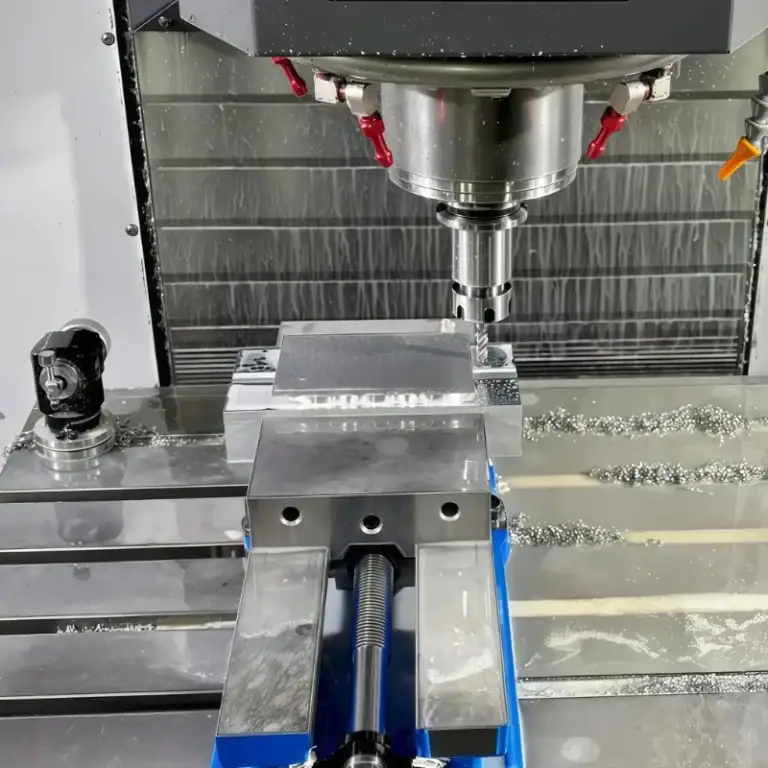
In modern manufacturing, the choice of machining method significantly affects product quality, production efficiency, and overall cost structure. CNC precision machining and ordinary machining differ fundamentally in control logic, machining accuracy, efficiency, and application scenarios. CNC machining relies on digital programming and automated equipment to achieve high-precision and stable production, while ordinary machining depends more on manual operation and operator experience. Understanding these differences helps companies make better technical decisions and improve manufacturing competitiveness.
Fundamental Differences in Control Methods
CNC Precision Machining: Program-Driven Automatic Control
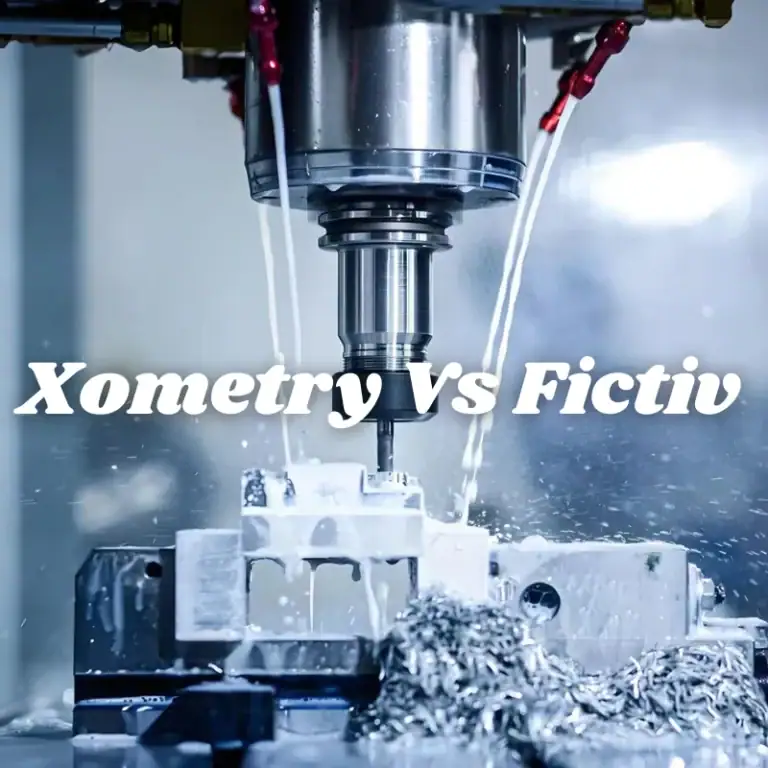
CNC precision machining is based on computer numerical control systems. Design data is converted into machining instructions through CAD/CAM software, and the machine tool executes operations automatically, enabling standardized and automated production.
Ordinary Machining: Manual Experience-Based Operation
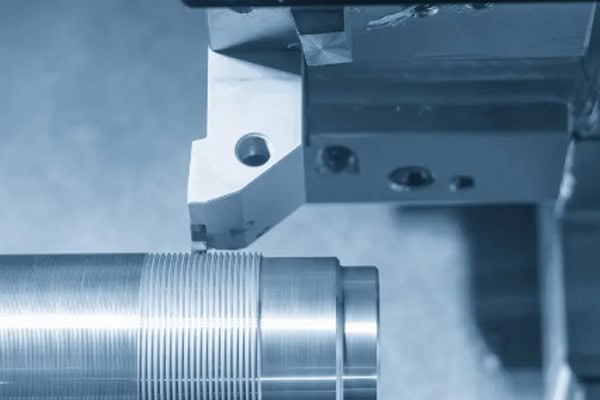
Ordinary machining relies heavily on operators manually controlling machine tools. Tool paths and machining parameters are adjusted based on experience, making the process more dependent on human skill and less stable overall.
Differences in Machining Accuracy and Efficiency
CNC Precision Machining: High Accuracy and Consistency
CNC machining can achieve micron-level precision or even higher. Since all operations are controlled by programs, batch consistency is extremely high.
- Stable precision with minimal human error
- Suitable for complex and high-precision parts
- Strong consistency in mass production
Ordinary Machining: Accuracy Fluctuation and Efficiency Limits
Ordinary machining is more dependent on manual operation, resulting in lower stability and efficiency.
- Accuracy varies depending on operator skill
- Frequent manual adjustments required
- Not suitable for complex precision manufacturing
Application Fields and Scope
CNC Precision Machining: Core Technology in High-End Manufacturing
CNC machining is widely used in aerospace, medical devices, high-end automotive components, and precision mold manufacturing.
- Aerospace engine components
- Medical implants and precision devices
- High-end molds and complex structural parts
Ordinary Machining: Basic Manufacturing Applications
Ordinary machining is mainly used for simple structures and low-precision requirements.
- Basic mechanical parts
- Small batch or temporary production
- Simple structural components
Cost Structure and Long-Term Value
CNC Precision Machining: Higher Initial Cost but Better Efficiency
Although CNC equipment requires higher initial investment, automation significantly reduces labor costs and waste, leading to better long-term economic benefits.
- Reduced labor dependency
- Higher production efficiency
- Lower long-term manufacturing costs
Ordinary Machining: Low Initial Cost but Higher Long-Term Variability
Ordinary machining has lower equipment costs but relies heavily on labor, resulting in lower efficiency and stability in large-scale production.
The fundamental difference between CNC precision machining and ordinary machining lies in “digital automated control” versus “manual experience-based control.” This determines their differences in precision, efficiency, and application scope. As manufacturing continues to move toward higher quality and efficiency, CNC precision machining is becoming the mainstream choice, offering better consistency and productivity while meeting complex production demands. In real-world applications, choosing a reliable machining partner is essential. Tirapid provides professional CNC precision machining solutions to help companies achieve more efficient and stable manufacturing upgrades.