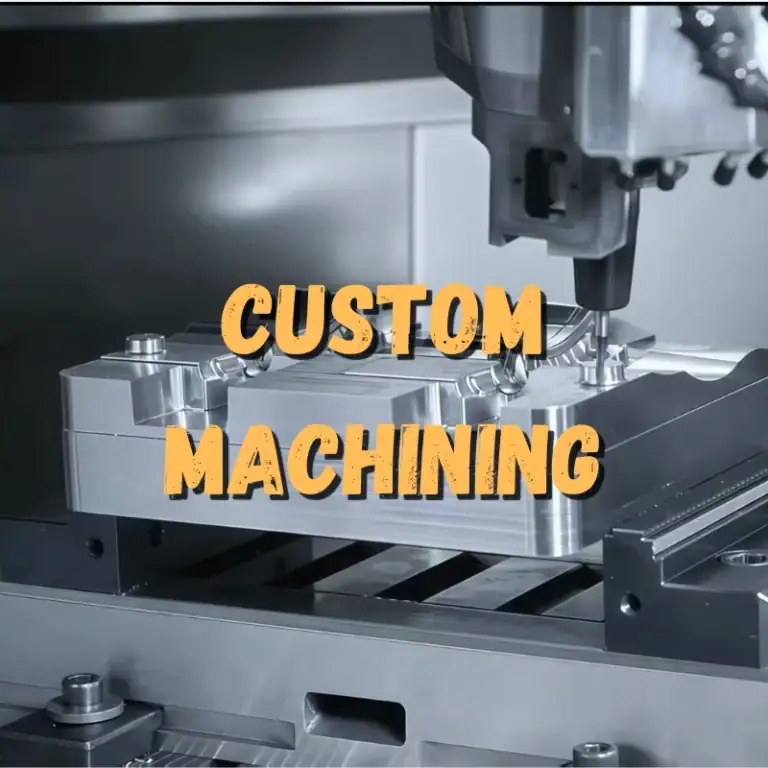
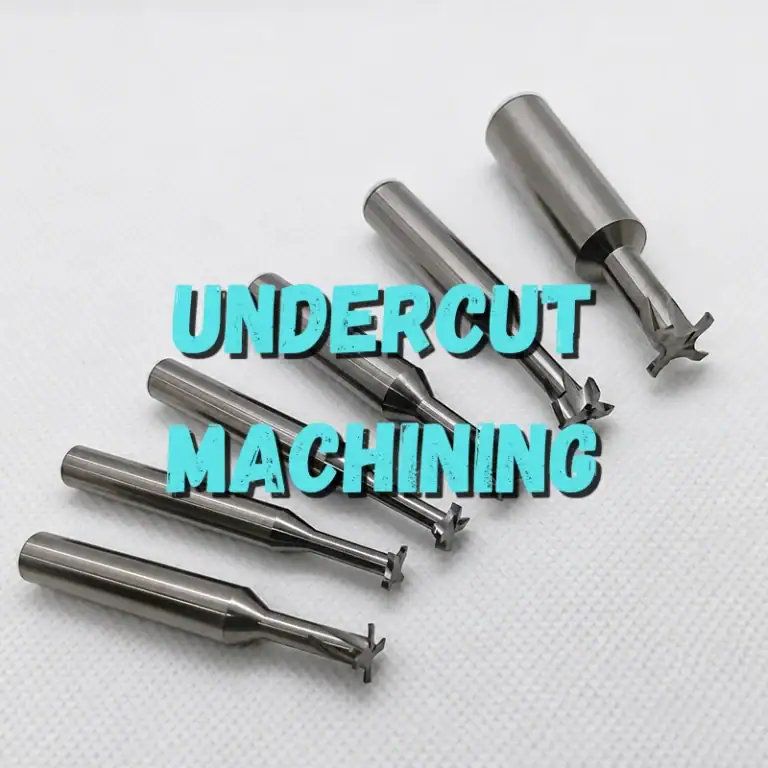
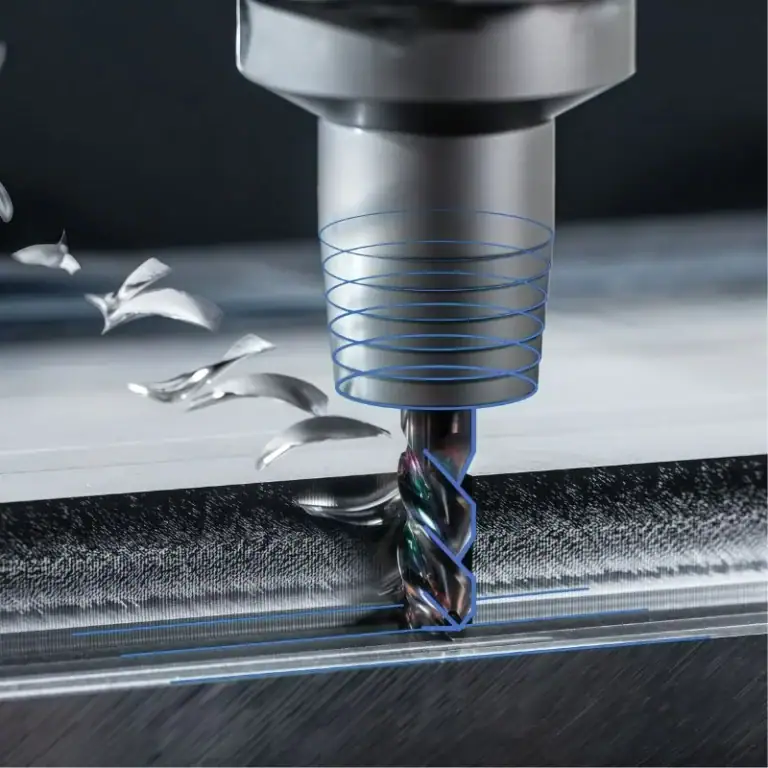
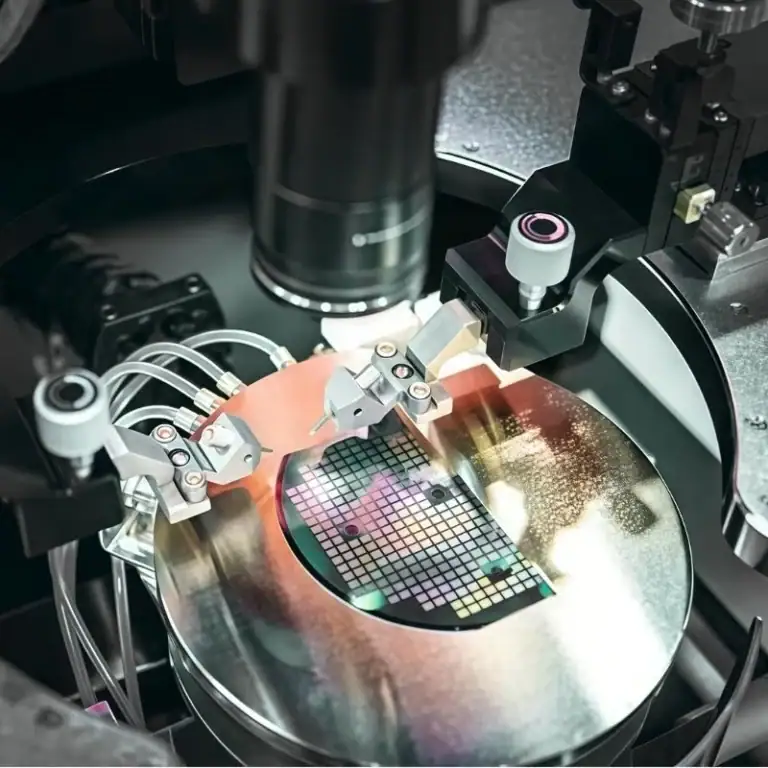
In aerospace manufacturing, even the slightest dimensional deviation in a single component can be greatly amplified under high-speed, high-pressure, and high-temperature operating conditions, ultimately affecting overall aircraft performance and even flight safety. During operation, aircraft must withstand extreme loads, continuous vibration, and temperature fluctuations, which place extremely strict requirements on dimensional accuracy, structural consistency, and surface quality of components. Compared with general industrial products, aerospace parts have almost no tolerance for loose errors. This makes high-precision manufacturing a fundamental pillar of the aerospace industry, and precision machining capability directly determines whether components can meet design requirements.
Fundamental Requirements of Aerospace Parts for Precision Machining
In the aerospace manufacturing system, parts are not only required to meet drawing dimensions but must also maintain stable performance under complex stress and extreme environments over long periods. Machining accuracy is no longer just a “pass/fail” indicator; it is closely tied to structural safety, aerodynamic efficiency, and overall system reliability. Even minor deviations can gradually accumulate under high-speed operation and cyclic loads, affecting structural stability. Therefore, aerospace manufacturing standards are significantly higher than those of general industry, requiring strong control over both process stability and consistency throughout production.
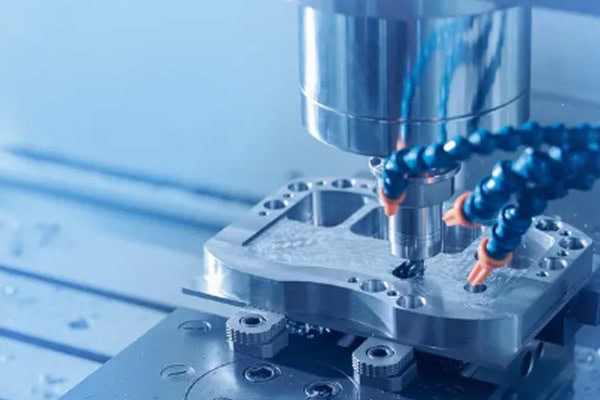
High Precision as the Foundation of Structural Safety
Aerospace components are mainly used in load-bearing structures or power systems. Any dimensional deviation may lead to assembly misalignment or uneven stress distribution. Under high-speed operation, these issues can quickly escalate, threatening structural stability and flight safety.
- In precision machining, aerospace connectors must be controlled within micrometer-level tolerances to ensure uniform load distribution after assembly
- Key load-bearing structures must maintain dimensional stability under long-term loading to prevent fatigue accumulation
- Assembly clearance deviations may cause amplified vibration during operation
- Local stress concentration can accelerate fatigue crack formation and reduce service life
Structural safety relies on overall consistency of all precision-machined parts rather than single-point accuracy.
Higher Requirements for Consistency Under Complex Operating Conditions
Aerospace components must operate under combined conditions of high speed, high temperature, and low pressure, making batch consistency a critical requirement. Over long service periods, even small variations can accumulate under cyclic loads and vibration, affecting system stability.
- Mass-produced parts must maintain high consistency in precision machining to avoid system-level deviations
- Thermal expansion and contraction can amplify dimensional variations under different environments
- Long-term vibration can gradually accumulate small differences and affect stability
- Material batch variations may influence overall machining consistency
The higher the consistency, the more stable the overall system performance during operation.
Why Aerospace Manufacturing Must Rely on Precision Machining
Once components operate in high-speed environments, their working conditions differ significantly from static states. Aerodynamic forces, mechanical vibrations, and temperature variations interact simultaneously, turning even minor deviations into dynamic factors that continuously influence system stability. This is the core reason aerospace manufacturing depends heavily on precision machining.
High-Speed Operation Amplifies Minor Errors
During flight, components rotate at high speed or experience high-frequency vibration. Small machining errors are continuously amplified under dynamic conditions, affecting overall performance.
In aerospace systems, machining accuracy determines not only whether a part can be assembled but also whether it remains reliable under extreme operating conditions.
- Minor dimensional deviations alter aerodynamic flow distribution and affect lift-to-drag ratio
- Imbalance in rotating parts generates vibration and increases system load
- Errors accumulate over long-term operation and expand their impact
- Local imbalance may compromise overall structural stability
Material Properties Increase Machining Difficulty
Aerospace components commonly use titanium alloys and high-temperature alloys. While these materials provide excellent performance, they significantly increase machining difficulty.
- Titanium alloys have low thermal conductivity, causing heat buildup during cutting
- High-temperature alloys generate high cutting resistance and accelerate tool wear
- Elastic recovery of materials leads to dimensional rebound after machining
- Uneven residual stress release may cause deformation during later stages
- Narrow process windows require highly precise parameter control
The more advanced the material, the higher the requirements for overall machining system stability.
Key Control Factors in Precision Machining of Aerospace Parts
Aerospace manufacturing is a systematic engineering process. Every stage—from equipment capability to process design and inspection feedback—affects final quality. High-precision manufacturing relies on full-process stability rather than isolated technical strength.
Machining Equipment and Control System Accuracy
High-precision machining depends on stable and rigid equipment. Aerospace parts often involve complex geometries and tight tolerances, requiring advanced machine capabilities.
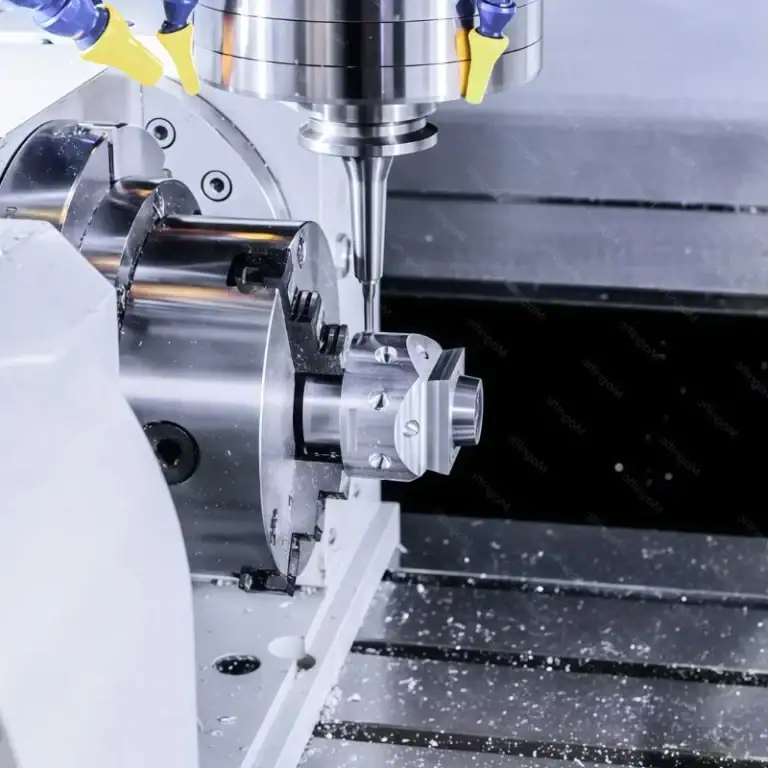
- Five-axis machining centers for complex surface processing and multi-angle forming
- High-rigidity structures reduce vibration during machining
- CNC systems ensure trajectory accuracy and repeatability
- Spindle stability directly affects surface quality and dimensional accuracy
- Thermal stability ensures long-duration machining consistency
Equipment capability defines the upper limit of machining precision.
Process Path and Error Control Strategy
Process planning is often more critical than cutting capability itself. Proper machining paths help control stress release and reduce deformation.
- Multi-stage machining gradually releases internal stress
- Rough and finish machining are strictly separated
- Minimal cutting volume is used in finishing stages
- Multiple datum re-calibrations improve consistency
- Optimized toolpaths reduce vibration effects
Well-designed process paths significantly improve stability.
Inspection and Closed-Loop Correction System
After machining, aerospace parts must undergo strict inspection, with data feedback used to continuously optimize the process, forming a closed-loop manufacturing system.
- CMM inspection for key dimensional accuracy verification
- Surface roughness measurement affects aerodynamic performance
- Profile inspection ensures geometric accuracy of complex surfaces
- Inspection feedback adjusts machining parameters
- Batch sampling ensures long-term production stability
Inspection is not just quality confirmation but an essential part of process optimization.
Importance of High-Precision Machining in the Aerospace Industry
The competitiveness of the aerospace industry depends not only on design innovation but also on stable manufacturing capability. High-precision machining ensures consistent performance of parts under extreme conditions, supporting safety, reliability, and economic operation while driving continuous technological advancement.
Improved Flight Safety and System Reliability
High-precision components reduce structural errors and operational risks, forming the foundation of aviation safety.
- Reduces risk of fatigue cracks
- Minimizes vibration-induced long-term damage
- Improves stability of critical systems
- Enhances adaptability to extreme environments
- Increases overall safety margin
Extended Component Service Life
Precision machining reduces surface defects and stress concentration, extending operational lifespan.
- Slower wear rate
- Reduced micro-crack formation
- Improved fatigue resistance
- Long-term dimensional stability
Lower Maintenance and Operating Costs
More stable components reduce maintenance frequency and downtime.
- Lower failure rates
- Reduced maintenance cycles
- Higher equipment utilization
- Optimized long-term operational costs
Support for Aerospace Manufacturing Upgrading
High-precision machining capability affects not only individual parts but also the entire manufacturing ecosystem and supply chain.
- Supports complex structural component production
- Enhances advanced material processing capability
- Improves batch consistency
- Drives manufacturing system upgrades
- Strengthens industrial chain coordination
The core of aerospace manufacturing lies not in the precision of a single part, but in the coordinated performance of all high-precision components under extreme conditions. Every machining detail can influence final flight behavior, making precision machining an irreplaceable capability in the aerospace manufacturing system. To meet high-standard manufacturing demands, Tirapid provides stable and reliable precision machining support, helping achieve higher consistency in aerospace component production.