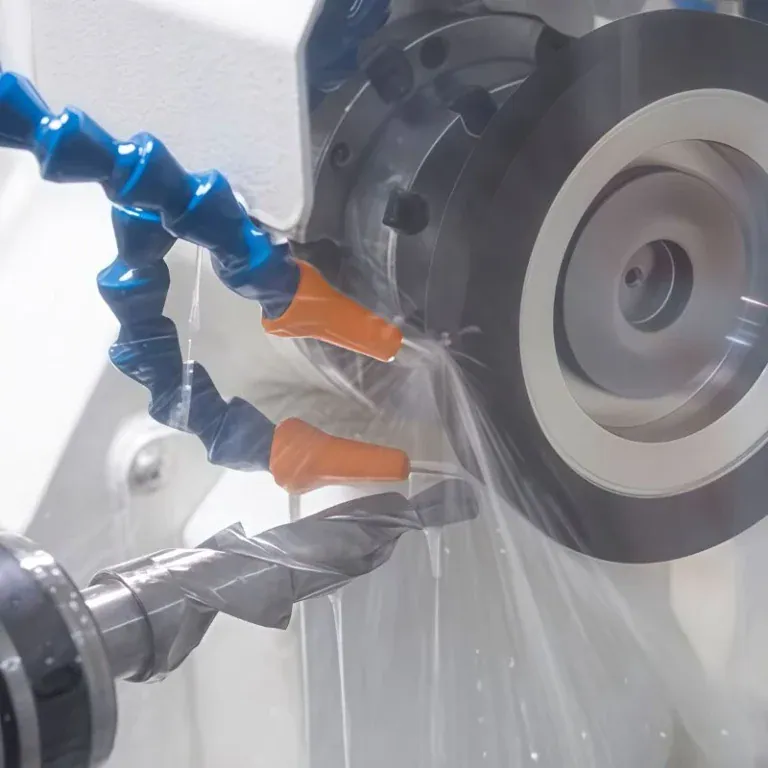
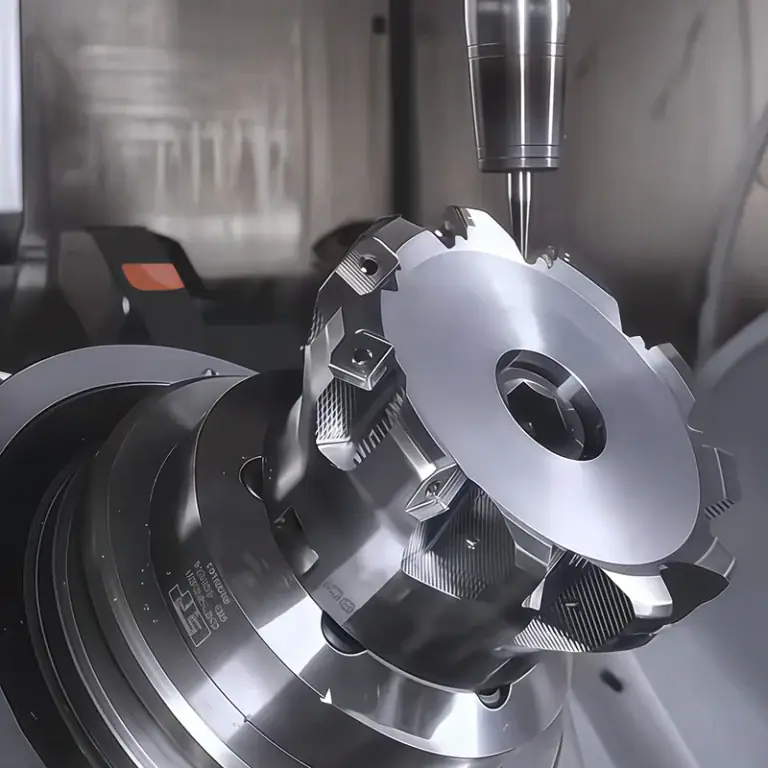
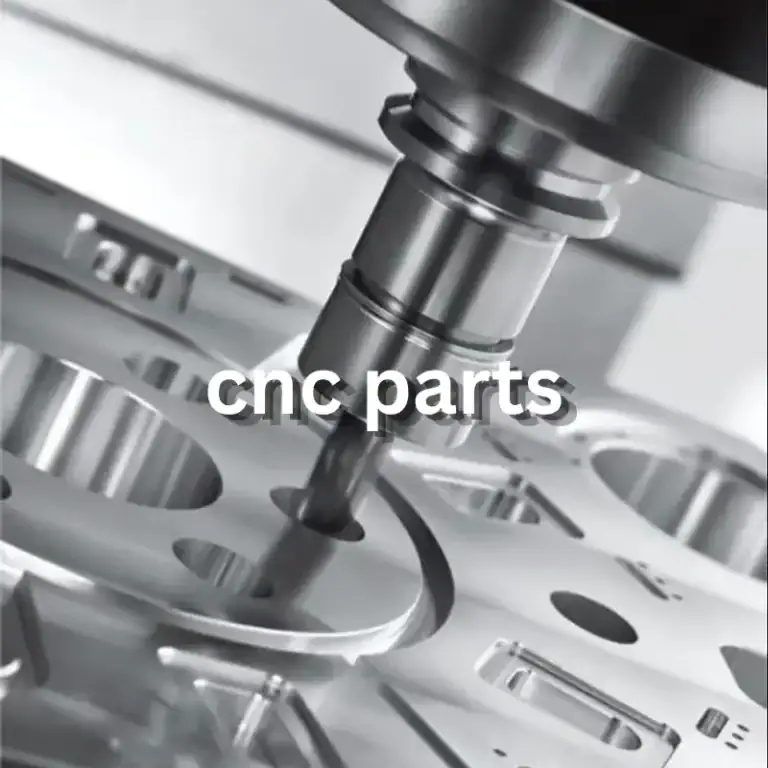
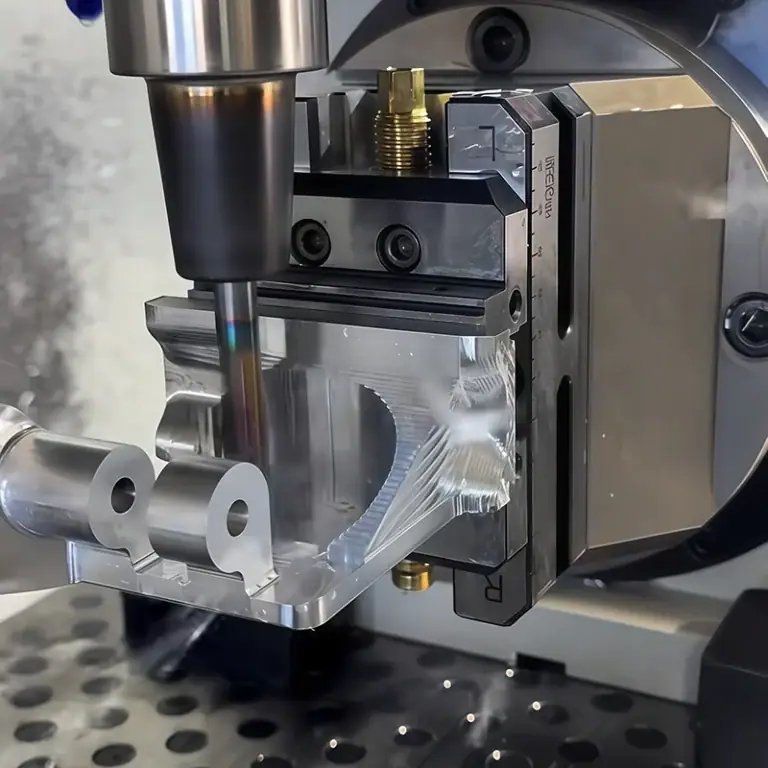
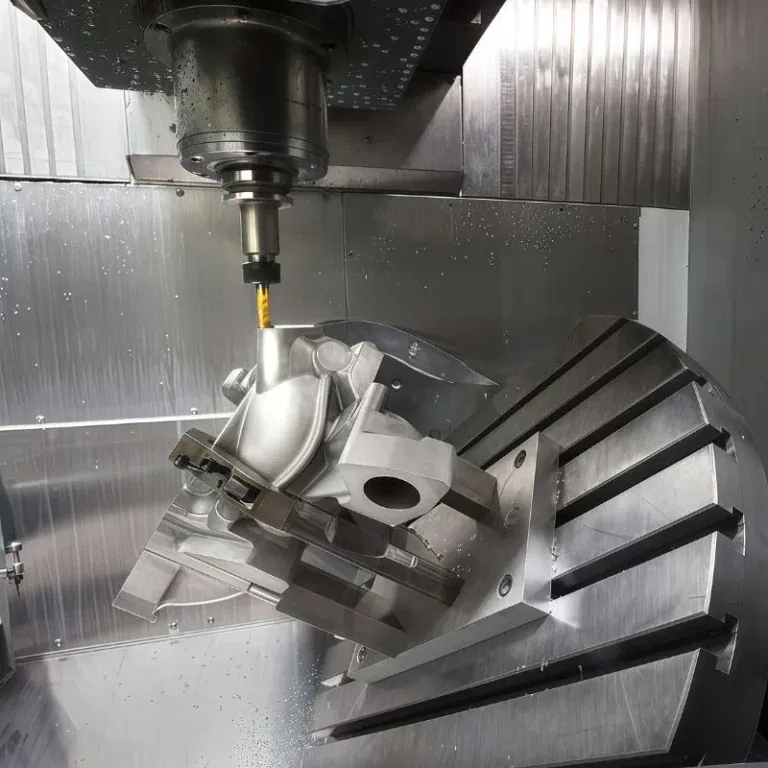
Rough CNC machining is the first major cutting stage in many CNC manufacturing projects. It removes excess material quickly from raw stock and creates the near-final shape of a part before finishing operations control final tolerance, surface quality, and functional features.
For manufacturers, roughing is not only about cutting faster. It affects tool life, machining cost, part stability, cycle time, heat control, and final inspection results. A good rough CNC strategy helps reduce production risk and prepares the part for more accurate finishing.
What Is Rough CNC Machining?
Rough CNC machining is a high-material-removal process used to shape raw stock into a near-net part form. It is usually performed before finish machining and focuses on removing excess material efficiently rather than achieving final dimensions or smooth surface quality.
In milling, turning, and multi-axis machining, roughing often uses deeper cuts, higher feed rates, and stronger cutting tools. The goal is to create the basic geometry while leaving controlled stock allowance for later finishing passes.
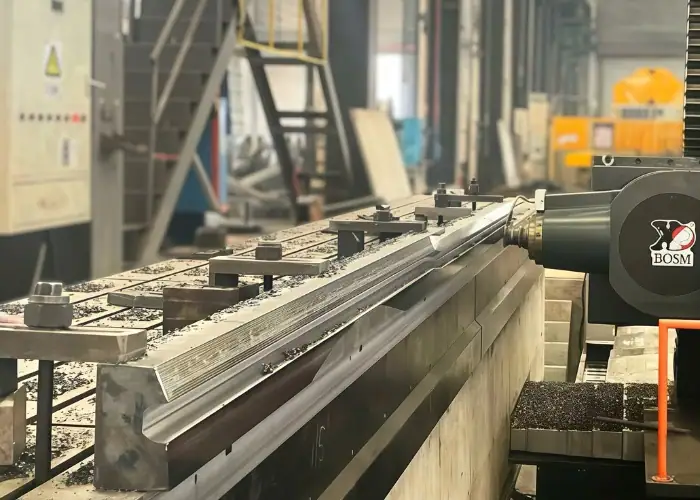
This process is commonly used for billet machining, large pockets, mold cavities, forged blanks, castings, housings, brackets, and thick plates. Without proper roughing, finishing tools may face excessive cutting load, vibration, tool wear, or poor dimensional control.
Main Objectives of Rough CNC Machining
Roughing has clear manufacturing goals. It should remove material quickly, prepare a stable shape for finishing, and support overall machining efficiency. These objectives help engineers plan toolpaths, cutting parameters, and stock allowance more logically.
Fast Material Removal
The main purpose of rough CNC machining is to remove large amounts of material in less time. Instead of using light finishing cuts from the beginning, roughing tools cut deeper and faster to bring the workpiece close to the final shape.
This improves machining efficiency, especially when the part starts from a large billet or oversized stock. High material removal rate can reduce cycle time, but it must be balanced with tool load, machine rigidity, and heat control.
If roughing is too aggressive, it may cause chatter, tool damage, or workpiece movement. The goal is not simply to cut as fast as possible, but to remove stock efficiently while keeping the part and tool stable.
Preparing for Finish Machining
Roughing prepares the workpiece for finishing by leaving a controlled amount of material on critical surfaces. This stock allowance gives finishing tools enough material to remove tool marks, correct small geometric errors, and achieve the final tolerance.
If too much stock remains, finishing takes longer and may increase tool wear. If too little stock remains, the finishing pass may not fully clean up the surface or correct roughing errors. This is why allowance planning is important.
A good roughing stage creates a stable starting point for finishing. It helps finishing tools work under lighter cutting loads, improving dimensional accuracy, surface finish, and repeatability.
Supporting Cost and Tool Life Control
Rough CNC machining can reduce total production cost when it is planned correctly. Roughing tools are designed to handle heavier cutting loads, while finishing tools are usually sharper and more precise. Separating these roles helps improve process control.
By removing most of the stock first, roughing reduces pressure on finishing operations. This can extend tool life, improve final surface quality, and reduce the chance of unexpected tool failure during critical finishing passes.
However, roughing can also increase cost if parameters are poorly selected. Excessive feed rates, poor chip evacuation, or weak fixturing can cause scrap, rework, or extra inspection time.
Rough CNC Machining vs Finish Machining
Roughing and finishing are not competing processes. They are two connected stages in CNC manufacturing. Roughing focuses on efficiency and stock removal, while finishing focuses on final dimensions, surface quality, and functional accuracy.
| Comparison Point | Rough CNC Machining | Finish Machining |
| Main goal | Remove excess material quickly | Achieve final tolerance and surface finish |
| Cutting depth | Deeper cuts | Lighter, controlled cuts |
| Feed rate | Higher feed rate | Lower or optimized feed rate |
| Surface quality | Rougher surface with tool marks | Smoother final surface |
| Accuracy | Near-net shape | Final dimensional control |
| Tool type | Strong roughing tools | Sharp finishing tools |
| Stock allowance | Leaves material for finishing | Removes final allowance |
| Cost role | Reduces bulk machining time | Controls final part quality |
A precision part usually needs both stages. Roughing creates the near-final shape efficiently, while finishing completes the features that affect fit, assembly, sealing, appearance, and performance.
How the Rough CNC Machining Process Works
The rough CNC machining process starts with reviewing the 3D model, raw stock size, material grade, tolerance requirements, and final finishing needs. The programmer must decide which areas require heavy stock removal, which surfaces need allowance, and how the part should be held during machining.
During roughing, CAM toolpaths are created to remove material efficiently while avoiding sudden tool overload. Depending on the part geometry, the process may use facing, pocket roughing, contour roughing, adaptive clearing, or rough turning to create a near-final shape before finishing.
After roughing, the part is usually not ready for final use. The surface may still show tool marks, and the dimensions may not yet meet the drawing requirements. This is expected because roughing prepares the workpiece for finishing instead of completing the final functional surface.
Common Rough CNC Machining Strategies
Different roughing strategies are used depending on geometry, material, tool access, and machine capability. The key is to remove stock efficiently while keeping tool engagement, chip evacuation, and part stability under control.
Pocket Roughing
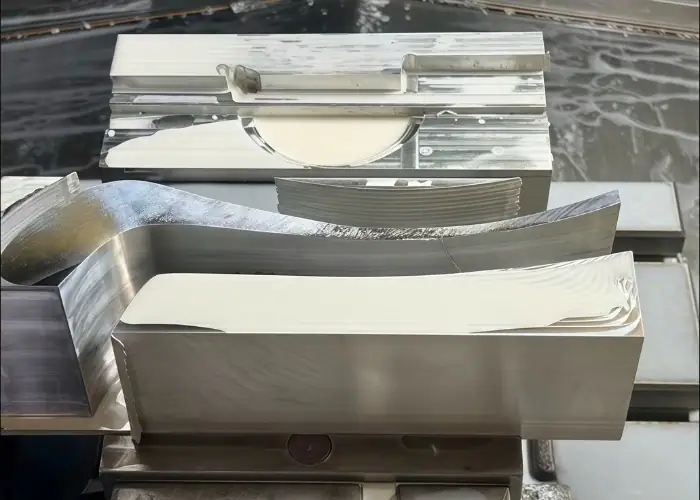
Pocket roughing removes material from internal cavities, slots, recessed areas, and deep features. It is common in CNC milling for housings, fixtures, mold cavities, and components with enclosed spaces where large amounts of material must be cleared before finishing.
A good pocket roughing path should avoid sudden tool load changes, especially in corners and narrow sections. If the cutter enters a corner too aggressively, cutting force can rise quickly and cause chatter, tool wear, poor chip evacuation, or surface damage.
For deep pockets, step-down, coolant access, chip removal, and tool length become more important. Trapped chips can scratch surfaces, increase heat, or damage the cutter. A stable pocket roughing strategy gives finishing tools a cleaner and more predictable starting condition.
Contour Roughing
Contour roughing follows the external or internal profile of a part to remove stock around its shape. It is often used for brackets, plates, housings, structural parts, and components that need their general outline formed before final edge finishing.
This strategy helps reduce the amount of material left for finishing passes. By creating the near-final profile early, contour roughing lowers cutting load during final machining and helps maintain better control over edge accuracy and part dimensions.
Stock allowance is important in contour roughing. Leaving too much material increases finishing time, while leaving too little may not allow the final pass to fully clean up the edge. A balanced allowance helps control both machining efficiency and final quality.
Adaptive Roughing
Adaptive roughing uses toolpaths designed to maintain more consistent cutter engagement. Instead of forcing the tool into heavy corners or sudden load changes, the path adjusts movement to keep chip load more stable during material removal.
This strategy can improve tool life, reduce chatter, and support higher feed rates when the machine, tool, fixture, and material allow it. It is especially useful for complex pockets, hard materials, deep cavities, and parts with variable stock conditions.
Adaptive roughing still requires careful process control. The programmer must consider tool diameter, flute length, spindle power, coolant, chip evacuation, and clamping rigidity. Good adaptive roughing is not only faster; it should also protect the tool and workpiece.
Tools Used in Rough CNC Machining
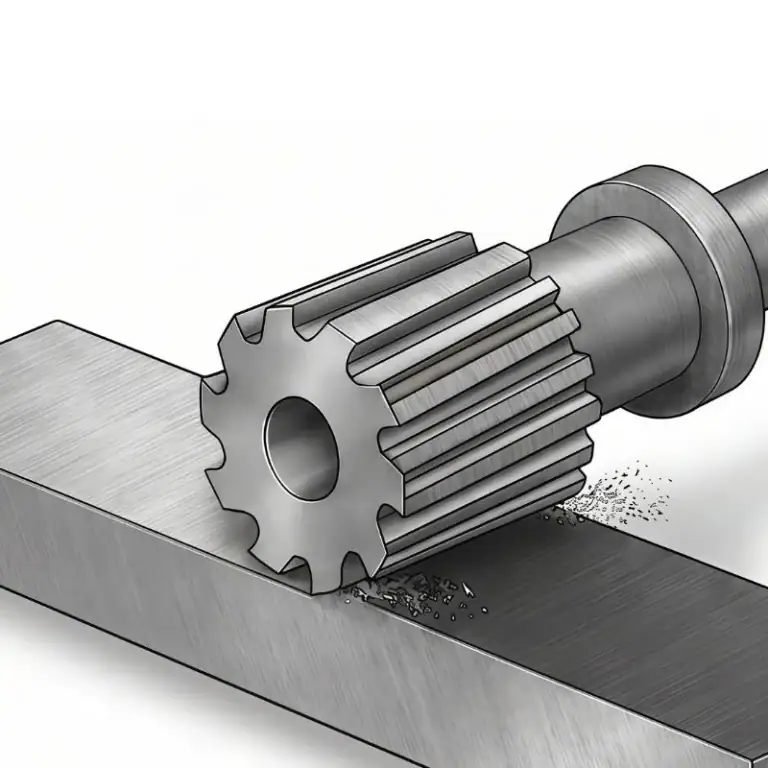
Rough CNC machining requires tools that can handle higher cutting force, heat, chip load, and vibration than finishing tools. Tool selection affects material removal rate, machining stability, tool life, surface condition, and the quality of the finishing stage that follows.
Common roughing tools include roughing end mills, indexable milling cutters, face mills, high-feed cutters, drills, and rough turning inserts. The right tool depends on part geometry, material hardness, stock volume, machine rigidity, and whether the operation is milling or turning.
For aluminum, tools often need strong chip evacuation and high-speed capability. For steel, stainless steel, titanium, and nickel alloys, edge strength, coating, heat resistance, and rigidity become more important. For plastics, sharp tools and heat control are essential.
Key Parameters in Rough CNC Machining
Roughing parameters control how efficiently and safely material is removed. They should be selected based on tool diameter, material, machine rigidity, coolant, fixture strength, and the final finishing requirement.
| Parameter | Why It Matters |
| Depth of cut | Affects tool load and material removal rate |
| Feed rate | Controls productivity and chip thickness |
| Spindle speed | Influences heat, cutting stability, and tool wear |
| Step-over | Affects tool engagement and vibration |
| Stock allowance | Leaves material for accurate finishing |
| Coolant strategy | Controls heat and chip evacuation |
| Toolpath type | Influences load consistency and machining time |
These parameters should work together rather than be adjusted separately. A deeper cut may improve material removal, but it also increases cutting force and heat, so feed rate, step-over, spindle speed, and coolant must be balanced with tool wear, chip shape, cutting sound, and machine load. A stable setup may be slower than an aggressive one, but it often reduces scrap risk and improves finishing consistency.
Quality Control During Rough CNC Machining
Quality control in roughing is not the same as final inspection. The goal is to confirm that the part is stable, the rough shape is correct, and enough material remains for finishing. This helps prevent roughing problems from carrying into later operations.
Monitoring Material Removal
Material removal rate is an important roughing indicator because it directly affects productivity and cycle time. However, a high removal rate also increases cutting force, heat, spindle load, and tool stress, so operators must monitor the process carefully.
Chip formation is one of the easiest signs to observe during roughing. Long chips, recut chips, discoloration, excessive heat, or unstable cutting sound may show that feed rate, spindle speed, coolant, or toolpath strategy needs adjustment.
Monitoring is especially important during deep pocketing, heavy steel cutting, large aluminum roughing, or operations with long tool overhang. Early correction can prevent tool breakage, poor surfaces, workpiece movement, and unnecessary rework before finishing begins.
Controlling Chatter and Vibration
Chatter is one of the most common problems in rough CNC machining. It can damage the rough surface, shorten tool life, create dimensional errors, and leave uneven stock that makes the finishing stage harder to control.
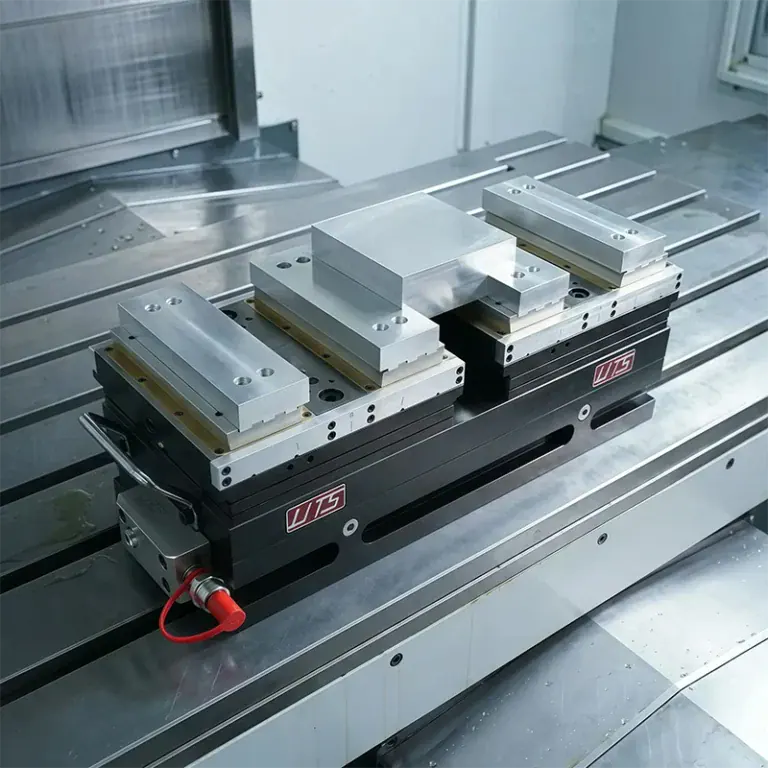
To reduce chatter, manufacturers may use shorter tool overhang, stronger fixtures, more rigid tools, adjusted spindle speed, reduced step-over, or lighter cutting parameters. The right solution depends on whether vibration comes from the tool, fixture, machine, or part geometry.
Even though roughing does not create the final surface, unstable cutting should not be ignored. Severe vibration can leave marks, stress the tool, loosen the setup, or create geometry errors that finishing tools may not fully correct later.
Checking Stock Allowance
After roughing, the remaining stock should be consistent enough for finishing. Uneven allowance can cause finishing tools to cut heavily in one area and lightly in another, which may affect surface finish, dimensional accuracy, and tool wear.
Stock allowance should be planned according to material, part size, tolerance, and finishing strategy. Thin-wall parts, sealing surfaces, precision mating features, and large flat areas often need more careful allowance control than non-critical surfaces.
A quick check after roughing helps confirm whether the toolpath, fixture, and cutting parameters are working as planned. It also gives the manufacturer a chance to correct issues before the final finishing pass removes the last material.
Benefits of Rough CNC Machining
Rough CNC machining improves production efficiency by removing most excess material quickly before finishing. This is especially valuable for parts machined from billets, thick plates, castings, forgings, or oversized stock where large material removal would be slow with finishing tools.
It also separates heavy cutting from precision machining. Roughing tools handle high-load material removal, while finishing tools focus on final tolerance, surface finish, and feature accuracy. This division helps improve tool life and reduces risk during critical final cuts.
Another benefit is better process control. A well-planned roughing stage can reduce cycle time, manage heat, stabilize the workpiece, and create a more predictable condition for finishing. This helps manufacturers balance speed, cost, and final part quality.
Limitations and Risks of Rough CNC Machining
Roughing creates higher cutting force than finishing, so it can introduce vibration, heat, tool stress, and workpiece movement. If the machine, fixture, or tool setup is not rigid enough, aggressive roughing may cause chatter, tool damage, or dimensional errors.
The surface after roughing is not intended to be final. It usually has visible tool marks, rougher texture, and lower dimensional accuracy. This is normal, but the roughing process must leave enough controlled stock for the finishing stage to clean the surface correctly.
Part distortion is another risk, especially when large amounts of material are removed from stress-sensitive stock. Thin walls, large aluminum parts, and uneven material removal can release internal stress, so roughing should be planned with balanced toolpaths and stable fixturing.
Materials Suitable for Rough CNC Machining
Rough CNC machining can be used for many metals and plastics, including aluminum, steel, stainless steel, brass, copper, titanium, nickel alloys, and engineering plastics. Each material requires a different roughing approach because chip formation, heat, and tool wear are not the same.
Aluminum is well suited for high-speed roughing because it machines easily and allows fast material removal. Steel and stainless steel require stronger tools, stable cutting conditions, and good cooling. Titanium and nickel alloys need careful heat control and consistent tool engagement.
Engineering plastics also require attention during roughing. Although they are softer than metals, they can melt, deform, or produce rough edges if the tool is dull or heat is not controlled. Sharp tools, proper chip evacuation, and suitable feed rates help maintain part stability.
When Should You Use Rough CNC Machining?
Rough CNC machining should be used when the raw stock contains much more material than the final part requires. It is common for billet machining, thick plates, large pockets, housings, mold bases, forged blanks, castings, and complex external or internal profiles.
It is also useful when the final part requires tight tolerance or good surface finish. Removing bulk material first allows finishing cuts to work under lower and more stable cutting loads, which improves dimensional accuracy, surface quality, and repeatability.
However, roughing should always be planned around the final part, not treated as a separate goal. Engineers should consider material stress, wall thickness, clamping method, tool access, stock allowance, finishing strategy, and inspection needs before choosing a roughing plan.
FAQs
Can rough CNC machining be used for prototype parts?
Yes. Rough CNC machining can be useful for prototypes when the part is made from billet, oversized stock, or a material that requires significant material removal. For simple prototypes, roughing may be minimal, but for complex parts, it helps reduce machining time before finishing.
Does rough CNC machining affect final surface finish?
Indirectly, yes. Roughing does not create the final surface finish, but poor roughing can leave uneven stock, vibration marks, or heat-related issues that make finishing harder. A stable roughing stage gives finishing tools a better starting condition.
Should roughing parameters be the same for metals and plastics?
No. Metals and plastics require different roughing strategies. Metals often need stronger tools, coolant, and chip control, while plastics need sharp tools, controlled heat, and good chip evacuation to avoid melting, deformation, or rough edges.
What files should be provided for a rough CNC machining quote?
A clear RFQ should include 3D files, 2D drawings, material grade, raw stock condition, tolerance requirements, surface finish needs, quantity, and any critical features. This helps the manufacturer plan roughing, finishing, inspection, and cost more accurately.
Conclusion
Rough CNC machining is used to remove excess material quickly and prepare parts for accurate finishing. It improves machining efficiency, protects finishing quality, and helps control cycle time, but it must be planned around material behavior, tool load, stock allowance, and final tolerance needs. The best results come from balancing roughing speed with finishing stability and part quality.
At TiRapid, we provide precision CNC machining services for custom metal and plastic parts, helping customers control machining efficiency, dimensional accuracy, and functional performance for demanding engineering applications.