What is CNC Plastic Machining? Is it More Suitable for Prototyping or Mass Production?
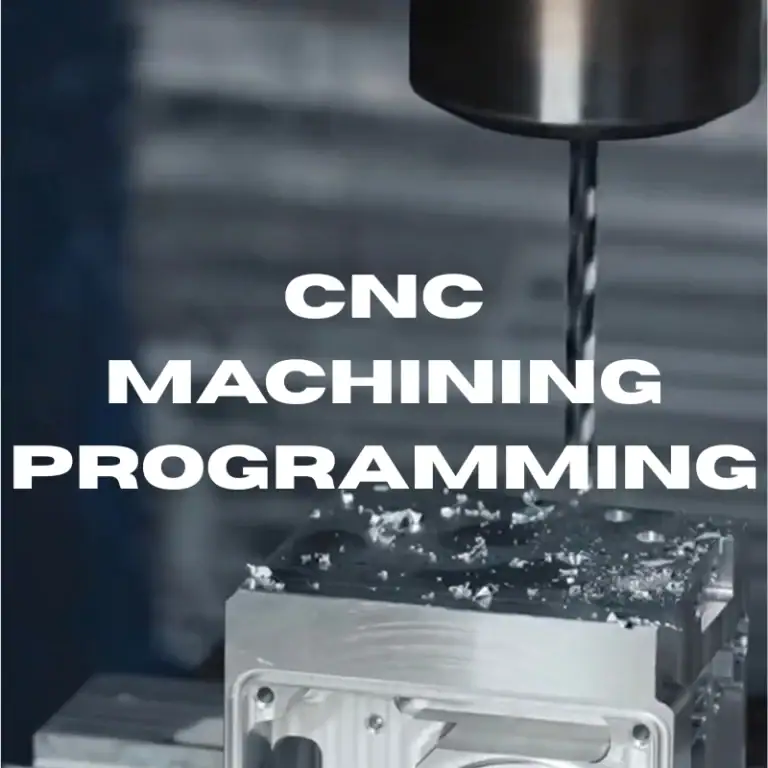
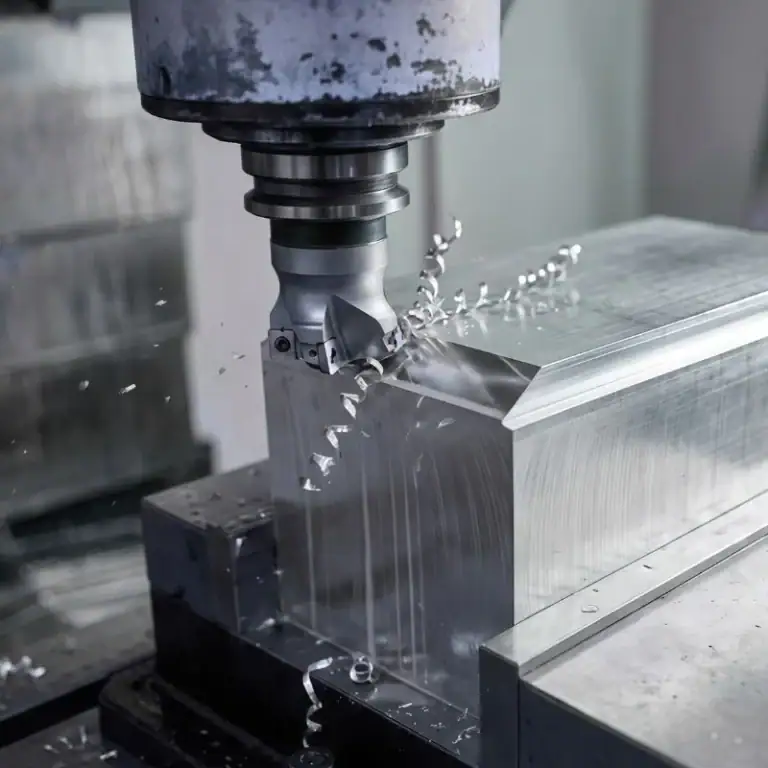
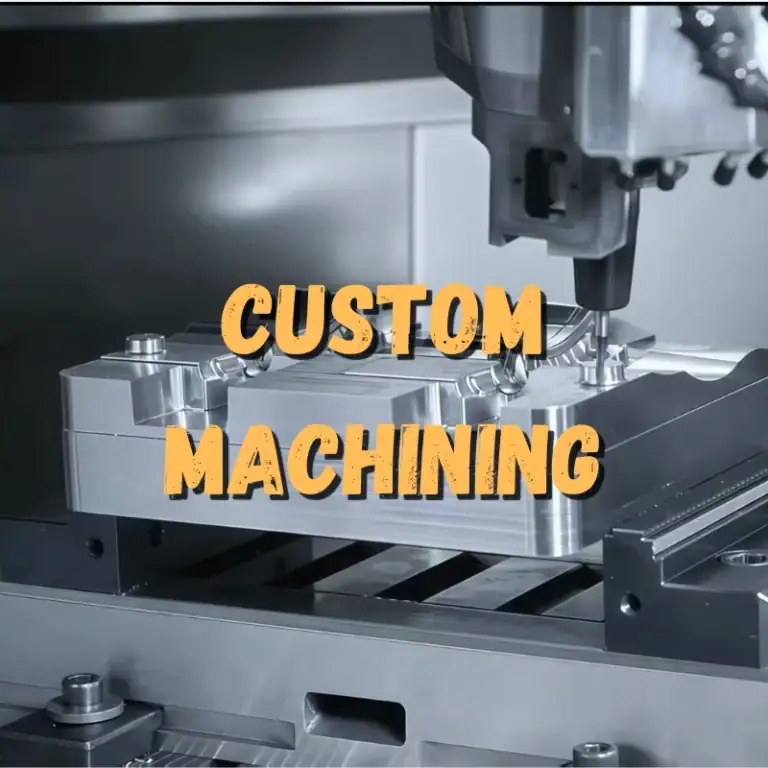
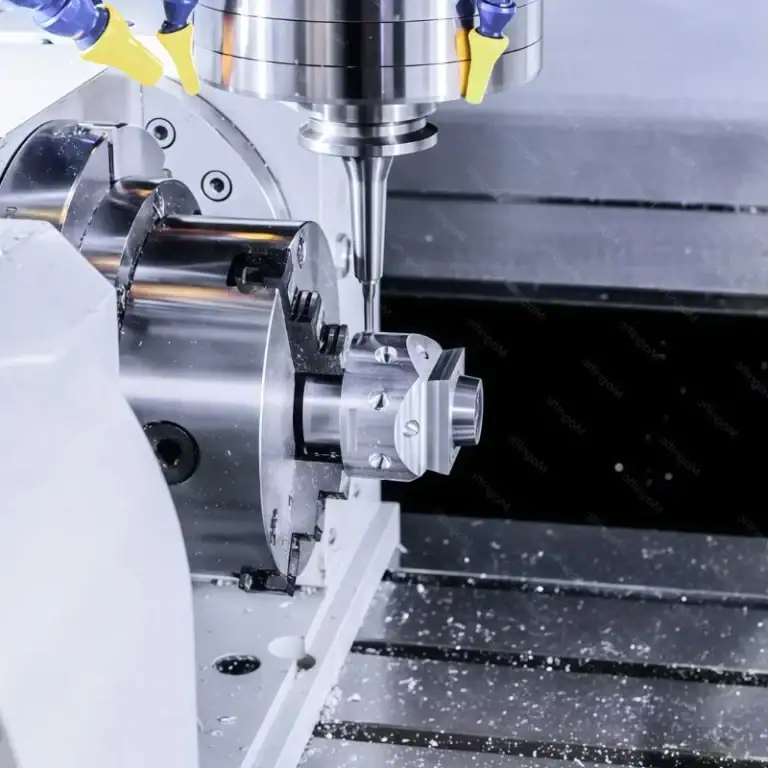
CNC plastic machining is a manufacturing method that uses computer numerical control (CNC) machine tools to precisely cut plastic materials. It uses a program to control the tool path, milling, drilling, or turning plastic blocks to obtain parts of the desired shape. Unlike injection molding and other processes that require molds, CNC machining is a form of “subtractive manufacturing,” directly producing products without the need for molds. So, is it more suitable for prototyping or mass production? Generally, CNC plastic machining is more suitable for prototype development and small-batch production. This is because it offers high flexibility, eliminates the need for molds, and reduces modification costs, making it ideal for the early verification phase of product development. However, it can also handle small-scale mass production tasks in projects with high precision requirements and small production volumes.
The Process of Creating Plastic Prototypes Using CNC Machining
Currently, CNC plastic machining is widely used for prototyping. Its process mainly includes the following key steps:
-
Tool Selection
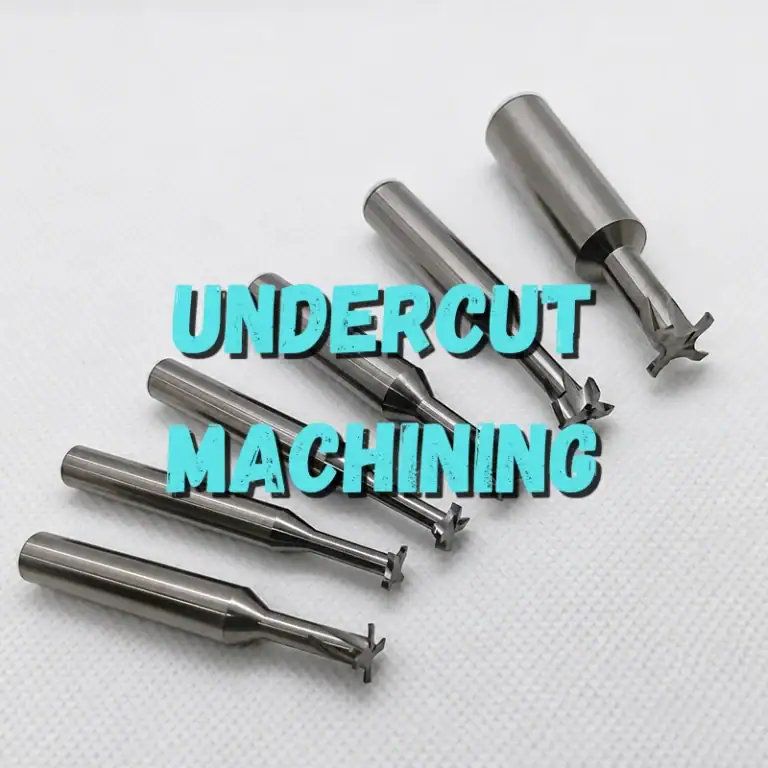
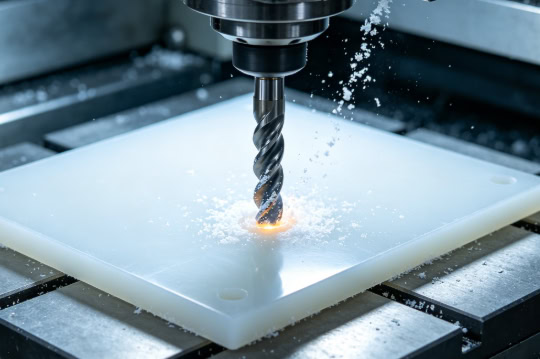
Different plastic materials have different tool requirements. For example, soft plastics are best suited to sharp tools to reduce burrs, while hard plastics require wear-resistant tools to ensure machining stability. Appropriate tool selection can significantly improve machining quality.
-
Machine Settings
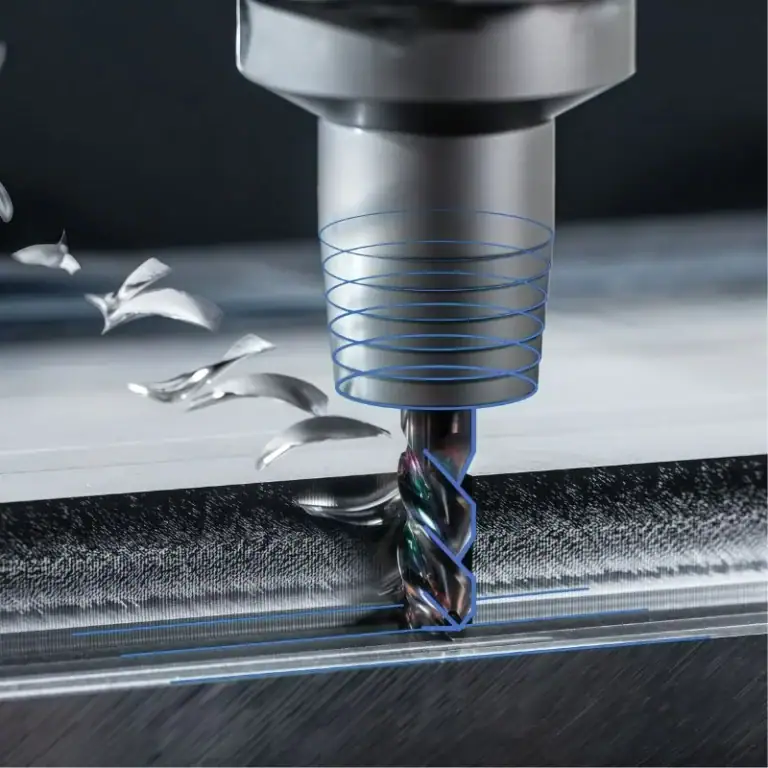
Setting the spindle speed, feed rate, and depth of cut according to the material properties is crucial. Too high a speed may cause the plastic to melt; too low a speed will affect efficiency. Therefore, a balance must be found between accuracy and efficiency.
-
Surface Finishing
After machining, deburring, grinding, or polishing are usually required. For demonstration prototypes, sandblasting or painting may also be performed to make the appearance closer to the final product.
This process demonstrates the advantages of CNC machining in the prototyping stage: flexible adjustments, rapid response, and no waiting time for mold making.
Multiple CNC Machining Methods for Plastics
CNC plastic machining includes several specific machining methods, each suitable for different structural requirements:
-
CNC Turning of Plastics
Suitable for cylindrical parts, such as shafts or sleeve structures. High-precision external cylindrical machining is achieved by rotating the workpiece, often used for functional test pieces.
-
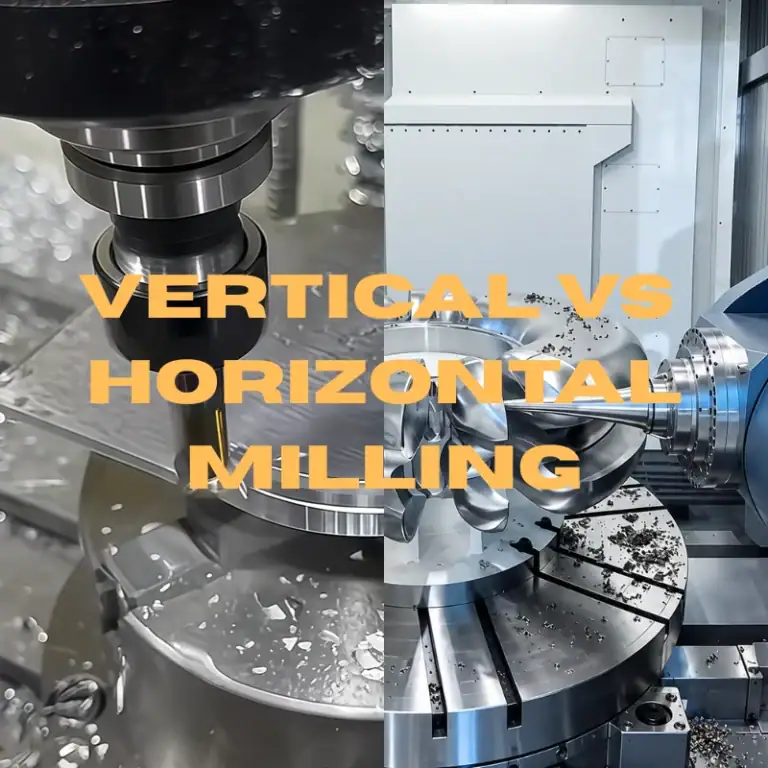
Plastic CNC Milling
This is the most common machining method, suitable for complex structural parts, such as housings or brackets. Multi-axis linkage can achieve complex curved surface machining with high precision.
-
Plastic CNC Drilling
Mainly used for machining mounting holes or connection holes, requiring high hole position accuracy, it is an indispensable step in assembly.
These technologies determine that CNC machining can not only create “looks” but also “functions,” making it particularly important in the prototyping stage.
.jpg)
How to Choose Plastic Materials for CNC Machining?
Different plastic materials perform differently in CNC machining, affecting their suitability for prototyping or mass production.
-
ABS Plastic CNC Machining
ABS has good machining performance and low cost, making it the most commonly used prototyping material, suitable for structural verification and housing fabrication.
-
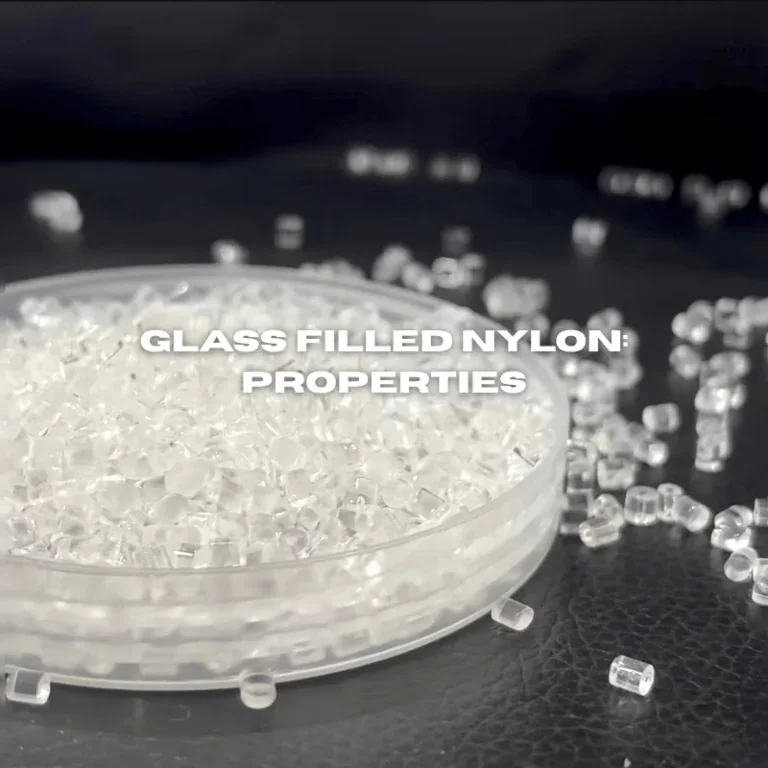
Nylon CNC Machining
Nylon has good wear resistance, suitable for testing moving parts, but its high moisture absorption requires attention to dimensional stability.
-
Acrylic CNC Machining
Acrylic has high transparency, suitable for display prototypes, but it is relatively brittle, requiring parameter control during machining.
-
High-density polyethylene (HDPE) CNC machining
This material has good impact resistance and is suitable for industrial applications, but its rigidity is relatively low, making it prone to deformation during machining.
-
Polycarbonate CNC machining
High strength and impact resistance make it suitable for small-batch production of functional parts, serving as a crucial material bridging prototyping and mass production.
Different material choices give CNC machining a degree of flexibility between “prototyping” and “small-batch production.”
The Positioning of CNC Plastic Machining
CNC machining is a single-piece process, requiring individual cutting for each product; while processes like injection molding can produce multiple parts at once, offering higher efficiency. CNC machining eliminates mold costs, resulting in lower initial investment, but higher unit costs; injection molding requires mold costs, leading to higher unit prices for mass production. In terms of flexibility, CNC allows for on-the-fly design and repeated testing; injection molding, once molded, incurs very high costs. Therefore, it can be concluded that CNC is more suitable for small-batch and prototyping stages than large-scale mass production.
Conclusion
The core advantages of CNC plastic machining lie in its flexibility and precision, making it irreplaceable in the prototyping development stage. It can quickly transform designs into physical prototypes and supports multiple modifications and optimizations, significantly improving product development efficiency. Furthermore, CNC machining can handle small-batch production tasks when quantities are small and precision requirements are high. Therefore, CNC plastic machining is not merely a “prototyping tool,” but a crucial manufacturing method bridging design and mass production.