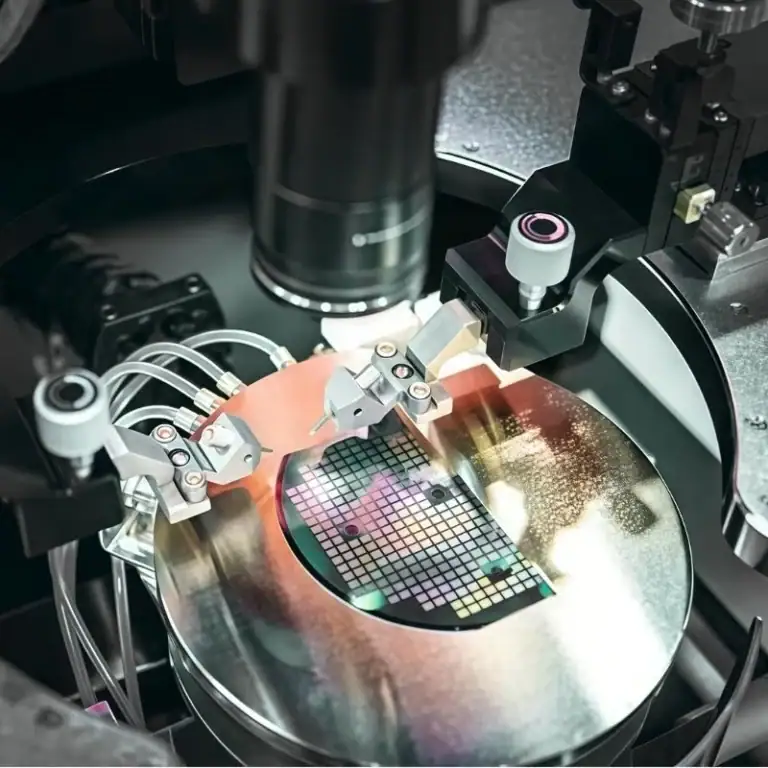
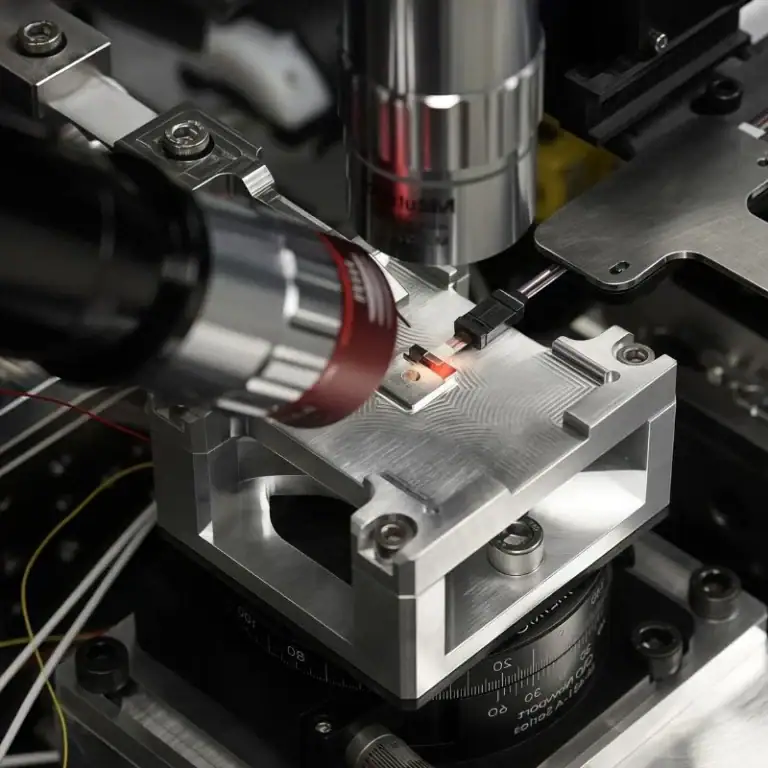
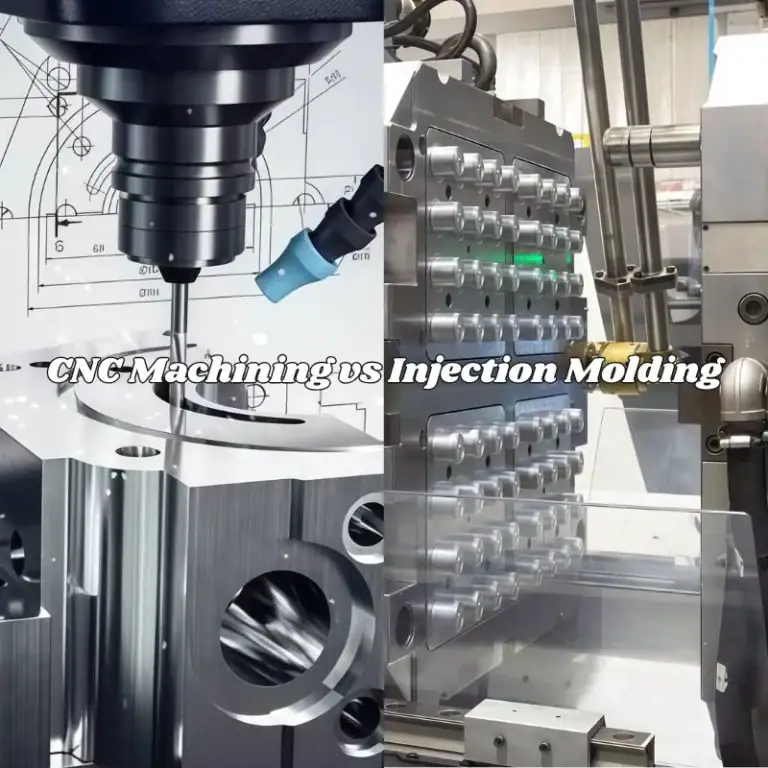
In modern manufacturing systems, high-precision machining capability has become a crucial standard for measuring industrial performance. Especially in fields like aerospace, precision molds, and medical devices, even minute dimensional errors in parts can affect overall performance. CNC milling relies on a digital control system to directly translate design data into machining paths, making the machining process more controllable and repeatable. By systematically optimizing equipment performance, process parameters, clamping methods, and environmental conditions, stable and continuous high-precision output can be achieved in complex machining scenarios, which is also one of the core directions of modern intelligent manufacturing development.
The Basic Principles of CNC Milling
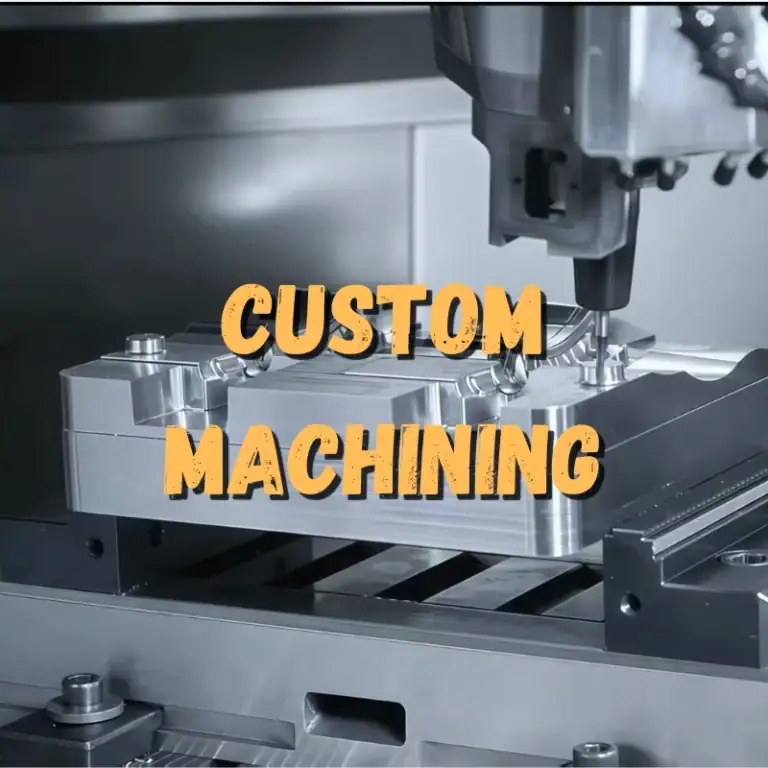
CNC milling is essentially a “digitally controlled material removal machining method.”
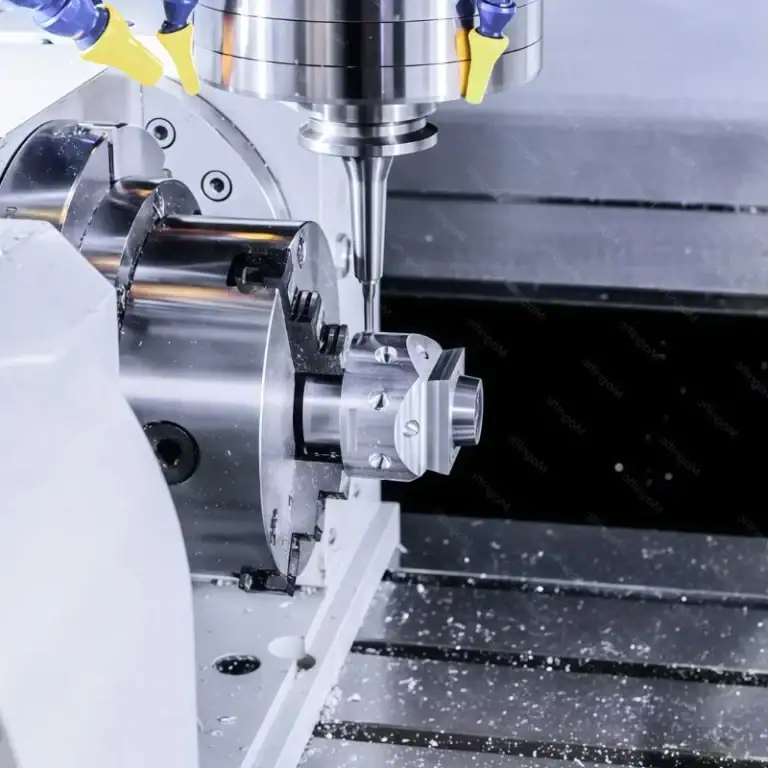
The CNC system uses CAD/CAM software to convert a 3D model into G-code instructions, controlling the machine tool’s movement trajectory in the X, Y, and Z axes. The cutting tool, rotating at high speed, cuts the workpiece material layer by layer, forming the target geometry. The entire process is uniformly controlled by a computer, reducing errors caused by human intervention and making the machining process more standardized and predictable. Simultaneously, the CNC system can dynamically adjust the feed rate, spindle speed, and depth of cut, ensuring machining stability and consistency.
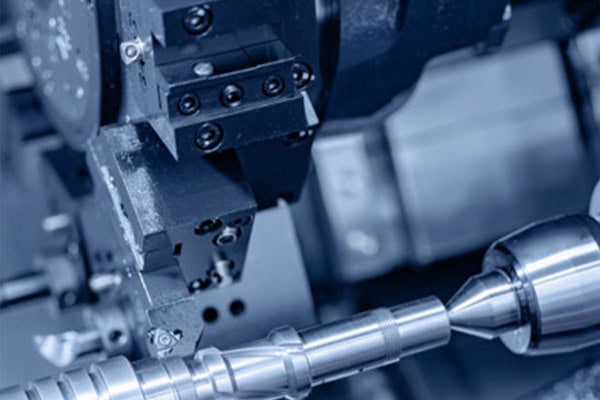
Equipment Precision and Machine Tool Stability
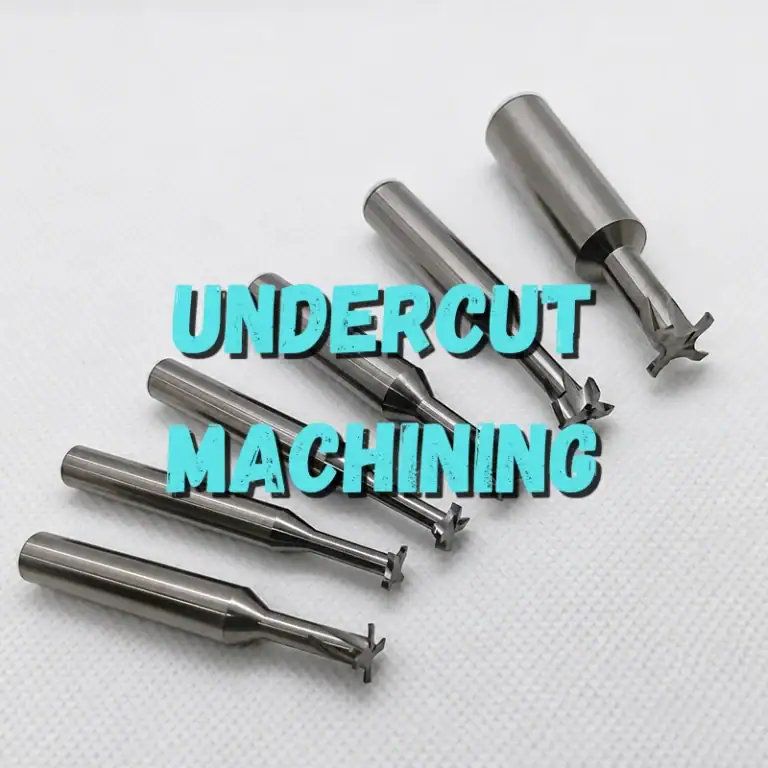
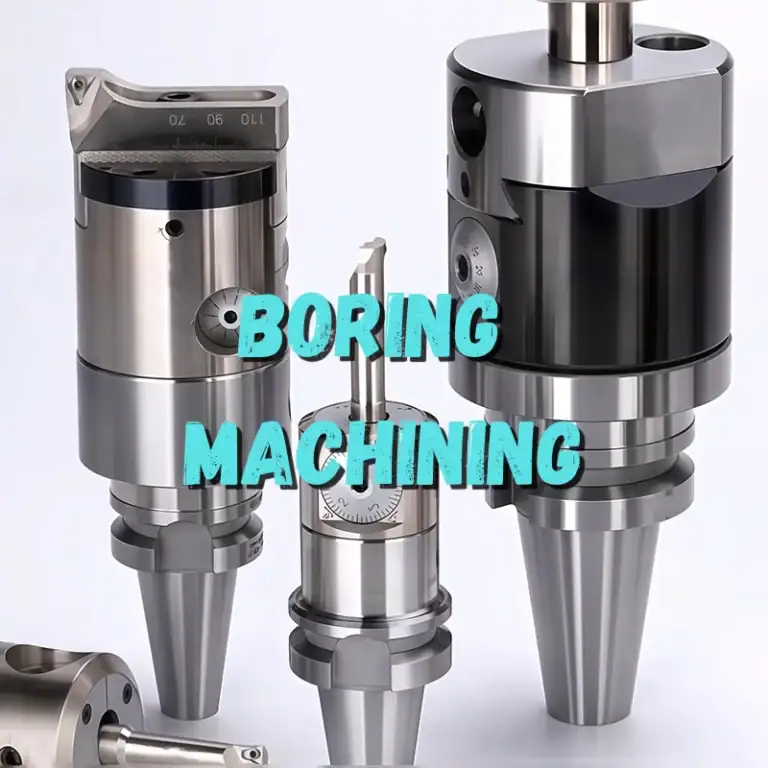
The proper matching of cutting tools and cutting parameters directly affects machining accuracy and surface quality, making it a crucial aspect of precision machining. The choice of tool material determines its wear resistance and stability; different materials are suitable for different workpiece machining requirements.
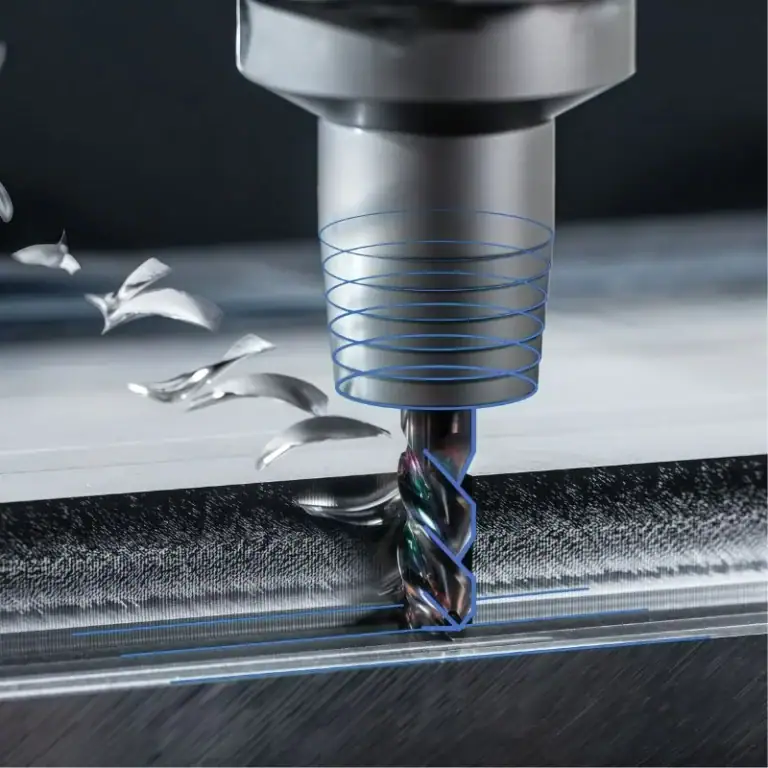
Tool geometry design, by optimizing the rake and clearance angles, can effectively reduce cutting resistance and improve cutting stability. Proper control of the cutting speed can prevent material deformation or accelerated tool wear due to overheating, thus maintaining machining accuracy. The feed rate setting needs to match the cutting load to ensure a uniform and stable cutting process, avoiding surface ripples or vibration marks. The depth of cut is usually achieved through layered machining to gradually remove material, reducing the pressure of a single cut and improving overall machining stability. Through comprehensive optimization of these parameters, machining consistency and accuracy can be significantly improved.
Tool Selection and Cutting Parameter Optimization
The proper matching of tools and parameters directly determines the quality and dimensional stability of the machined surface.
-
Tool Material Selection:Carbide, ceramic, or coated tools can improve wear resistance and cutting stability based on their different material properties.
-
Tool Geometry Design:Optimizing the rake angle, clearance angle, and cutting edge radius can reduce cutting resistance and vibration.
-
Cutting Speed Control:Appropriate linear speed settings can prevent overheating-induced material deformation or accelerated tool wear.
-
Feed Rate Matching:Stable feed rates help maintain uniform cutting load and avoid surface ripples or vibration marks.
-
Depth of Cut Distribution:Using layered cutting to gradually remove excess material reduces single-cut pressure and improves overall stability.
By scientifically adjusting the combination of tools and parameters, the controllability of the machining process and the final accuracy can be significantly improved.
Machining Path and Programming Optimization
Machining path planning is a crucial software aspect for achieving high-precision control in a CNC system.
-
Continuous toolpath design:Avoids frequent starts and stops and sharp turns, improves trajectory smoothness, and reduces inertial errors.
-
Climb milling strategy:Cuts in the same direction as the material, reducing impact and improving surface quality.
-
Segmented finishing strategy:Performs roughing and finishing in layers, gradually approaching the final dimensional requirements.
-
Air path optimization:Reduces ineffective movement time, improves machining efficiency, and reduces the accumulation of mechanical errors.
-
CAM software intelligent optimization:Utilizes algorithms to optimize toolpaths, making the machining process smoother and more efficient.
A reasonable path design not only improves efficiency but is also a crucial technical means to ensure high-precision output.
Workpiece clamping and positioning control
The stability of the clamping and positioning system directly affects whether the workpiece shifts or deforms during machining, and is a fundamental aspect of precision control.
A high-rigidity fixture structure effectively enhances clamping capacity, keeping the workpiece stable and preventing loosening under cutting forces. A multi-point uniform force design avoids material deformation caused by localized stress concentration, thereby improving machining consistency. A precision positioning reference system ensures that each clamping returns to a unified reference position, reducing repetitive positioning errors. A quick-locking mechanism improves clamping efficiency while ensuring stability and reducing the accumulation of human error. Specialized fixtures designed for complex parts can further improve fixation accuracy, making the machining process more reliable and stable. These measures collectively ensure the positional stability of the workpiece during machining.
Environmental Control and Thermal Deformation Management
The impact of external environmental changes on precision machining is often overlooked, but its actual effect is significant.
- Temperature Control System
Maintains a stable machining environment temperature, reducing thermal expansion and contraction of materials and equipment.
- Humidity Stability Control
Prevents dimensional changes caused by material moisture absorption or drying.
- Equipment Preheating Mechanism
Allows the machine tool to reach a thermally stable state before formal machining.
- Heat Source Isolation Design
Prevents external equipment or environmental heat from interfering with the machine tool structure.
- Real-time Temperature Monitoring System
Dynamically adjusts machining parameters, reducing the impact of thermal errors.
Through environmental control measures, the interference of uncontrollable factors on machining accuracy can be effectively reduced.
Detection System and Error Compensation Mechanism
High-precision machining relies on machining process control and the continuous optimization of detection and feedback systems.
Online measurement systems can acquire dimensional data in real time during machining, enabling timely detection and correction of errors. Closed-loop control technology automatically adjusts machining parameters based on detection results, giving the machining process dynamic correction capabilities. Error compensation algorithms can systematically correct machine tool structural errors and motion deviations, improving overall machining consistency. Post-machining quality inspection verifies whether the final product meets design requirements and provides data support for subsequent optimization. The data feedback mechanism applies the inspection results back to process improvement, continuously optimizing and upgrading the machining system. This system transforms machining accuracy control from static to dynamic optimization.
Conclusion
The process of achieving high-precision machining in CNC milling is essentially a multi-factor collaborative control system engineering project. From machine tool structure to tool parameters, from path planning to environmental management, every link directly affects the final result. When these factors are uniformly incorporated into a digital control system, the controllability and stability of the machining process are significantly improved, enabling the high-efficiency production of complex parts while maintaining strict precision requirements. This systematic manufacturing approach is also driving modern industry towards higher quality standards.