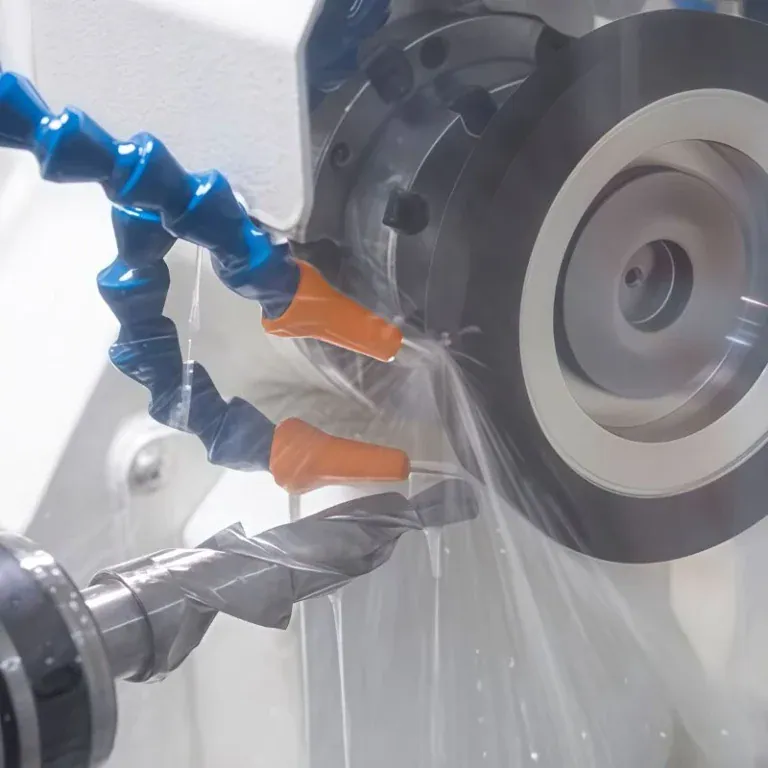
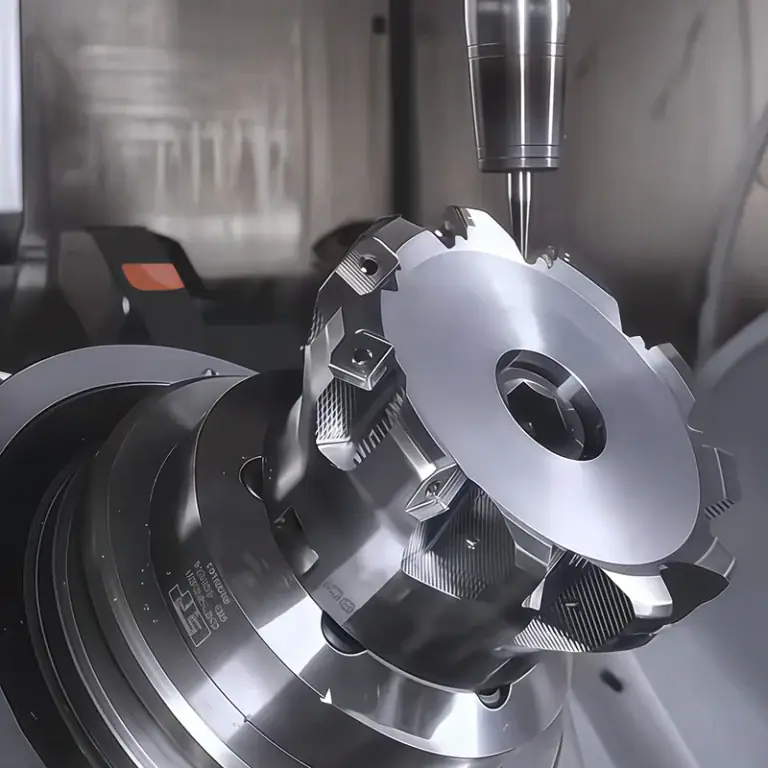
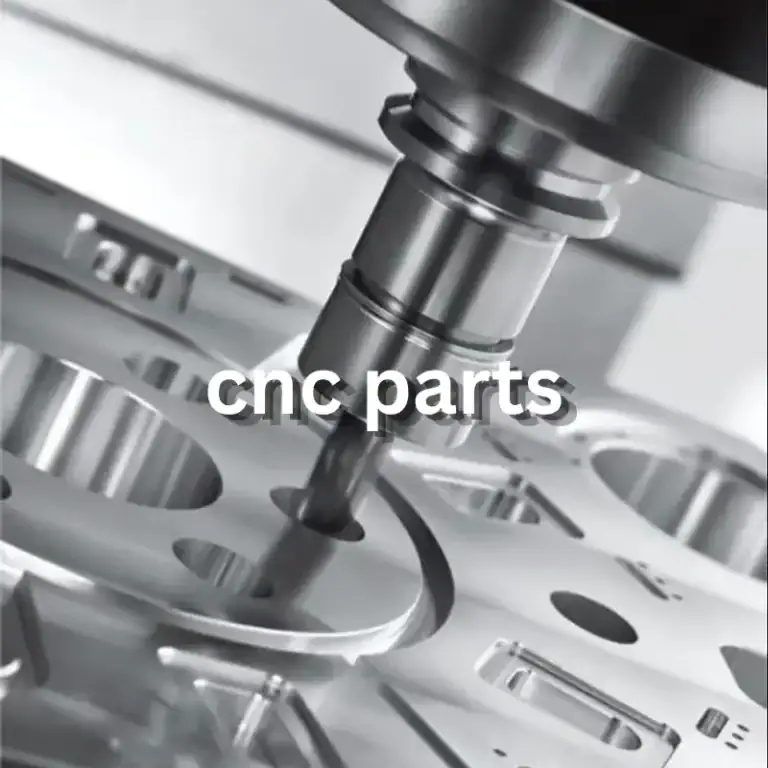
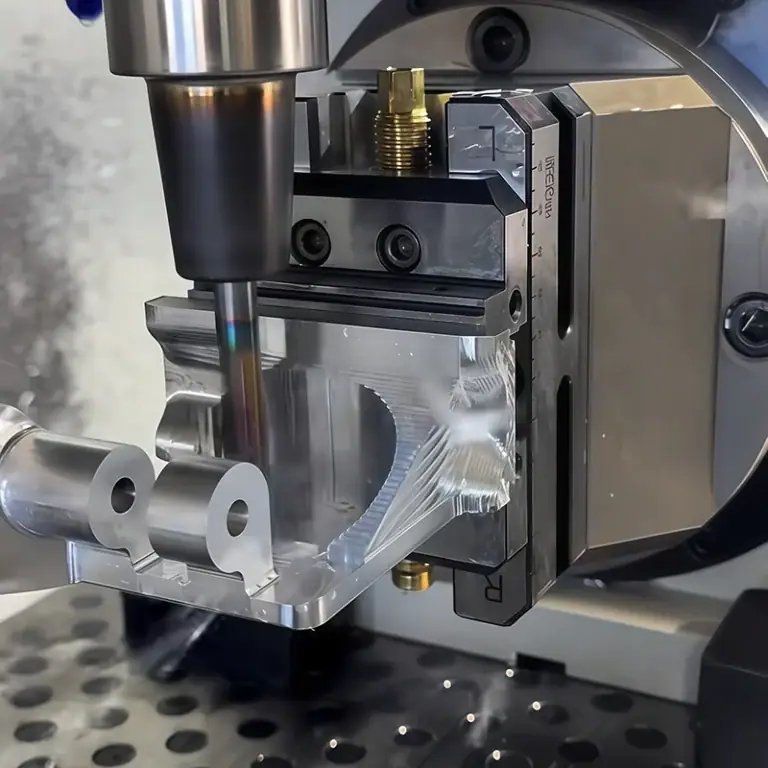
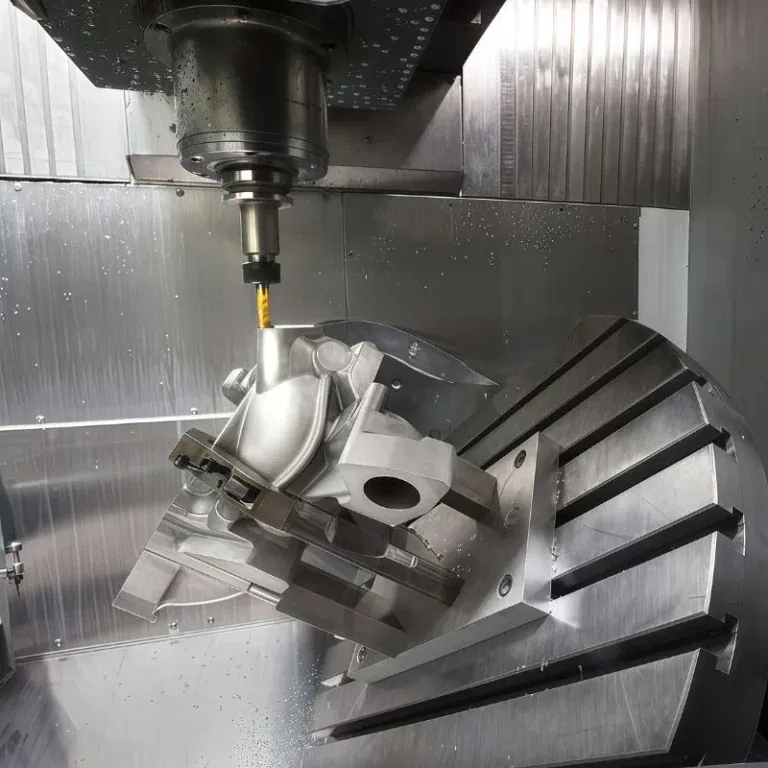
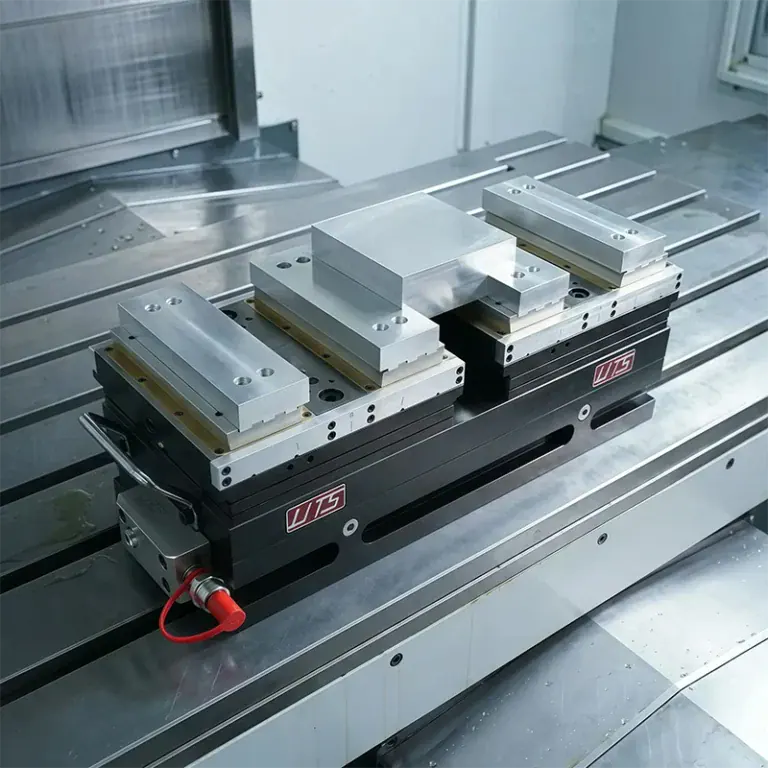
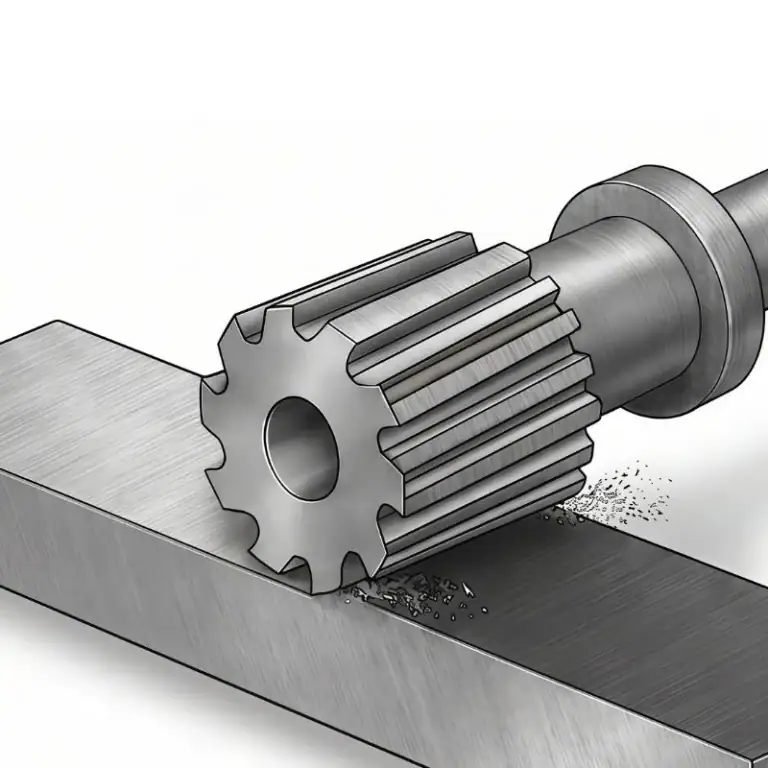
In CNC milling production, programming time often affects delivery schedules. For parts with similar structures and relatively large production volumes, CAM template-based programming can reuse proven toolpaths, cutting tools, and machining parameters, reducing repetitive programming work. However, different materials, dimensions, stock allowances, and machine conditions can all change the actual cutting conditions, so templates cannot be applied without adjustment. If templates are not updated regularly or lack engineer review, they may also introduce machining risks. A mature approach is to let templates improve efficiency while relying on engineering expertise to control risks.
Why CAM Template-Based Programming Can Improve CNC Milling Efficiency
The core value of templates lies in reducing repetitive work and quickly applying proven processes to similar parts.
Reducing Repetitive Programming Time
For machining features with clear patterns, such as hole locations, pockets, planes, and contours, standardized machining processes can be established in advance.
- Commonly used tools can be called directly, reducing repetitive setup time.
- Proven toolpaths can be reused quickly, shortening the program preparation cycle.
- Standard parameters can reduce programming differences between engineers.
- In production environments with frequently changing orders, templates can help companies respond more quickly to delivery requirements.
Proper use of templates can effectively reduce repetitive programming time and improve CNC milling production efficiency.
Improving Process Consistency
Proven templates can preserve valuable machining experience and reduce dependence on the personal habits of individual engineers.
- Similar parts can use similar machining logic.
- Tool selection and cutting parameters can be standardized.
- Parameter fluctuations during machining can be controlled.
- When quality issues occur later, process traceability becomes easier.
Templates not only improve efficiency but also help companies establish more stable machining standards.
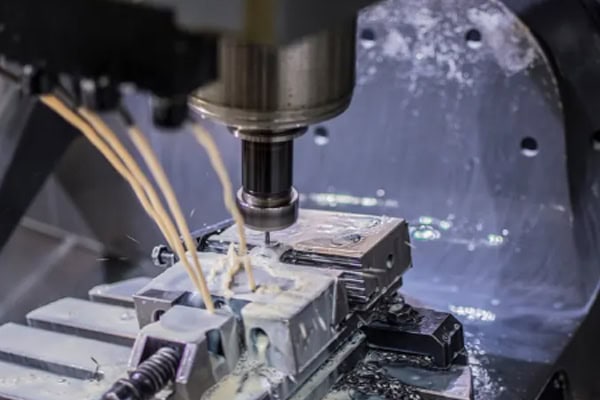
What Machining Risks Can Be Hidden in Template-Based Programming?
The main risks of templates come from overlooking the differences between parts.
Different Materials Can Cause Mismatched Cutting Conditions
For the same pocket structure, the tools, spindle speed, feed rate, and cutting depth required for machining aluminum alloys are different from those required for stainless steel, which may result in:
- Excessive tool load.
- Abnormal heat generation when machining difficult-to-cut materials.
- Accelerated tool wear.
- Reduced surface quality and dimensional stability.
Templates must be linked to specific material conditions rather than classified solely by geometric features.
Changes in Part Dimensions Can Affect Tool Load
Even when large and small parts have similar structures, their actual machining conditions may differ:
- Part dimensions affect tool overhang.
- Stock allowance changes the cutting load.
- Changes in cutting depth may result in insufficient tool rigidity.
- Vibration during deep-pocket CNC milling may affect surface quality.
Before using a template, the parameters should be reevaluated based on the part dimensions and fixturing conditions.
Outdated Templates May Contain Incorrect Processes
If parameter deviations during machining are not corrected promptly, errors may continue to be replicated, for example:
- Unreasonable cutting parameters may be reused repeatedly.
- Incorrect tool selection may reduce machining efficiency.
- Unsafe approach and retract methods may increase the risk of collision.
- Minor issues may develop into batch quality incidents after repeated use.
The template library should include version control, usage records, and regular review mechanisms.
How to Make Templates a Genuine Efficiency Tool
Template-based programming should become a continuously optimized process database rather than a fixed program that remains unchanged after it is created.
Create Templates Based on Materials and Machining Features
Companies should not create only generic templates but should refine them according to production requirements:
- Set separate parameter ranges for materials such as aluminum alloys, stainless steel, and titanium alloys.
- Use different strategies for roughing, semi-finishing, and finishing.
- Establish independent machining logic for structures such as deep pockets, thin walls, and complex surfaces.
- Further refine templates according to tool type, machine performance, and accuracy requirements.
This can improve the accuracy of template selection and application.
Establish Review Checkpoints for Key Parameters
After toolpaths are generated automatically, engineers must still review:
- Whether the tool diameter and overhang are reasonable.
- Whether the cutting depth matches the part and tool conditions.
- Whether the approach and retract methods are safe.
- Whether collisions, overcutting, or repeated cutting may occur.
- Whether rapid movements pass through safe areas.
- Whether the cutting parameters match the current material and equipment.
Through review, potential problems can be identified before the program is sent to the machine.
Continuously Update Templates Using Actual Production Data
Templates should be validated through actual machining results. Companies can record actual machining time, tool life, surface roughness, dimensional stability, vibration, heat generation, abnormal wear, first-piece pass rate, and rework conditions. The template can then be adjusted based on this data, allowing the template library to become a reliable process asset.
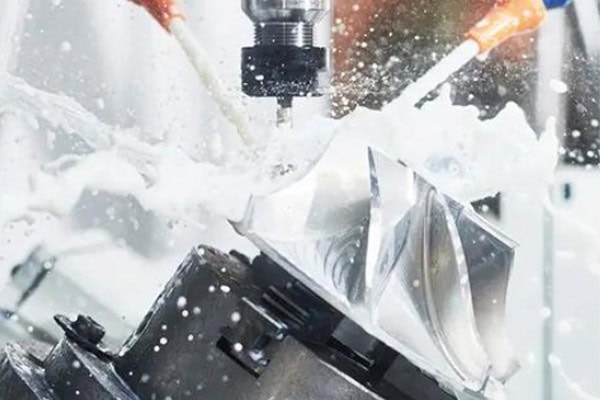
Which CNC Milling Projects Are Best Suited to Template-Based Programming?
The higher the level of standardization, the more significant the value that templates typically provide.
Batch and Repeat Orders
For parts produced repeatedly over a long period, templates can significantly reduce programming and process preparation time. The main advantages include:
- Shortening the program preparation cycle for repeat orders.
- Maintaining stable machining logic between different batches.
- Reducing the workload of repeatedly setting tools and parameters.
- Reducing process fluctuations caused by personnel changes.
Stable-volume orders with mature processes are priority applications for template-based programming.
Product Series with Similar Structures
When a product series includes many dimensional variations, key dimensions can be adjusted quickly through parametric templates. Specific advantages include:
- Retaining mature machining strategies.
- Quickly modifying hole locations, contours, and pocket dimensions.
- Reducing the time required to program from scratch.
- Achieving a balance between standardization and product differences.
This approach can improve programming efficiency while also enhancing process consistency across product series.
Conventional Machining Features
Machining features such as planes, holes, slots, conventional pockets, and external contours have strong regularity and are suitable for standardized templates. The main reasons include:
- Their geometric structures are relatively clear.
- Their machining methods are relatively mature.
- Tools and parameters can easily be standardized.
- The workload for adjustments after program reuse is relatively small.
Conventional machining features are ideal applications for CAM template-based programming.
How Should Template-Based Programming Be Balanced with Manual Programming?
Efficient production does not mean relying entirely on automation. Instead, the work of templates and engineers should be allocated appropriately.
Let Templates Handle Repetitive Work
Standard toolpaths and conventional machining parameters can be handled by templates, reducing engineers’ repetitive operations. Templates can automatically call commonly used tools, quickly generate standard machining paths, reuse proven cutting parameters, shorten the programming cycle for conventional parts, and allow engineers to devote more time to complex process optimization. Through this division of labor, templates can fully deliver their efficiency benefits.
Let Engineers Make Key Decisions
Complex surfaces, thin-wall structures, difficult-to-machine materials, and high-precision parts still require judgment based on actual conditions. Engineers should focus on:
- Evaluating part structure and fixturing rigidity.
- Assessing tool overhang and cutting load.
- Optimizing toolpath strategies for complex areas.
- Checking program safety and machining feasibility.
- Adjusting process parameters based on trial-cutting results.
Templates are responsible for increasing speed, while engineers are responsible for judgment. Combining the two is the only way to balance efficiency and safety.
Conclusion
CAM template-based programming is neither an absolute shortcut to efficiency nor an inherent source of hidden risks. The key lies in how templates are created, reviewed, and maintained. For CNC milling projects with repetitive structures, clearly defined materials, and mature processes, properly using templates can reduce programming time and improve production consistency. For parts with significant differences in materials, dimensions, or machining conditions, applying templates without adjustment may increase tool wear and quality risks. TiRapid can optimize CNC milling processes based on part structure, material, and machining requirements, helping transform standardized programming into stable production efficiency.