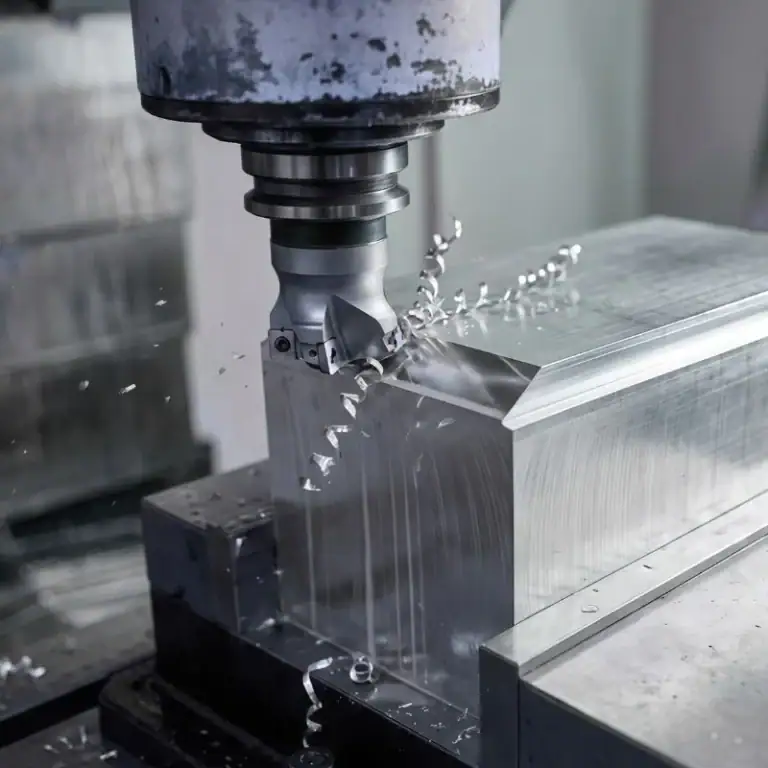
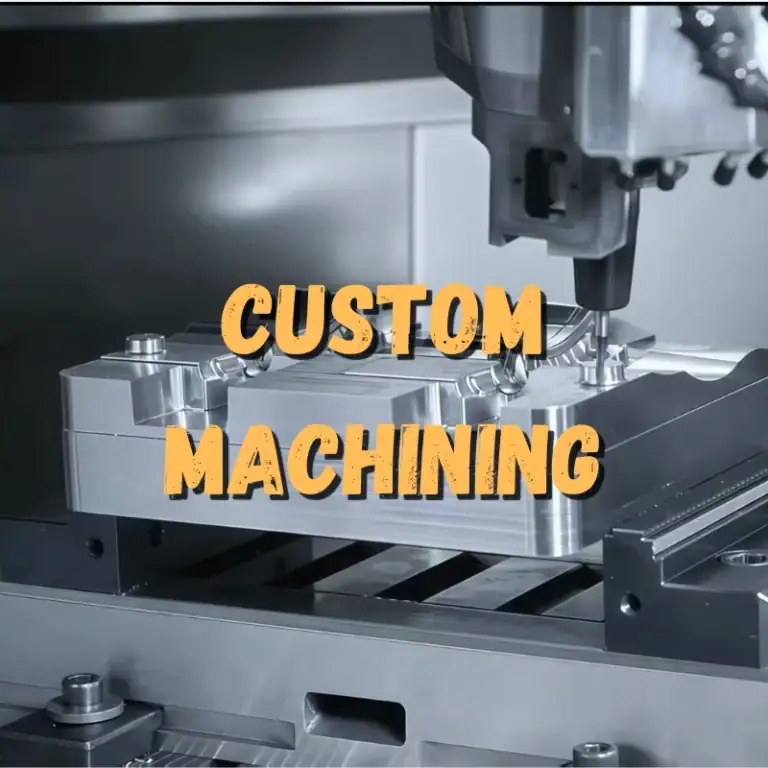
In turning, the choice of cutting tools directly affects machining efficiency, workpiece accuracy, and tool life. If the cutting tool and workpiece material are not matched, problems such as chipping, rapid wear, and rough workpiece surface are likely to occur, which will also increase production costs and equipment downtime. However, by selecting appropriate turning tools in combination with workpiece material, machining method, and accuracy requirements, cutting stability can be effectively improved and the machining process can be made more efficient.
Basic Classification of Turning Tools
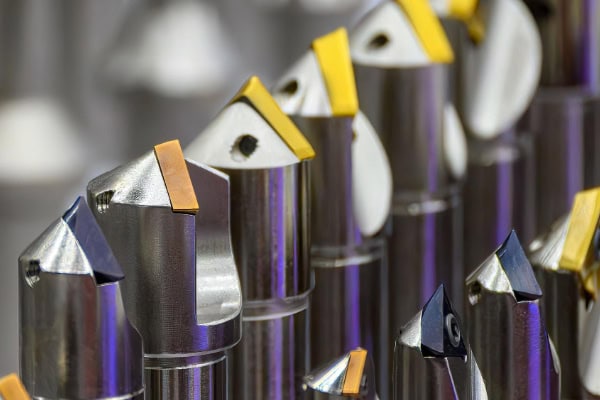
There are many types of turning tools, with different structures and materials suitable for different machining environments. Common types include external turning tools, boring tools, parting tools, and threading tools. Tool materials mainly include high-speed steel, cemented carbide, ceramics, and cubic boron nitride (CBN). When selecting tools, factors such as workpiece hardness, cutting speed, and machining accuracy must be considered. Even if high-performance tools are selected, it is difficult to achieve ideal machining results if the machining environment is unstable.
Common Types of Turning Tools
Different tools correspond to different machining requirements. Proper classification improves machining efficiency and reduces unnecessary tool wear.
- External turning tools are suitable for cylindrical machining
- Boring tools are used for internal hole finishing
- Parting tools are suitable for material separation
- Threading tools are used for precision thread machining
- Form tools are suitable for complex contours
- Finishing tools focus more on surface quality
- Roughing tools emphasize cutting efficiency
Proper classification of turning tools improves machining stability and reduces unnecessary machining errors.
Differences Between Tool Materials
Different tool materials have different heat resistance and wear resistance characteristics, making them suitable for different cutting environments. Incorrect tool material selection can significantly accelerate wear.
- High-speed steel tools have good toughness
- Carbide tools are suitable for high-speed cutting
- Ceramic tools offer strong heat resistance
- CBN tools are suitable for hard materials
- Diamond tools are ideal for non-ferrous metals
- Coated tools provide higher wear resistance
- Different materials affect cutting life differently
Tool materials must match workpiece hardness and cutting conditions to maintain stable machining performance.
Choosing Tools Based on Workpiece Materials
Different metal materials generate different cutting forces, heat, and friction conditions during machining, so tool selection cannot follow a single standard.
Tool Selection for Stainless Steel Machining
Stainless steel machining easily creates built-up edge while concentrating cutting heat, so tools require strong heat resistance and anti-adhesion performance. Carbide tools with heat-resistant coatings are commonly used.
- Select tools with strong heat resistance
- Use anti-adhesion coated inserts
- Avoid excessively small tool nose angles
- Control heat accumulation during cutting
- Improve coolant coverage
- Reduce excessively long continuous cutting
- Maintain stable cutting speed
Stainless steel machining focuses heavily on heat resistance and anti-adhesion performance to reduce tool wear.
Tool Selection for Aluminum Alloy Machining
Aluminum alloy materials are softer but prone to material sticking, making tool sharpness and chip evacuation extremely important. Sharp tools help reduce burrs and surface scratches.
- Use highly sharp cutting tools
- Improve chip evacuation performance
- Select polished insert surfaces
- Control lubrication conditions
- Reduce material adhesion during cutting
- Improve surface finish quality
- Prevent tool dulling
Aluminum alloy machining requires both sharpness and chip evacuation efficiency to maintain stable surface quality.
Choosing Tools Based on Machining Methods
Different machining processes require different tool structures and rigidity. Rough machining focuses more on cutting efficiency, while finishing focuses more on dimensional accuracy and surface quality.
Rough Machining Tool Selection
Rough machining removes material quickly, so tools must provide high strength and impact resistance.
- Higher rigidity is required
- Insert impact resistance is important
- Suitable for large cutting depths
- Cutting efficiency is prioritized
- Larger chip space is necessary
- Reduce the risk of tool chipping
- Improve continuous cutting capability
Rough machining tools focus more on strength and impact resistance to improve material removal efficiency.
Finishing Tool Selection
Finishing operations require stable dimensions and smooth surface quality, so tool sharpness and stability become more important.
- Nose radius affects surface roughness
- Tool vibration must be controlled
- Use high-precision inserts
- Improve surface finish quality
- Reduce dimensional errors
- Control thermal deformation effects
- Maintain stable feed rate
Finishing tools place greater emphasis on stability and machining accuracy.
Influence of Tool Angles and Structure on Machining
Tool angles directly affect cutting resistance, chip evacuation, and machining temperature. Improper angles can increase cutting force and accelerate abnormal wear.
Rake Angle and Relief Angle Selection
The rake angle affects cutting smoothness, while the relief angle affects friction between the tool and the workpiece. Different materials require different angle combinations.
- Large rake angles reduce cutting resistance
- Small rake angles improve edge strength
- Relief angles affect friction conditions
- Different materials require different angles
- Hard materials need stronger cutting edges
- Aluminum alloys benefit from larger rake angles
- Improper angles increase heat generation
Proper tool angles reduce cutting load and improve machining stability.
Chip Breaker Structure Selection
Chip breaker structures affect chip flow direction and heat distribution. Poor chip evacuation can lead to chip buildup and tool damage.
- Chip breakers affect chip shape
- Deep grooves suit heavy cutting
- Small grooves suit finishing
- Poor chip evacuation increases heat
- Chip entanglement affects safety
- Chip structure affects surface quality
- High-speed cutting requires stable chip flow
A good chip breaker structure reduces heat accumulation and improves machining efficiency.
Tool Life and Cost Control
Tool life directly affects machining cost and machine efficiency. Excessive wear increases tool replacement time and reduces product consistency.
Methods to Extend Tool Life
Proper tool usage lowers production cost and reduces machining problems.
- Control reasonable cutting parameters
- Avoid long-term overload machining
- Maintain stable cooling conditions
- Regularly inspect tool wear
- Replace damaged inserts promptly
- Reduce abnormal vibration
- Optimize machining paths
Stable machining conditions effectively extend tool life and reduce production cost.
Role of Automatic Tool Change Systems
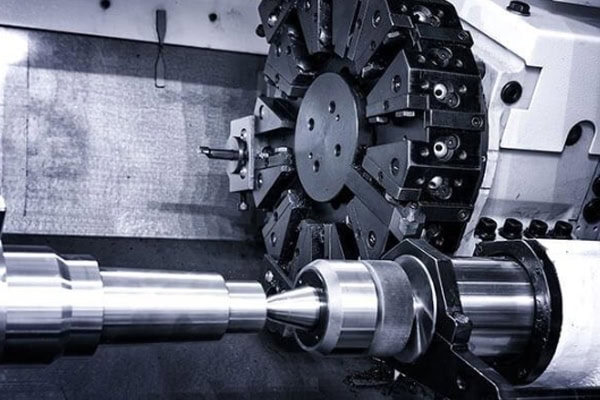
Modern CNC machines are often equipped with automatic tool change systems to improve continuous machining efficiency and reduce manual intervention.
- Improve machining continuity
- Reduce manual tool change time
- Stabilize production rhythm
- Automatically identify tool conditions
- Reduce human operating errors
- Improve batch production efficiency
- Support intelligent tool management
Automatic tool change systems improve production efficiency and reduce downtime.