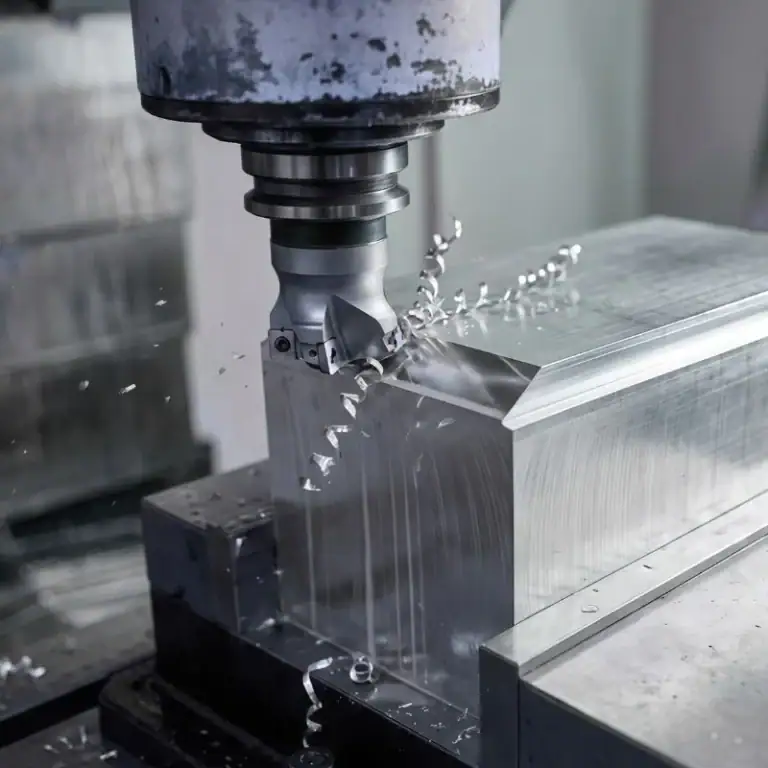
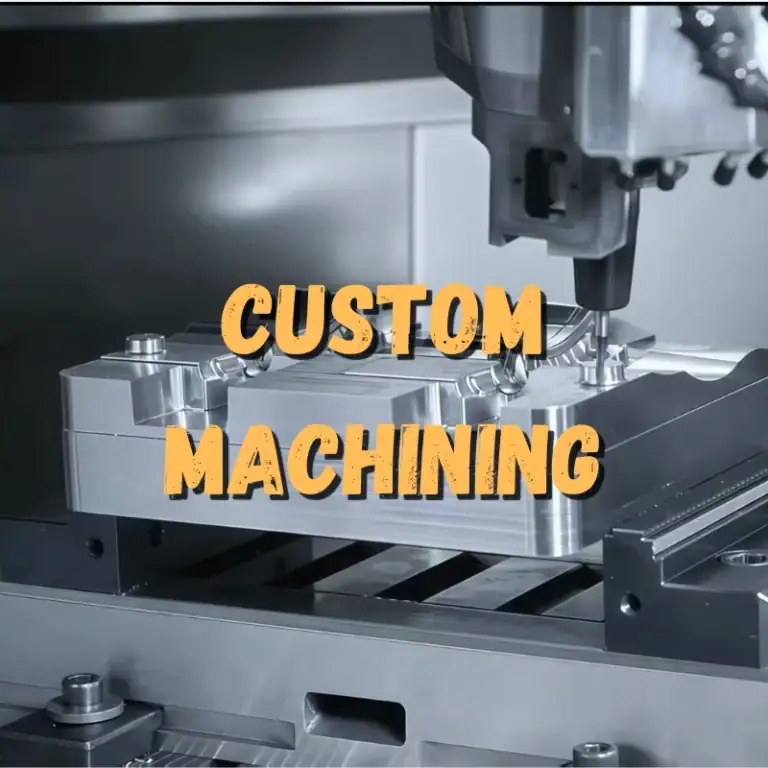
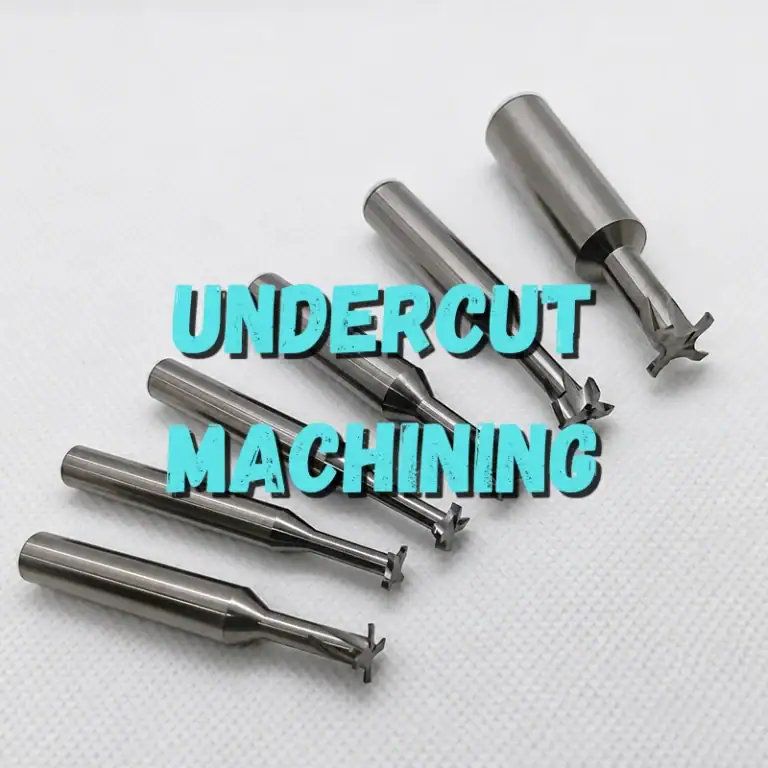
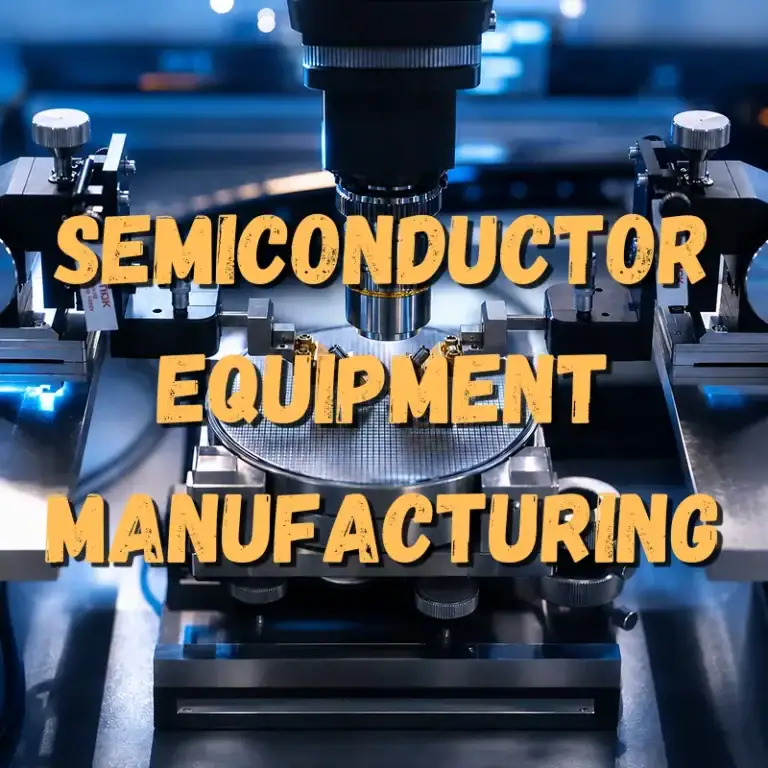
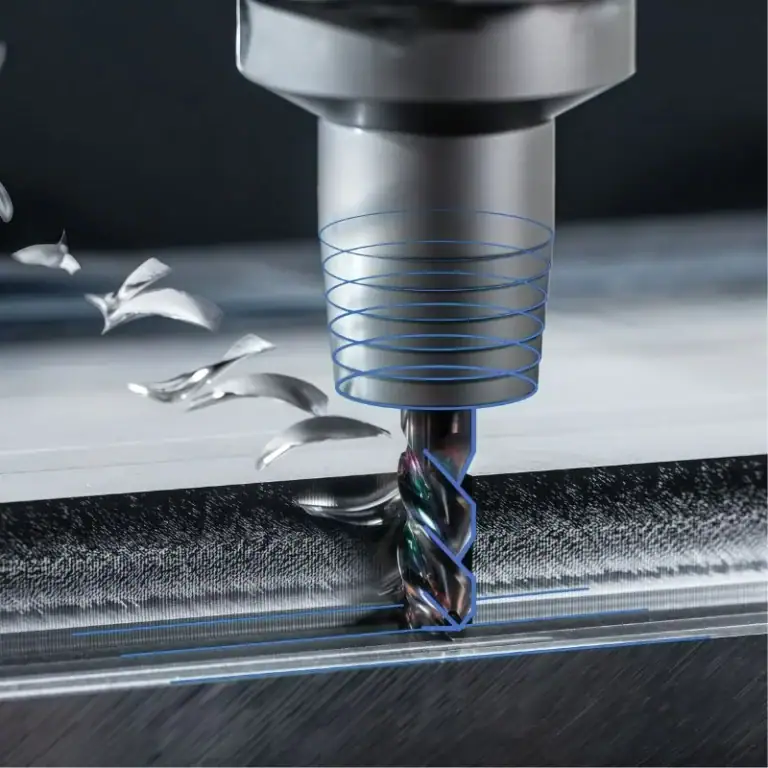
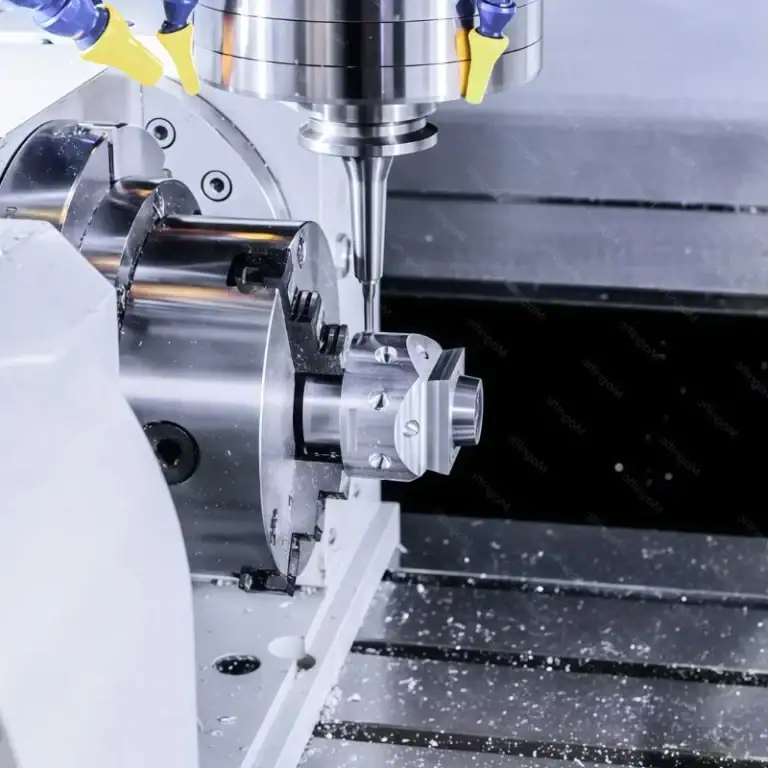
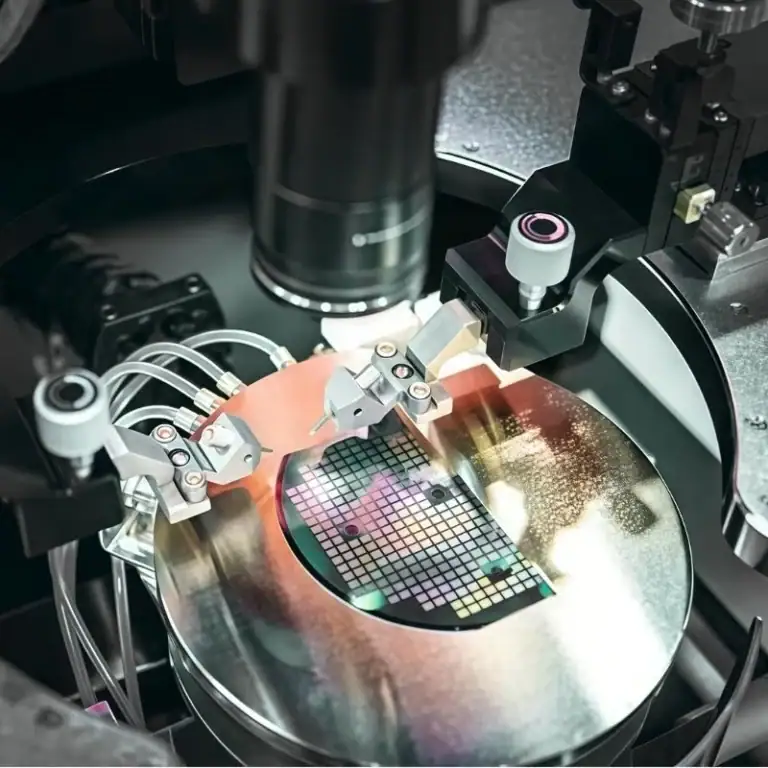
In today’s high-end manufacturing industry, where precision is continuously pushed to micron-level and beyond, product quality depends not only on materials but also on process control capabilities. CNC precision machining has become widely used in aerospace, medical devices, and precision mold manufacturing because it integrates design, equipment, control, and process into a unified system. This allows stable, repeatable, and highly accurate machining results. To truly understand how it achieves high precision, we need to break down its key technical components step by step.
Digital Design and Program Control Foundation
In high-precision manufacturing systems, accuracy is determined at the design stage, while CNC systems ensure that design intent is faithfully translated into physical parts.
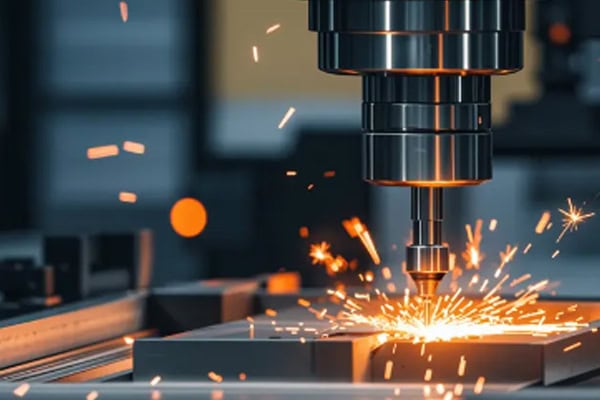
CAD Modeling for Source-Level Precision Control
Through CAD 3D modeling, dimensions and tolerances are defined with high accuracy at the design stage, ensuring minimal initial deviation.
- Precisely defines dimensions and tolerances
- Reduces the need for post-processing adjustments
- Improves consistency between design and manufacturing
CAM Programming for Toolpath Generation
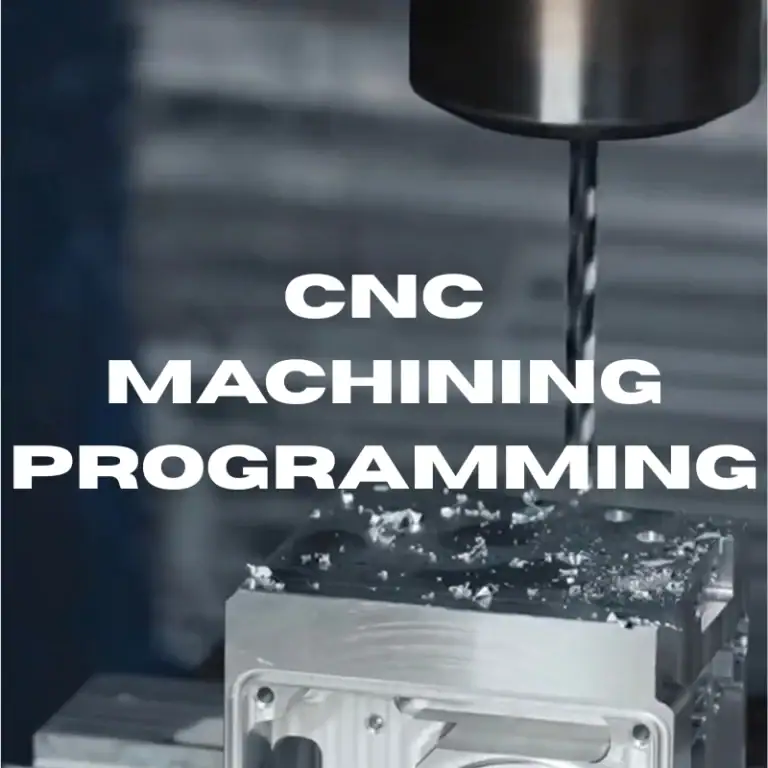
CAM systems convert design models into executable machining paths, enabling complex structures to be processed in a standardized way.
- Automatically generates toolpaths
- Optimizes machining sequences
- Reduces human programming errors
G-Code Driven CNC Execution
CNC systems use G-code to precisely control machine tool movements, ensuring every action is executed in a quantifiable manner.
- Controls motion trajectory accuracy
- Ensures batch consistency
- Enables standardized production workflows
High-Precision Equipment and Mechanical Structure
Beyond digital instructions, the mechanical accuracy of the machine tool itself defines the upper limit of machining precision.
High-Rigidity Machine Structure Design
Machine rigidity directly affects vibration and deformation during machining.
- Improves vibration resistance
- Reduces machining deformation
- Ensures long-term operational stability
Precision Guideways and Transmission Systems
Guideways and ball screws are key components that determine motion accuracy.
- Reduces mechanical clearance errors
- Improves positioning accuracy
- Enhances motion smoothness
High-Precision Spindle System
The spindle directly affects cutting stability and final surface quality.
- Controls rotational accuracy
- Improves cutting stability
- Enhances surface finishing quality
Error Control and Real-Time Compensation Technology
Even with high-precision equipment, machining is still affected by temperature, vibration, and environmental factors, making real-time control essential.
Real-Time Monitoring Systems
Sensors continuously monitor machining conditions to detect deviations early.
- Temperature variation monitoring
- Vibration detection
- Dimensional deviation feedback
Automatic Error Compensation
The system adjusts machining parameters dynamically based on feedback data.
- Compensates thermal deformation errors
- Adjusts tool paths automatically
- Improves overall stability
Environmental Stability Control
Machining environments must be strictly controlled to ensure precision.
- Constant-temperature workshop conditions
- Reduced external vibration interference
- Controlled humidity and dust levels
Multi-Axis Machining and Process Optimization
Advanced machining strategies further reduce error accumulation and improve overall precision.
Multi-Axis Machining Technology
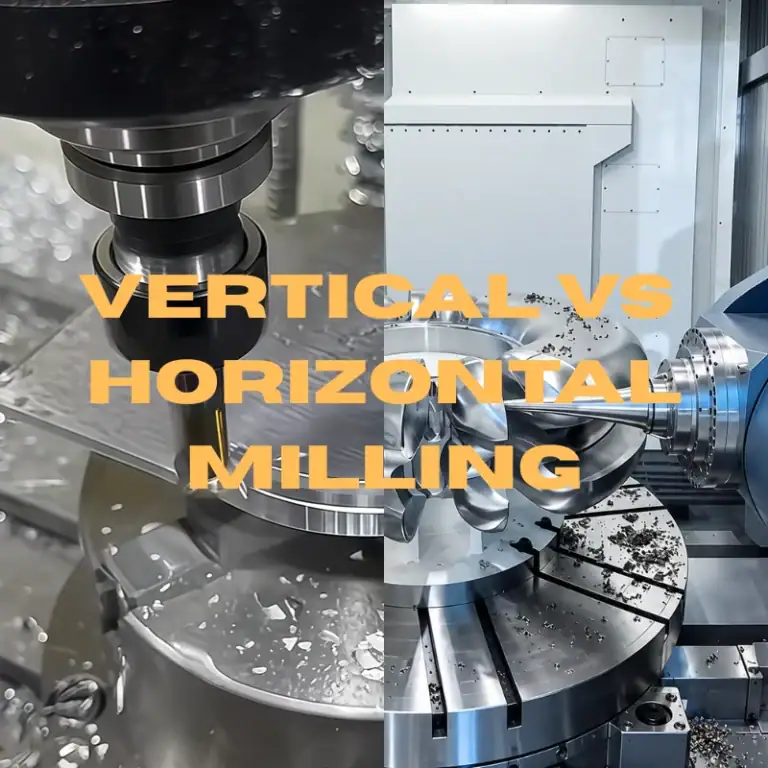
Multi-axis systems reduce setup times and minimize cumulative errors.
- Completes complex machining in one setup
- Improves curved surface machining capability
- Reduces positioning errors
Process Path Optimization
Proper toolpath planning significantly improves accuracy and efficiency.
- Reduces idle tool movement
- Optimizes cutting sequences
- Minimizes tool wear
Tool and Material Matching Optimization
Different materials require different tooling strategies to maintain stability.
- Improves cutting stability
- Reduces material deformation
- Extends tool life
The high precision achieved by CNC machining is the result of the combined effect of digital design, high-precision equipment, real-time error control, and multi-axis machining technology. It transforms traditional experience-based machining into a data-driven manufacturing system, significantly improving consistency and reliability. As high-end manufacturing continues to evolve, this technology has become a fundamental capability. For companies, choosing a stable and reliable machining partner is essential. Tirapid provides professional CNC precision machining solutions to help businesses achieve higher-quality and more efficient manufacturing upgrades.