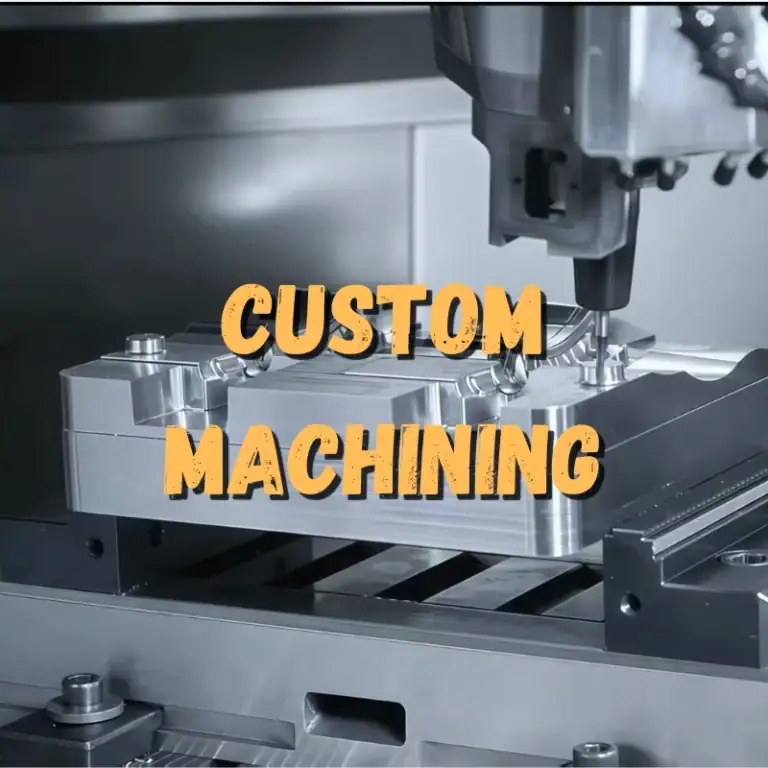
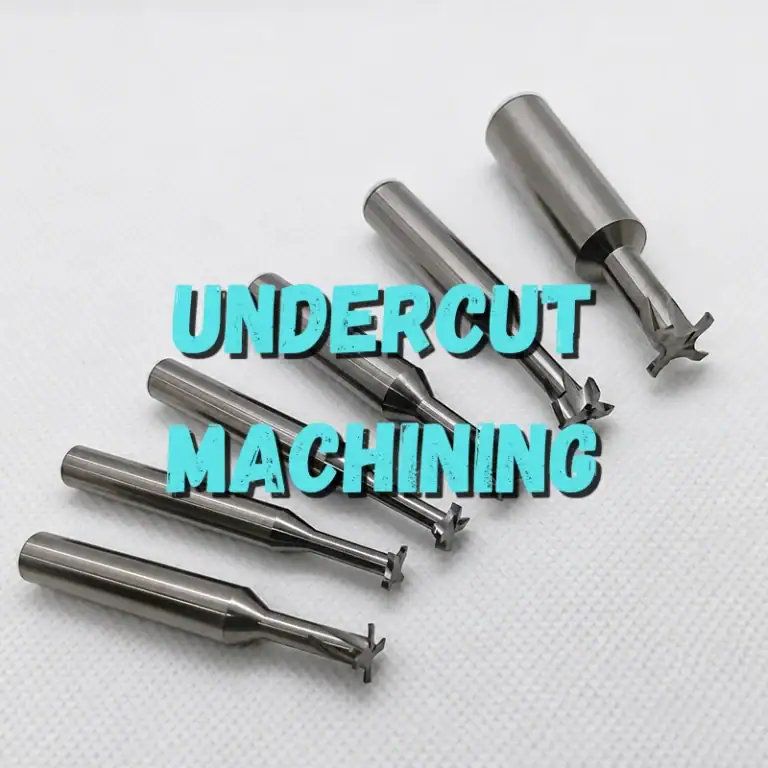
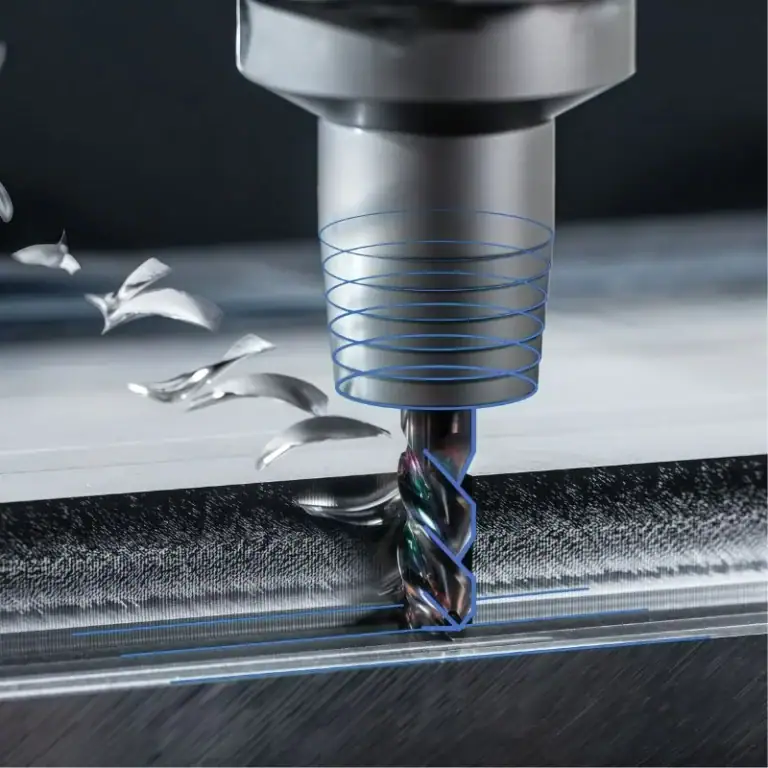
Delrin vs UHMW is a common engineering plastic comparison because both materials are used for bushings, bearings, wear strips, rail slides, conveyor parts, and CNC machined components. Delrin is usually selected for rigidity, dimensional stability, hardness, and precise machining, while UHMW is chosen for low friction, impact resistance, abrasion resistance, and chemical resistance.
In this guide, we compare delrin vs uhmw by mechanical strength, hardness, friction, wear resistance, moisture behavior, chemical resistance, machinability, cost, and typical applications.
What Is Delrin?
Delrin is an acetal homopolymer engineering plastic known for high stiffness, good hardness, low friction, low moisture absorption, and excellent dimensional stability. It is widely used when a machined plastic part must hold accurate dimensions and resist repeated mechanical movement.
Delrin belongs to the POM material family, also called polyoxymethylene or acetal. Compared with many general-purpose plastics, it provides a better balance of rigidity, wear resistance, fatigue strength, and clean machinability.
Compared with UHMW, Delrin is usually the better choice for parts that require tight tolerances, accurate holes, threads, flatness, roundness, and stable assembly fit. It is not as impact-resistant or abrasion-resistant as UHMW in every sliding environment, but it is more precise.
Common Characteristics of Delrin
The common characteristics of Delrin are rigidity, dimensional stability, low friction, good hardness, and excellent machinability. These characteristics make it suitable for precision mechanical components rather than soft impact-absorbing parts.
Delrin has a smooth surface, good fatigue resistance, and strong creep resistance compared with many softer plastics. It can perform well in repeated movement and moderate-load mechanical systems where shape stability matters.
The practical value of Delrin is predictability. It cuts cleanly, holds detail well, and maintains machined geometry better than UHMW. This is why Delrin is often preferred for precision gears, bushings, rollers, spacers, and custom CNC machined parts.
Key Properties of Delrin
The key properties of Delrin are high stiffness, good tensile strength, low moisture absorption, good wear resistance, and strong dimensional stability. These properties make it a practical choice for mechanical parts that require accuracy and repeatable motion.
Common advantages of Delrin include:
- High rigidity
- Good hardness
- Low friction
- Good wear resistance
- Low moisture absorption
- Excellent CNC machinability
- Good creep resistance
- Stable dimensions after machining
- Good fatigue performance
- Suitable for precision mechanical parts
Delrin is not usually selected when the main requirement is maximum impact absorption or very high abrasion resistance in dirty sliding environments. Its main value is accuracy, stiffness, and stable mechanical performance.
What Is UHMW?
UHMW is an ultra-high-molecular-weight polyethylene known for very low friction, excellent impact resistance, strong abrasion resistance, and good chemical resistance. It is widely used when a plastic part must slide, absorb impact, or resist wear in rough industrial environments.
UHMW is part of the polyethylene family, but its extremely long molecular chains give it much better toughness and wear performance than standard polyethylene. It is commonly used for conveyor parts, wear strips, guide rails, liners, chute surfaces, and rail slides.
Compared with Delrin, UHMW is softer and more flexible. It does not hold tight tolerances as easily, but it can perform better in sliding, abrasive, and impact-heavy applications where toughness is more important than rigidity.
Common Characteristics of UHMW
The common characteristics of UHMW are low friction, high impact strength, strong abrasion resistance, chemical resistance, and very low moisture absorption. These characteristics make it suitable for wear surfaces and sliding components.
UHMW has a slippery surface and can often work without lubrication. It helps reduce sticking, noise, and material buildup in conveyor systems, packaging lines, food processing equipment, and material handling systems.
The practical value of UHMW is durability in movement. It is not the most rigid plastic, but it resists abrasion and impact very well. For large sliding surfaces and wear strips, UHMW is often more forgiving than Delrin.
Key Properties of UHMW
The key properties of UHMW are low friction, excellent abrasion resistance, high impact resistance, chemical resistance, and low water absorption. These properties make it a strong material for sliding and wear applications.
Common advantages of UHMW include:
- Very low friction
- Excellent abrasion resistance
- High impact resistance
- Good chemical resistance
- Low moisture absorption
- Good noise reduction
- Good sliding behavior
- Suitable for conveyor and guide rail parts
- Strong performance in rough wear environments
- Cost-effective for large wear surfaces
UHMW is not usually selected for high-precision parts that require tight tolerances, sharp machined details, or high stiffness. Its main value is wear life, sliding performance, and toughness.
Delrin vs UHMW: Quick Comparison
Delrin vs UHMW can be summarized as precision and rigidity versus low friction and abrasion resistance. Delrin is better for accurate machined parts, while UHMW is better for tough sliding and wear surfaces.
| Property Focus | Delrin | UHMW |
| Main advantage | Precision and rigidity | Low friction and abrasion resistance |
| Strength | Higher | Lower to moderate |
| Hardness | Higher | Lower |
| Flexibility | Lower | Higher |
| Impact resistance | Good | Excellent |
| Friction | Low | Very low |
| Wear resistance | Good for precision wear | Excellent for abrasion |
| Dimensional stability | Better | Lower |
| Machinability | Excellent | More difficult |
| Cost | Usually higher | Usually lower |
| Best use | Precision CNC parts | Wear strips and sliding surfaces |
Tensile Strength
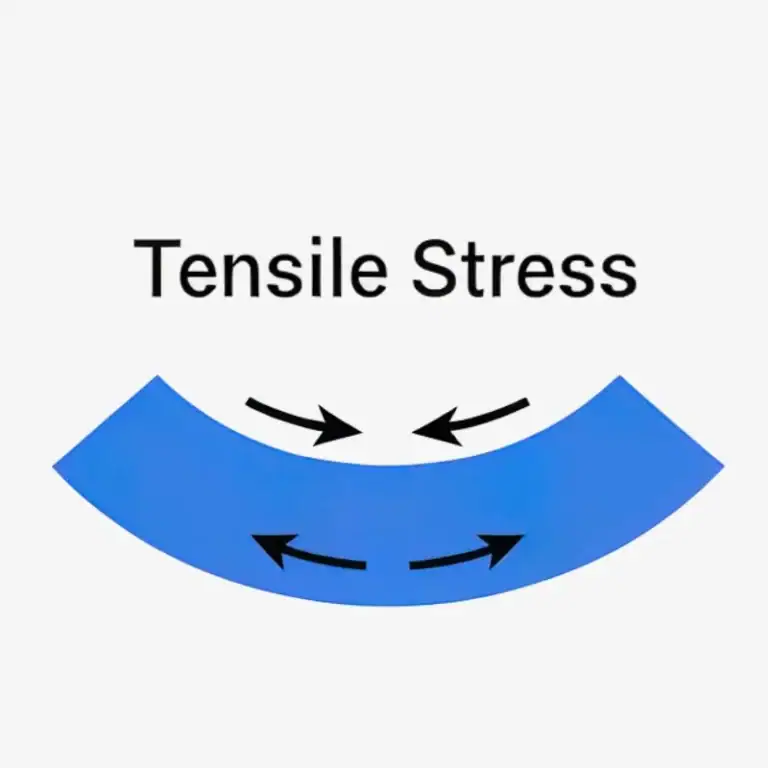
Delrin generally has higher tensile strength than UHMW, which makes it better for parts that must resist pulling, bending, and mechanical load. It is commonly used when the part needs a stronger and more rigid structure.
UHMW has lower tensile strength but higher toughness and impact resistance. This means it may deform more under load, but it can absorb impact and resist cracking better in rough service conditions.
For engineering selection, tensile strength is only one factor. Delrin is stronger in rigid load-bearing parts, while UHMW may perform better when shock, impact, and abrasion are the main risks.
Flexural Modulus
Delrin has a much higher flexural modulus than UHMW, meaning it is stiffer and bends less under load. This makes Delrin better for tight-tolerance parts, mechanical supports, and precision assemblies.
UHMW has a lower flexural modulus, so it is more flexible. This flexibility can be helpful for impact absorption, liners, wear strips, and sliding rails, but it can be a problem when the part must stay flat or hold exact geometry.
If the design needs rigidity and accurate alignment, Delrin is usually the better choice. If the design needs toughness and flexibility, UHMW may be more suitable.
Water Absorption
Both Delrin and UHMW have low water absorption, but UHMW usually absorbs extremely little moisture. This helps both materials perform better than moisture-sensitive plastics in wet or humid environments.
Delrin still provides better dimensional control in many machined parts because it is stiffer and harder. UHMW resists water well, but its softness and thermal expansion can still make precision tolerance control difficult.
For wet sliding surfaces, UHMW can be excellent. For wet precision components that need tight machined features, Delrin may still be easier to control.
Coefficient of Friction
UHMW generally has a lower coefficient of friction than Delrin, making it better for sliding surfaces, guide rails, wear strips, and conveyor contact parts. It is often selected when lubrication is difficult or undesirable.
Delrin also has low friction, but its main advantage is combining low friction with hardness and dimensional stability. This makes it useful for gears, bushings, rollers, and precision moving parts.
In a delrin vs uhmw friction comparison, UHMW usually wins for lowest friction. Delrin wins when low friction must be combined with tighter tolerance and higher stiffness.
Melting Point
Delrin generally has a higher usable heat capability than UHMW in many machined part applications, while UHMW is more limited in elevated-temperature environments. This matters when sliding generates frictional heat or the part operates near warm equipment.
UHMW can soften or deform more easily when heat and load are combined. Delrin usually keeps shape better under moderate heat and mechanical stress.
For high-temperature applications, neither material should be selected by name alone. Engineers should check grade-specific data and consider alternatives such as nylon, PPS, PTFE, or PEEK when temperatures are demanding.
Chemical and Abrasion Resistance
UHMW usually has better abrasion resistance and strong chemical resistance, while Delrin provides better hardness and precision wear behavior. This is one of the clearest differences in the delrin vs uhmw wear resistance comparison.
UHMW performs well in abrasive sliding contact, conveyor systems, material handling, and chemical exposure. Delrin performs well in more precise wear systems where dimensional accuracy and surface finish matter.
If the part contacts abrasive material, UHMW is often safer. If the part has tight mating features and moderate wear, Delrin is often more accurate.
Durability and Flexibility
UHMW is more flexible and impact-resistant, while Delrin is more durable in rigid precision assemblies. UHMW can handle shock and rough contact better, but Delrin holds shape and detail better over time.
This means durability depends on the failure mode. If the part fails by cracking or abrasion, UHMW may last longer. If the part fails by deformation, tolerance loss, or poor fit, Delrin may last longer.
The better material is not always the harder one. It is the one that matches load, movement, environment, and tolerance requirements.
Cost Difference
UHMW is usually more cost-effective than Delrin for large wear surfaces, while Delrin is usually more cost-effective for precision machined parts that require stable dimensions. Raw material price alone does not decide the better choice.
In a delrin vs uhmw cost comparison, UHMW often has a lower material cost, especially for wear strips, liners, and large sliding parts. Delrin may cost more, but it can reduce machining risk and improve part accuracy.
The right cost decision should include machining time, scrap risk, installation, maintenance, downtime, and replacement frequency.
Delrin vs UHMW:Mechanical Properties Comparison
Delrin has better rigidity, hardness, and dimensional control, while UHMW has better impact resistance, flexibility, and abrasion toughness. This mechanical difference guides most material selection decisions.
Strength and Rigidity
Delrin is stronger and more rigid than UHMW in most engineering part designs. It resists bending and deformation better, making it suitable for precise components and structural plastic parts.
UHMW is not weak, but it is softer and more flexible. This makes it better for parts that must absorb impact or slide against rough surfaces without cracking.
Choose Delrin when stiffness and geometry control are important. Choose UHMW when toughness and impact absorption are more important than rigid shape.
Load Capacity
Delrin usually provides better load capacity when the part must hold shape under mechanical stress. Its stiffness and creep resistance help maintain alignment, hole position, and bearing clearance.
UHMW can handle impact and sliding contact, but it may deform more under sustained load. This can be acceptable for liners and wear strips, but it may be risky for precision bushings or tight assemblies.
For delrin vs uhmw bushings, Delrin is often better when the bushing needs stable clearance and accurate fit. UHMW may be better when the bushing faces dirty, abrasive, or impact-heavy service.
Impact Resistance
UHMW has better impact resistance than Delrin. It can absorb shock, resist cracking, and perform well in rough handling or high-contact environments.
Delrin has good toughness, but it is harder and less flexible. In applications where sudden impact is common, Delrin may chip or crack more easily than UHMW.
For impact pads, chute liners, guide rails, and conveyor wear surfaces, UHMW is usually the stronger choice. For precision mechanical parts, Delrin is usually more stable.
Flexibility and Deformation Control
UHMW is more flexible, while Delrin provides better deformation control. UHMW flexibility helps absorb impact, but it can also create tolerance and flatness challenges.
Delrin is less flexible and holds shape better. This makes it more suitable for parts that require tight tolerances, precise machining, or repeatable assembly.
The practical question is whether the part should bend or stay rigid. If flexibility helps the part survive, choose UHMW. If deformation causes failure, choose Delrin.
Delrin vs UHMW:Friction, Wear, and Abrasion Performance
UHMW is better for low-friction abrasion resistance, while Delrin is better for precision wear and controlled movement. Both materials can slide well, but they serve different wear environments.
Low-Friction Performance of UHMW
UHMW has very low friction and excellent self-lubricating behavior. This makes it ideal for guide rails, wear strips, conveyor surfaces, chute liners, and sliding pads.
Its slippery surface helps reduce sticking, noise, and product damage. It can also reduce the need for lubrication in many dry sliding applications.
UHMW is often preferred when the part is large, sliding contact is continuous, and precision tolerance is not the main requirement.
Precision Wear Performance of Delrin
Delrin provides good wear resistance with better hardness and dimensional stability than UHMW. This makes it suitable for precision gears, rollers, bushings, bearings, and machined sliding components.
Delrin may not be as abrasion-resistant as UHMW in dirty conveyor environments, but it holds shape better under controlled mechanical movement. It is better when wear surfaces must remain accurate.
Choose Delrin when the part needs wear resistance and precision at the same time. Choose UHMW when abrasion resistance and low-friction sliding are the main goals.
Rail Slides and Sliding Components
UHMW is often preferred for rail slides and long sliding components because it offers low friction, abrasion resistance, and good impact performance. It is practical for CNC router slides, guide rails, conveyor rails, and material handling surfaces.
Delrin may be better for smaller sliding components that require tighter tolerance, smoother machined detail, or higher rigidity. It can be used for rollers, precision blocks, and compact sliding mechanisms.
In uhmw vs hdpe vs delrin comparisons for rail slides, UHMW is often selected for lower friction and stronger wear resistance than HDPE, while Delrin is selected when precision and hardness are more important.
Material Selection for Dry Sliding Applications
For dry sliding applications, choose UHMW when the sliding surface is large, abrasive, or impact-prone. Choose Delrin when the part needs accurate geometry, tighter clearance, and better stiffness.
Dry sliding is not only about friction. Heat buildup, contact pressure, surface finish, debris, and deformation also affect wear life.
A good design review should evaluate sliding speed, load, duty cycle, surface roughness, and whether the part needs lubrication. This prevents choosing the lowest-friction material but still getting poor service life.
Delrin vs UHMW:Moisture, Chemical, and Environmental Resistance
UHMW generally provides better chemical resistance and very low water absorption, while Delrin provides better dimensional stability for precision machined parts. Both materials can perform well in wet or humid environments, but they are not identical.
Water Absorption and Dimensional Stability
Both Delrin and UHMW absorb little water, but Delrin usually offers better dimensional stability in precision components because it is stiffer and harder. UHMW resists water well, but it can still deform more easily under load.
For wet sliding surfaces, UHMW is often a strong option. For machined parts with holes, threads, grooves, or close-fitting features, Delrin may be easier to control.
If the part must maintain tight clearance in a humid environment, Delrin should be considered first. If the part mainly needs water-resistant sliding and abrasion resistance, UHMW may be better.
Chemical Resistance Comparison
UHMW usually has better chemical resistance than Delrin, especially against many acids, bases, and corrosive media. This makes it useful for liners, wear strips, and parts exposed to cleaning chemicals or industrial fluids.
Delrin has good resistance to many fuels, solvents, and neutral chemicals, but it can be affected by strong acids and some oxidizing agents. Chemical compatibility should always be checked before production.
For chemical sliding and wear applications, UHMW is often safer. For precision parts with moderate chemical exposure, Delrin may be suitable if compatibility is confirmed.
Outdoor and Environmental Performance
UHMW can perform well outdoors when the correct UV-stabilized grade is selected, while standard Delrin may not be ideal for long-term UV exposure without grade verification. Outdoor applications should not assume all grades perform the same.
Sunlight, rain, temperature cycling, dust, and mechanical wear can all affect plastic performance. UHMW may be preferred for outdoor wear strips and impact surfaces when UV-stabilized material is used.
For outdoor precision parts, engineers should confirm UV resistance, thermal expansion, load, and tolerance requirements before choosing Delrin or UHMW.
Temperature Variation Considerations
Delrin usually handles dimensional control better under moderate temperature changes, while UHMW may expand, soften, or deform more noticeably under heat and load. This is important for long rails, large plates, and tight-fit assemblies.
UHMW is excellent for low-friction sliding, but thermal expansion can affect alignment over long lengths. Delrin is more stable for smaller precision components, but it also has temperature limits.
For applications with large temperature swings, designers should allow expansion gaps, check fastening methods, and avoid overly tight tolerances in long plastic parts.
Delrin vs UHMW:Machinability and Manufacturing
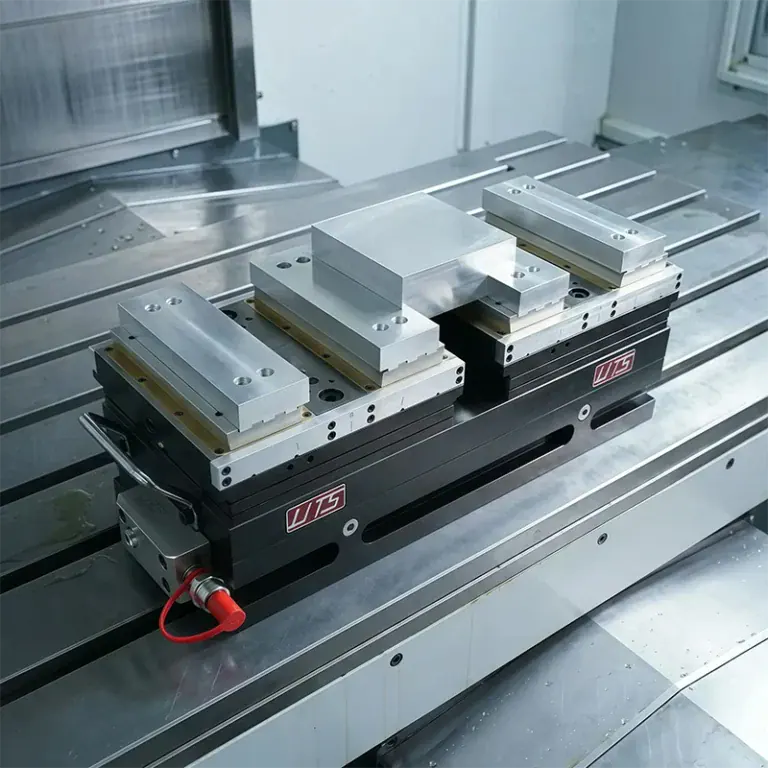
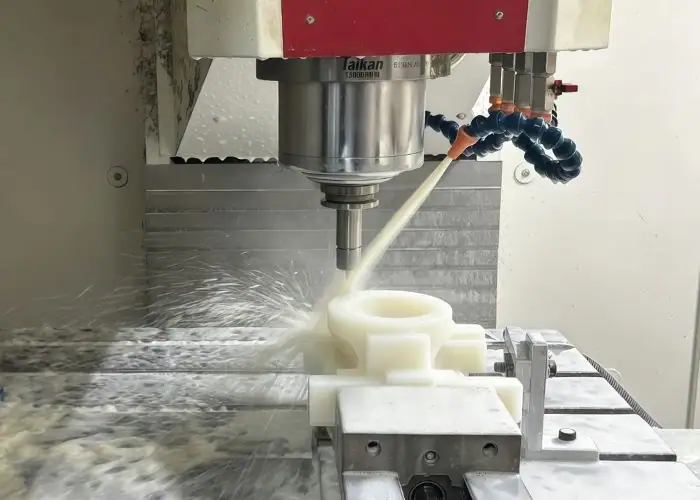
Delrin is easier to CNC machine accurately, while UHMW requires more care because it is softer, more flexible, and more difficult to hold to tight tolerances. Both materials can be machined, but they need different strategies.
CNC Machining Delrin
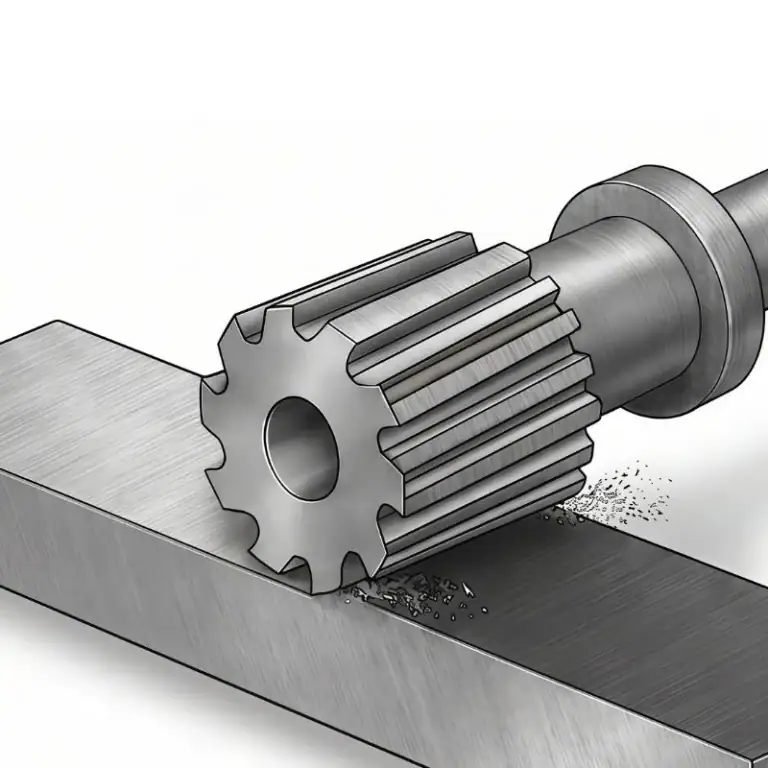
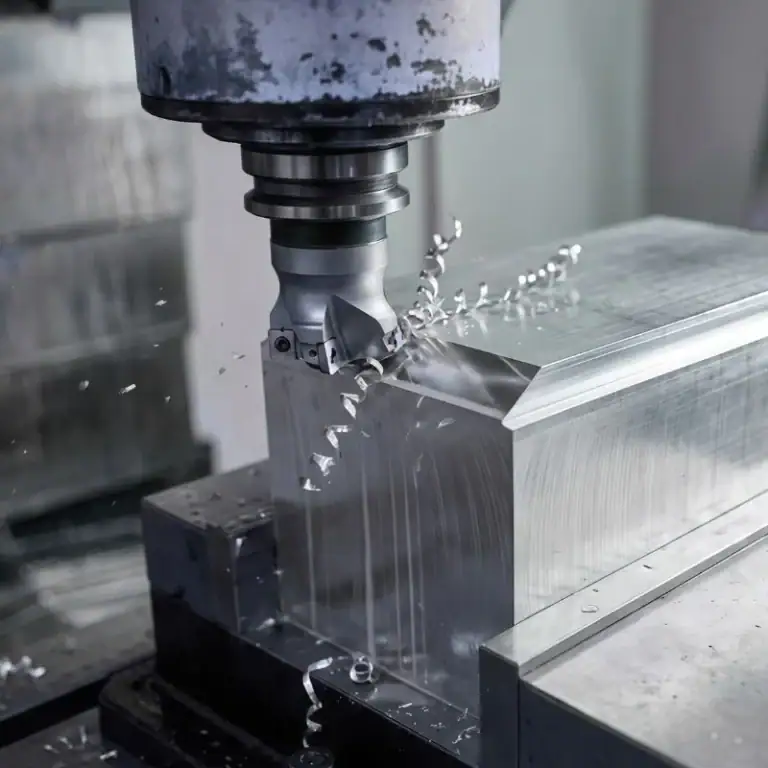
CNC machining Delrin is practical for precision plastic parts because the material cuts cleanly, holds detail well, and provides good surface finish. It is suitable for milled blocks, turned bushings, rollers, gears, spacers, jigs, fixtures, and complex machined components.
Delrin can be processed by CNC milling, CNC turning, drilling, tapping, boring, grooving, and profiling. Sharp tools, stable fixturing, moderate feeds and speeds, and proper deburring help maintain tolerance and surface quality.
Because Delrin is rigid and dimensionally stable, it is usually better for tight holes, threads, flat surfaces, bearing fits, and repeatable assemblies. For high-precision CNC machined parts, Delrin is often easier to control than UHMW.
CNC Machining UHMW
CNC machining UHMW is possible, but it is more challenging than machining Delrin because UHMW is soft, slippery, and flexible. It can deflect under cutting force and clamping pressure.
UHMW can be processed by CNC milling, CNC turning, drilling, profiling, routing, and cutting. It is commonly machined into wear strips, guide rails, liners, pads, bushings, and conveyor parts.
Successful UHMW machining requires sharp tools, light cutting pressure, secure but gentle fixturing, and realistic tolerances. Thin walls, long parts, and tight holes require extra attention because the material may move after machining.
Tooling, Fixturing, and Cutting Challenges
Tooling and fixturing are more demanding for UHMW than Delrin because UHMW can flex, smear, or move during cutting. Delrin is more rigid and usually produces cleaner chips and sharper features.
For Delrin, standard plastic machining practices often work well. For UHMW, custom fixtures, sharp cutters, chip control, and reduced clamping pressure may be needed to prevent distortion.
The main machining rule is to match the setup to the material. A fixture that works for Delrin may not work for UHMW, especially on long rails, thin sections, or flexible profiles.
Surface Finish and Tolerance Control
Delrin usually provides better surface finish and tolerance control than UHMW. It machines cleanly and can hold tighter dimensions, making it suitable for precision assemblies.
UHMW can produce functional surfaces, but edges and dimensions may be less sharp because the material is softer. For wear strips and guide rails, this is often acceptable. For precision mechanical parts, it may not be enough.
Designers should avoid unrealistic tolerances for UHMW and specify critical dimensions clearly. If tight tolerance is essential, Delrin may reduce production risk.
Typical Applications of Delrin and UHMW
Delrin and UHMW are used in different applications because Delrin is better for precision and rigidity, while UHMW is better for low-friction wear and impact resistance. The same machine may use both materials in different locations.
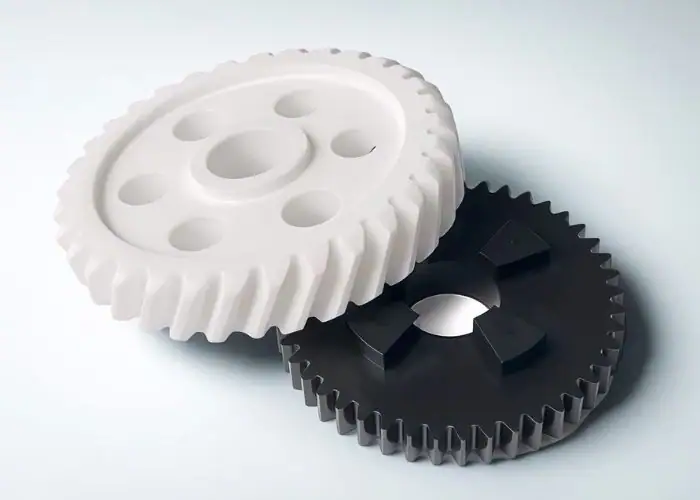
Delrin Applications
Delrin is commonly used for gears, bushings, bearings, rollers, spacers, valve parts, pump components, fasteners, electrical insulators, precision blocks, jigs, fixtures, and CNC machined mechanical parts.
It is especially useful when a part must hold shape, maintain clearance, and provide reliable movement. Delrin is often selected for smaller precision components where machining accuracy is important.
For custom CNC machining, Delrin is a strong choice when the drawing requires threads, holes, grooves, slots, or tight assembly features.
UHMW Applications
UHMW is commonly used for wear strips, guide rails, chain guides, conveyor components, chute liners, rail slides, impact pads, star wheels, dock fenders, cutting boards, and material handling parts.
It is especially useful when the part must slide against products, chains, packaging materials, or abrasive surfaces. UHMW can reduce friction, noise, and wear in continuous-operation systems.
For large sliding surfaces and conveyor wear parts, UHMW is often more cost-effective than Delrin because it combines low friction with strong abrasion resistance.
CNC Router and Rail Slide Applications
UHMW is often used for CNC router and rail slide applications because it provides low friction, wear resistance, and economical replacement for long sliding surfaces. It works well where the rail surface experiences repeated movement.
Delrin may be used when the slide component must be more rigid, precisely machined, or dimensionally stable. It can be better for small guide blocks, rollers, or precision sliding components.
In delrin vs uhmw vs hdpe rail slide decisions, UHMW is commonly selected for wear performance, HDPE for cost and easier fabrication, and Delrin for precision and stiffness.
Conveyor and Material Handling Applications
UHMW is usually preferred for conveyor and material handling applications because it provides low friction, impact resistance, and excellent abrasion performance. It is commonly used for guide rails, wear strips, liners, and chain supports.
Delrin may be used for precision rollers, bushings, and small mechanical elements within conveyor systems. It is helpful where accuracy and hardness matter more than large-area abrasion resistance.
The best conveyor design may use UHMW for long sliding surfaces and Delrin for precision machined moving parts.
Packaging Equipment Applications
UHMW is widely used in packaging equipment because it reduces friction, protects products, and resists abrasion from repeated contact. It is suitable for guide rails, star wheels, wear strips, and change parts.
Delrin is useful in packaging equipment where the part needs precise geometry, smooth operation, or higher stiffness. It can be used for rollers, timing elements, bushings, and machined fixtures.
Material selection should consider product contact, cleaning chemicals, sliding speed, and replacement frequency.
Industrial Manufacturing Applications
In industrial manufacturing, Delrin is used for precision machined components, jigs, fixtures, bushings, rollers, gears, and mechanical parts that require stability. It supports accurate movement and repeatable assembly.
UHMW is used for wear liners, guide rails, impact pads, conveyor parts, and sliding surfaces. It supports longer service life in abrasive or high-contact environments.
For production equipment, Delrin helps with precision. UHMW helps with durability in sliding and impact zones.
Delrin vs UHMW:Cost and Total Cost of Ownership
UHMW usually has a lower material cost than Delrin, but total cost depends on machining, maintenance, service life, and failure risk. A cheaper material is not always cheaper after installation.
Material Cost Comparison
UHMW is often more economical than Delrin for large sheets, strips, liners, and rail parts. This makes it attractive for conveyor systems and wear surfaces that may need regular replacement.
Delrin usually costs more, but it provides better rigidity, machinability, and dimensional accuracy. For small precision parts, the higher material cost may be acceptable because it reduces machining and assembly risk.
Material cost should be compared by part function, not just price per sheet or rod. The lower-cost material may fail faster if it does not match the working condition.
Factors Affecting Cost
Cost is affected by material grade, stock size, thickness, color, certification, tolerance, machining complexity, and order quantity. Delrin and UHMW both vary in price depending on supplier and form.
Machining cost can also be different. Delrin may machine faster and more accurately for precision features. UHMW may require more fixturing care and inspection if tolerances are strict.
A cost review should include raw material, CNC time, setup, scrap risk, inspection, packaging, and replacement interval.
Installation and Maintenance Costs
Installation and maintenance costs depend on how the part wears, how often it is replaced, and how easily it can be installed. UHMW can reduce maintenance in sliding and abrasive applications because of its wear resistance.
Delrin can reduce maintenance in precision assemblies by keeping fit, alignment, and movement more stable. It may prevent problems caused by deformation or tolerance drift.
For industrial equipment, the better material is often the one that reduces downtime, not simply the one with the lowest purchase price.
When Higher Material Cost Is Worth It
Higher material cost is worth it when it reduces failure risk, machining scrap, replacement frequency, or assembly problems. Delrin can be worth the higher cost when the part needs accuracy, rigidity, and tight tolerance.
UHMW can be worth the cost when it extends wear life in sliding, abrasive, or impact-heavy applications. In many large wear surfaces, it may offer strong value even when compared with cheaper plastics like HDPE.
The right decision should compare performance risk and total ownership cost, not material cost alone.
How to Choose Between Delrin and UHMW?
Choose Delrin when precision, rigidity, hardness, and machinability are the main requirements. Choose UHMW when low friction, impact resistance, abrasion resistance, and chemical resistance are more important.
Choose Delrin for Precision, Rigidity, and Machinability
Delrin is the better choice when the part needs tight tolerance, clean machining, higher stiffness, and stable dimensions. It is suitable for gears, bushings, rollers, spacers, valve parts, fixtures, and precision CNC machined parts.
Choose Delrin when the project needs:
- Higher rigidity
- Better hardness
- Tight tolerance control
- Clean CNC machining
- Accurate holes and threads
- Better dimensional stability
- Precision wear performance
- Stable mechanical fit
- Good creep resistance
- Repeatable assembly accuracy
Delrin is usually the safer option when the part has important machined details or must fit accurately with metal or plastic mating components.
Choose UHMW for Low Friction, Impact Resistance, and Abrasion Resistance
UHMW is the better choice when the part needs very low friction, high impact resistance, strong abrasion resistance, and good chemical resistance. It is suitable for wear strips, liners, guide rails, rail slides, conveyor parts, and impact pads.
Choose UHMW when the project needs:
- Very low friction
- Excellent abrasion resistance
- High impact resistance
- Good chemical resistance
- Sliding without lubrication
- Noise reduction
- Conveyor guide performance
- Large wear surfaces
- Material handling durability
- Cost-effective replacement parts
UHMW is usually the safer option when the part is large, sliding, impact-prone, or exposed to abrasive contact.
Decision Summary for Engineering Parts
The decision is simple when the main performance risk is clear. If the risk is deformation, tolerance loss, or poor machining accuracy, choose Delrin. If the risk is abrasion, friction, impact, or sliding wear, choose UHMW.
| Requirement | Recommended Material |
| Higher rigidity | Delrin |
| Better hardness | Delrin |
| Tighter CNC tolerance | Delrin |
| Better precision machining | Delrin |
| Stable bushing clearance | Delrin |
| Lower friction sliding surface | UHMW |
| Better abrasion resistance | UHMW |
| Better impact resistance | UHMW |
| Conveyor guide rails | UHMW |
| Large wear strips | UHMW |
| Lower material cost | UHMW |
| Precision gears and rollers | Delrin |
FAQs
Is Delrin More Durable Than UHMW?
Delrin is more durable than UHMW when the part needs rigidity, hardness, and tight dimensional control. It has higher stiffness and better machinability, making it suitable for precision bushings, rollers, gears, and CNC machined parts. UHMW is more durable in abrasion and impact applications because it has very low friction and excellent toughness. Choose Delrin for precision, choose UHMW for sliding wear and impact resistance.
What Is Stronger Than UHMW?
Several plastics are stronger than UHMW in stiffness and tensile strength. Delrin, nylon, PEEK, PPS, and glass-filled nylon can provide higher rigidity and better load-bearing performance. UHMW is not selected mainly for strength,it is chosen for low friction, abrasion resistance, and impact toughness. For high-load CNC machined parts, Delrin or PEEK is usually stronger. For sliding liners and wear strips, UHMW may still perform better.
Which Is Better, Nylon Or UHMW?
Nylon is better when the part needs higher stiffness, better load capacity, and stronger mechanical performance. UHMW is better when the part needs very low friction, abrasion resistance, impact resistance, and chemical resistance. Nylon is often used for gears, rollers, wheels, and structural plastic parts. UHMW is commonly used for guide rails, wear strips, liners, and conveyor parts. The better choice depends on load, friction, wear, and tolerance.
What Is Better Than Delrin?
PEEK, PPS, nylon, PTFE, or UHMW can be better than Delrin depending on the application. PEEK is better for high temperature and high load. UHMW is better for abrasion and impact resistance. PTFE is better for chemical resistance and ultra-low friction. Nylon is better for toughness and shock resistance. Delrin remains a strong choice for precision CNC machined parts requiring hardness, dimensional stability, and clean machining.
Conclusion
Delrin and UHMW are both useful engineering plastics, but they are designed for different manufacturing goals. Delrin is better for rigidity, hardness, dimensional stability, precision wear, and tight-tolerance CNC machined parts. UHMW is better for low friction, impact resistance, abrasion resistance, chemical resistance, and large sliding surfaces. The right choice depends on whether the part needs precision or wear durability.
At TiRapid, we provide precision CNC machining services for custom plastic components across multiple industries. If you are comparing Delrin vs UHMW for a machined part, upload your drawing or share your material requirements to get a tailored manufacturing solution.