Communication equipment must go through part prototyping, structural assembly, and functional verification before moving from design drawings to finished products. The manufacturing quality of enclosures, heat sinks, mounting brackets, and connecting components can affect internal module layouts, electrical connections, and equipment performance. Rapid prototyping helps R&D teams evaluate designs in advance, identify assembly interference and dimensional deviations, and make structural adjustments based on test results. When developing a prototyping plan, sheet metal fabrication, CNC machining, and surface finishing should be selected according to part applications, material properties, and delivery requirements to improve sample validation efficiency.
What Parts Are Involved in Rapid Prototyping for Communication Equipment?
Communication equipment has different internal structures and external designs, resulting in different prototyping requirements. Understanding each part’s function helps determine the appropriate manufacturing priorities.
Common Structural Parts in Communication Equipment
Prototyping projects typically involve the following components:
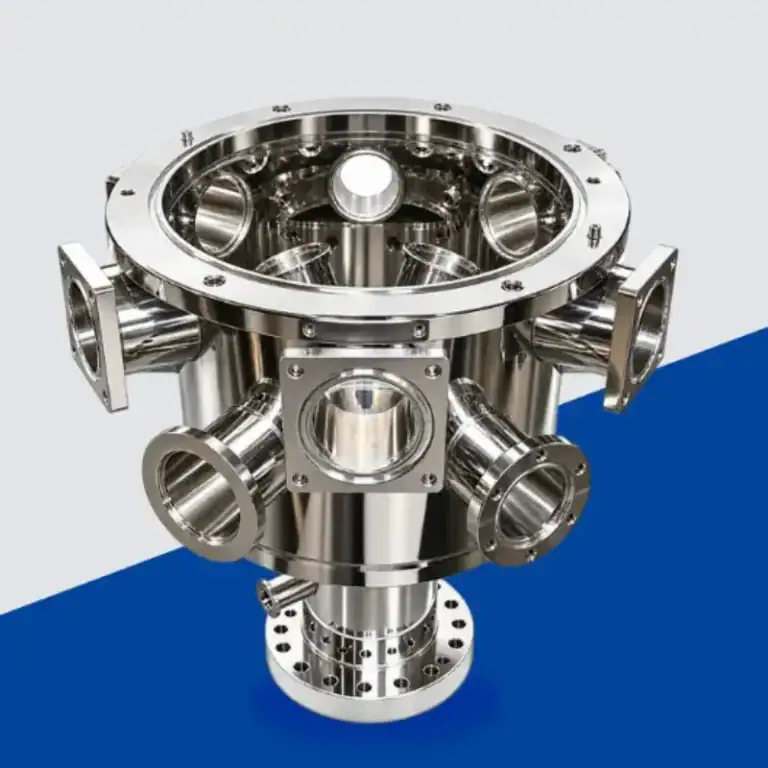
- Equipment Enclosures and Housings: These protect internal modules and require accurate overall dimensions, openings, and assembly spaces.
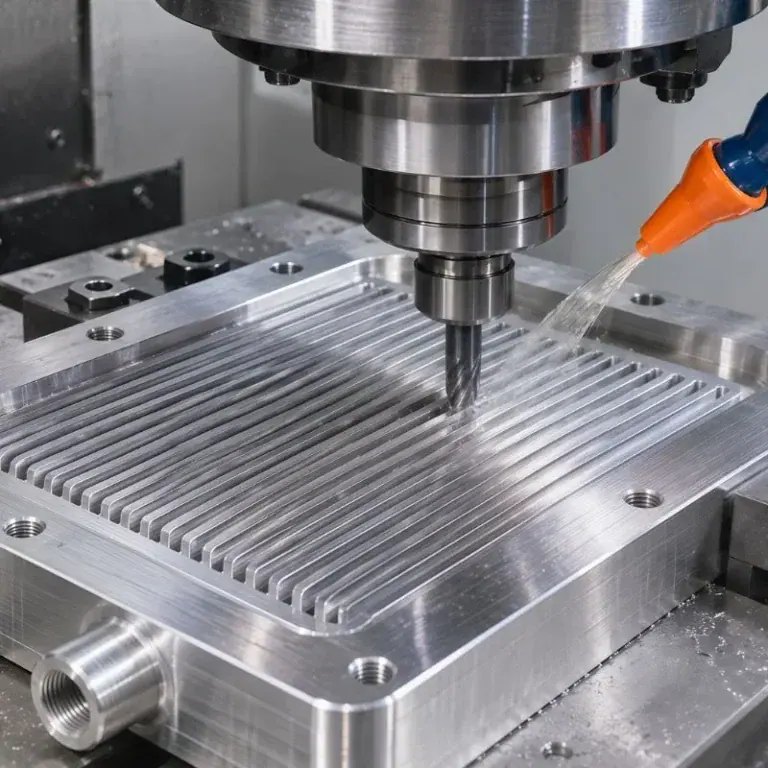
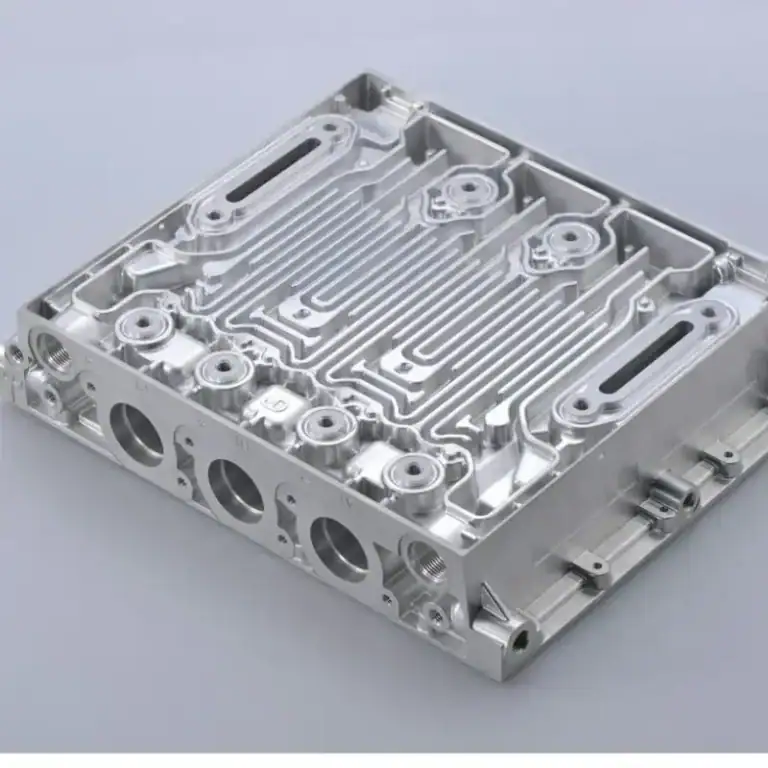
- Heat Sink Plates: These support heat-generating components and require attention to mounting surfaces and thermal contact areas.
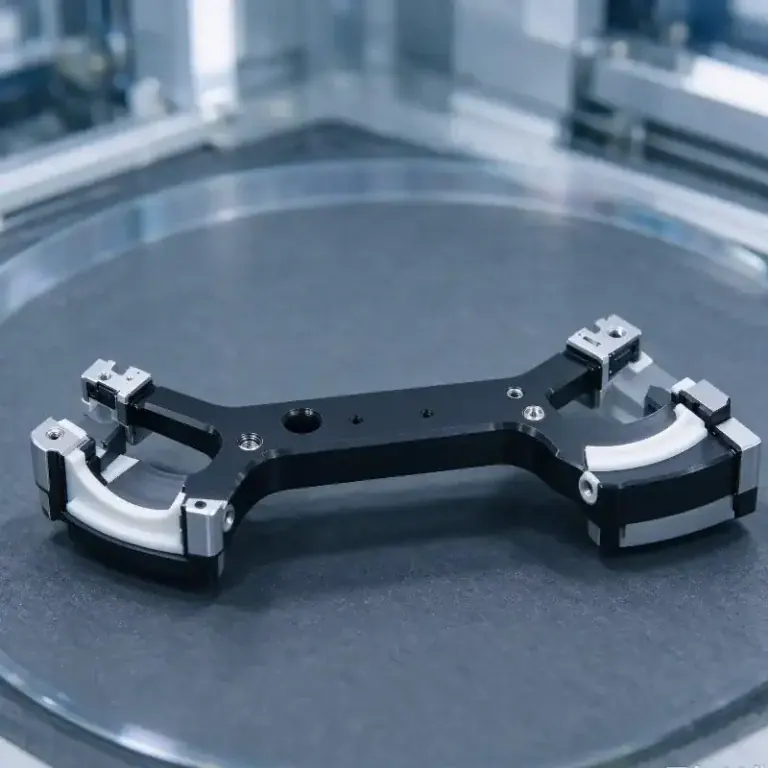
- Module Mounting Brackets: These secure circuit boards and communication modules, making hole positions and locating dimensions important.
- Connecting and Fastening Components: These connect different structural parts and must meet assembly and connection requirements.
The structural characteristics of each part affect material selection and machining methods. Their assembly relationships should be clearly defined before prototyping.
Design Issues to Address During Prototyping
Prototypes must meet not only drawing dimensions but also actual assembly requirements.
- Structural Interference: Check for space conflicts between enclosures, brackets, and internal modules.
- Hole Position Deviations: Confirm that mounting holes and connection points align correctly.
- Thermal Structure Issues: Check the contact between heat sink plates and heat-generating components.
- Shielding Structure Issues: Inspect enclosure seams, grounding points, and interface layouts against design requirements.
Identifying these issues early can reduce repeated machining and design modifications.

How to Select Materials and Manufacturing Processes for Rapid Prototyping of Communication Equipment?
Materials and manufacturing methods affect prototype performance, production costs, and delivery time. Selection should be based on the intended application of each part.
Select Materials According to Part Functions
Communication equipment includes metal enclosures, heat dissipation structures, and insulating components. Different applications require suitable materials.
| Part Type | Materials to Consider | Key Considerations |
| Enclosures and Housings | Steel sheets, aluminum alloys | Strength, protection, formability |
| Heat Sink Plates | Aluminum alloys, copper | Thermal conductivity, machinability |
| Module Mounting Brackets | Steel sheets, aluminum alloys | Rigidity, mounting accuracy |
| Precision Connectors | Aluminum alloys, stainless steel | Dimensional accuracy, connection reliability |
| Insulating Structures | Engineering plastics, insulating laminates | Insulation properties, structural stability |
Material selection should consider part loading, operating conditions, and assembly requirements. For structures with special electrical performance requirements, the material must also be checked against the actual design specifications.
Select Manufacturing Processes According to Part Structures
Rapid prototyping for communication equipment often combines sheet metal fabrication and CNC machining. Each process is suitable for different structural designs.
- Sheet Metal Fabrication: Cutting, punching, bending, riveting, and welding are used to manufacture enclosures, panels, and sheet metal brackets.
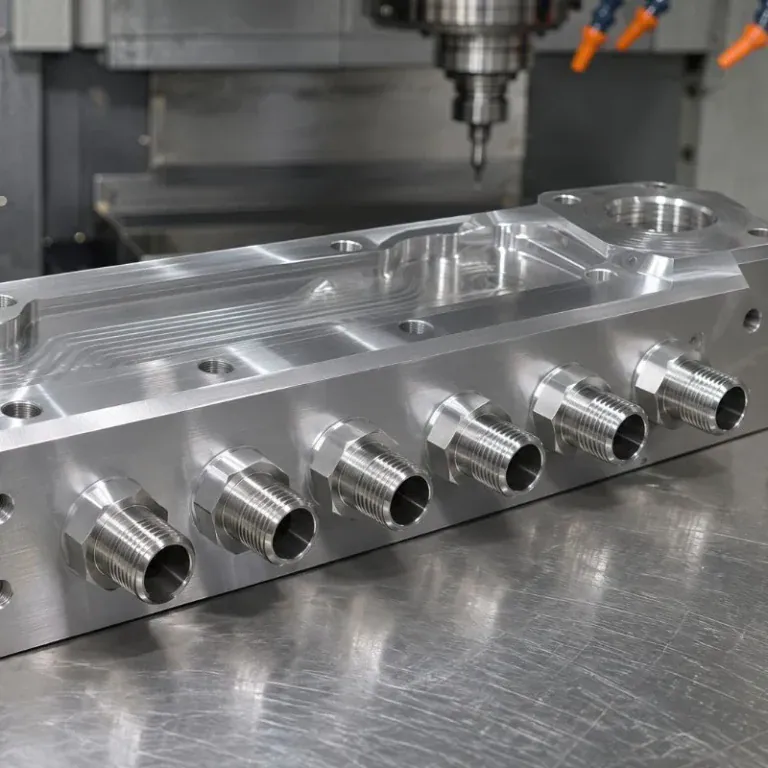
- CNC Milling: Suitable for heat sink plates, connecting bases, and parts with complex profiles.
- CNC Turning: Suitable for cylindrical connectors and other rotational components.
- Drilling and Tapping: Used to create mounting holes and threaded connection points.
During rapid prototyping, manufacturing methods can be selected according to design modification requirements. For later production, the processes can be adjusted based on order volume and cost considerations.
How to Improve Machining Quality and Validation Efficiency for Communication Equipment Prototypes?
Prototypes should not only be delivered on time but also meet practical assembly and testing requirements. Dimensional accuracy, structural details, and surface finishing must be carefully controlled during manufacturing.
Confirm Drawings and Critical Dimensions in Advance
Complete manufacturing documentation helps reduce communication errors. The following information should be confirmed:
- 2D Engineering Drawings: Specify dimensions, tolerances, hole positions, and surface requirements.
- 3D Models: Help evaluate complex structures and assembly spaces.
- Assembly Information: Define module mounting positions, connection relationships, and critical interface dimensions.
Critical dimensions for precision mounting positions should be identified in advance to prevent compatibility issues after prototype completion.
Control Dimensional Deviations During Machining
Different structures require appropriate machining controls. For thin-walled enclosures, fixture arrangements and bending sequences should be planned carefully to reduce deformation. Multi-sided CNC-machined parts require consistent positioning references to maintain the relative positions of different surfaces. Necessary dimensional inspections should be arranged for precision holes and mating surfaces to ensure that parts meet assembly requirements.
Pay Attention to Surface Finishing and Electromagnetic Shielding
Communication equipment enclosures may provide corrosion protection, grounding, and electromagnetic shielding. Surface treatments should be selected according to the material and structural requirements.
- Powder Coating: Suitable for certain metal enclosures, improving appearance and providing surface protection.
- Chemical Conversion Treatment: Can be used on some aluminum alloy structures, with the treatment selected according to conductivity and protection requirements.
- Anodizing: Improves the surface protection of aluminum alloys, but the effect of the oxide layer on electrical contact must be considered.
- Zinc Plating: Can be applied to steel components to improve surface corrosion resistance.
For areas requiring grounding and shielding, conductive contact surfaces should be planned in advance to prevent insulating coatings from covering them. Outdoor equipment should also have corrosion protection requirements determined according to its actual operating environment.
Verify Design Performance Through Prototype Testing
After prototype completion, inspections should be conducted according to equipment requirements:
- Assembly Inspection: Confirm that modules, brackets, and enclosures can be installed correctly.
- Structural Inspection: Check whether connection positions and fastening methods meet design requirements.
- Shielding Inspection: Verify grounding connections and shielding structures as required.
- Thermal Inspection: Evaluate the compatibility between heat dissipation structures and heat-generating components.
Any issues identified during testing should be reported promptly and incorporated into the design documentation for the next prototyping round.

What Should You Consider When Choosing a Rapid Prototyping Service for Communication Equipment?
Manufacturing services affect not only prototype delivery speed but also design modifications and subsequent production arrangements.
Evaluate Manufacturing and Delivery Capabilities
When selecting a service provider, assess its capabilities in sheet metal fabrication, CNC machining, surface finishing, and dimensional inspection. Confirm whether it can manufacture different structural parts according to the supplied drawings. For projects with tight deadlines, material preparation, production scheduling, and post-processing time should also be confirmed in advance to avoid delays in the overall R&D process.
Consider the Transition from Prototypes to Mass Production
After prototype validation, a project may move into small-batch production or full-scale manufacturing. Defining material requirements, machining references, surface treatments, and inspection standards in advance helps maintain consistent manufacturing processes and reduces repeated confirmation and production adjustments.
Rapid prototyping for communication equipment requires careful consideration of structural design, manufacturing feasibility, and actual assembly performance. Sheet metal forming and shielding structures are important for equipment enclosures, while heat sink plates and precision connectors require dimensional and fit control. By selecting suitable manufacturing processes, defining inspection standards, and responding promptly to prototype feedback, manufacturers can improve R&D validation efficiency and establish a reliable structural foundation for subsequent production.