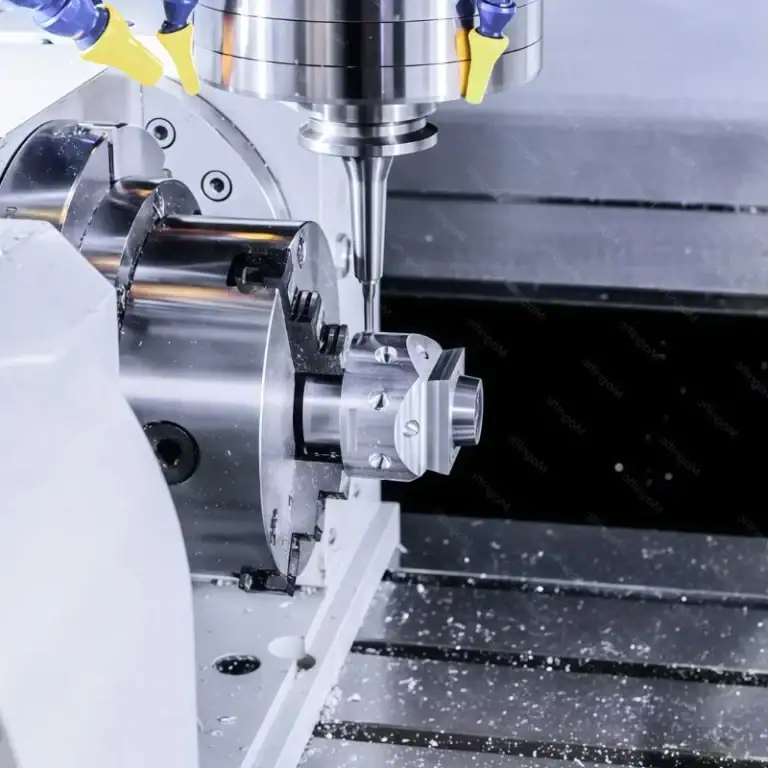
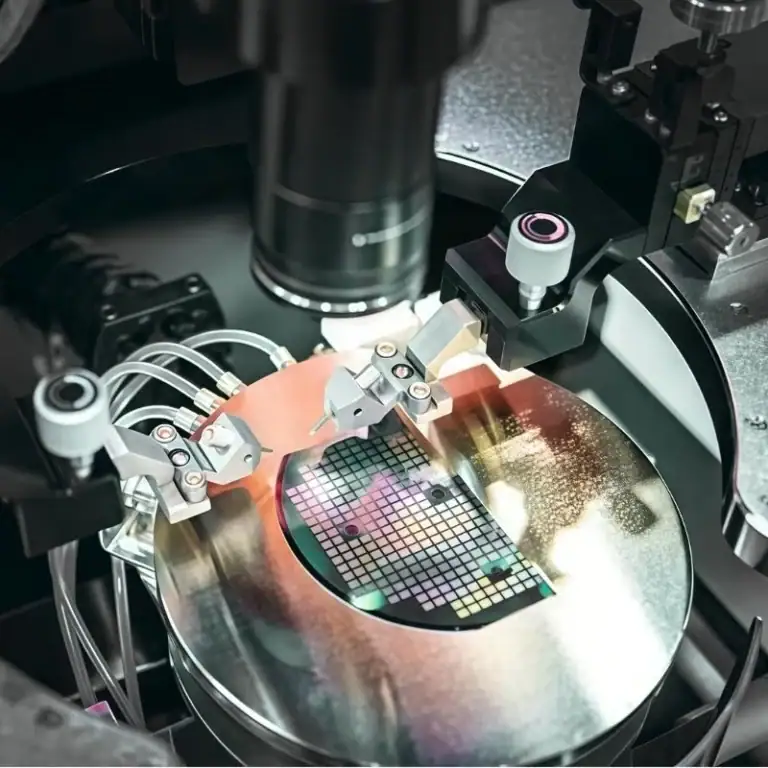
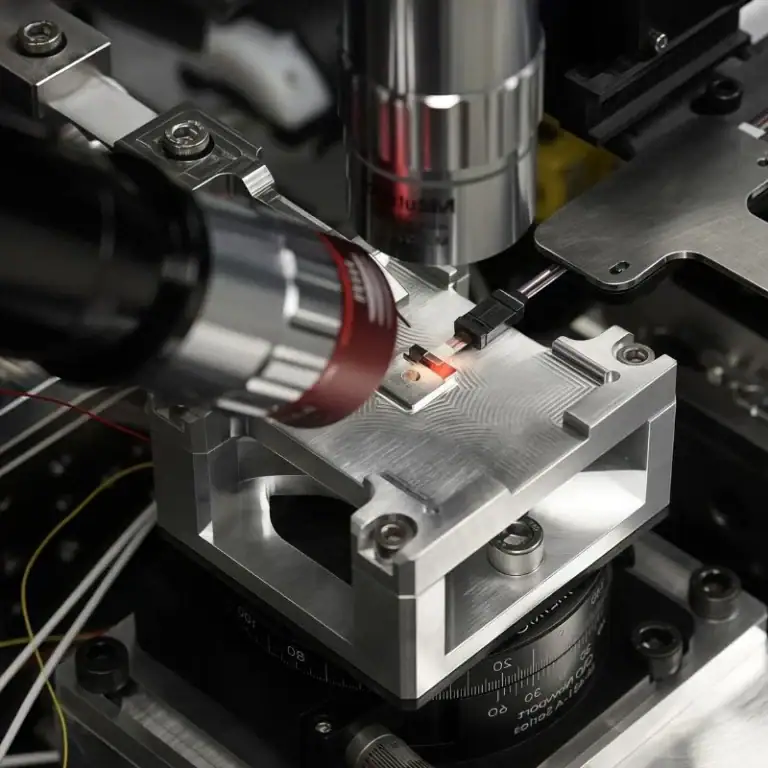
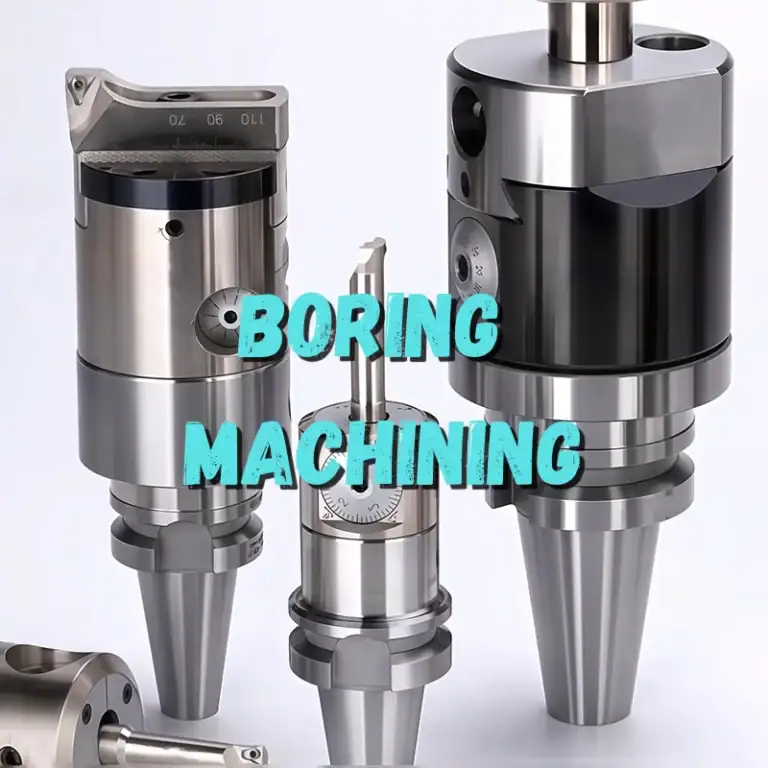
Ultra-thin parts are increasingly used in electronics, medical devices, optical systems, and high-end industrial equipment—such as micro brackets, thin-wall structural components, and flexible connectors. These parts are characterized by extremely small thickness while demanding very high dimensional accuracy, flatness, and structural stability. Many people assume such parts are difficult or even impossible to machine. In modern precision machining, however, they are not only feasible but can also be produced in stable mass manufacturing. The key lies in process control capability rather than the machining possibility itself.
Fundamental Capabilities for Manufacturing Ultra-Thin Parts
Advances in modern equipment and machining technology have transformed ultra-thin part production from “uncontrollable” to “controllable,” mainly through improvements in machine precision, tooling strategy, and material compatibility.
High-precision machines provide a stable foundation
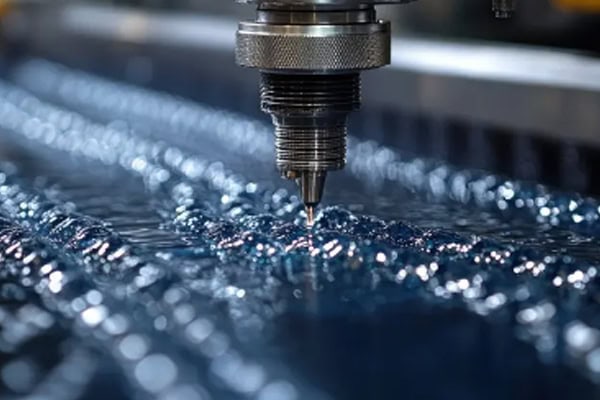
Ultra-thin parts require extremely high machine rigidity and control accuracy, where even slight vibration can be amplified into deformation errors.
- High-rigidity machine structures effectively suppress cutting vibration and reduce resonance in thin walls
- CNC systems enable micron-level or higher precision control, improving dimensional stability
- High-speed spindles reduce cutting force per pass, minimizing stress on thin structures
- Multi-axis machining reduces clamping frequency and avoids accumulated positioning errors
- Modern machines include dynamic compensation functions to correct minor deviations during machining
The more stable the machine, the wider the process window for ultra-thin parts.
Cutting strategies determine part stability
The key to ultra-thin machining is not speed, but gentle material removal.
- Small depth-of-cut strategy gradually removes material and avoids sudden stress concentration
- High-speed, low-feed cutting reduces cutting force per unit and minimizes deformation
- Layered machining allows gradual stress release, improving dimensional stability
- Optimized toolpaths reduce vibration and irregular force distribution
The gentler the cutting process, the easier it is to maintain structural stability.
Material selection defines machining difficulty
Different materials behave very differently in ultra-thin conditions.
- Aluminum alloys have good ductility and are commonly used for thin structures
- Stainless steel has higher strength but internal stress may cause spring-back deformation
- Engineering plastics are stable for light-load applications but have limited strength
Material selection directly sets the baseline difficulty of machining.
Key Challenges in Ultra-Thin Part Machining
Although technically achievable, ultra-thin structures remain one of the most difficult categories in precision machining due to deformation, clamping, and thermal effects.
Structural deformation and stress release issues
Ultra-thin parts have extremely low rigidity, making them highly sensitive to force.
- Excessive clamping force can cause local indentation or permanent deformation
- Uneven cutting forces may lead to overall warping
- Stress release after material removal can cause dimensional spring-back
- Long machining cycles may gradually destabilize the structure
Deformation control is the most critical challenge.
Highly sensitive fixturing requirements
Conventional clamping methods are often unsuitable for ultra-thin parts.
- Mechanical clamping can easily create localized stress damage
- Vacuum fixtures provide uniform support and reduce deformation risk
- Honeycomb or grid supports distribute force more evenly
- Custom fixtures can be designed for complex geometries
- Fixture design often has a greater impact than machining parameters
Fixturing design is often more important than machining itself.
Thermal effects during machining
Ultra-thin structures are extremely sensitive to temperature changes.
- Cutting heat causes local expansion and dimensional deviation
- Uneven temperature distribution leads to warping
- Long machining cycles accumulate thermal stress affecting accuracy
Temperature control directly affects final precision consistency.
Methods to Improve Yield in Ultra-Thin Machining
Ultra-thin part production requires a system-level optimization rather than isolated adjustments.
Process sequence optimization
A well-planned process significantly reduces deformation risk.
- Perform rough machining first while retaining structural support
- Avoid removing excessive material in a single operation
- Divide machining into zones to reduce stress concentration
- Leave minimal allowance for final finishing operations
Process logic determines whether deformation is controllable.
Fixture and support system design
Fixture design is the core of yield improvement.
- Vacuum platforms provide uniform suction and reduce mechanical stress
- Removable support structures enable staged machining and stress release
- Honeycomb fixtures minimize contact deformation
- Custom fixtures match complex geometries precisely
- Proper support layout significantly improves rigidity of thin parts
Fixturing directly determines manufacturability.
Precise cutting parameter control
Cutting parameters determine whether the process remains stable.
- Reduced cutting depth lowers instantaneous force
- Higher spindle speed helps reduce localized pressure
- Controlled feed rate avoids impact loading
- Sharp cutting tools reduce tearing and material stress
More stable parameters lead to more stable machining results.
Although ultra-thin parts are challenging to manufacture, modern precision machining systems now make stable production fully achievable. The key is not whether they can be machined, but whether a complete process control system exists, including machine capability, fixture design, and parameter optimization. In this field, platforms such as Tirapid, which specialize in high-precision and complex part manufacturing, improve stability and yield through mature process systems and integrated control capabilities.