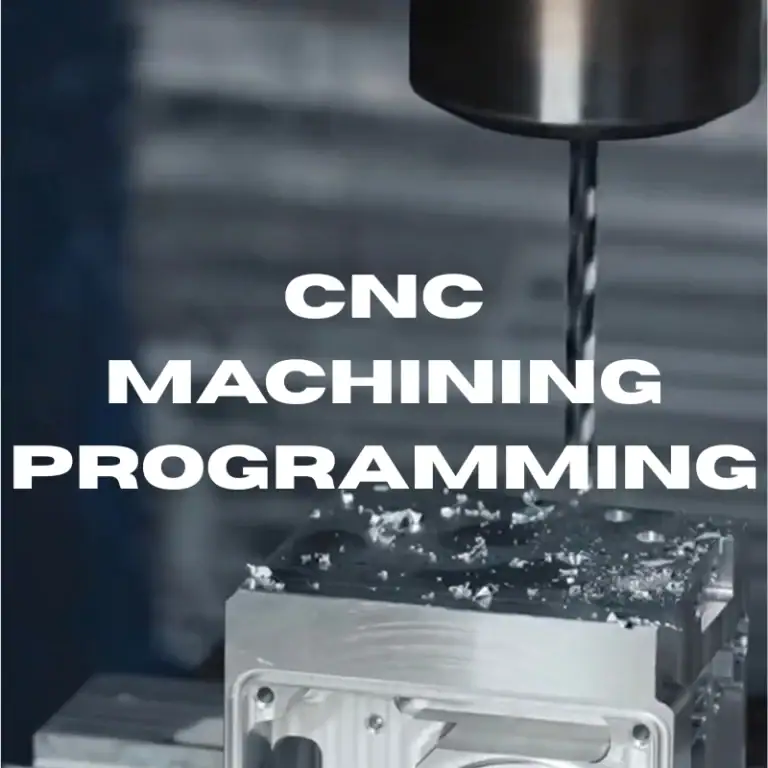
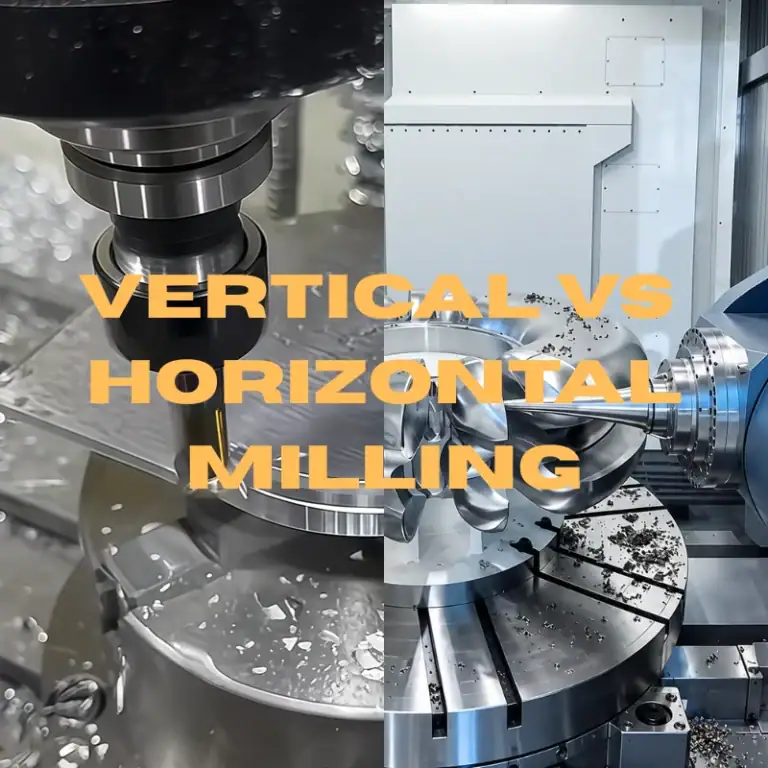
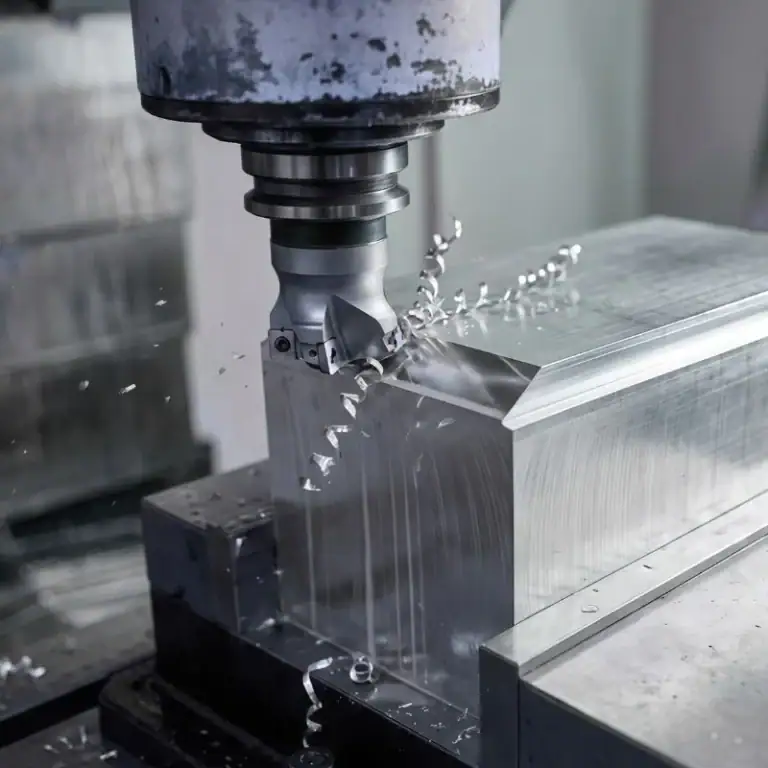
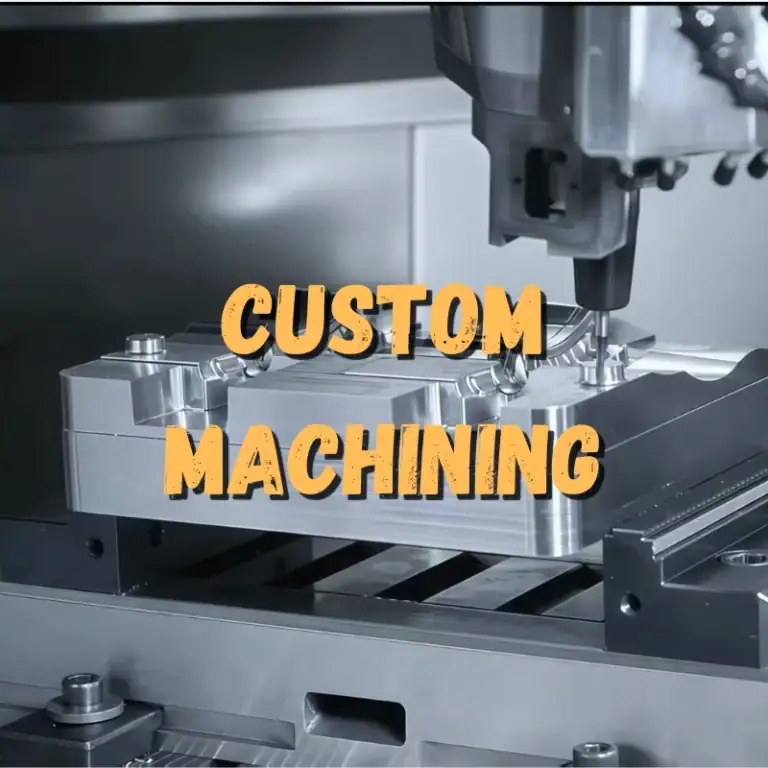
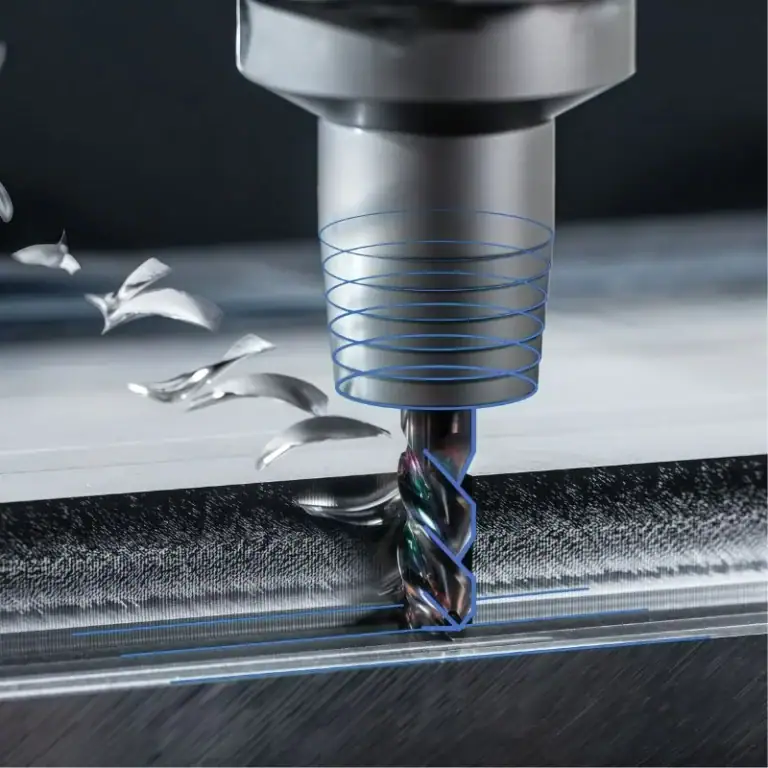
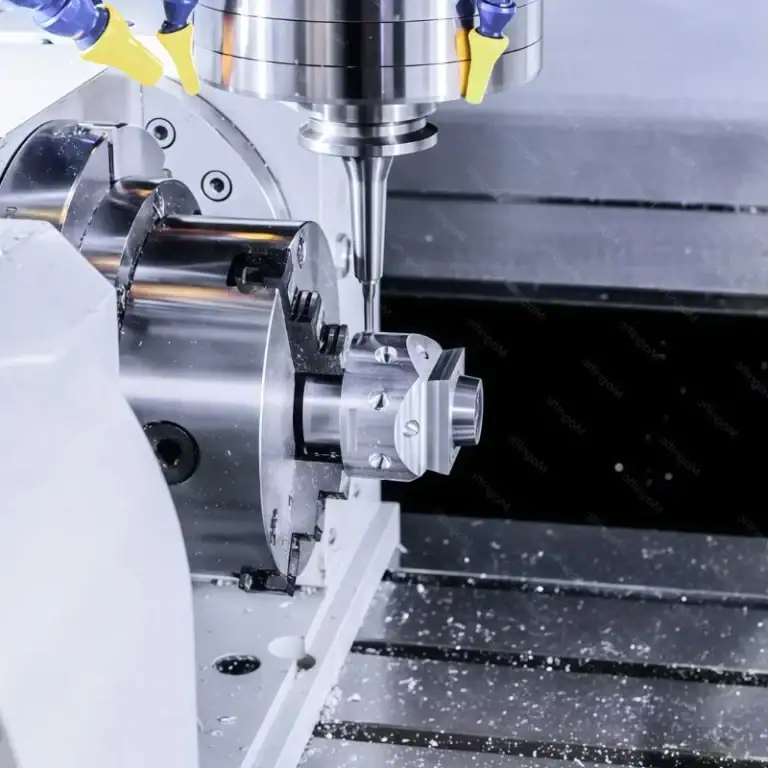
As high-end manufacturing continues to evolve toward more complex geometries and higher precision requirements, traditional 3-axis machining is increasingly limited by restricted tool access, multiple setups, and insufficient capability for complex surface processing. 5-axis CNC precision machining has become a key enabling technology in this transition. By adding two rotational axes, the tool can approach the workpiece from almost any direction, significantly improving manufacturability and machining quality. It is now widely used in aerospace, medical devices, automotive precision components, and high-end mold manufacturing.
Machining Complex Structures in a Single Setup
One of the most important advantages of 5-axis machining is the reduction of multiple setups, which directly improves accuracy and consistency.
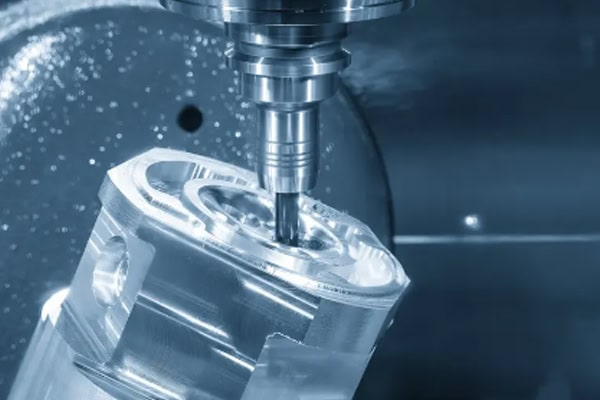
Reduced errors caused by repeated clamping
- Traditional machining requires multiple repositioning steps, and each setup introduces unavoidable alignment errors
- 5-axis machining completes multiple surfaces in a single setup, eliminating repeated referencing
- Fewer setups significantly improve dimensional consistency, especially for precision mating parts
- Long or multi-reference components benefit from reduced cumulative errors
- Reduced manual intervention also minimizes human-induced inaccuracies
Improved capability for complex parts
- Enables machining of inclined surfaces, spatial curves, and deep cavity structures without repositioning
- Complex geometries can be processed continuously within a single coordinate system
- Offers stronger adaptability for aerospace structures and impeller-type components
- Reduces errors caused by segmented machining and part re-clamping
More continuous and efficient production flow
- Once the workpiece is clamped, multiple operations can be completed continuously
- Eliminates downtime for repositioning and re-alignment
- Provides smoother process flow and more stable cycle time
- Particularly beneficial for small- to medium-batch complex part production
Higher Machining Accuracy and Surface Quality
5-axis machining not only improves flexibility but also enhances precision control and surface finish quality.
Optimized cutting tool orientation
- The tool can maintain an optimal cutting angle at all times, reducing uneven cutting forces
- Improved stability reduces vibration during machining
- Minimizes overcutting and undercutting, improving dimensional consistency
- Particularly effective for continuous curved surface machining
- Significantly improves precision mold surface quality
Better surface finish quality
- Continuous toolpaths reduce tool marks caused by segmented machining
- Smooth transitions improve surface uniformity and reduce polishing effort
- Maintains consistent surface quality even on complex geometries
- Directly improves both functional and aesthetic performance of parts
Reduced tool interference and machining risks
- Multi-axis motion allows tool angle adjustment to avoid collisions
- Enables machining of deep cavities and hard-to-reach areas
- Reduces scrap caused by tool interference
- Improves safety and stability during complex part processing
Stronger Capability for Complex Geometry Machining
As product designs become increasingly complex, 5-axis machining shows clear advantages in handling spatial structures.
Machining of complex freeform surfaces
- Capable of producing freeform surfaces and spiral geometries
- Eliminates the need to split machining into multiple setups
- Widely used in turbine blades and aerospace engine components
- Suitable for aerodynamic and fluid dynamic structures
Better handling of deep cavities and irregular structures
- Tool angle adjustment allows access to narrow machining spaces
- Enables processing of internal structures unreachable by conventional machines
- Reduces secondary machining processes such as EDM
- Particularly effective for mold cavities and intricate internal features
Supports lightweight structural design
- Capable of machining internal pockets and weight-reduction structures
- Maintains strength while reducing material usage
- Aligns with lightweight design trends in automotive and aerospace industries
- Improves manufacturability of highly complex designs
Lower Overall Manufacturing Cost and Risk
Although 5-axis machines require higher initial investment, they often reduce total manufacturing costs in the full production cycle.
Reduced dependency on fixtures and tooling
- Single setup reduces the need for complex fixtures
- Lowers fixture design, manufacturing, and maintenance costs
- Simplifies process preparation and improves production flexibility
- Especially advantageous for multi-variety, low-volume production
Lower scrap and rework rates
- Fewer setup operations reduce cumulative errors
- Optimized toolpaths improve process stability
- Reduces failure rates for complex parts
- Minimizes losses for high-value components
Shorter production and development cycles
- Simplified process chain improves design-to-production integration
- Quick programming adjustments enable fast design iterations
- Suitable for rapid prototyping and agile development
- Enhances overall engineering efficiency
The core advantage of 5-axis CNC machining is not simply having two additional axes, but a fundamental shift in manufacturing logic—from multi-setup to single-setup machining, from segmented processing to continuous forming, and from manual control to spatial precision control. In advanced manufacturing systems, it has become a foundational capability for complex part production. Service providers such as Tirapid, specializing in precision machining and complex component manufacturing, leverage 5-axis CNC combined with multi-process integration to deliver higher stability, accuracy, and manufacturing reliability.