In high-end manufacturing, the real challenge is no longer “whether a part can be made,” but “whether every single part can be made exactly the same.” In precision machining, even micron-level deviations, batch variations, and assembly mismatches can directly affect product performance and stability. As industries such as aerospace, medical devices, and automotive precision components continue to demand higher standards, high-consistency production has become a core indicator of manufacturing capability rather than just a technical outcome.
Source Control: Process Design Defines Consistency Potential
Consistency issues often do not start on the production floor—they are embedded during process planning.
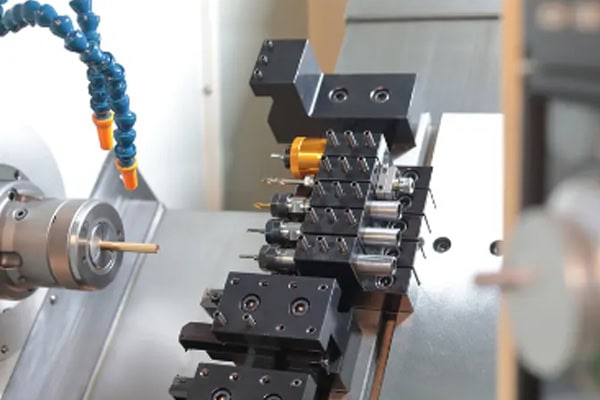
Well-designed machining process routes
- The sequence of operations directly affects machining stability
- Poor separation between roughing and finishing can accumulate dimensional variation
- Multiple-setup processes require carefully planned datum alignment strategies
- Clear process routes make consistency easier to control in later stages
- Complex parts require layered and well-structured machining strategies
Unified datum systems reduce error accumulation
- All machining operations should ideally reference a unified datum
- Inconsistent datums lead to error propagation across operations
- A stable positioning strategy reduces repeated alignment deviations
- For batch production, datum consistency is more critical than single-point accuracy
Raw material and blank control
- Internal stress variations in materials affect machining stability
- Different material batches may introduce performance inconsistencies
- Uneven machining allowances increase downstream variation
- Stable supply chains help reduce systemic deviation
Process design determines the foundation of up to 80% of production stability.
Equipment and Environmental Stability: The Physical Foundation of Consistency
Even the best process design cannot ensure consistency without stable machines and environments.
Machine tool accuracy and condition management
- Wear of guideways and ball screws affects long-term repeatability
- Spindle runout variations directly impact dimensional stability
- Regular calibration helps reduce accumulated systematic errors
- High-end machine tools offer better inherent stability for batch production
- Condition monitoring helps detect deviations early
Temperature-controlled environments
- Temperature changes cause thermal deformation in both workpieces and machines
- Even a 1°C variation can lead to micron-level deviations
- Temperature-controlled workshops reduce batch-to-batch dimensional drift
- Humidity and airflow also indirectly affect machining stability
- Environmental stability directly impacts both machining and inspection accuracy
Standardized tool and fixture management
- Tool wear differences create variation in machining results
- Standardizing tool selection and lifespan improves consistency
- Fixture accuracy determines repeatability in setups
- Non-standard fixtures introduce systematic errors
- Regular inspection and replacement are essential for stable production
In essence, equipment and environment stability eliminate uncontrollable variables.
Process Control and Data Management: The Core of Consistency
Modern precision machining relies less on experience and more on data-driven control systems.
Standardized machining parameters
- Cutting speed, feed rate, and depth must be strictly controlled
- Parameter variation directly affects surface quality and dimensional stability
- Different operators using different settings can cause batch inconsistency
- Standard process sheets reduce unnecessary manual adjustments
- High consistency production depends on a stable process window
In-process inspection and closed-loop control
- Real-time measurement helps detect deviations early
- Automatic compensation systems reduce dimensional drift
- Critical dimensions can be controlled during machining, not after
- Closed-loop systems significantly improve batch stability
- Especially effective for high-precision components
Data recording and traceability
- Full production data should be recorded for every batch
- Data analysis helps identify sources of variation
- Long-term data accumulation improves process optimization
- Traceability enables fast root-cause identification
- Digital management turns consistency into a controllable system
The essence of consistency improvement is the shift from experience-based control to system-based control.
Organization and Management: The Hidden Factor of Stability
Human factors and production management also play a critical role in achieving consistency.
Standardized operator procedures
- Different operator habits can introduce variation
- Standard operating procedures reduce human-induced differences
- Training systems determine execution consistency
- Clear rules lead to lower production variability
Stable production rhythm
- Fluctuating production schedules affect machine thermal conditions
- Frequent starts and stops increase instability
- Stable production cycles help maintain thermal balance
- Continuous operation is generally more consistent than intermittent processing
Quality feedback mechanisms
- Fast feedback prevents error accumulation across batches
- Quick process adjustments reduce production losses
- Quality data loops support continuous improvement
- Closed-loop management improves long-term consistency
Management systems determine whether technical capability can be fully realized.
High-consistency precision machining is not the result of optimizing a single factor, but the combined outcome of process design, equipment stability, process control, and management systems. Only when all these dimensions are well controlled can batch variations be reduced to micron-level or even lower. In advanced manufacturing, consistency itself is a core competitive advantage. Service providers like Tirapid, specializing in precision machining and complex component manufacturing, achieve higher stability and reliability through standardized processes and multi-stage machining coordination.