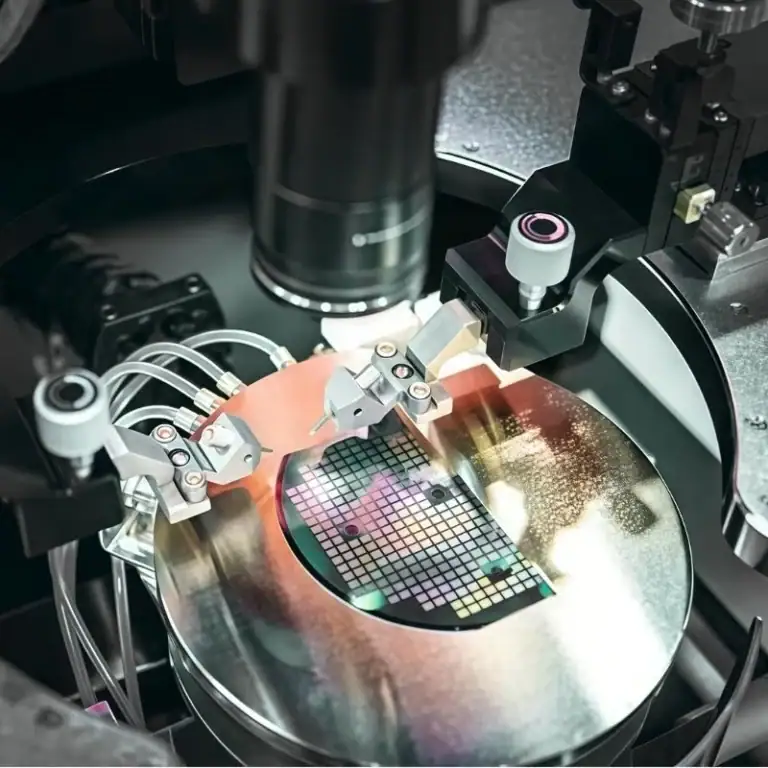
In modern medical technology, the accuracy and reliability of devices are directly related to patient health and surgical safety. From minimally invasive surgical instruments to implantable devices, every component must strictly meet design requirements. With increasing demands for complex structures and high-performance materials, traditional machining methods can no longer meet the standards. Precision machining, with its high accuracy, consistency, and multi-material capabilities, has become a key technological support for medical device manufacturing.
High-Precision Requirements Drive Medical Device Manufacturing
Medical devices require extreme precision, and even minor deviations can affect function and safety.
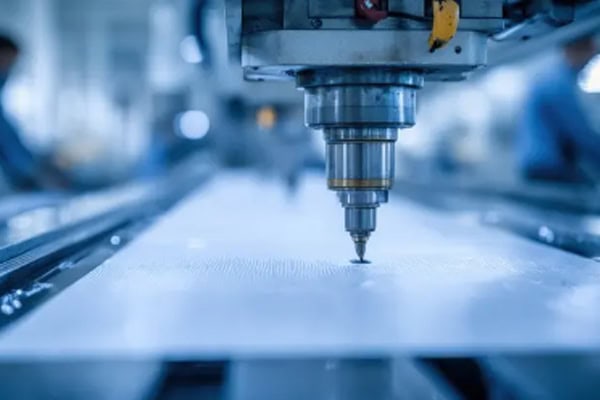
Micron-Level Precision for Implants
- Cardiac stents and artificial joints have strict dimensional requirements; small errors can cause functional failure
- Precision machining ensures accurate shapes and surfaces, achieving a perfect fit with human anatomy
- High accuracy reduces postoperative complications and enhances patient safety
- Repeatable machining results facilitate mass production and clinical validation
Complex Motion Structures of Surgical Instruments
- Minimally invasive instruments often include complex joints and precise transmission mechanisms
- Deviations in parts can directly affect surgical precision
- Precision machining ensures smooth fit and movement between components
- Optimizes haptic feedback during surgery, making operation easier for surgeons
- High-precision components reduce assembly adjustments and shorten development cycles
Accuracy Requirements of Diagnostic Equipment
- Medical imaging and testing devices require high repeatability
- Precision-machined parts reduce cumulative errors, ensuring long-term reliability
- Enhances the accuracy of diagnostic data, supporting clinical decision-making
Capability to Machine Complex Structures and Micro Parts
Modern medical device components are small, complex, and made from special materials, demanding highly reliable machining techniques.
Micro-Complex Part Machining
- Microcatheters, needles, and surgical knives are extremely small, making conventional machining inadequate
- Precision machining achieves micron-level holes and grooves
- Multi-axis machining ensures complex geometries are completed accurately and ready for assembly
Machining Difficult Materials
- Medical devices commonly use stainless steel, titanium alloys, and ceramics
- These materials are hard and prone to deformation or stress during machining
- Precision machining combined with proper cutting strategies maintains dimensional stability
- High-precision machining preserves material strength and corrosion resistance
Internal Complex Channel Machining
- Diagnostic and minimally invasive device components often have intricate internal channels
- Precision machining can directly create internal structures, avoiding assembly errors
- Improves the accuracy of internal fluid or gas pathways
- Reduces potential leaks or blockages
- Extends the lifespan of devices and enhances reliability
Importance of Consistency and Reliability in Medical Devices
Medical devices not only demand individual precision but also batch-to-batch consistency to ensure safety and reliability.
Ensuring Batch Consistency
- Precision machining ensures each batch of parts meets dimensional specifications
- Reduces assembly deviations and maintains overall device performance
- Supports multi-batch production, improving efficiency in R&D and mass production
Product Reliability and Longevity
- High-precision parts reduce stress concentration and deformation
- Extends the service life of components and devices
- Enhances clinical safety during medical procedures
- Lowers maintenance and replacement costs
Compliance with Industry Standards and Certification
- Precision-machined parts help meet strict ISO, CE, and FDA standards
- Ensures smooth approval for registration and market launch
- Provides reliable quality assurance and competitive advantage for manufacturers
The precision, complexity, and reliability requirements of medical devices make precision machining a core technology in the industry. Through high-precision, multi-material, and complex structure machining, companies can produce safe, reliable, and consistent device components, improving clinical outcomes and patient experience. Platforms like Tirapid, which focus on high-precision machining, offer stable and dependable solutions for medical device R&D and production through standardized processes and scientific workflows.