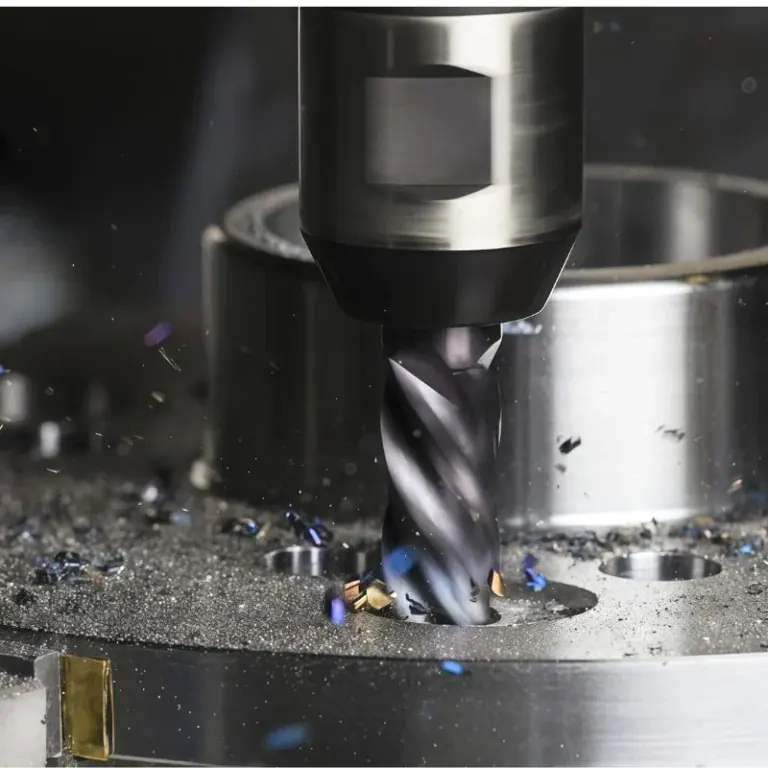
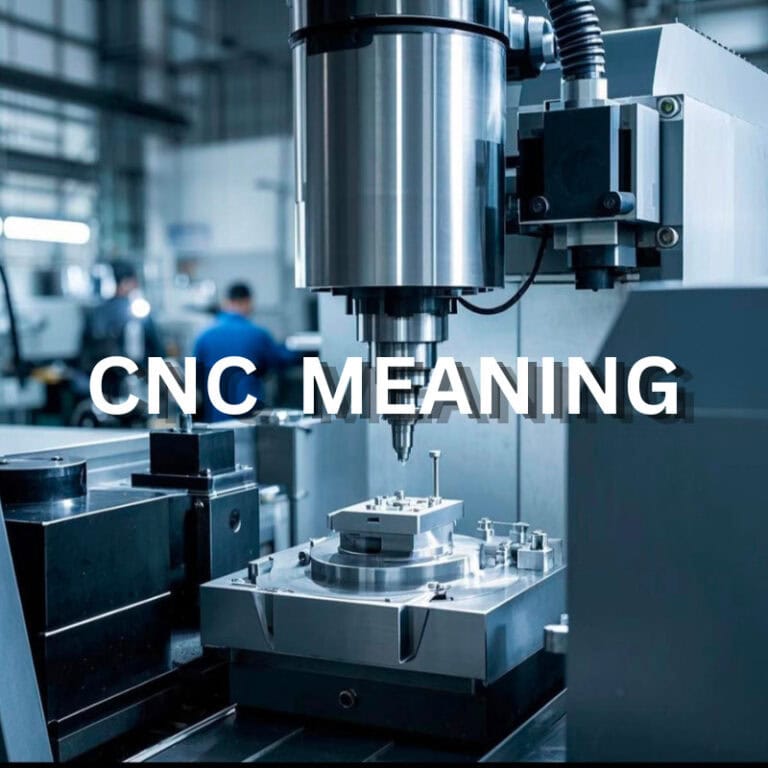
In modern manufacturing, dimensional errors directly impact product performance, assembly, and reliability. Especially in aerospace, medical devices, and high-end machinery, even micron-level deviations can have serious consequences. Precision machining not only requires complex shapes but also strict control of every dimension. Therefore, mastering scientific methods for error control has become an essential way for companies to improve product quality and market competitiveness.
Preparation and Process Design
Controlling dimensional errors begins with part design and pre-machining preparation.
Optimizing part design and tolerance allocation
- Properly allocating tolerances during the design phase can reduce unnecessary error accumulation during machining
- Critical dimensions should have stricter tolerances
- Simulation analysis can predict potential deformation and stress concentration
- Complex parts can be modularized or segmented to reduce machining difficulty
Selecting suitable machining processes
- Choose cutting methods according to material and structural characteristics
- Separate roughing and finishing operations to avoid stress-induced dimensional errors
- Multi-axis or multi-process machining improves accuracy for complex geometries
- Optimize tool paths to reduce interference and vibration
Material and blank control
- Internal stress and non-uniformity in materials can lead to post-machining dimensional deviations
- Homogenization treatment and reasonable allowances help control deformation
- Choosing stable material blanks reduces later adjustments
- Difficult-to-machine materials such as titanium or high-strength steel require specialized cutting strategies
Careful process planning and preparation form the foundation for controlling dimensional errors.
Error Control During Machining
The machining stage is the critical point where dimensional errors occur and accumulate.
High-precision equipment and tools
- Machine tool accuracy directly affects part dimensions
- Regular calibration of spindles, guideways, and ball screws ensures long-term positioning accuracy
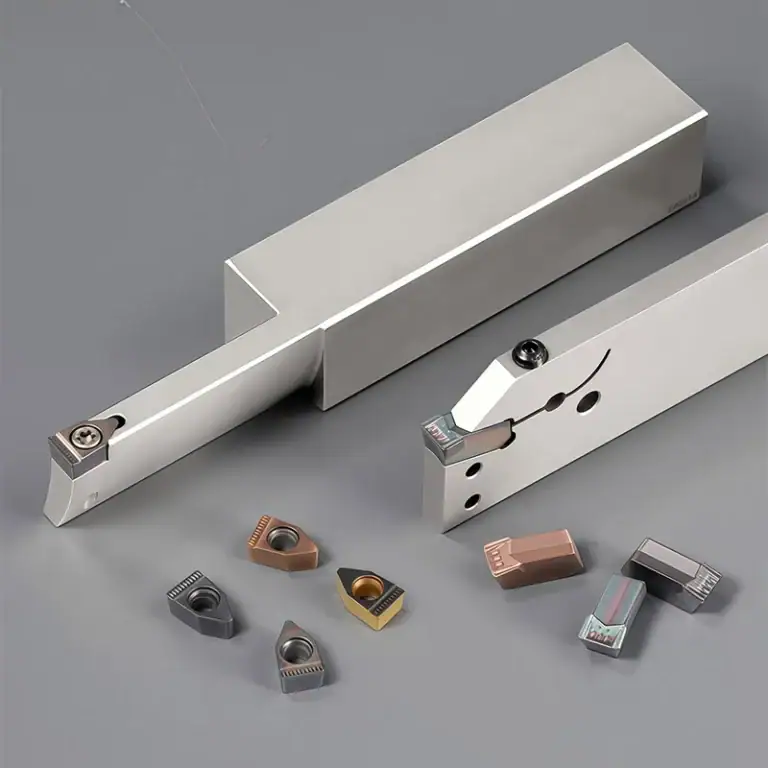
- Using high-performance tools minimizes errors caused by wear
- For complex parts, multiple measurements and tool changes help maintain precision
Temperature and environmental control
- Temperature fluctuations can cause thermal expansion of the machine and workpiece, leading to micron-level deviations
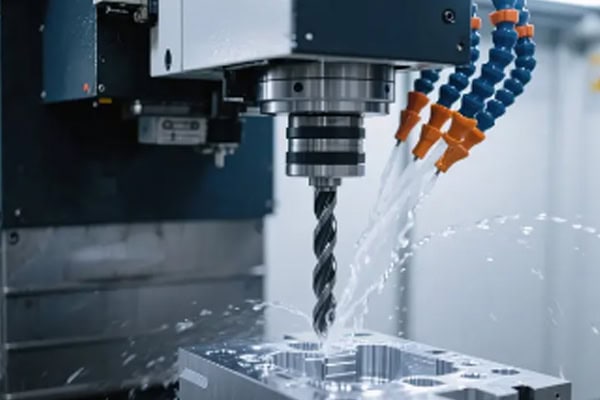
- Temperature-controlled workshops or localized cooling significantly reduce thermal deformation
- Humidity and airflow can indirectly affect precision machining
- Precise environmental control helps maintain stable dimensions
Machining parameters and operational standards
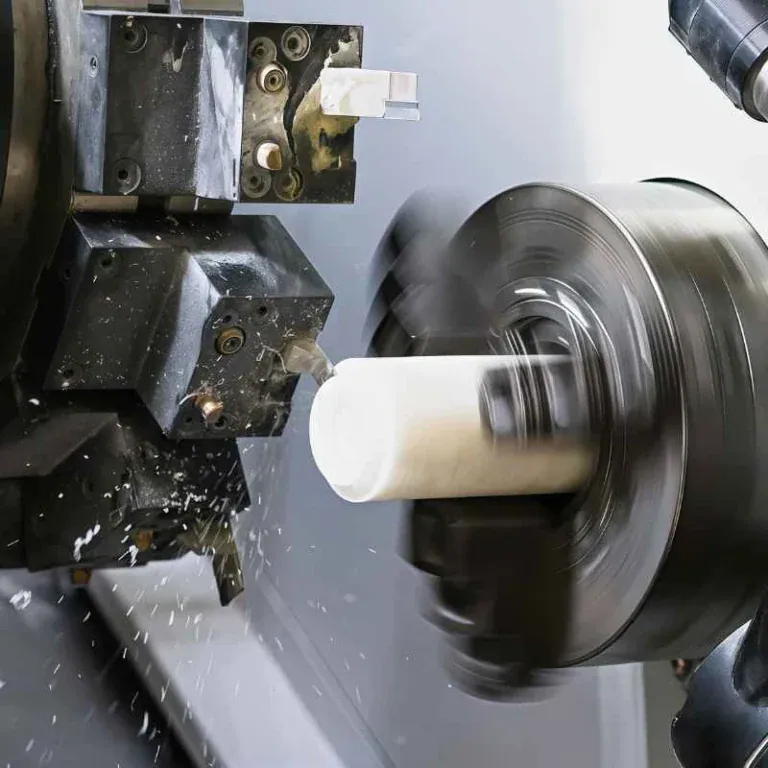
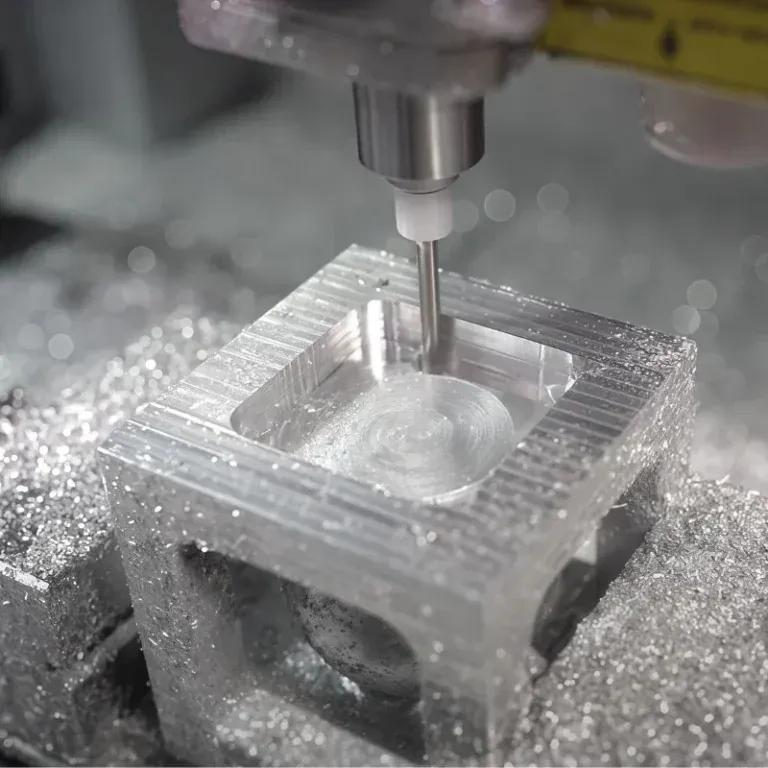
- Strictly control cutting speed, feed rate, and depth of cut
- Excessive cutting forces can cause elastic deformation of the workpiece
- Operators must follow standardized procedures to avoid human-induced errors
- Optimizing CNC programs can achieve consistently high precision
By strictly controlling the machining process, dimensional errors can be effectively confined within design specifications.
Measurement and Feedback Mechanisms
Post-machining measurement and feedback are key to ensuring dimensional consistency.
Application of precision measurement instruments
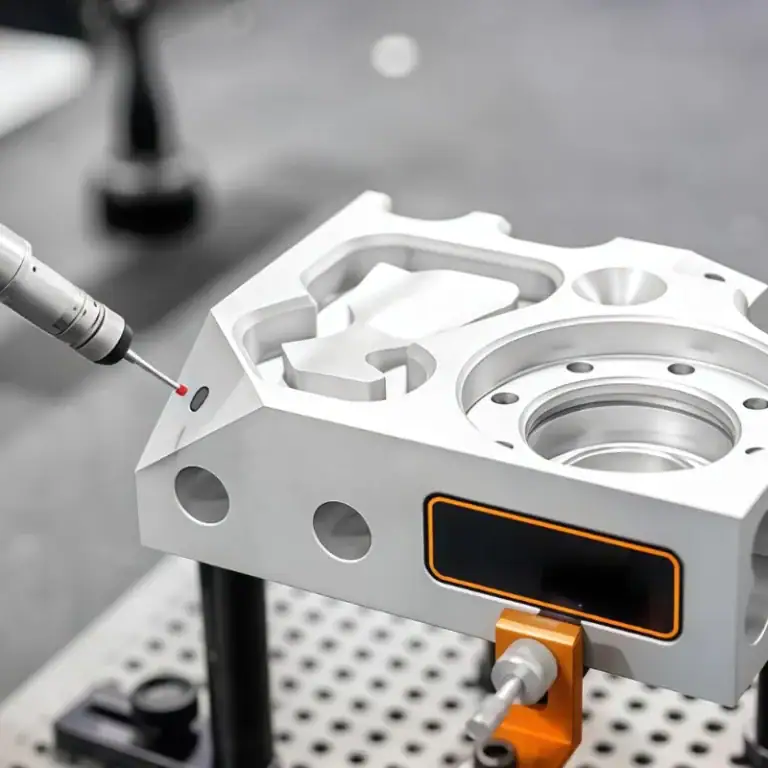
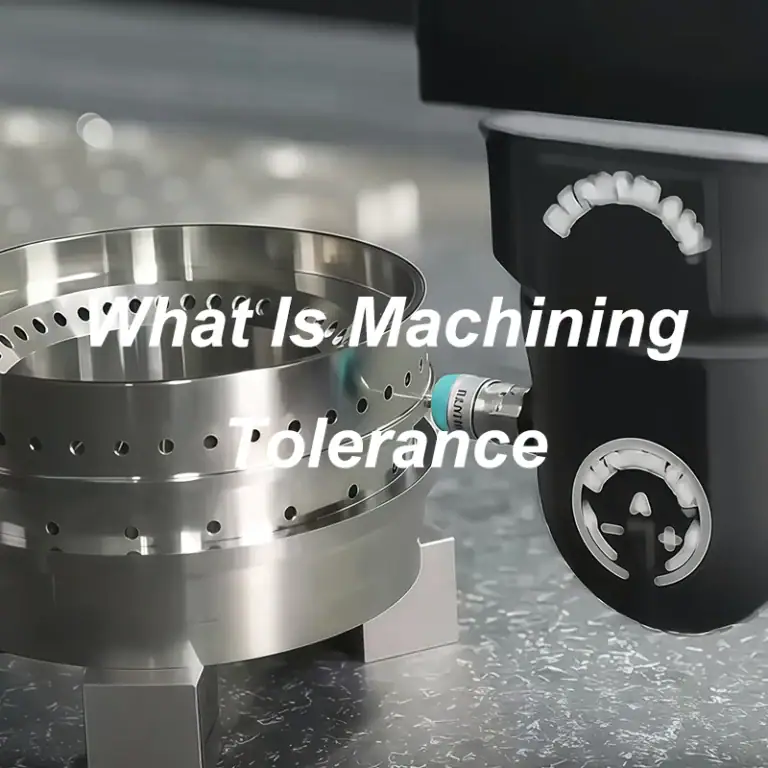
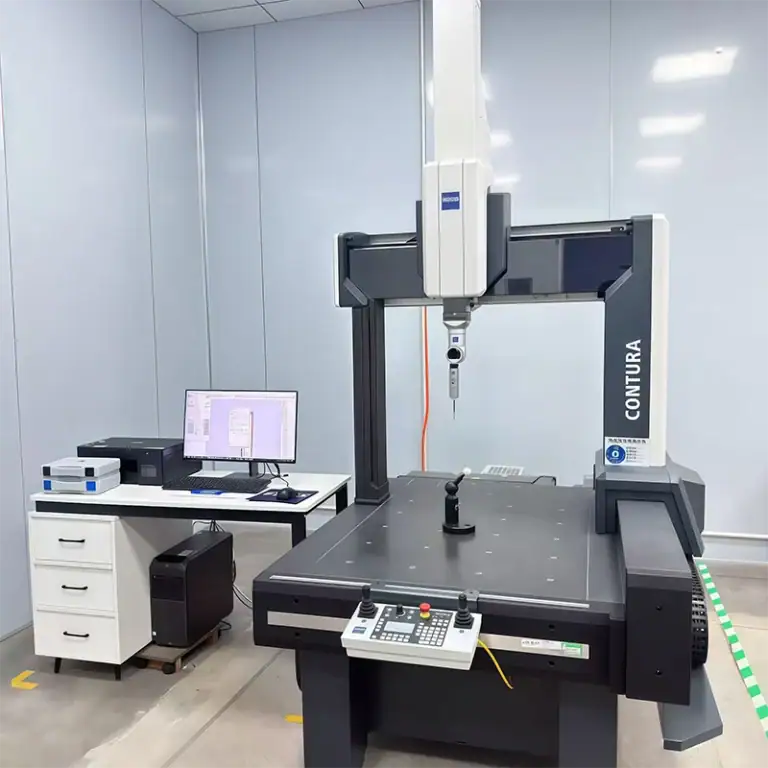
- Use CMMs, profilometers, or optical measurement equipment to obtain accurate dimensional data
- Measure critical dimensions at multiple points to avoid overlooking localized errors
- For ultra-precise parts, combine online and offline measurements
Process feedback and correction
- Feed measurement data back into the machining program to compensate for errors
- For batch production, statistical analysis identifies systematic deviations
- Automated measurement and closed-loop control maintain consistent dimensions
- Minor deviations can be corrected by tool or fixture adjustments
Data management and traceability
- Record machining parameters and measurement data for each part
- Trace data to quickly identify the source of errors
- Long-term accumulation of data helps optimize processes and improve overall machining consistency
Masurement and feedback not only detect errors but also enable continuous improvement.
To achieve strict dimensional control in precision machining, it requires not only advanced equipment and tools but also scientific process design, a stable machining environment, and a comprehensive measurement and feedback system. Only by coordinating across these dimensions can each batch of parts remain within design tolerances, improving assembly quality and product reliability. Platforms like Tirapid, specializing in high-precision component machining, provide stable and reliable dimensional error control solutions through standardized processes and data-driven closed-loop control.