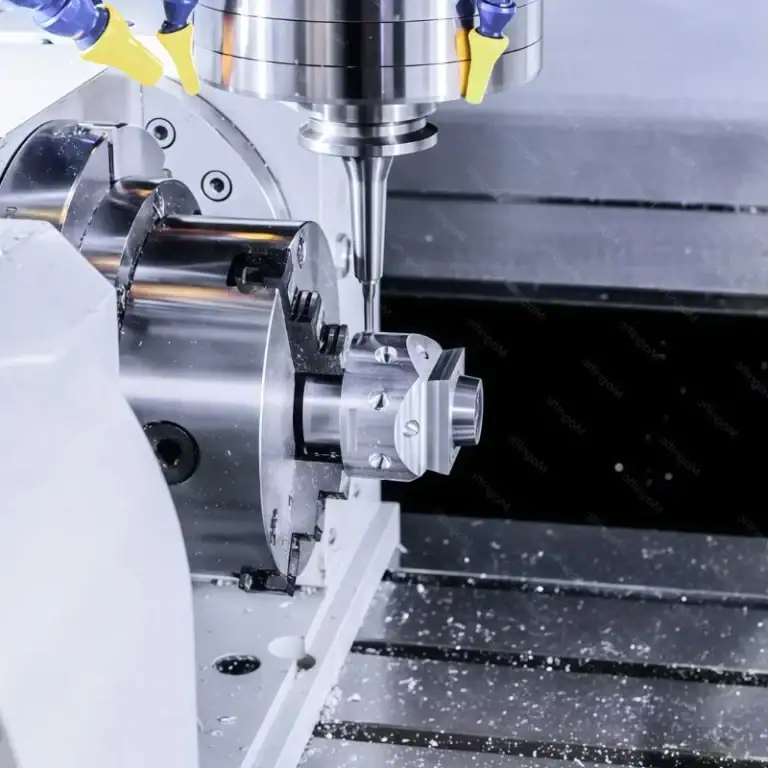
As modern manufacturing systems continue to evolve, machining methods are gradually shifting from a reliance on human experience toward digital and intelligent control. As a quintessential example of computer numerical control (CNC) technology, CNC milling utilizes computer programs to guide tool paths, enabling the high-precision cutting and shaping of materials. It is widely employed in the manufacturing of complex parts, significantly boosting machining efficiency while demonstrating distinct advantages in terms of precision control and batch consistency. A systematic breakdown of its underlying principles, types, applications, and future trends offers a comprehensive understanding of its pivotal role within modern industry.
The Basic Definition of CNC Milling
Understanding the essence of CNC milling is the first step toward mastering its technical framework.
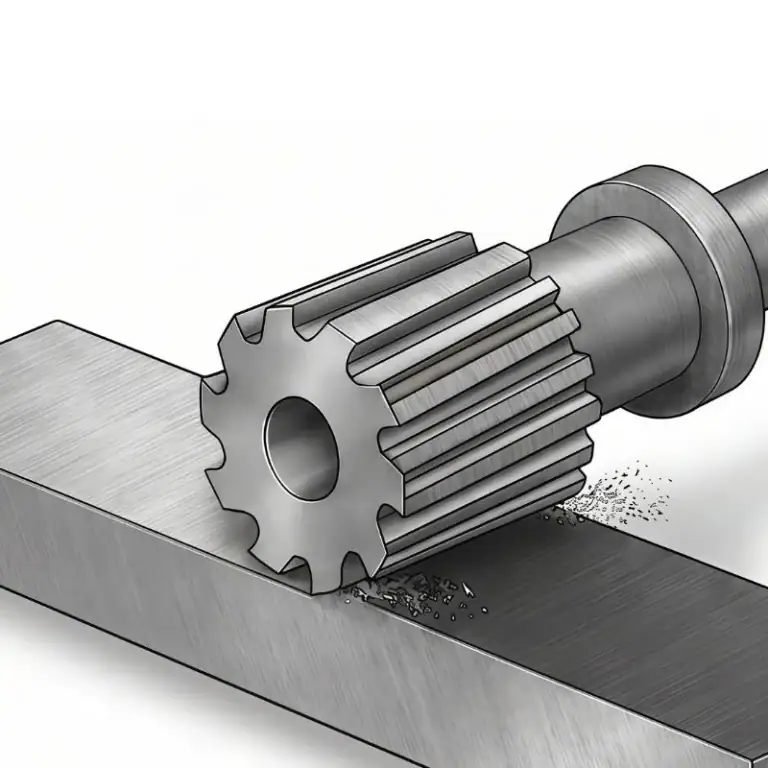
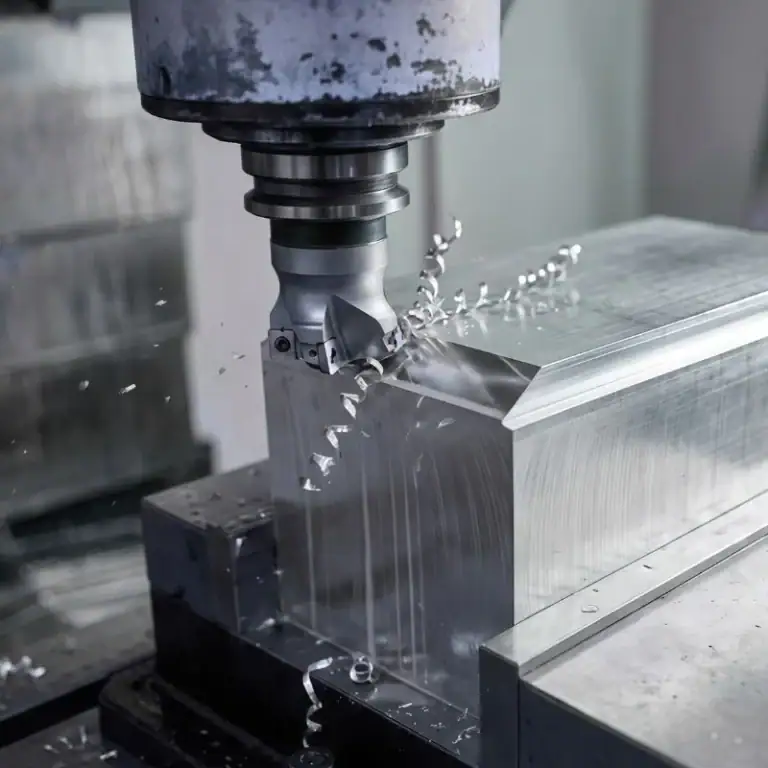
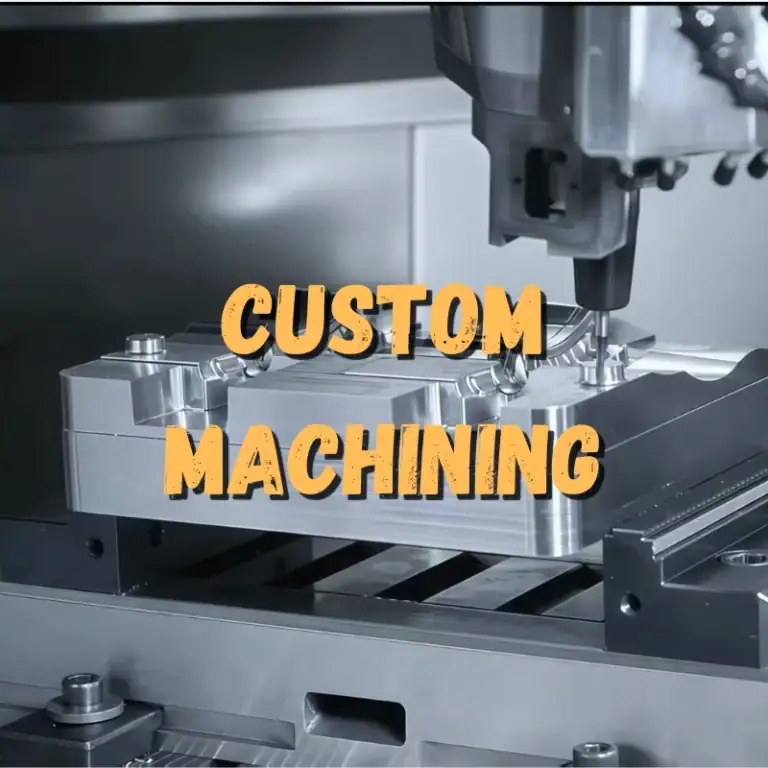
CNC milling is an automated cutting process governed by a computer numerical control system. Through pre-programmed instructions, it directs the movement of cutting tools across multiple axes to precisely shape and form a workpiece. This technology integrates digital modeling with mechanical control, enabling the efficient production of parts with complex geometries. Within the modern manufacturing landscape, CNC milling has emerged as one of the dominant methods for high-precision part fabrication, finding extensive application across general industrial manufacturing and specialized precision machining sectors. Its core defining characteristic lies in the concept of “digital instructions driving mechanical motion,” thereby ensuring a stable and controllable machining process.
The Working Principles of CNC Milling
The underlying working principles determine its automated nature and high-precision capabilities.
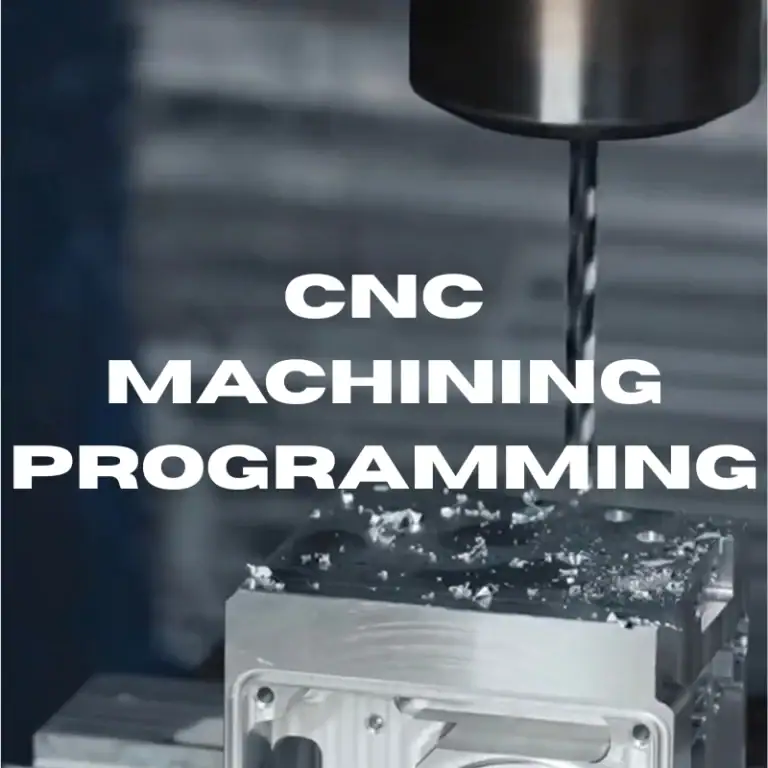
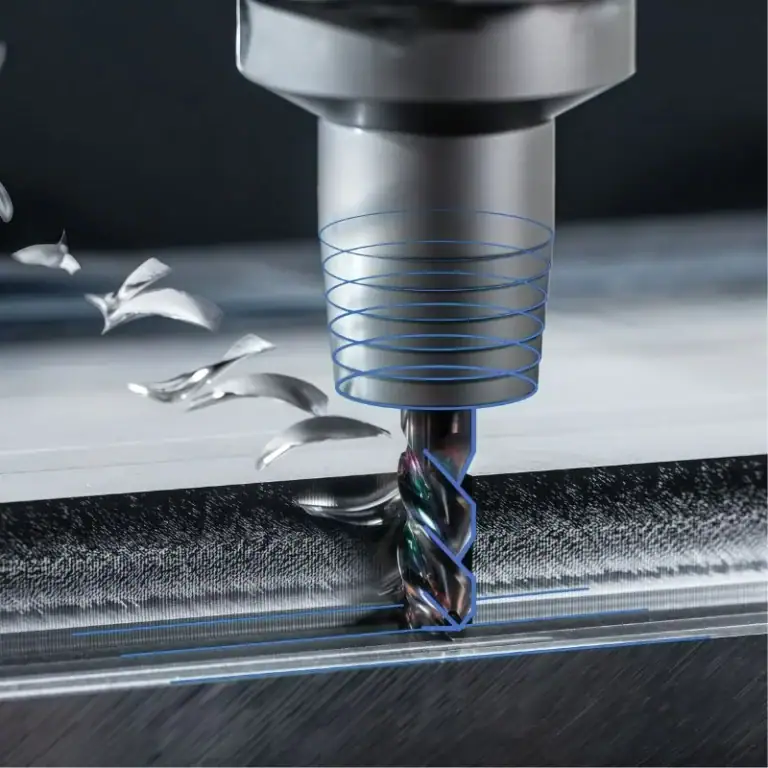
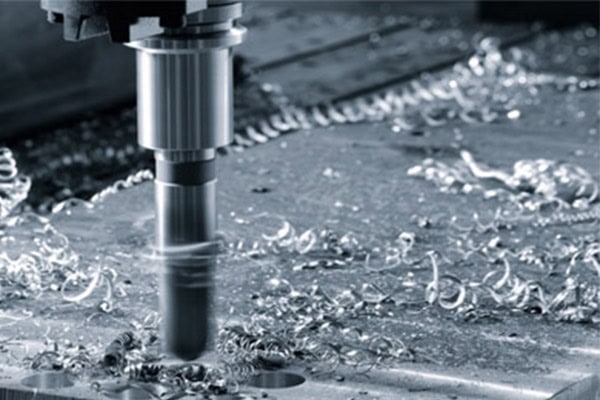
In the CNC milling process, 3D models are first created using CAD (Computer-Aided Design) software. Subsequently, a CAM (Computer-Aided Manufacturing) system generates G-code, which serves as the instruction set for the machine tool to execute the machining task. Guided by this program, the machine tool controls the spindle rotation and tool trajectory, performing precise cutting operations along the X, Y, and Z axes. Throughout the process, the system continuously monitors and adjusts parameters—such as feed rate, cutting depth, and tool path—in real time to ensure machining stability and dimensional accuracy.
This digital, closed-loop control architecture endows the machining of complex parts with a high degree of repeatability and stability.
Common Types of CNC Milling Technologies
Different machining methods are suited to varying levels of complexity and precision requirements.
3-Axis CNC Milling
3-axis milling represents the foundational machining method, involving controlled movement along three linear axes: X, Y, and Z. It is ideally suited for machining flat surfaces, slots, and parts with relatively simple geometries. Characterized by its simple mechanical structure, lower cost, and ease of programming, 3-axis milling remains the most widely adopted entry-level form of CNC machining currently in use. However, for parts featuring complex curved surfaces or multi-angled structures, multiple setups are required, which can compromise both efficiency and precision to some extent.
4-Axis CNC Milling
4-axis milling builds upon the 3-axis foundation by adding a rotational axis. This allows the workpiece to be rotated and positioned during the machining process, thereby enabling multi-angled cutting operations. It is well-suited for machining cylindrical parts, gears, and components with complex lateral features; it effectively reduces the number of setups required and enhances machining continuity. However, this also entails increased system complexity and more demanding programming requirements.
5-Axis CNC Milling
5-axis milling achieves multi-angled, simultaneous-motion machining capabilities by incorporating two rotational axes; it is a mainstream technology in high-end manufacturing. It enables the complete machining of complex curved surfaces in a single setup and is widely applied in the aerospace, medical device, and high-precision mold manufacturing sectors. Although the equipment costs are higher, its advantages in terms of precision and efficiency are exceptionally pronounced.
High-SpeedCNC Milling
High-speed milling achieves highly efficient cutting—while simultaneously improving surface finish quality—by significantly increasing spindle speeds and feed rates. It is frequently utilized in mold manufacturing, automotive component production, and the machining of aluminum alloys, where it can significantly shorten production cycle times. However, it imposes stringent requirements on machine tool rigidity, cutting tool performance, and dynamic balancing.
CNC Milling of Hard Materials
This machining method is primarily employed for cutting high-hardness materials, such as stainless steel and titanium alloys. It typically utilizes high-strength cutting tools in conjunction with low-speed, stable cutting strategies. It is suitable for manufacturing components for the aerospace, medical, and heavy-duty industrial sectors; however, tool wear occurs more rapidly, resulting in relatively higher machining costs.
The combination of these various types endows CNC milling with exceptional adaptability across a wide spectrum of machining applications.

Analysis of the Machining Process
A standardized workflow serves as the fundamental basis for ensuring consistent machining quality.
The CNC milling process typically encompasses several stages: product design and modeling, process planning, program generation, workpiece fixturing and positioning, test cutting and parameter adjustment, and finally, the actual machining operation.
During the design phase, the 3D geometric structure is created: in the programming phase, this model is translated into machine-readable instructions; and during the machining phase, the machine tool automatically executes the cutting operations. In actual production environments, test cuts are often performed to optimize machining parameters, thereby enhancing both precision and efficiency.
Process standardization renders the production workflow more stable and controllable, while simultaneously minimizing the potential for human error.
Advantages of CNC Milling
Its inherent technical advantages are the driving force behind its widespread adoption throughout the modern manufacturing landscape. High Precision and Consistency
Through the precise control of tool paths via a numerical control (NC) system, CNC milling achieves machining accuracy at the micron level. This makes it particularly well-suited for the production of parts with strict dimensional tolerance requirements. In mass production scenarios, the dimensions and geometry of every part remain highly consistent, significantly minimizing the impact of human error.
High Degree of Automation
The entire machining process is program-controlled, enabling continuous operation over extended periods. This reduces the need for manual intervention and boosts overall production efficiency. Simultaneously, it lowers the probability of operational errors, rendering the production process more stable and controllable.
Robust Capability for Complex Structures
Leveraging multi-axis linkage technology, CNC milling is capable of machining complex curved surfaces, deep-cavity structures, and multi-angled parts—capabilities that are extremely difficult to achieve using traditional machining methods.
Balanced Efficiency and Flexibility
By optimizing program paths and machining strategies, CNC milling enhances processing efficiency while simultaneously guaranteeing precision. Furthermore, it can rapidly adapt to changes in product structures, offering a high degree of production flexibility.
These advantages establish CNC milling as an indispensable and critical technology within the realm of high-end manufacturing.
Industry Application Analysis
CNC milling plays a pivotal role across a diverse range of industries.
- Aerospace Industry:Used for machining engine components, structural airframes, and high-strength alloy parts. Given the extremely stringent requirements for precision, strength, and reliability in this sector, it represents one of the core domains for high-end CNC applications.
- Automotive Manufacturing:Widely employed in the production of engine components, molds, and chassis structural parts, contributing to enhanced vehicle consistency and production efficiency.
- Medical Device Industry:Utilized in the manufacturing of surgical instruments, implants, and high-precision medical components, where requirements for dimensional accuracy and surface finish are exceptionally rigorous.
- Electronics and Consumer Goods: Applied in the machining of mobile phone casings, precision structural parts, and heat dissipation components, meeting the demands for lightweight design and high-precision manufacturing.
- Mold and General Machinery Industries:Extensively used in the production of injection molds, stamping dies, and general mechanical components, serving as a vital technological pillar for the modernization and upgrading of traditional manufacturing sectors.
Its widespread application across multiple industries underscores its formidable technical adaptability.
Development Trends
CNC milling is currently evolving toward a higher level of intelligent manufacturing.
- Intelligent and Digital Upgrades: In the future, CNC systems will integrate with AI algorithms to enable automated path optimization and adaptive parameter adjustment, thereby enhancing both machining efficiency and the stability of precision.
- Development toward High-Speedand High-Precision Machining: The continuous improvement of machine tool spindle speeds and control precision further shortens the machining cycle for complex parts while simultaneously enhancing surface quality.
- Widespread Adoption of Multi-Axis Linkage Technology:Multi-axis machining—specifically 5-axis and above—will become increasingly prevalent; this reduces the number of fixturing setups and enhances the capability to produce complex structures in a single operation.
- Integration of Automated Production Lines: CNC equipment will be increasingly integrated with industrial robots and automated loading/unloading systems to establish unmanned or minimally staffed “smart factory” models.
- Green and Energy-Efficient Manufacturing:By optimizing cutting strategies and managing equipment energy consumption, the energy footprint of the machining process is reduced, thereby driving the development of sustainable manufacturing.
These trends are propelling the manufacturing industry toward higher levels of efficiency and precision.
Conclusion
As a fundamental technology in modern manufacturing, CNC milling derives its value not only from its inherent machining capabilities but, more importantly, from the foundational support it provides to the entire industrial production ecosystem. Spanning everything from fundamental principles and structural design to diverse technical applications—and from specific industry uses to future developmental trajectories—it establishes a comprehensive framework for digital manufacturing. Against the backdrop of the manufacturing sector’s ongoing transformation and upgrading, this technology will continue to evolve toward greater intelligence, higher speeds, and enhanced precision, playing an increasingly pivotal role across a wide range of high-end industrial domains.