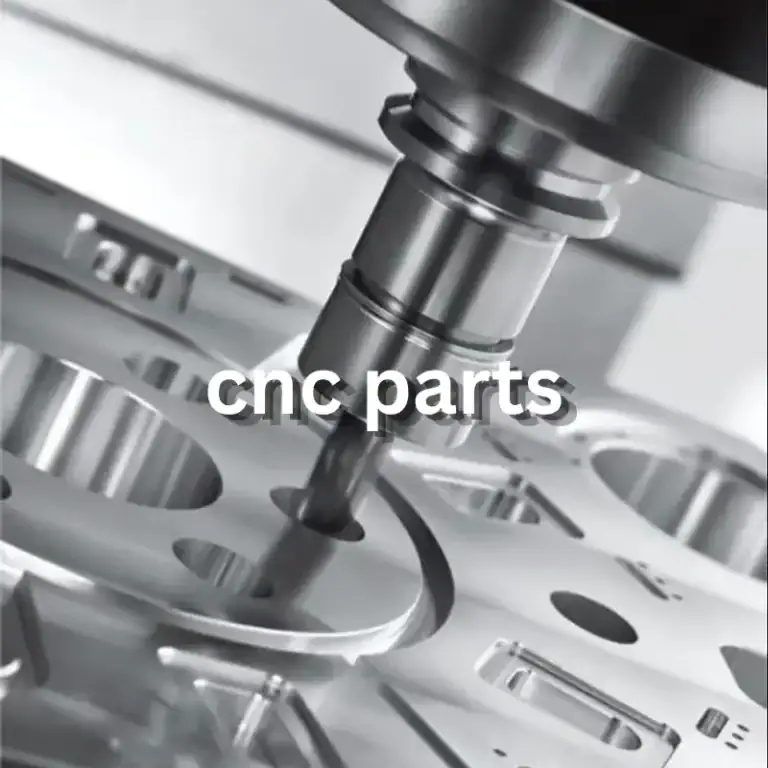
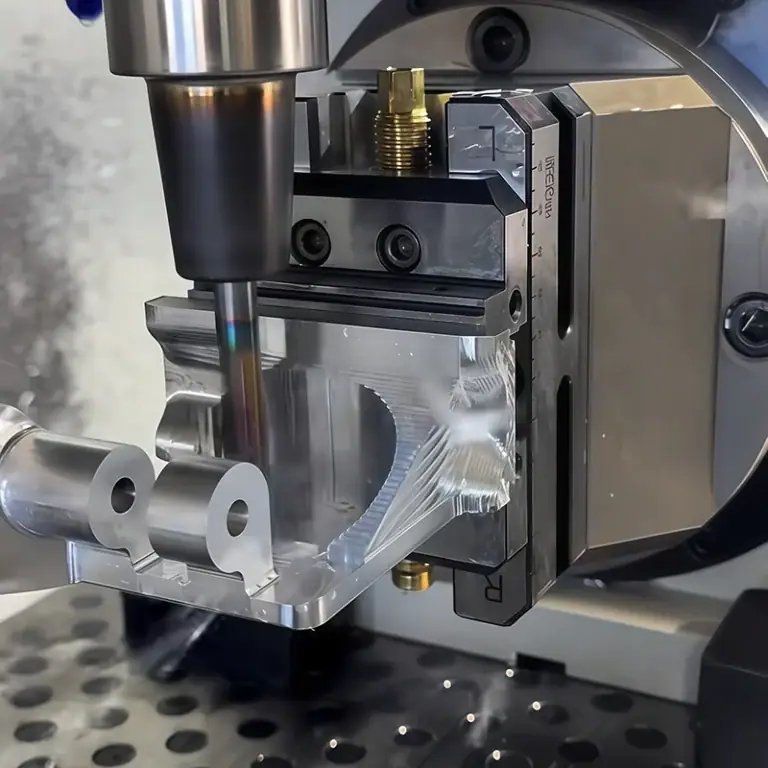
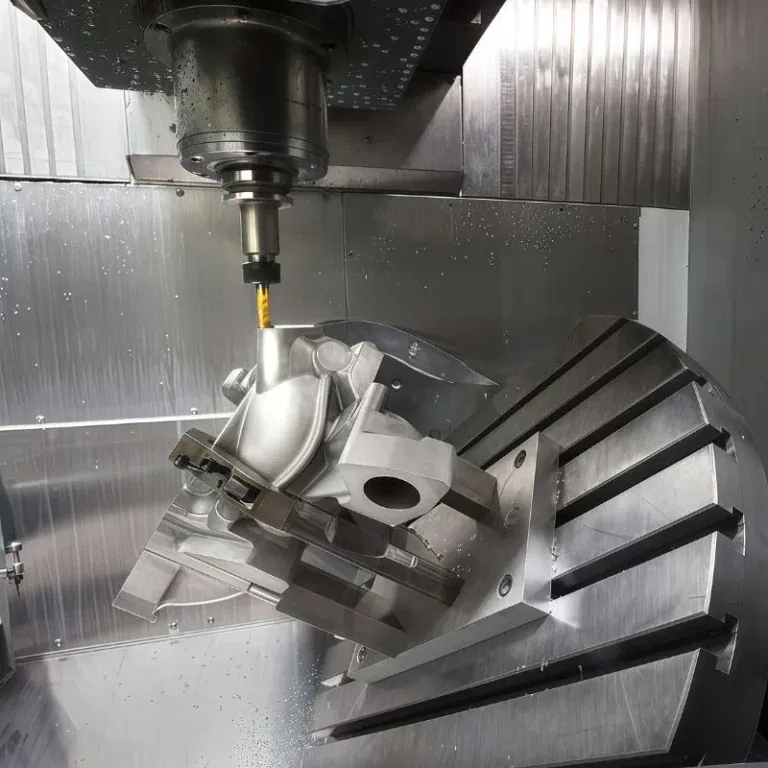
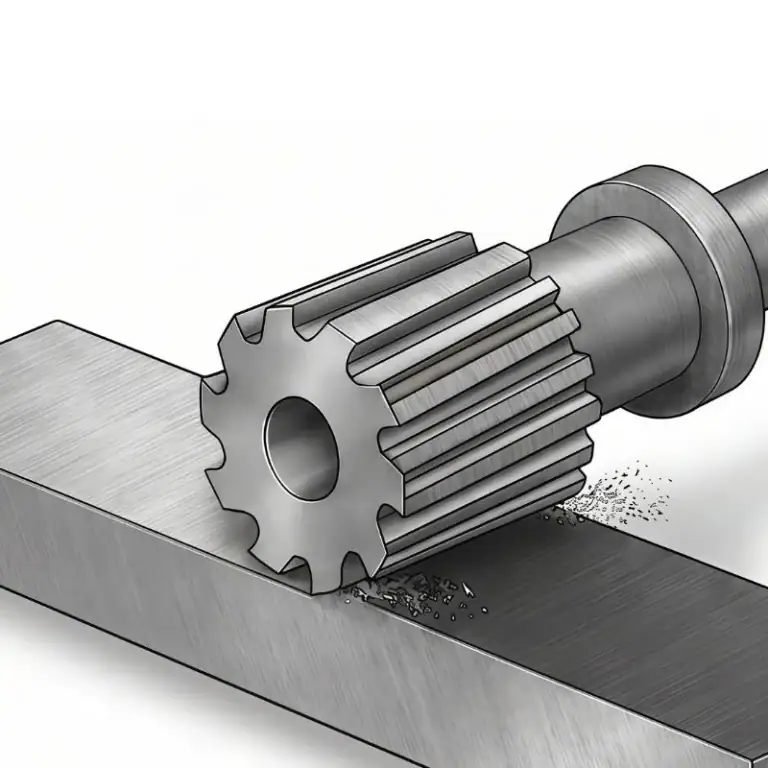
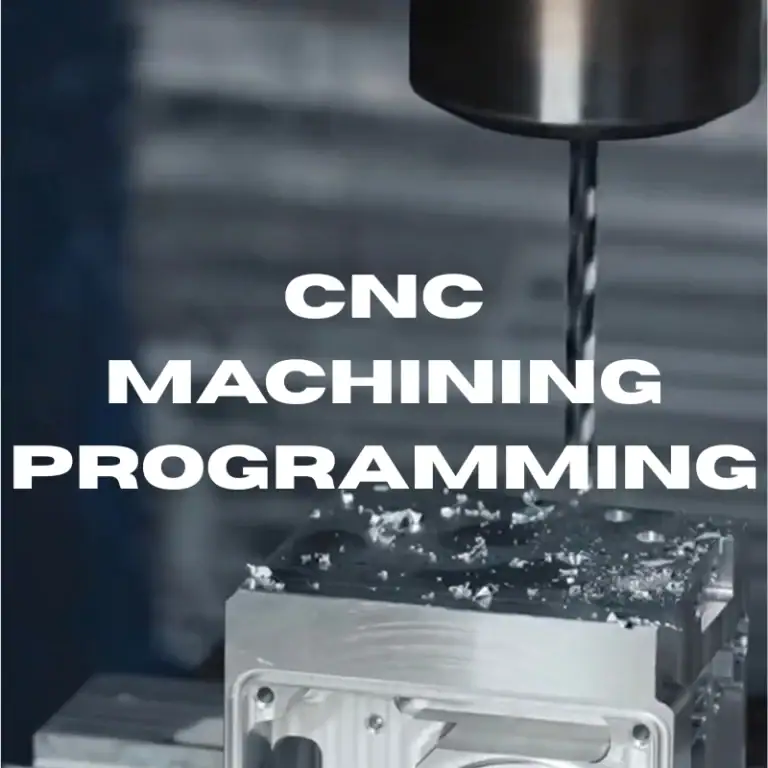
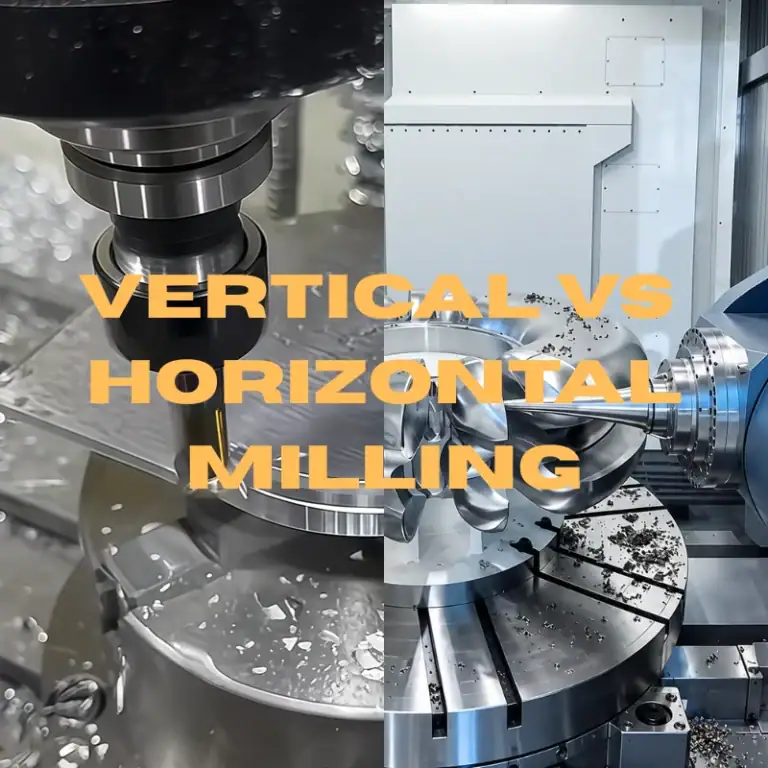
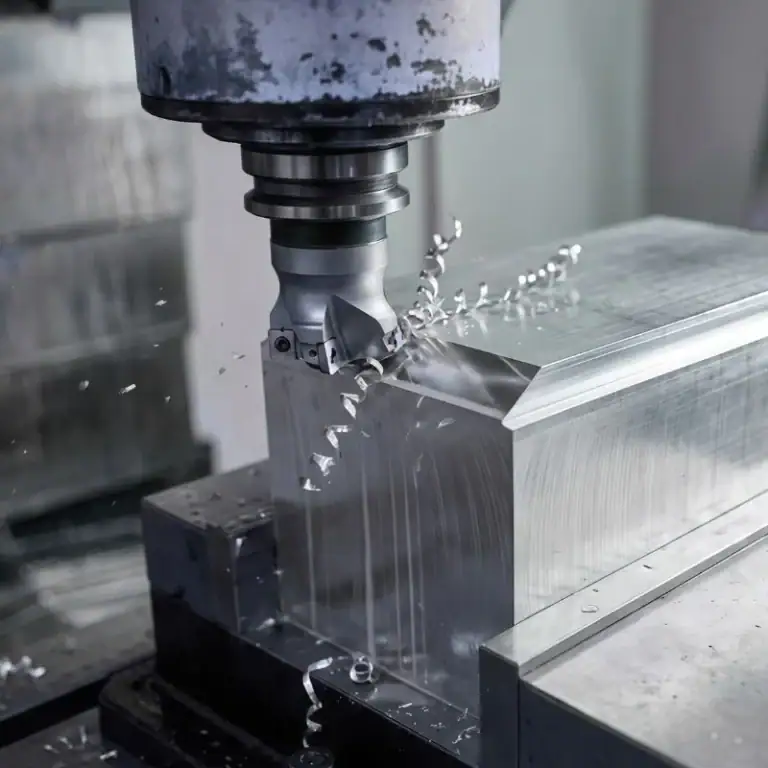
In the precision manufacturing industry, machining quality has always been one of the most critical indicators for businesses. Whether it is aerospace components, medical device parts, automotive accessories, or industrial equipment structures, product quality directly impacts performance, assembly effectiveness, and market competitiveness. For parts produced using CNC milling processes, machining quality not only determines dimensional accuracy and surface finish but also affects product lifespan and subsequent production efficiency. However, in actual manufacturing environments, machining quality is often influenced by multiple factors, including equipment, cutting tools, materials, and process parameters. Understanding these key factors helps companies establish a more stable machining system, improve product qualification rates, and reduce manufacturing costs.
The Impact of Machine Tool Performance on Machining Quality
Machine tools are the foundation of CNC milling operations, and their performance directly determines machining stability. Even with excellent machining programs and high-quality cutting tools, it is difficult to achieve ideal results if the equipment itself lacks precision or operates unstably. Therefore, machine performance is often the primary factor affecting machining quality.
Machine Rigidity Affects Cutting Stability
The structural strength of the machine influences vibration behavior during machining. This becomes especially important when processing large parts, deep cavities, or high-hardness materials.
- Reduces cutting vibrations and prevents surface defects such as tool marks and waviness.
- Improves the stability of complex structure machining, allowing deep cavities and thin-wall parts to maintain better dimensional accuracy.
- Lowers the risk of dimensional deviations by minimizing error accumulation caused by machine deformation or vibration.
High-rigidity machines provide a more stable operating environment for precision machining while also helping improve tool life and surface quality. In mass production, better machine rigidity generally leads to higher product consistency.
Spindle Accuracy Determines Machining Performance
The spindle is a critical component responsible for cutting operations, and its rotational accuracy directly affects dimensional and contour precision.
- Enhances dimensional control, ensuring hole diameters, slot widths, and critical dimensions meet design requirements.
- Improves surface finish by reducing machining marks caused by spindle runout.
- Minimizes contour errors, ensuring accurate formation of complex surfaces and precision profiles.
Stable spindle performance improves overall machining quality and is particularly important for high-precision component manufacturing. Industries such as aerospace and medical manufacturing often require even stricter spindle accuracy standards.
CNC Control System Capability
Advanced control systems improve machine responsiveness and ensure accurate execution of complex machining paths.
- Increases positioning accuracy, allowing tools to reach designated locations precisely.
- Optimizes motion trajectory control, reducing machining errors caused by sudden stops and sharp turns.
- Maintains machining consistency, ensuring stable quality across different production batches.
- Reduces human operational errors and enhances automation levels.
An excellent control system precisely manages the machining process, improves positioning accuracy and operational stability, reduces machining errors, and ultimately enhances both quality and productivity.
The Importance of Cutting Tool Selection and Management
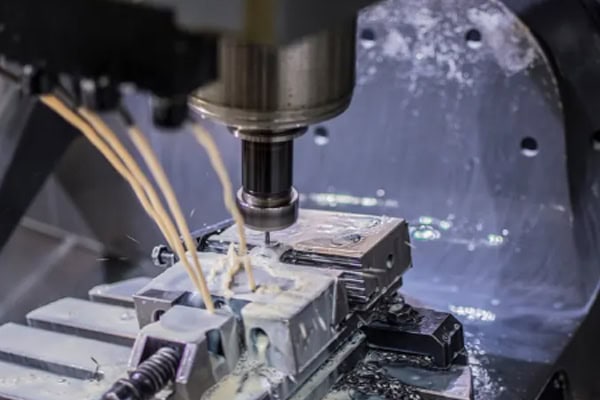
Cutting tools are the core instruments directly involved in material removal. Their performance and condition significantly affect part dimensions, surface quality, and machining efficiency. Therefore, scientific tool management is essential for ensuring CNC milling quality.
Tool Material Compatibility
Different materials require specific cutting tool solutions. Incorrect tool selection can reduce efficiency and lead to machining defects.
- Improves cutting efficiency by enabling material removal at optimal speeds.
- Reduces abnormal wear and prevents premature tool failure.
- Maintains stable machining conditions and lowers the risk of vibration and edge chipping.
Proper tool selection enhances overall machining reliability and reduces production costs. For example, the tools used for aluminum machining differ significantly from those used for stainless steel machining.
Tool Wear Control
Tool life management is a critical aspect of quality control. As tool wear increases, machining accuracy often declines.
- Prevents dimensional deviations from expanding and ensures critical dimensions remain within tolerance.
- Reduces burr formation and improves product appearance.
- Enhances workpiece surface quality and lowers roughness values.
- Reduces scrap rates and minimizes rework and material waste.
Timely tool replacement effectively maintains machining accuracy and prevents larger losses caused by tool failure. Establishing a tool life monitoring system is an important management practice for many advanced manufacturers.
Tool Rigidity Affects Machining Results
Insufficient tool rigidity can easily cause chatter, especially during deep cavity and complex structure machining.
- Reduces tool chatter and improves machining stability.
- Enhances contour accuracy, ensuring complex surfaces meet design specifications.
- Increases cutting stability and lowers the risk of tool breakage.
Proper tool configuration helps improve the quality of complex parts and boosts overall machining efficiency. From tool selection to maintenance, every stage affects the final machining outcome. A comprehensive tool management system can continuously improve CNC milling performance.
Material Characteristics Influence Machining Results
Different materials require different machining approaches. When selecting materials, customers should consider not only product performance but also the impact on machining quality and cost.
Material Hardness Affects Cutting Difficulty
The higher the material strength, the greater the machining challenge and the higher the demands on equipment and tools.
- Accelerates tool wear and shortens tool life.
- Increases cutting loads and requires greater machine rigidity.
- Places higher demands on machine performance to prevent vibration and deformation during machining.
Developing appropriate machining strategies for high-hardness materials is essential for ensuring quality while controlling production costs.
Thermal Deformation Characteristics Affect Accuracy
Some materials are prone to thermal expansion during machining, which can impact dimensional stability.
- Affects dimensional stability and causes deviations from target dimensions.
- Increases the risk of errors, especially during long continuous machining operations.
- Reduces machining consistency and affects batch quality control.
Optimizing cooling methods and machining parameters can effectively minimize the impact of thermal deformation and improve product accuracy.
Material Structure Affects Surface Quality
Different materials exhibit different cutting characteristics, directly influencing the final surface finish.
- Affects surface roughness and determines product appearance and functionality.
- Changes chip evacuation performance and influences machining stability.
- Impacts subsequent assembly performance, especially for precision-fit components.
- A thorough understanding of material characteristics helps optimize machining strategies, improve overall product quality, and reduce secondary processing requirements.
Material properties should always be considered a critical factor when developing machining plans.
Cutting Parameter Settings Determine Efficiency and Quality
Proper parameter settings balance efficiency and precision. Many machining issues arise not from equipment or tools but from improper parameter selection.
Spindle Speed Control
Spindle speed is one of the most important parameters affecting CNC milling quality and efficiency. Appropriate spindle speeds achieve optimal cutting conditions based on material properties and tool performance.
- Improves cutting efficiency and increases productivity.
- Reduces fluctuations in cutting forces and enhances process stability.
- Minimizes surface defects and improves final machining quality.
By scientifically adjusting spindle speed, manufacturers can improve productivity while maintaining precision and achieving more reliable machining results.
Feed Rate Optimization
Feed rate settings directly affect machining quality and production efficiency. Excessively high or low feed rates can negatively impact dimensional accuracy and surface finish. Therefore, feed rates should be adjusted according to material characteristics, tool types, and machining requirements. Proper feed parameters improve cutting stability, reduce tool wear, and ensure a more efficient and reliable machining process, ultimately delivering superior results.
Cutting Depth Management
Cutting depth directly affects machine load and machining stability. Proper cutting depth settings help prevent overload conditions, protect equipment and tools, reduce vibration, improve machining accuracy and dimensional stability, and minimize errors. In addition, effective cutting depth management extends tool life and lowers production costs. Parameter optimization is essential for high-quality machining and improved productivity. By continuously refining cutting parameters, manufacturers can achieve more efficient and stable production while maintaining quality standards.
The Impact of Cooling and Fixturing on Quality Control
In addition to equipment, tools, and process parameters, cooling systems and fixturing methods also influence final machining results. Although often considered auxiliary factors, they play a significant role in machining quality.
Cooling System Stability
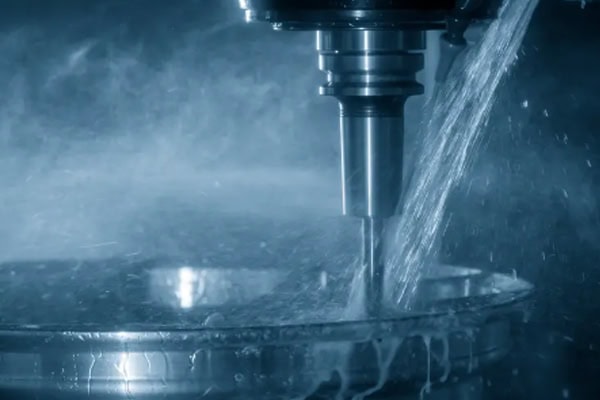
Machining generates substantial heat. Insufficient cooling can lead to dimensional errors and accelerated tool wear.
- Lowers cutting temperatures and reduces heat accumulation.
- Minimizes thermal deformation and improves dimensional accuracy.
- Extends tool life and reduces tool replacement frequency.
A stable cooling environment improves machining accuracy and process stability, especially during high-speed machining operations.
Chip Evacuation Affects Surface Quality
Improper chip removal can cause recutting, which negatively impacts workpiece quality.
- Prevents recutting and reduces surface damage.
- Minimizes scratches and improves product appearance.
- Enhances machining stability and lowers the risk of process abnormalities.
Efficient chip evacuation improves workpiece quality, reduces machining defects, and increases productivity.
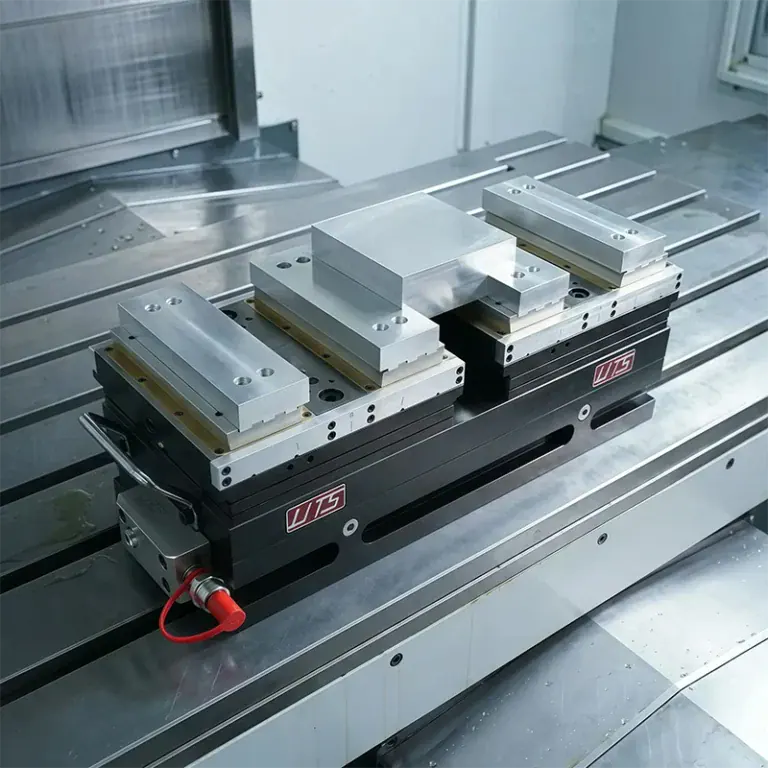
Fixturing Methods Affect Dimensional Accuracy
Workpiece fixation quality determines machining stability, particularly when machining thin-wall and complex structural components.
- Improves positioning accuracy and ensures consistent machining references.
- Prevents workpiece movement and avoids dimensional deviations.
- Reduces machining deformation and improves product precision.
- Enhances batch consistency and supports large-scale production requirements.
Proper fixturing improves machining stability and product quality. Combined with effective cooling and chip evacuation systems, it helps reduce machining issues while improving productivity and consistency.
Conclusion
In actual production environments, improving CNC milling quality does not depend on a single factor. Instead, it requires coordinated optimization of equipment, cutting tools, process parameters, material characteristics, and production management. As product structures become increasingly complex and precision requirements continue to rise, manufacturers must rely on scientific machining strategies and strict quality control to reduce error risks, improve product consistency, and enhance delivery efficiency. Only by establishing a comprehensive machining system can companies achieve both quality assurance and cost optimization. If you are looking for professional and reliable precision machining services, TiRapid, with its extensive manufacturing experience and advanced machining capabilities, can provide high-quality CNC milling support for a wide range of complex component projects.