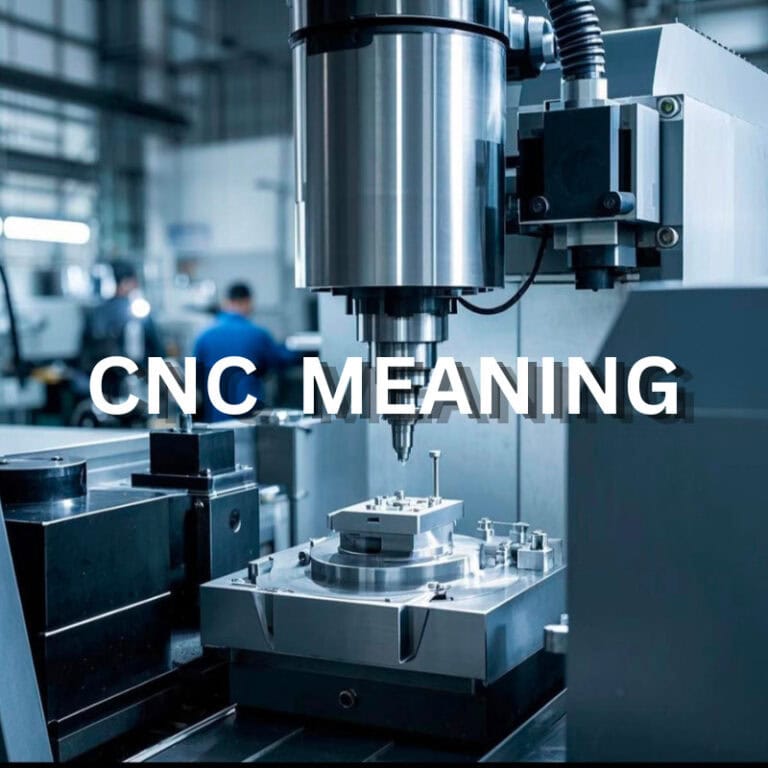
As robotics continues to advance toward higher precision, faster operation, lightweight construction, and greater intelligence, robotics manufacturers are placing increasingly demanding requirements on the machining capability and supply stability of precision components. Robot systems perform repeated positioning, rotation, gripping, movement, inspection, and assembly operations, while numerous internal components must maintain accurate dimensional relationships and reliable mechanical properties. Precision CNC machining can manufacture aluminum alloys, stainless steel, alloy steel, copper alloys, titanium alloys, and engineering plastics through high-precision turning, milling, drilling, tapping, and multi-axis machining. With digital program control and standardized production processes, CNC machining can support prototype development, small-batch production, and volume orders for the robotics industry, providing stable customized machining services for robot joint components, transmission structures, mounting parts, positioning components, and specialized tooling.
Precision CNC Machining Technology and Supply Advantages for the Robotics Industry
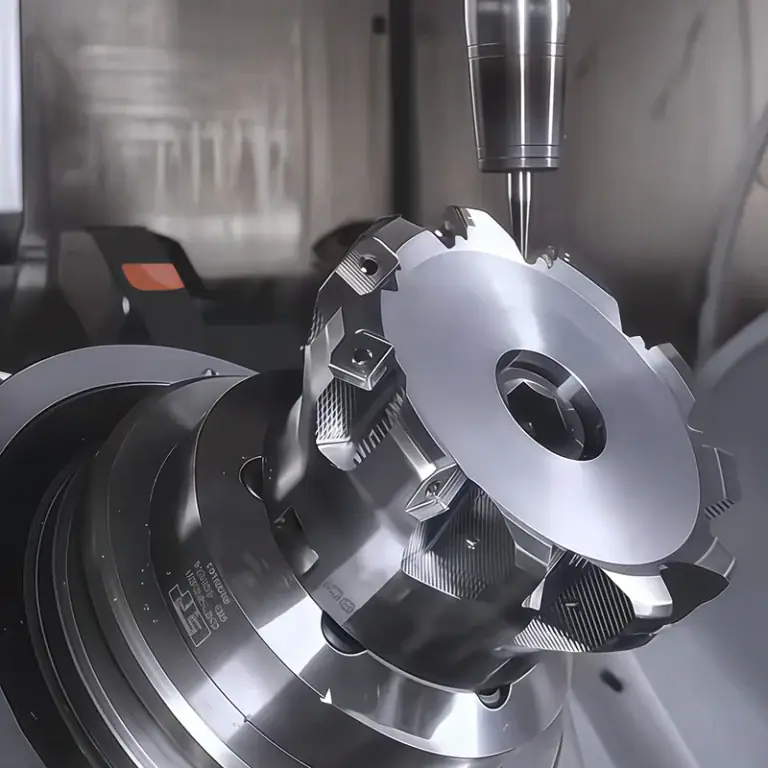
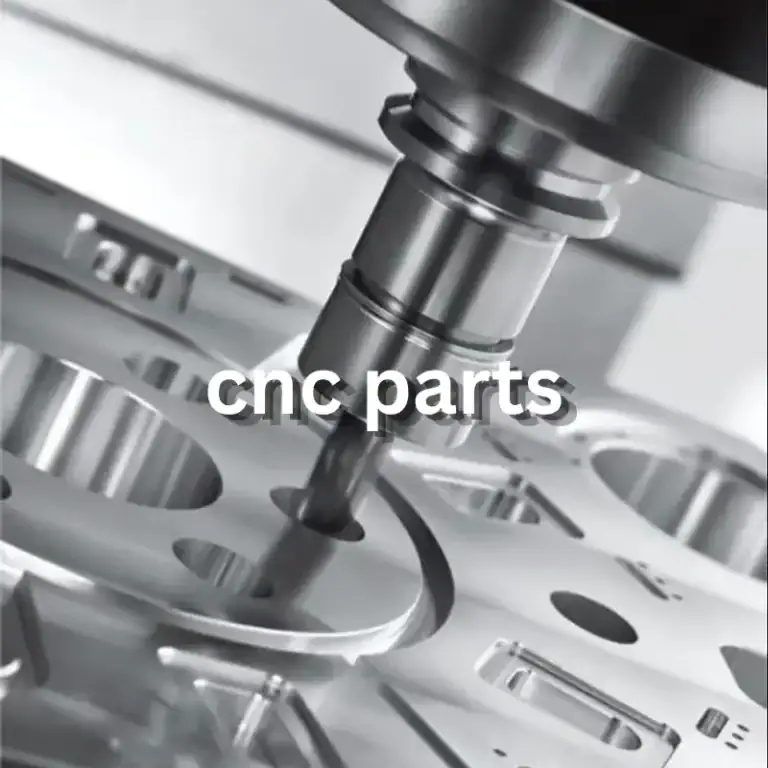
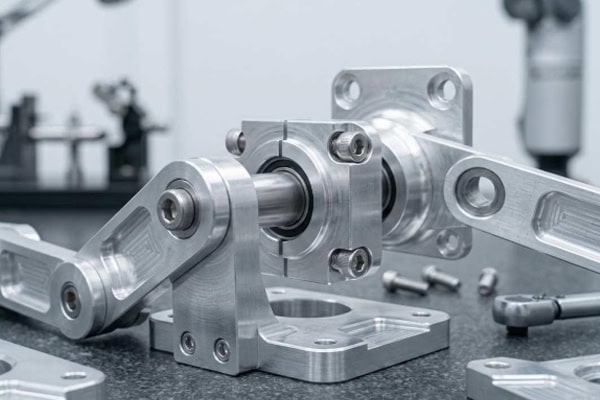
Robotic components often feature compact structures, numerous mounting holes, tight fits, and high operating frequencies. During machining, it is necessary to control not only individual dimensions but also the positional relationships between different features. Precision CNC machining can create machining programs according to component drawings and select suitable equipment and processes based on material, structural characteristics, dimensional tolerances, and order volume. For complex robotic components, four-axis or five-axis machining can reduce repeated setups and improve the accuracy of curved surfaces, angled holes, and multi-sided structures. Shafts, sleeves, and other rotational components can be produced on CNC lathes for accurate machining of outer diameters, internal bores, end faces, grooves, and threads.
CNC Machining Processes for Precision Robotic Components
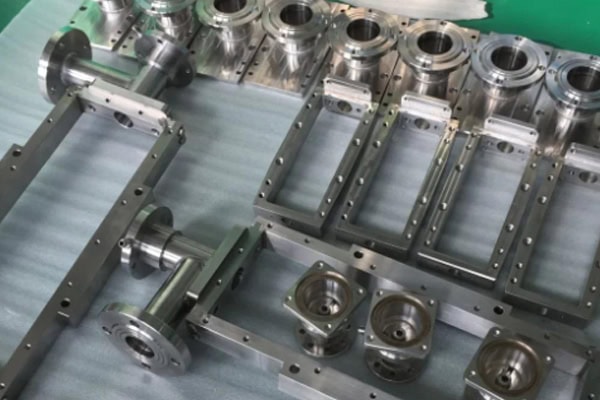
Common precision robotic components include motor mounting parts, bearing housings, connecting shafts, locating pins, transmission bases, support blocks, sensor brackets, and specialized mounting structures. The machining process needs to establish suitable datum surfaces and identify critical dimensions according to the final application of each component before arranging roughing, semi-finishing, and finishing operations.
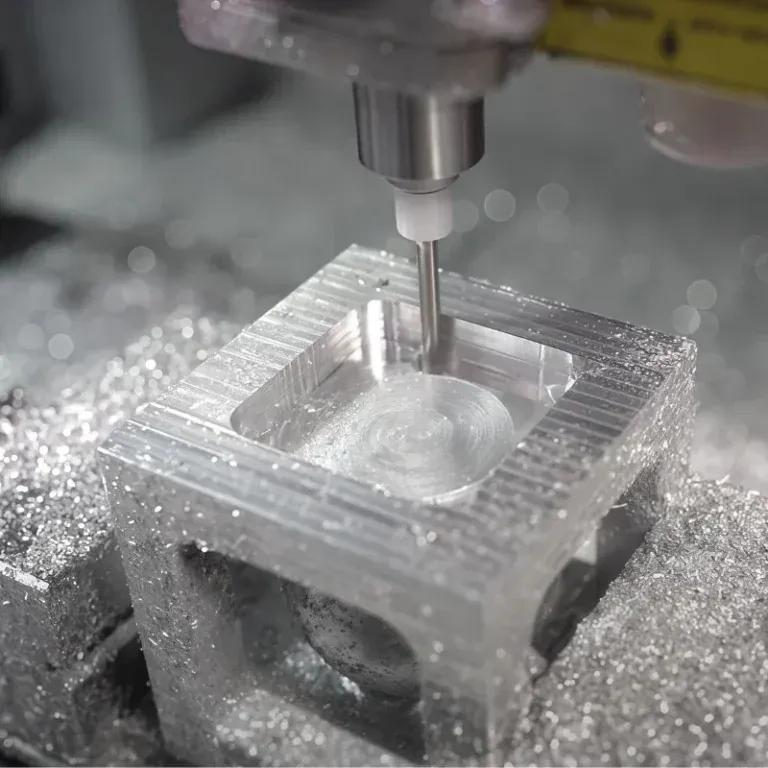
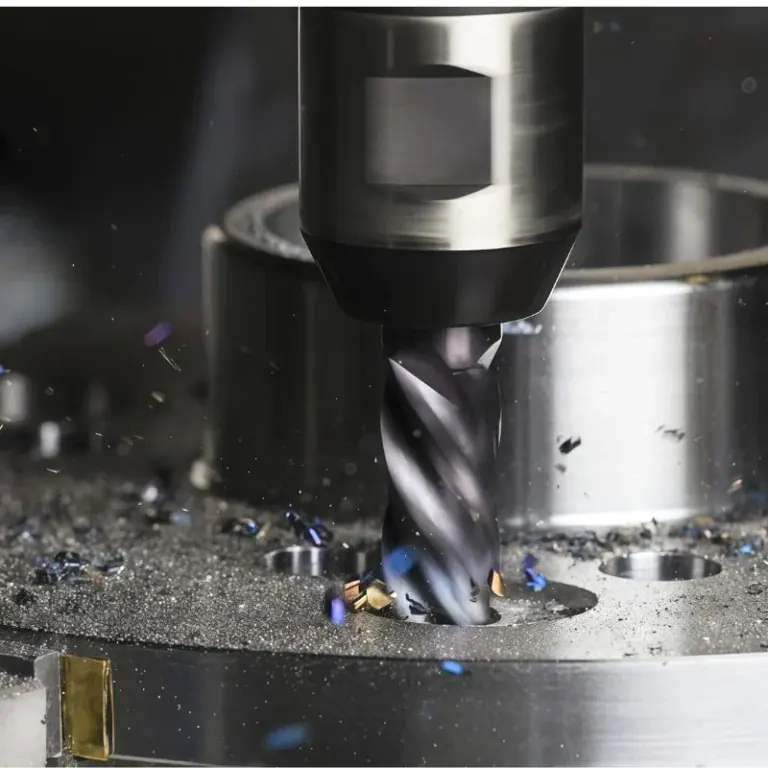
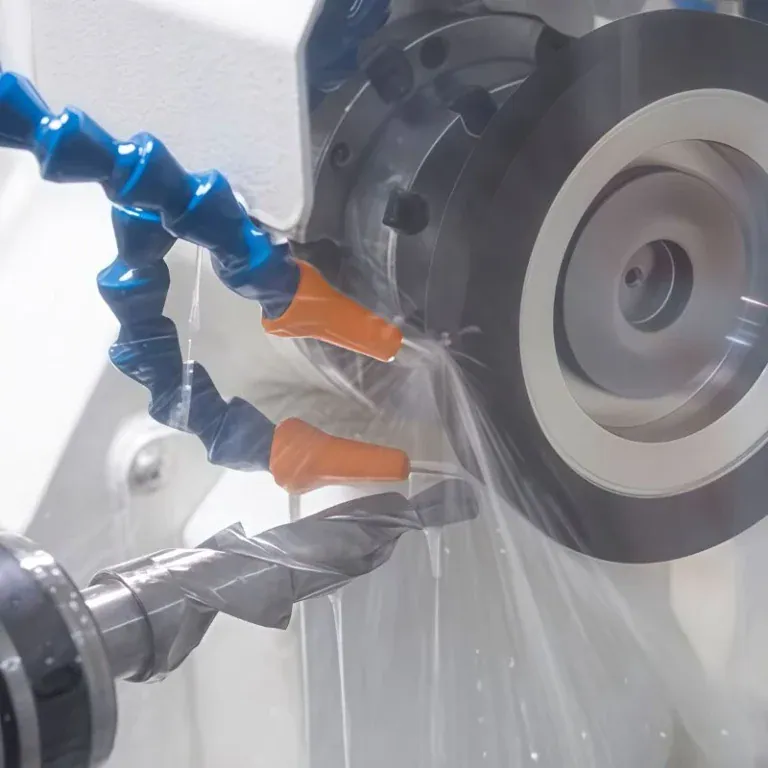
For aluminum components, high-speed milling can improve material removal efficiency while optimized tool paths help reduce deformation in thin-wall areas. Stainless steel and alloy steel components require appropriate cutting speeds, feed rates, and depths of cut to control machining heat and maintain dimensional stability. Precision holes can be produced through drilling, reaming, and other sequential operations to improve hole accuracy. For threaded structures, taps, thread mills, or turning tools can be selected according to the required thread specification.
CNC Machining and Supply Process for Robotic Components
Stable robotic component supply requires a continuous process covering drawing confirmation, process planning, machining, inspection, and delivery. Standardized production management can reduce dimensional variation during order execution and improve consistency between different production batches.
- Technical document confirmation: Check 3D models, 2D drawings, material grades, dimensional tolerances, thread specifications, surface roughness, and surface treatment requirements.
- Process planning: Select CNC turning, three-axis milling, four-axis machining, or five-axis machining according to component geometry and establish suitable positioning references.
- Material preparation: Prepare materials according to design requirements and verify material specifications and batch information.
- Program development: Create CNC programs according to component dimensions and machining features while optimizing tool paths and machining sequences.
- Prototype machining: Produce first-off samples for newly developed components and verify critical dimensions before further production.
- Batch machining: Carry out continuous production according to approved process parameters while monitoring tool wear and machine operating conditions.
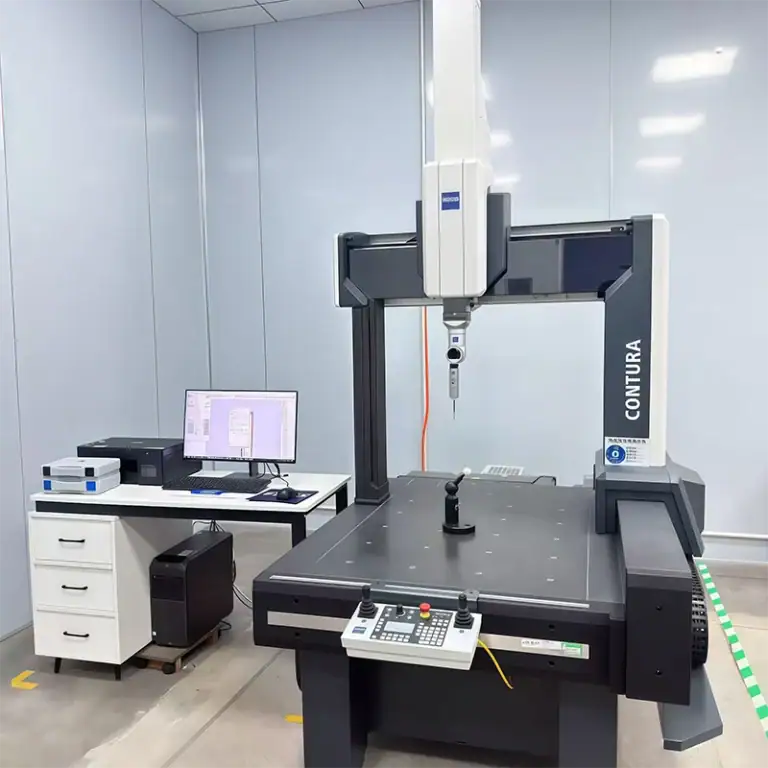
- Quality inspection: Use micrometers, calipers, pin gauges, thread gauges, optical measuring systems, or CMM equipment to inspect critical dimensions.
- Packaging and delivery: Clean finished components and protect them against corrosion, impact, and surface damage before classification and delivery.
This production workflow can accommodate the purchasing requirements of robotics manufacturers at different development stages while supporting traceability and production management for customized components.
Common Materials and Performance of Robotic CNC Components
Different robotic structures experience different loads and operating conditions, so material selection should correspond to component weight, strength, wear resistance, and environmental requirements. CNC machining processes can be adjusted according to the properties of each material.
| Material | Main Properties | Typical Components | Common Machining Methods |
| 6061 Aluminum Alloy | Lightweight, easy to machine, corrosion resistant | Brackets, mounting bases, connectors | CNC milling, drilling |
| 7075 Aluminum Alloy | High strength, low weight | High-load structural components | Precision milling, drilling |
| 304 Stainless Steel | Corrosion resistant, stable strength | Connectors, sleeves, mounting parts | Turning, milling |
| 316 Stainless Steel | Strong corrosion resistance | Components for humid environments | Turning, milling |
| Alloy Steel | High strength and wear resistance | Shafts, transmission components | CNC turning, milling |
| Copper Alloy | Electrical and thermal conductivity, wear resistance | Conductive components, bushings | Milling, turning |
| Titanium Alloy | High strength, low density | High-performance structural parts | Multi-axis precision machining |
Proper material selection can reduce overall robot weight while maintaining structural strength and provide appropriate durability for different operating environments.
Applications, Usage Methods, Functions, and Performance Requirements of Precision Robotic CNC Components
Robotic equipment continues to expand from traditional industrial robots to collaborative robots, mobile robots, inspection systems, logistics robots, and automated production equipment. Different systems require different component characteristics. Fixed mounting components generally prioritize dimensional and hole-position accuracy, moving components require wear resistance and precise fits, while mobile equipment needs a balance between structural strength and lightweight construction. Customized CNC machining can manufacture non-standard components according to specific robot designs, enabling accurate integration with motors, bearings, reducers, sensors, linear guides, and other components.
Precision Components for Industrial Robot Motion Systems
Industrial robots perform continuous high-speed rotation, swinging, and repetitive positioning operations. Their joint mechanisms contain numerous shafts, sleeves, connectors, mounting bases, and positioning components. CNC machining can precisely control the outer diameter, internal bore, end face, keyway, and thread dimensions of these components, helping different parts maintain stable fits after assembly.
During operation, shafts transmit torque or support movement, while bushings provide stable sliding or fitting structures. Mounting bases secure motors, reducers, and other motion modules. For robots operating at high frequencies and under continuous loads, high-strength materials such as alloy steel can be selected according to the application. Heat treatment or surface hardening can also be incorporated to improve wear resistance.
CNC Components for Collaborative Robots, Mobile Robots, and Inspection Equipment
Collaborative robots emphasize compact structures, flexible movement, and safe human-robot interaction. Their precision connecting components must achieve reliable assembly within limited installation spaces. CNC machining is suitable for producing small mounting blocks, sensor brackets, joint connectors, and specialized positioning structures according to customized dimensions.
Mobile robots and AGVs commonly use drive-wheel mounting components, motor brackets, chassis connectors, sensor mounts, and battery mounting structures. Aluminum CNC components can reduce structural weight while maintaining suitable mechanical strength. Vision inspection robots require camera mounts, lens holders, and positioning components to maintain accurate spatial relationships and reduce structural movement during operation.
Functional and Performance Requirements for Robotic CNC Components
Precision robotic components commonly perform connection, positioning, support, transmission, guidance, and protection functions. Different functions require different machining controls, with particular attention to critical mating dimensions and mechanical properties during production.
| Function | Performance Requirement | CNC Machining Control |
| Precision Positioning | Stable dimensions and accurate location | Hole spacing, flatness, perpendicularity |
| Motion Transmission | High strength and wear resistance | Shaft diameter, concentricity, surface roughness |
| Structural Connection | Stable rigidity | Threads, hole diameter, mounting surfaces |
| Motor Mounting | Accurate fit | Mounting hole position, center distance |
| Sensor Mounting | Stable positioning | Small hole diameter, hole spacing, surface accuracy |
| Guided Support | Low friction | Fit clearance, roundness |
| Protective Structure | Strength and dimensional stability | Wall thickness, profile, mounting holes |
These requirements help robotic components maintain stable conditions during assembly and operation while reducing the impact of dimensional deviations on equipment movement accuracy.
Customized CNC Machining Supply and Quality Control for the Robotics Industry
Robotic products frequently undergo design upgrades and structural optimization, meaning the same component may pass through prototype, small-batch, and mass-production stages. Precision CNC machining suppliers need to arrange production resources according to order quantity, material, tolerance requirements, and delivery schedules. For new projects, prototype machining can be used to verify component structures. During trial production, process optimization can improve manufacturing stability. Once a product reaches mature production, standardized programs and inspection procedures can help maintain batch-to-batch consistency.
Methods for Improving Robotic Component Precision Through CNC Machining
Dimensional stability in robotic components is influenced by machine accuracy, tool wear, workholding, machining parameters, and environmental temperature. Establishing critical-dimension control procedures during production can reduce dimensional variation during continuous machining.
- Select stable machining datums: Use consistent reference surfaces whenever possible for machining critical holes, mounting surfaces, and mating structures.
- Optimize workholding: Select suitable fixtures for thin-wall, deep-cavity, or irregular components to minimize deformation caused by clamping forces.
- Control tool wear: Regularly inspect cutting edges and replace tools when they reach established wear limits.
- Optimize cutting parameters: Adjust spindle speed, feed rate, and depth of cut according to materials such as aluminum alloy, stainless steel, and alloy steel.
- Manage finishing allowance: Reserve an appropriate amount of material for finishing to achieve more stable final dimensions.
- Strengthen in-process inspection: Inspect critical dimensions during production and adjust machining parameters according to measurement data.
- Maintain machine condition: Regularly inspect spindles, guideways, ball screws, and positioning systems to maintain machining accuracy.
- Perform first-piece verification: Confirm dimensions and appearance before batch production to prevent process errors from entering continuous manufacturing.
Coordinated control of machines, cutting tools, fixtures, programs, and inspection procedures can further improve dimensional consistency and provide reliable support for robotic assembly and long-term operation.
Surface Treatment and Usage Methods for Precision Robotic Components
Finished robotic components can receive suitable surface treatments according to their working environment. Aluminum structural components commonly use anodizing, sandblasting, or other finishing processes to improve corrosion resistance and surface durability. Stainless steel components can undergo passivation or polishing, while alloy steel motion components may use heat treatment, surface hardening, or coating processes to improve service life.
During assembly, chips and burrs should be removed from holes, threads, and mating surfaces, and the dimensional relationships between shafts, bores, and locating surfaces should be verified. Moving connectors and bushings should be lubricated and inspected according to the maintenance requirements of the robotic system. After extended operation, moving areas should be checked for abnormal clearance, wear, or looseness, with corrective maintenance performed according to the equipment service schedule.
Quality Inspection and Customized CNC Supply for Robotic Components
Quality inspection for precision robotic components should be established according to engineering drawings and technical specifications. Standard dimensions can be checked using calipers, micrometers, and height gauges, while precision holes, profiles, and positional relationships can be verified with optical measuring systems or coordinate measuring machines. Threaded structures can be checked using thread plug gauges or ring gauges, while components with demanding surface requirements can also undergo surface roughness and coating inspections.
CNC machining suppliers can provide prototype machining, small-batch customization, and volume production according to the purchasing plans of robotics manufacturers. After receiving 3D models, 2D drawings, material specifications, and tolerance requirements, the supplier can develop an appropriate machining process and establish inspection items for critical dimensions. For long-term projects, standardized CNC programs, inspection procedures, and batch records can help maintain product consistency. Reliable precision CNC machining supply enables robotics manufacturers to shorten component development cycles, improve assembly efficiency, and obtain dependable customized parts for robot R&D, prototype production, equipment manufacturing, and large-scale production.