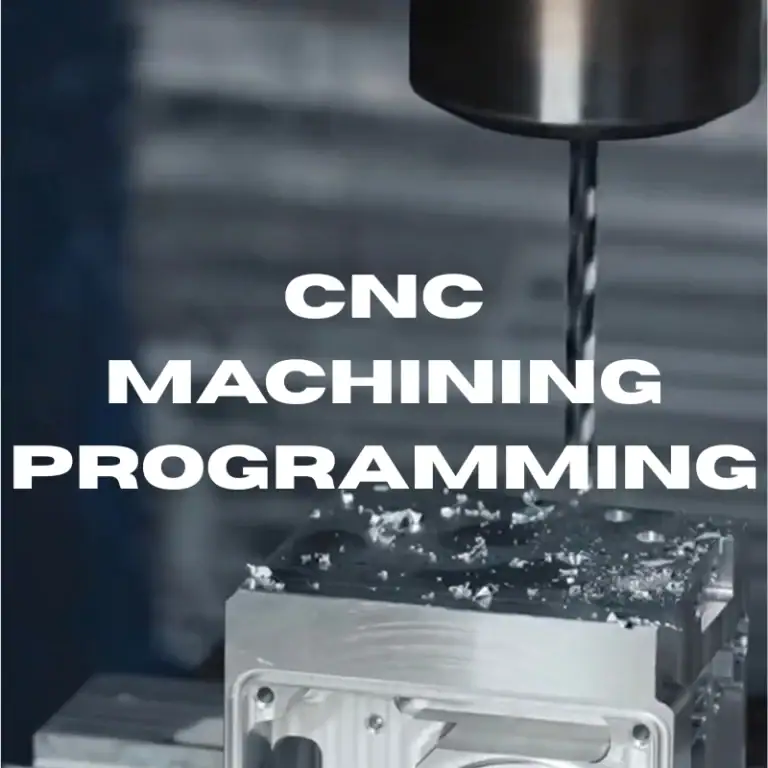
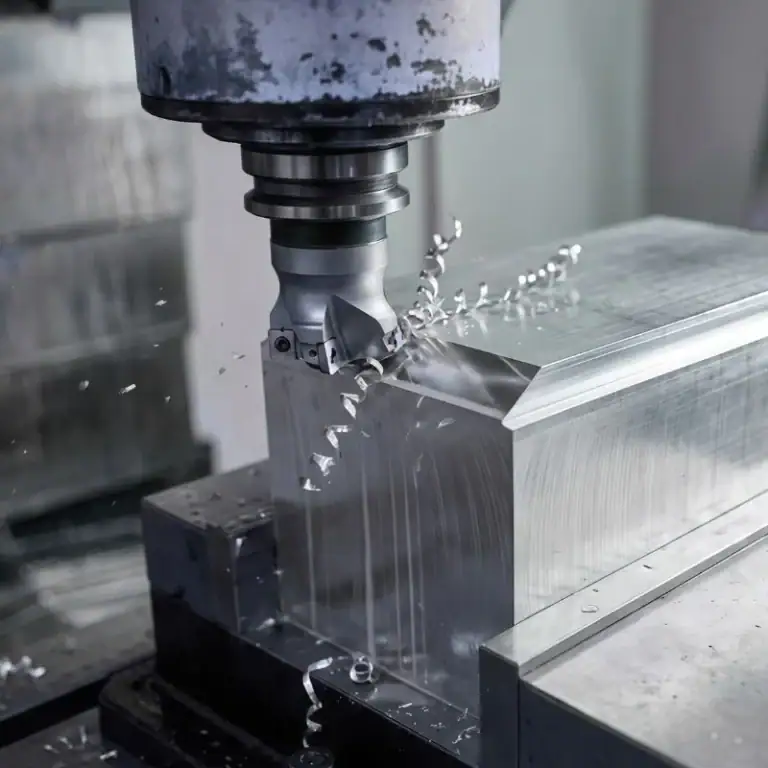
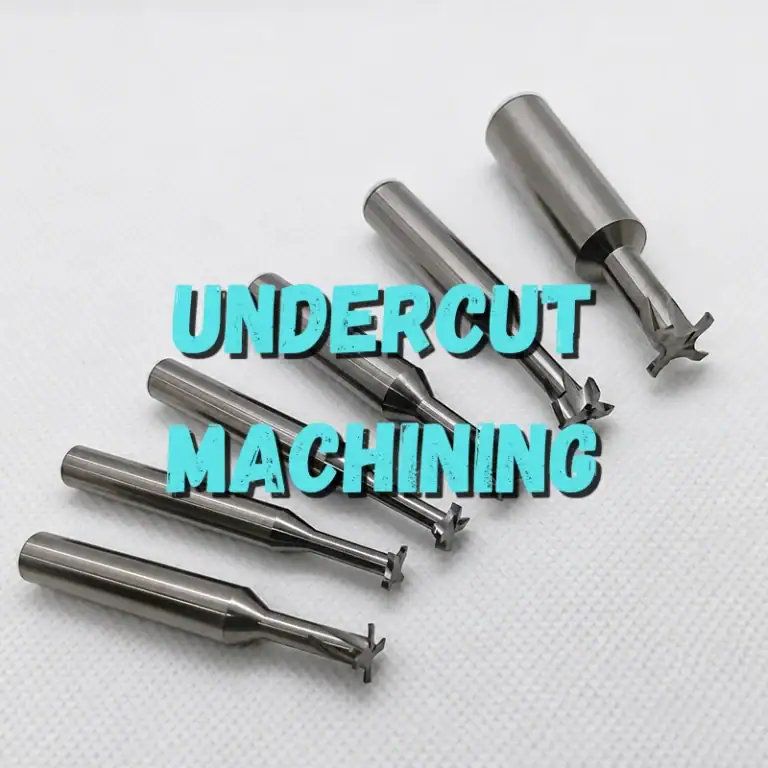
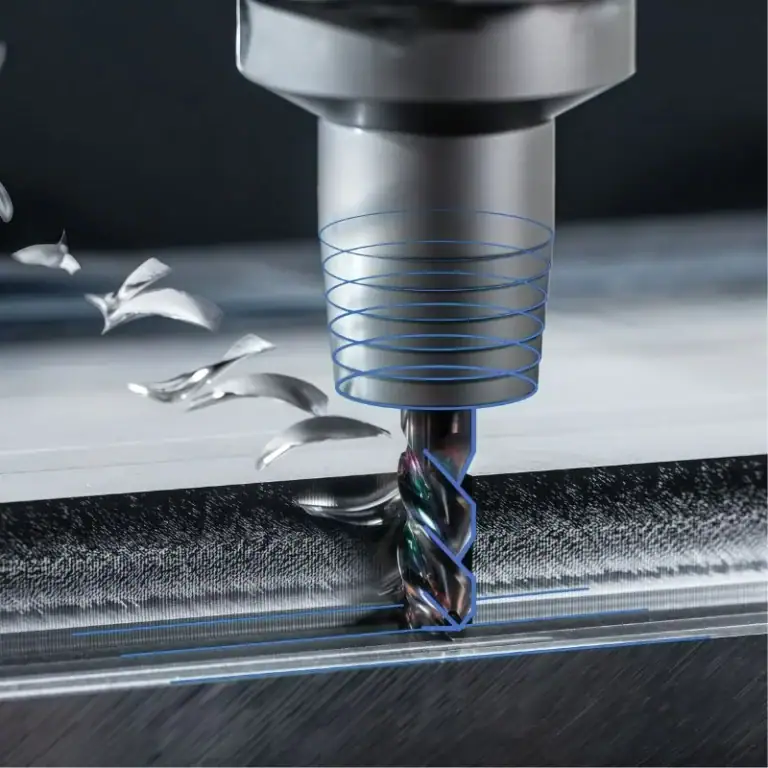
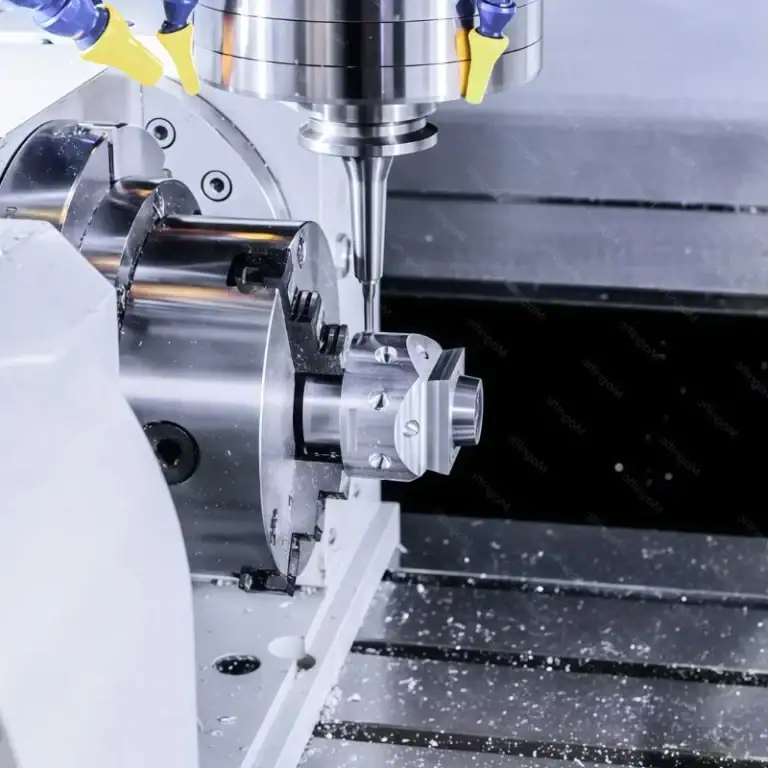
Precision turning machining requires high standards for dimensional accuracy, surface quality, and process stability. It is widely used in mold components, precision shaft parts, medical devices, aerospace components, and high-precision mechanical structures. Compared with conventional turning, precision machining is more sensitive to machine condition, tool wear, cutting parameters, and clamping methods. Any instability in the process may lead to dimensional deviation, poor surface finish, or inconsistent repeatability. Therefore, optimization across machine rigidity, tool selection, cutting parameters, and process control is necessary.
Requirements for Machine Tool Stability in Precision Turning
Precision machining places high demands on machine tool rigidity and dynamic stability. Even slight vibration or displacement during operation can be directly reflected on the workpiece surface. If the machine has clearance or structural instability, machining errors will accumulate, especially during high-speed or long-duration cutting.
Spindle System Stability Control
The spindle is a key factor affecting machining accuracy. If spindle bearings are worn or clearance is excessive, rotational runout may occur, affecting roundness and coaxiality. During long machining cycles, thermal expansion caused by spindle temperature changes can also lead to dimensional drift, so stable operation and temperature control are required.
Tool Holder and Guideway Rigidity Control
Insufficient tool holder rigidity may cause slight displacement under cutting force, affecting machining accuracy. Poor lubrication or wear of guideways can also result in unstable motion, leading to deviation in tool paths. In precision machining, tool overhang is usually minimized to reduce deflection and improve overall stability.
Workpiece Clamping Stability
Clamping method directly affects machining stability. For slender shaft parts, chuck-only clamping may cause mid-span deflection, so tailstock or steady rest support is often required. Insufficient clamping force or uneven force distribution can also lead to vibration and dimensional fluctuation during machining.
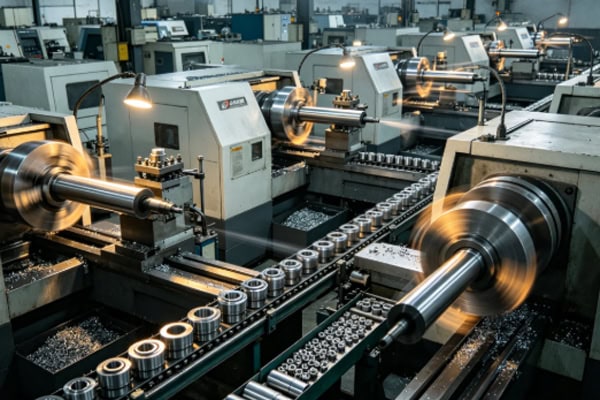
Tool Selection and Application Techniques in Precision Turning
Tool performance directly affects surface quality and dimensional accuracy. Different materials and machining requirements demand different tool selections, and proper matching significantly improves stability.
Tool Material Matching Selection
Different materials require different cutting tools:
- Carbon steel is typically machined with coated carbide tools
- Stainless steel requires high-toughness heat-resistant tools
- High-hardness materials require CBN tools
- Aluminum alloys are better suited for sharp PCD tools
Mismatched tool-material combinations may lead to rapid wear, edge chipping, or poor surface quality.
Cutting Edge Geometry and Sharpness Control
Nose radius has a significant influence on surface quality. A large radius may cause vibration marks, while a very small radius may reduce tool life. In finishing operations, a smaller nose radius combined with a sharp cutting edge is typically used to achieve finer surface finish and lower cutting resistance.
Coated Tool Usage Control
Coated tools improve wear resistance and heat resistance but are sensitive to temperature. Excessive cutting temperature may cause coating delamination, reducing tool life. Stable cutting conditions and proper cooling are necessary to maintain performance.
Cutting Parameter Control in Precision Machining
Cutting parameters directly influence machining stability and surface quality. In precision machining, stability is prioritized over maximum productivity.
Cutting Speed Control
Improper cutting speed affects machining behavior:
- Excessive speed: vibration, high temperature rise, accelerated tool wear
- Too low speed: built-up edge, friction cutting, poor surface finish
A moderate and stable cutting speed is typically selected to ensure smooth cutting conditions.
Feed Rate Adjustment Method
Feed rate determines surface texture density and finish quality. In finishing operations, a smaller feed rate is used to achieve finer surface patterns. However, excessively low feed may cause friction between tool and workpiece, affecting stability, so a balanced range is required.
Depth of Cut Control Method
Precision machining usually separates roughing and finishing stages. Roughing removes most of the material, while finishing refines dimensions and surface quality. A small depth of cut in finishing reduces cutting force fluctuations and improves dimensional stability.
Influence of Cooling and Chip Evacuation in Precision Turning
Cooling and chip evacuation directly affect tool life and machining quality. Improper handling may lead to overheating and surface damage.
Coolant Usage Control
Coolant reduces cutting temperature and minimizes thermal deformation. In precision machining, coolant must be consistently directed to the cutting zone. Insufficient cooling can lead to temperature rise and dimensional instability.
Chip Evacuation Control
Poor chip removal causes chips to rub against the workpiece repeatedly, resulting in surface scratches or increased vibration. Chip breaker tools or optimized feed strategies are commonly used to improve chip control.
Cooling Method Selection
Different materials require different cooling strategies. Aluminum alloys may sometimes be machined dry, while stainless steel and high-hardness materials generally require sufficient cooling support to maintain stability.
Methods to Improve Surface Quality in Precision Turning
Surface quality directly affects part performance and assembly accuracy, making it a key focus in precision machining.
Reducing Sources of Vibration
Vibration produces wave-like marks on the workpiece surface. It can be reduced by improving machine rigidity, minimizing tool overhang, and enhancing clamping stability. Shorter tool projection and stronger clamping significantly reduce vibration.
Optimizing Machining Path
Proper toolpath planning reduces redundant cutting and unnecessary air cutting, minimizing error accumulation. A continuous and stable cutting process helps achieve uniform surface quality.
Controlling Tool Wear
Tool wear directly affects surface consistency. Regular inspection and timely tool replacement during early wear stages help maintain machining stability and consistent quality.
Common Misconceptions in Precision Turning
In practical machining, certain habits negatively affect precision results. Using the same parameters for different materials may lead to unstable machining conditions. Excessively increasing cutting parameters to improve efficiency may amplify vibration and reduce accuracy. Ignoring tool wear and continuing to use dull tools may cause dimensional drift and surface degradation. Without targeted adjustments based on actual conditions, maintaining stable precision machining becomes difficult.