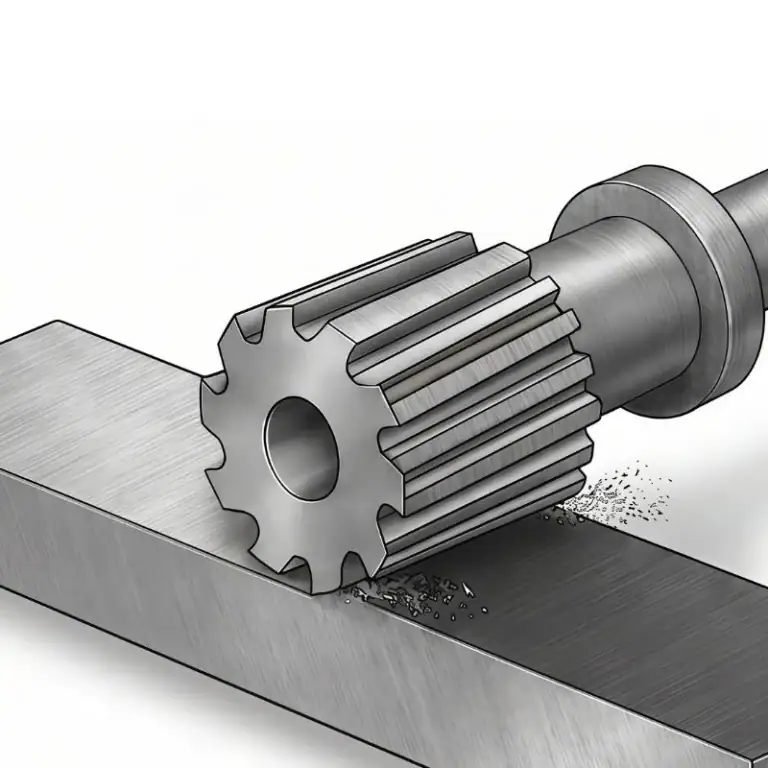
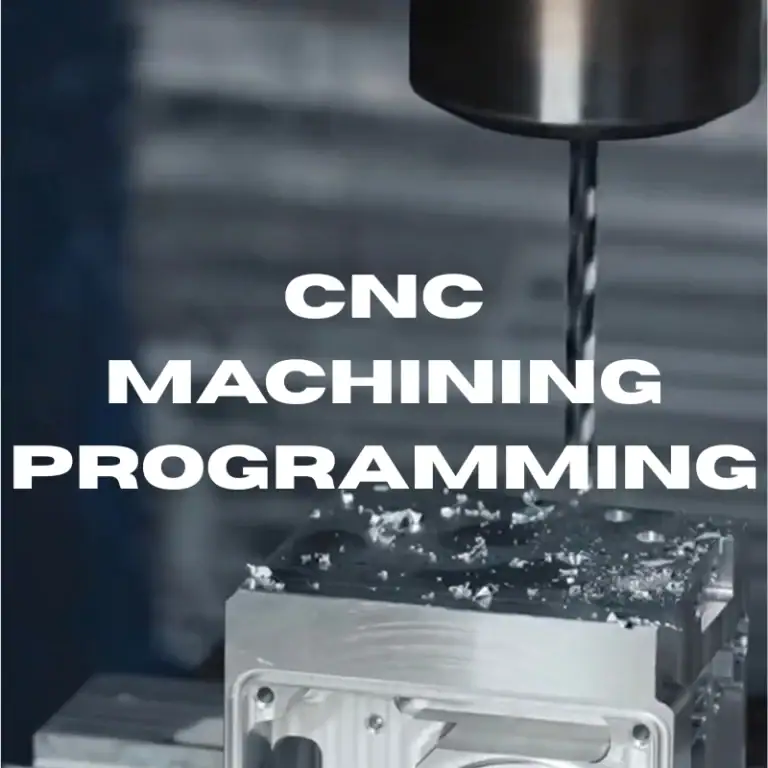
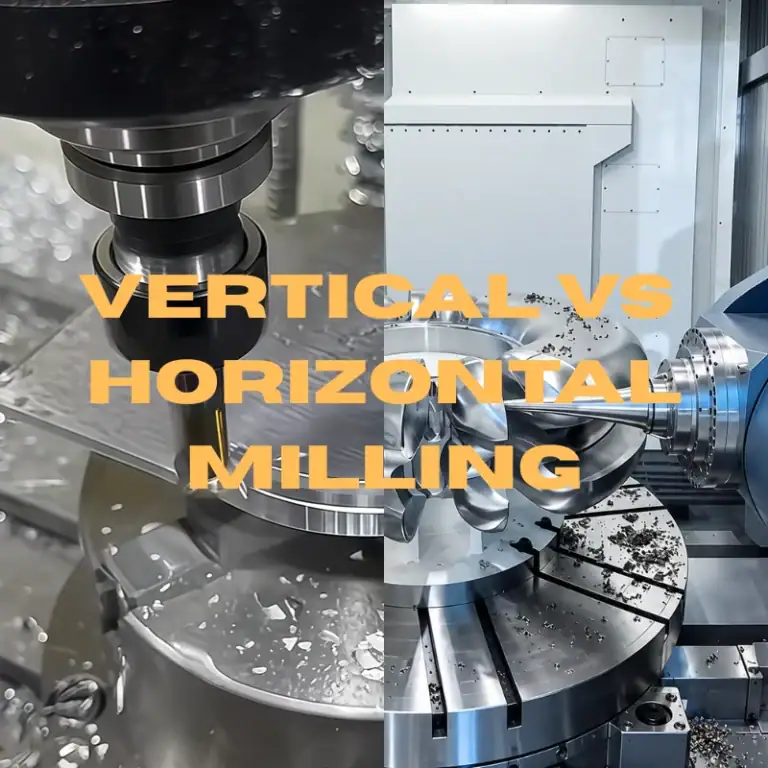
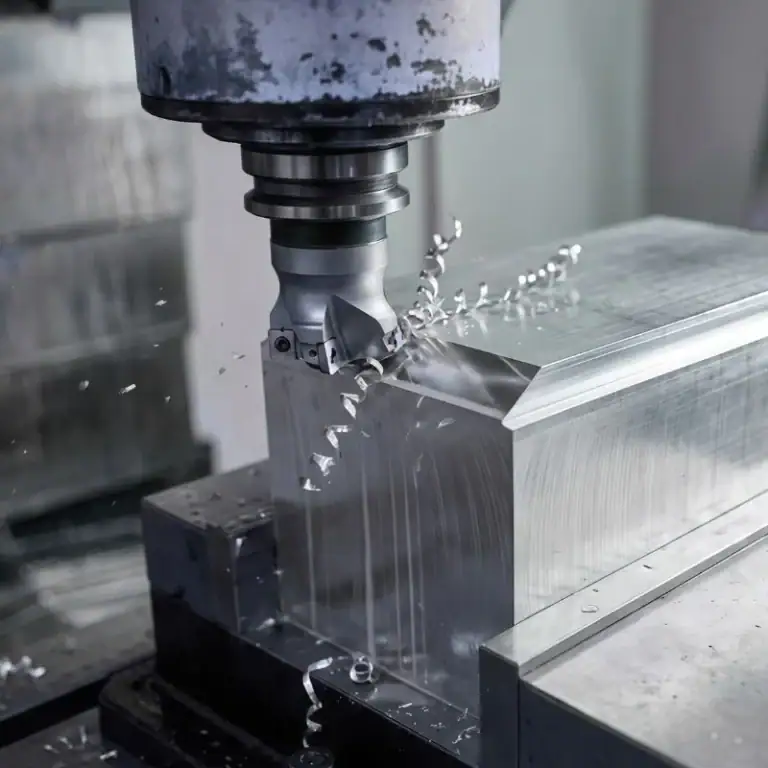
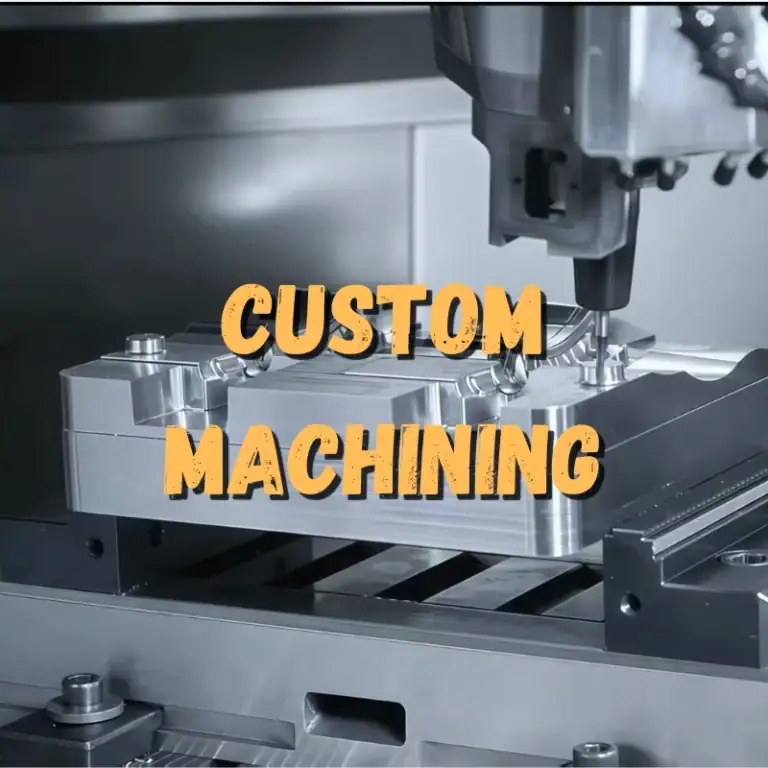
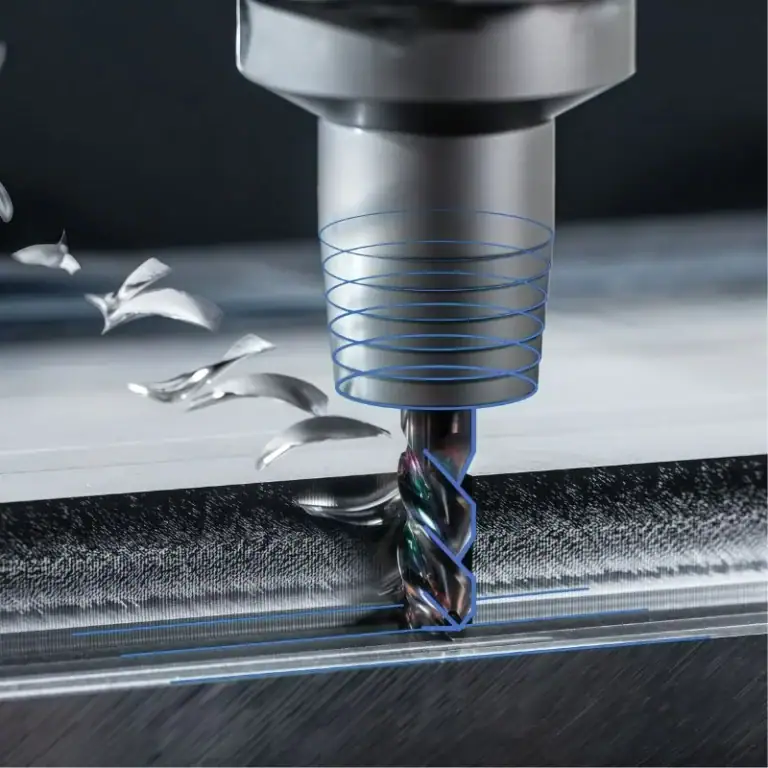
When many customers develop new products, their first concern is often not whether the part can be mass-produced, but whether the sample can be delivered quickly. Especially during critical stages such as structural validation, assembly testing, and appearance confirmation, time is usually more important than batch cost. Because CNC milling does not require mold making, is easy to modify, and supports a wide range of materials, it has become a very common machining method for rapid prototyping. For customers who want to see the physical result as early as possible and identify design issues in time, it is usually a safer and more efficient choice.
Why CNC Milling Is Often the First Choice for Rapid Prototyping
The advantages of CNC milling in rapid prototyping are mainly reflected in short lead time and flexible adjustments. For projects with fast R&D cycles and frequent revisions, this machining method is often better able to meet practical needs.
No Mold Required, Shorter Sample Cycle
CNC milling can be programmed and produced directly from 3D drawings, without waiting for mold fabrication like injection molding or die casting. As a result, the time from order placement to sample delivery is significantly shortened. For the R&D stage, this method is especially suitable for projects with tight schedules.
- CNC milling can be programmed and machined directly based on 3D models and engineering drawings, eliminating the need for mold design, mold manufacturing, and trial molding, so sample delivery is usually faster.
- For projects that need to quickly verify structural feasibility, this machining method helps customers obtain physical samples earlier and enter testing and optimization stages sooner.
- When product development schedules are tight, CNC prototyping can effectively reduce waiting time and allow the R&D team to focus more on design validation and functional adjustments.
For new product development projects that pursue efficiency, CNC milling is often a more suitable machining method for rapid prototyping.
More Flexible Design Changes
If the sample reveals that hole positions, wall thickness, or mounting surfaces need adjustment, the part can continue to be machined simply by modifying the program and toolpath, without reinvesting in mold costs. For product development that requires repeated iteration, this flexibility is crucial. When a sample reveals dimensional deviation, structural interference, or assembly issues during testing, the CNC program can be adjusted and the next machining cycle can begin quickly. Compared with traditional processes that require remaking molds, CNC milling has lower costs for design changes and is better suited to R&D scenarios with frequent revisions. This flexibility helps engineers complete multiple rounds of validation more quickly, allowing the product design to gradually mature through continuous refinement. Because it is easy to modify and responds quickly, CNC milling is especially suitable for rapid prototyping projects that require multiple iterations.
Suitable for Rapid Validation of Multiple Materials
Whether it is aluminum alloy, copper, stainless steel, or engineering plastics such as ABS, POM, and nylon, CNC milling can complete machining relatively quickly, making it convenient for customers to validate structural strength, appearance, and assembly relationships at the same time.
- Different materials have different characteristics in terms of strength, weight, heat resistance, and appearance, and CNC milling helps customers quickly compare material options during the sample stage.
- For parts that need to validate both function and appearance, CNC machining can balance material performance and machining accuracy well, meeting R&D testing requirements.
- Because of its broad material compatibility, customers can flexibly choose metal or plastic materials according to product application, making sample validation more efficient.
This ability to adapt to multiple materials gives CNC milling strong practical value in rapid prototyping.
What Problems CNC Milling Prototyping Can Help Customers Solve
CNC milling is not just about making the part; more importantly, it helps customers identify issues early in the R&D stage. It can expose many risks hidden in drawings by turning them into physical samples.
Quickly Verify Dimensions and Assembly Relationships
Many drawings look fine on a computer, but once turned into a physical part, issues such as hole spacing deviation, interference, or poor assembly may appear. Through CNC milling prototyping, customers can inspect key dimensions early and reduce the risk of rework later.
- After the sample is machined, engineers can directly inspect hole positions, edge distances, mating surfaces, and assembly clearances in physical form, making design issues easier to identify.
- For products that need to work with other parts, CNC samples help customers confirm assembly relationships in advance and avoid discovering structural conflicts only after mass production.
- Through first-article sample validation, many potential issues can be identified during the R&D stage, thereby reducing later modification costs and delivery risks.
CNC milling is not only a prototyping tool, but also an important means of helping customers identify problems early.
Balance Functional Testing and Appearance Confirmation
For parts such as housings, brackets, heat sinks, and connectors, the sample must not only fit, but also look right. CNC milling can balance structural accuracy and surface quality well, making it easier for customers to confirm whether the product appearance and function meet expectations during the prototyping stage.
- CNC-machined samples usually have good dimensional consistency and surface finish, meeting both functional testing and appearance presentation requirements.
- For projects that need to be presented to customers, shown at exhibitions, or reported internally, CNC samples are often closer to the final product than simple mockups.
- Confirming both function and appearance during prototyping helps companies judge earlier whether the product meets market expectations, improving R&D decision-making efficiency.
This is also why many companies choose CNC milling first when making samples in the early stage of new product development.
Shorten the Distance from R&D to Mass Production
The faster the sample is made, the earlier problems are exposed and the sooner the design can be optimized. For products that need to reach the market quickly, rapid prototyping is not only about saving time, but also about helping companies shorten the entire development cycle and improve launch efficiency.
- Rapid prototyping allows the R&D team to enter validation, correction, and confirmation processes earlier, reducing waiting time in the early project stage.
- When samples can be iterated quickly, product designs are more likely to be optimized within a short period, laying the foundation for later mass production.
- In highly competitive industries, whoever completes sample validation faster has a better chance of gaining market advantage.
From this perspective, CNC milling not only improves prototyping efficiency, but also accelerates the commercialization process to a certain extent.
Which Projects Are Better Suited to CNC Milling for Rapid Prototyping
Not every project must rely on CNC prototyping, but for parts with complex structures, high precision requirements, or tight delivery schedules, it is often the more suitable solution. Especially in the early R&D stage, CNC milling can balance speed and controllability very well.
Parts with Complex Structures and Small Quantities
If a part has deep grooves, irregular surfaces, multiple holes, or complex cavities, and only one or a few samples are needed at present, CNC milling is usually more suitable and more economical than mold making.
- For parts with complex structures but small quantities, mold making is often costly and time-consuming, while CNC machining is better suited for small-batch rapid validation.
- Complex structures often require repeated adjustments during the sample stage, and CNC milling can quickly remachine parts according to revised drawings, offering greater flexibility.
- These parts usually focus more on functional validation than batch cost, so CNC prototyping can better meet R&D needs.
If the project involves complex structures and small-batch validation, CNC milling is usually the more reasonable choice.
Products with High Precision Requirements
Parts such as precision brackets, equipment panels, connector bases, and heat dissipation structures often require high dimensional consistency. CNC milling can better meet the tolerance and mating surface requirements of such samples.
- High-precision parts must already have accurate key dimensions during the sample stage; otherwise, later test results may be distorted and affect R&D judgment.
- CNC milling has good repeatability and helps customers control dimensional error and assembly accuracy more consistently.
- For products that need to mate with other precision components, CNC samples more accurately reflect the final assembly result.
As long as the project has high requirements for precision and consistency, CNC milling usually offers clear advantages.
R&D Projects That Need Samples Quickly
Whether it is new product testing, customer approval, exhibition display, or bidding samples, time is always tight. The advantage of CNC milling lies in its fast response, helping customers obtain usable samples more quickly.
- In projects with very tight schedules, CNC machining helps customers complete first-article production quickly and meet milestone requirements.
- For companies that need to present solutions to customers quickly, CNC samples often show the product design more intuitively.
- When a project requires multiple rounds of confirmation in a short time, the high responsiveness of CNC milling becomes especially important.
If the project emphasizes lead time and efficiency, CNC milling is usually one of the most worthwhile prototyping methods to prioritize.
What Customers Should Pay Attention to During Rapid Prototyping
Although CNC milling is very suitable for rapid prototyping, improving first-pass success still depends heavily on preparation. Drawings, materials, processes, and supplier experience all directly affect the sample result.
Drawing Information Should Be as Complete as Possible
If the drawing does not clearly specify tolerances, materials, surface treatment, and key dimensions, misunderstandings are likely to occur during prototyping. The clearer the drawing, the easier it is to get the sample right the first time. Complete drawing information helps the machining provider accurately understand the design intent and reduces communication costs and rework risk. For key dimensions, mating surfaces, and functional surfaces, it is best to clearly mark the requirements in the drawing so the sample is more likely to meet expectations. If materials, surface treatment, or special processes are not explained in advance, the final sample result may also be affected. Therefore, the more complete the preliminary information, the better. In the rapid prototyping stage, drawing clarity often directly determines first-article success.
Materials and Processes Should Be Selected in Advance
Different materials vary greatly in machining difficulty, lead time, and cost. If customers can clarify the intended use before prototyping—whether it is mainly for functional validation or appearance presentation—it becomes easier to choose the right material and process plan.
- Functional validation samples focus more on strength, assembly, and durability, while appearance samples place more emphasis on surface finish and visual texture.
- Different materials require different tools, cutting parameters, and cooling methods during machining, so confirming the material in advance helps improve machining efficiency.
- If the material and process are chosen properly, not only can the lead time be shortened, but the sample can also be made closer to the final product state.
Clarifying the material and process direction before prototyping often makes the whole project progress more smoothly.
Supplier Experience Directly Affects First-Article Success
Rapid prototyping is not only about equipment, but also about engineering judgment. Experienced teams usually know better how to arrange toolpaths, control deformation, and optimize fixtures, thereby improving first-pass yield and reducing communication costs.
- Experienced machining teams can identify potential risks in the drawings more quickly and provide more reasonable suggestions before machining.
- When dealing with thin-walled parts, complex parts, or high-precision parts, engineering experience is often more important than equipment parameters alone.
- Choosing a supplier familiar with rapid prototyping workflows allows customers to obtain samples closer to expectations in a shorter time.
Rapid prototyping depends not only on equipment capability, but also on whether the supplier has sufficient engineering experience.
Conclusion
CNC milling is very suitable for rapid prototyping, especially for R&D projects that require speed, accuracy, and easy modification. It helps customers identify problems earlier, complete validation faster, and better control risks during the sample stage. If you are looking for CNC milling prototyping services that combine speed, precision, and efficient communication, TiRapid can provide faster sample delivery support for your project.