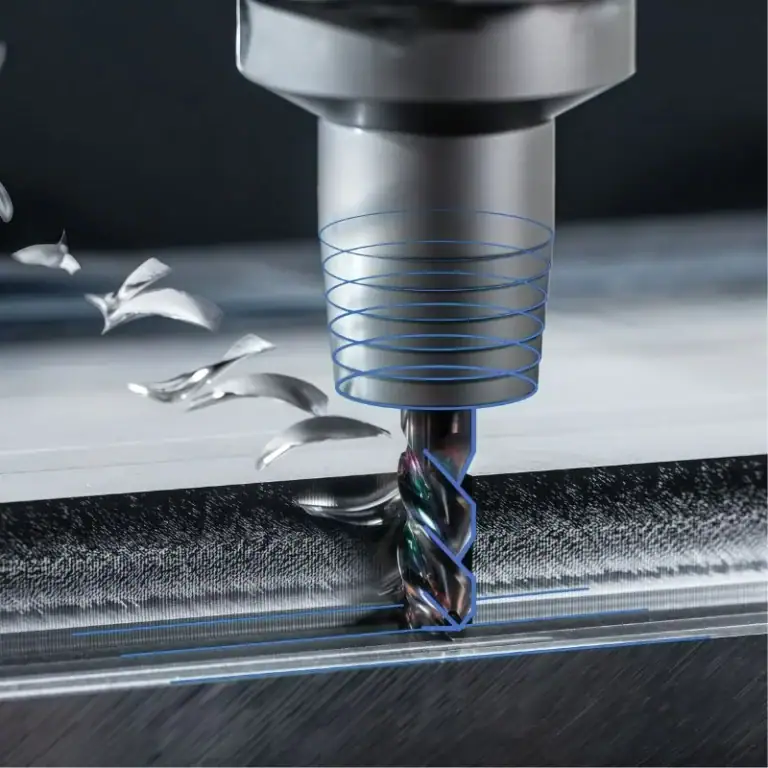
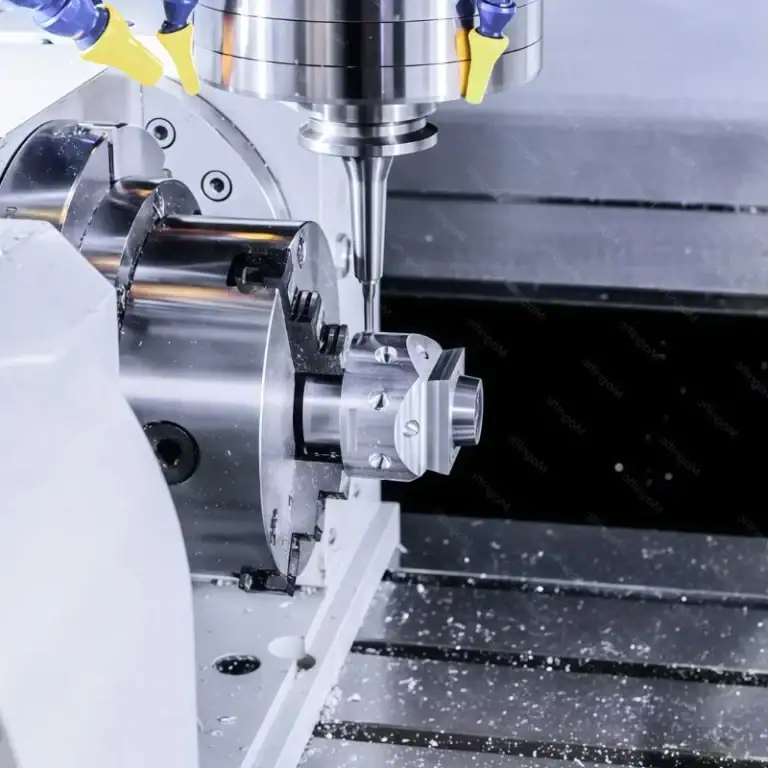
Improving efficiency in batch turning directly affects production cycle time, cost control, and delivery capability. In large-scale manufacturing environments, even small variations in single-part machining time can accumulate and significantly impact overall output. Efficiency improvement depends not only on machine speed but also on process planning, tooling setup, cutting parameter optimization, and operational workflow. A stable, continuous machining process with reduced non-value-added time is essential for maximizing batch production efficiency while maintaining consistent quality and avoiding rework or scrap.
Get 20% offf
Your First Order
Machine Configuration and Automation Level Affect Efficiency
In batch machining, machine tool performance determines the upper limit of efficiency. High-rigidity and stable CNC lathes support higher cutting parameters while reducing downtime for adjustments. The higher the level of automation, the smoother the machining continuity and the lower the variation caused by manual intervention. In mass production, equipment utilization is often more important than simply increasing cutting speed.
Improve Automation to Reduce Downtime
Automated loading and unloading systems significantly reduce manual intervention and keep machining processes continuous. Automatic bar feeders, robotic loading systems, pallet quick-change setups, and continuous cycle machining modes allow machines to operate for long periods without interruption. This reduces waiting time and improves overall cycle efficiency. In batch production, automation not only reduces labor cost but also minimizes human error, resulting in a more stable production rhythm.
Maintain Stable Machine Operation
Machine stability directly affects production rhythm. During long-term operation, insufficient maintenance may cause precision fluctuations, forcing reductions in machining speed or frequent adjustments.
Common influencing factors include:
- Guideway wear causing positioning instability
- Spindle thermal growth affecting accuracy
- Lead screw backlash accumulation
- Insufficient lubrication increasing friction
- Cooling instability causing thermal deformation
Regular maintenance, condition monitoring, and calibration of key components reduce interruptions and help the machine maintain continuous stable operation, improving overall efficiency.
Tooling System Optimization Improves Cutting Efficiency
Tool performance strongly influences machining speed and stability. In batch production, tool life and cutting consistency determine tool change frequency, which directly affects cycle time. Frequent tool wear not only increases downtime but also causes dimensional variation and reduces batch consistency.
Use High-Performance Long-Life Tools to Reduce Tool Changes
High-performance cutting tools maintain stable cutting conditions over long machining periods, reducing the need for frequent replacement.
Key advantages include:
- Extended tool life and fewer tool changes
- Reduced machine downtime and higher utilization
- Improved dimensional consistency
- Lower tooling consumption cost
- Enhanced continuous machining capability
In batch production, reducing tool change frequency directly translates into higher productivity.
Proper Selection of Tool Structure
Different tool structures are suitable for different machining requirements. Chipbreaker inserts are ideal for continuous cutting operations, coated tools support high-speed machining, dedicated form tools reduce multiple passes, and high-rigidity tool holders reduce vibration. Proper tool selection ensures more stable machining conditions and smoother production rhythm.
Quick Tool Change Systems
Tool change efficiency directly affects downtime. Using quick-change tool holders, standardized tool shanks, preset tool length systems, and centralized tool management reduces setup time and allows faster transition into machining status. Standardized tooling preparation improves production stability in mass manufacturing.
Cutting Parameter Optimization Improves Single-Part Efficiency
Cutting parameters directly affect machining time. Under the condition of maintaining quality, properly increasing parameters can significantly improve batch machining efficiency. The key is balancing material removal rate and tool capability.
Increasing Cutting Speed to Improve Cycle Time
Higher cutting speed reduces machining time per part but must be balanced with heat generation and tool life. Proper speed increase shortens cycle time and maintains continuous cutting, improving output per unit time. When tool and cooling conditions are suitable, speed optimization is one of the most direct ways to improve efficiency.
Optimizing Feed Rate to Improve Material Removal Efficiency
Feed rate directly affects material removal rate and machining stability.
For example:
- Higher feed reduces machining time
- Excessive feed may affect surface quality
- Stable feed reduces vibration and dimensional variation
- Proper matching improves cutting efficiency
- Different materials require different feed strategies
In batch production, feed optimization must be verified through trial cutting to balance efficiency and quality.
Proper Cutting Depth Allocation
Cutting depth determines the amount of material removed per pass. Rough machining uses larger depths to remove excess material quickly, while finishing requires stable and controlled allowances to ensure dimensional consistency. Proper allocation reduces repeated passes and improves overall cycle efficiency.
Process Route Optimization Reduces Non-Value Time
Batch machining efficiency is not only determined by cutting performance but also by process route design. Poor routing increases idle travel, repeated clamping, and unnecessary waiting time, reducing overall productivity.
Reduce Clamping Operations
Fewer clamping operations lead to higher efficiency and better consistency.
Optimization methods include:
- Completing multiple operations in a single setup
- Using composite fixtures
- Designing unified datum references
- Merging compatible machining steps
- Reducing process transitions
Fewer setups reduce both time loss and accumulated positioning errors.
Optimize Tool Path
Proper tool path planning reduces idle movement time and increases effective machining time. Reducing return strokes, optimizing cutting sequence, avoiding repeated paths, and using continuous tool trajectories help create a more compact machining rhythm while also reducing tool impact and improving tool life.
Process Integration
Integrating multiple operations on a single machine reduces transfer time and waiting time. Turning combined with drilling, integrated rough and finish machining, multi-station continuous processing, and automatic tool change systems all contribute to a smoother production flow and higher efficiency.
Cooling and Chip Evacuation Affect Efficiency
Cooling and chip removal conditions directly influence machining stability. Poor chip evacuation may interrupt machining, cause downtime, or even damage tools, reducing overall efficiency. Cooling systems also affect tool life and allowable cutting parameters.
Improve Cooling Efficiency for Continuous Machining
A stable cooling system reduces tool overheating and allows higher cutting parameters. Increasing coolant pressure, adjusting spray direction, using internal coolant tools, and maintaining continuous fluid supply extend uninterrupted machining time and improve machine stability.
Improve Chip Evacuation to Avoid Downtime
Poor chip evacuation can interrupt machining or damage tools. Using chipbreaker tools, optimizing chip groove design, increasing cutting speed to promote chip breaking, and regularly removing chip accumulation reduce downtime and improve continuous machining capability. In automated production, reliable chip evacuation is essential for unmanned operation.
Stability Management in Batch Production
Batch turning efficiency depends not only on speed but also on stability. Frequent parameter adjustments or tool changes reduce overall efficiency. The more stable the system, the longer the uninterrupted running time and the higher the effective output ratio.
Maintaining stable machine condition, tooling, and process parameters reduces interruptions and keeps production cycles continuous. Establishing standardized process systems and monitoring machining conditions in real time enables more efficient and controllable batch production while minimizing the impact of human variation.