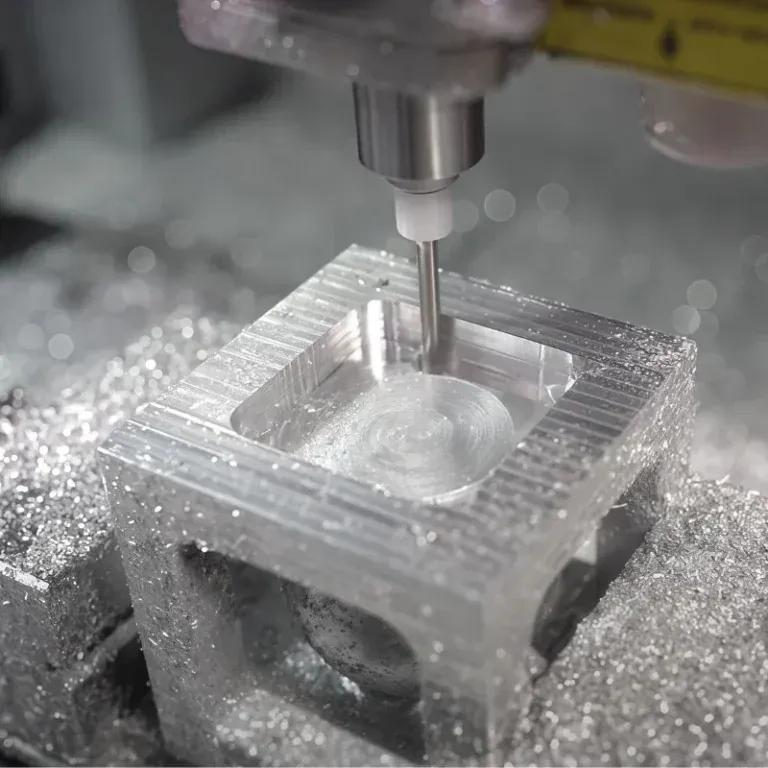
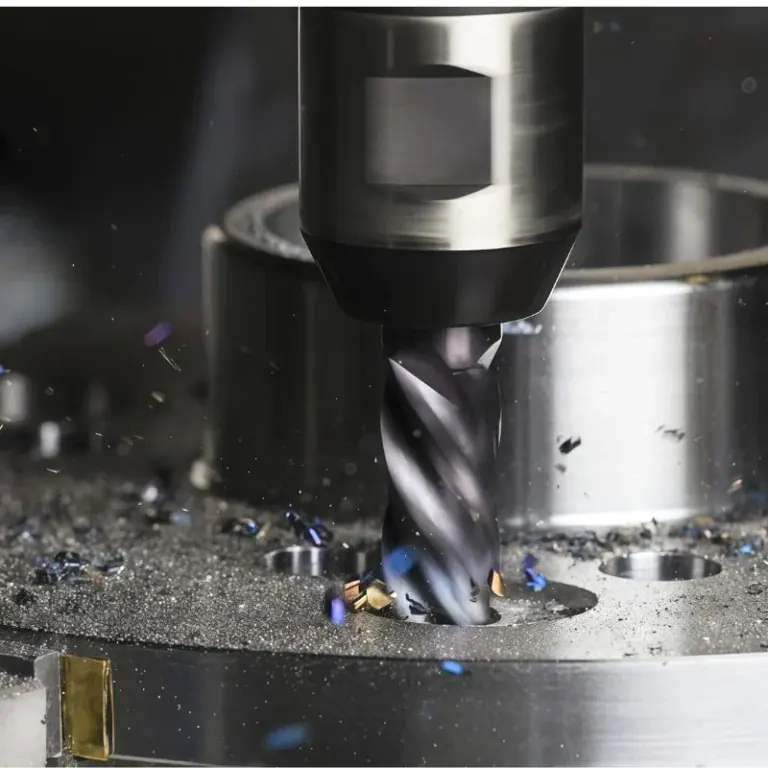
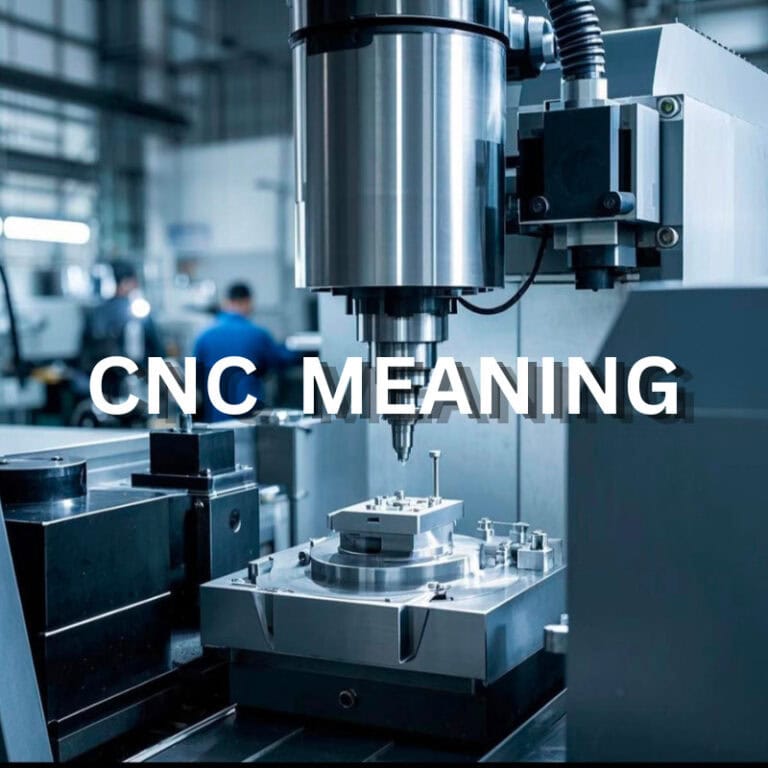
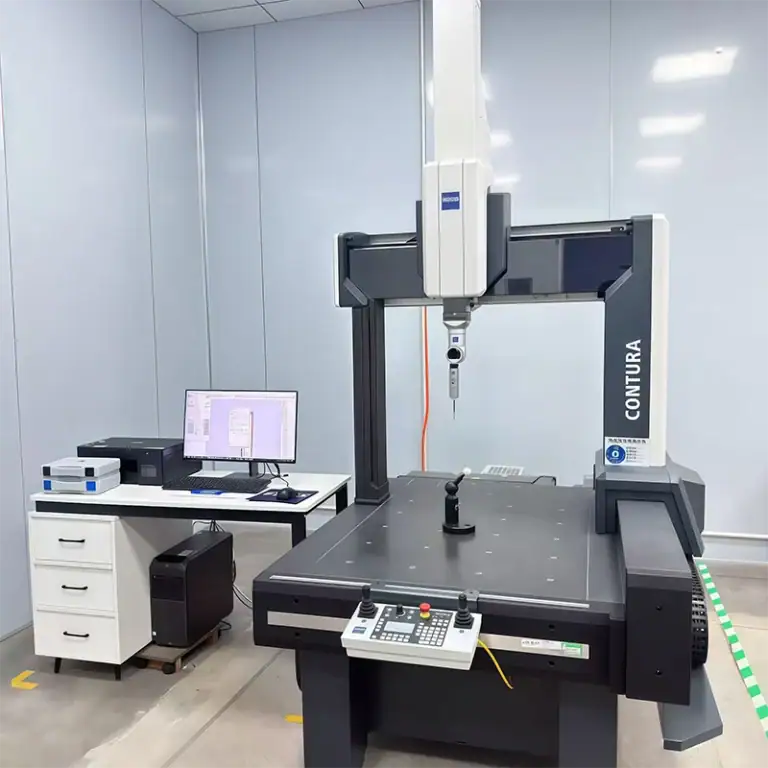
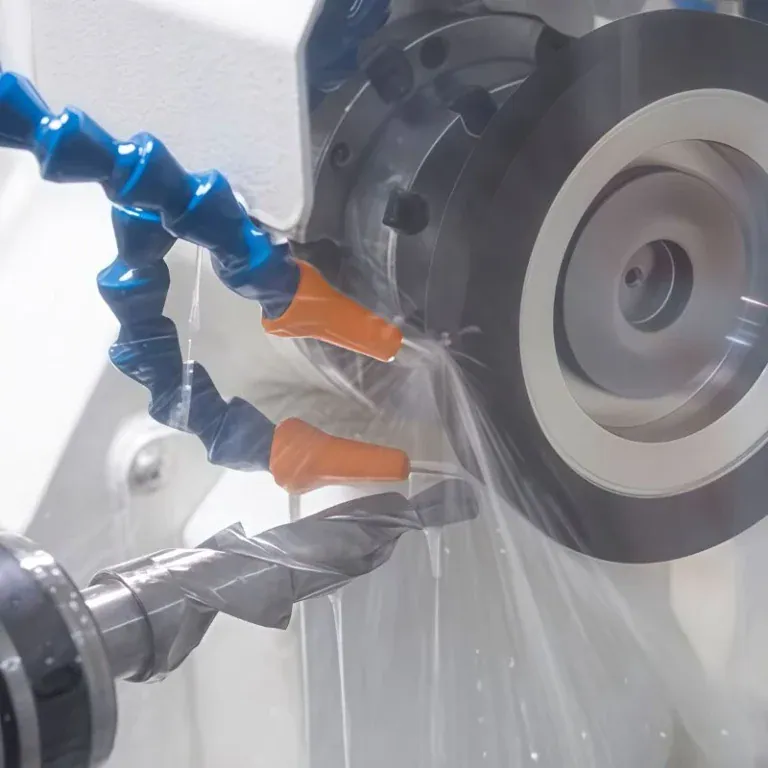
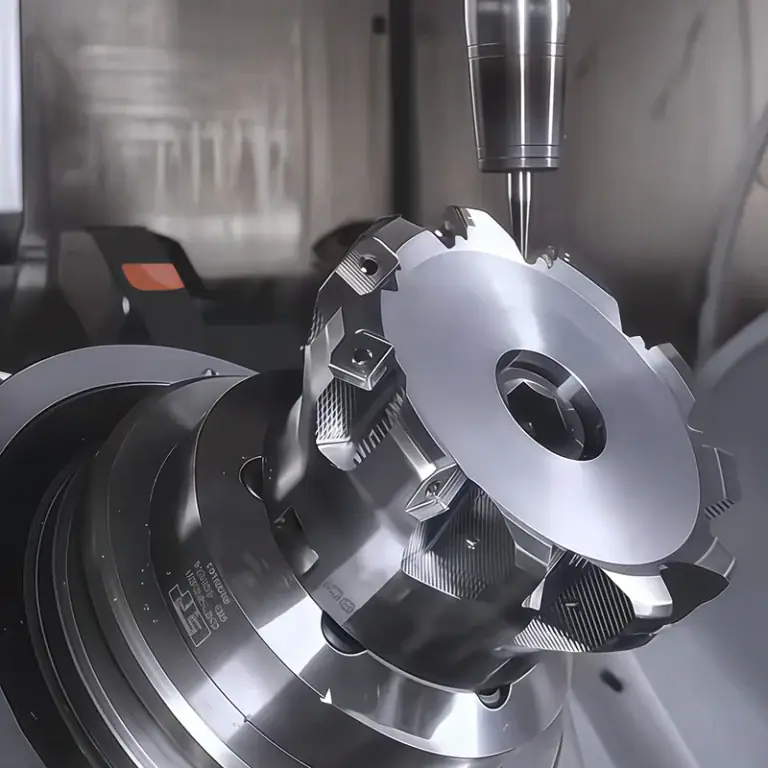
In the modern manufacturing industry’s continuous development towards higher strength, higher precision, and higher reliability, stainless steel, with its excellent corrosion resistance and structural strength, is widely used in medical devices, food processing equipment, industrial parts, and high-end mechanical structures. Stainless steel plays a crucial role in CNC milling, but it is also one of the typical materials requiring medium to high machining difficulty. Its machining process not only relies on high-performance cutting tools but also places higher demands on cutting parameter control, cooling system efficiency, and machine tool rigidity.
Basic Characteristics of Stainless Steel
Stainless steel is a type of iron-based metallic material containing alloying elements such as chromium and nickel. Its core characteristics are excellent corrosion resistance and high structural strength. In actual machining, this type of material typically exhibits high toughness, making it less prone to fracture under cutting force, but this also increases cutting resistance. Stainless steel has poor thermal conductivity; the heat generated during cutting does not dissipate quickly and tends to concentrate in the tool-workpiece contact area, thus exacerbating local temperature rise. Furthermore, stainless steel is prone to significant work hardening during machining, with the surface material hardening after cutting, further increasing the difficulty of subsequent machining. These combined characteristics make stainless steel a typical difficult-to-machine material in CNC milling.
Main Machining Challenges of Stainless Steel in CNC Milling
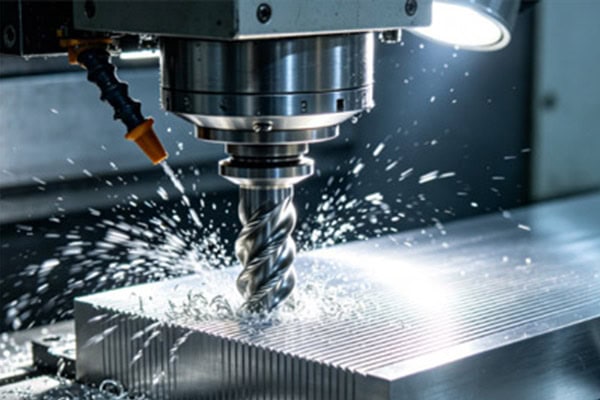
Stainless steel is prone to various machining problems during milling.
- High cutting forces:High load on tools, leading to easy wear.
- High cutting temperatures:Concentrated heat, easily affecting dimensional accuracy.
- Rapid tool wear:High material toughness, continuous cutting easily leads to cutting edge damage.
- Significant machining vibration:Affects surface quality and machining stability.
These problems make stainless steel one of the typical difficult-to-machine metal materials.
Common Machining Process Challenges
Stainless steel CNC milling also presents significant challenges in process control.
- Sensitive cutting parameters: Slight deviations in spindle speed and feed rate can affect the results.
- High cooling requirements: Requires continuous and stable heat dissipation.
- Difficult chip removal: Chips easily entangle the tool, affecting machining continuity.
- Thermal deformation and work hardening increase the difficulty of dimensional control.
These problems make process optimization a critical aspect.
Tool and Equipment Requirements
High-performance tools and stable equipment are fundamental requirements for machining stainless steel.
(1) High requirements for tool materials
Carbide or coated tools are required.
(2) Important tool geometry design
Rake angle and chip flute design need to be optimized.
(3) High requirements for machine tool rigidity
Avoid vibration affecting machining accuracy.
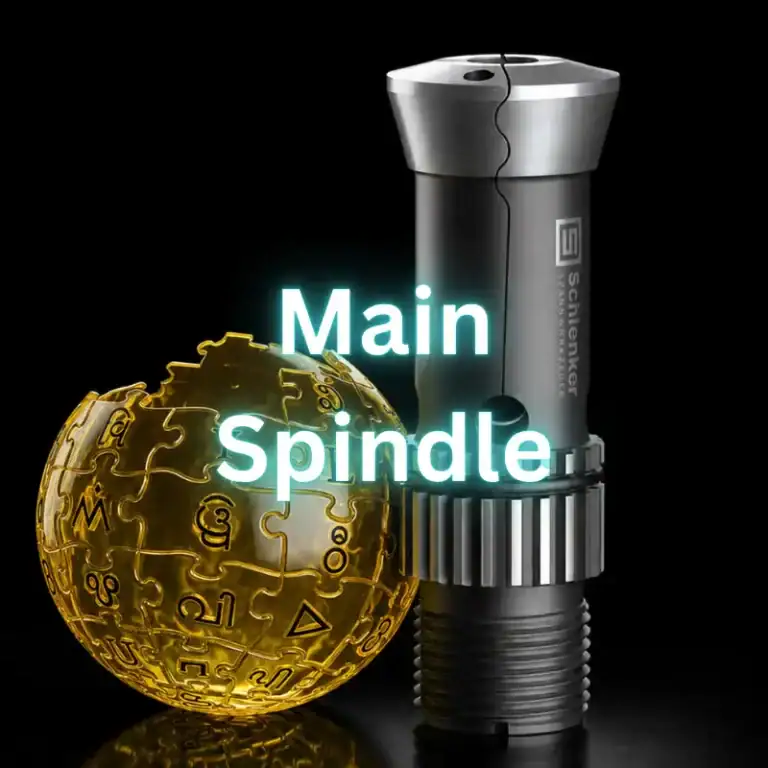
(4) Key spindle stability
Low runout must be maintained during high-speed cutting
High-quality equipment configuration directly affects machining success rate.
Optimizing Stainless Steel CNC Machining Methods
Machining results can be significantly improved through reasonable process optimization.
- Optimize cutting parameters to improve machining stability.
- Use high-pressure cooling or directional cooling to reduce thermal impact.
- Improve toolpath to reduce sudden stops and impacts.
- Use layered cutting to reduce single-pass load.
These methods can effectively improve overall machining quality.
Impact of Stainless Steel Machining on the Manufacturing Industry
Stainless steel machining capabilities directly affect the development level of high-end manufacturing.
(1) Promote the upgrading of high-end equipment manufacturing
Meet the needs of complex industrial parts.
(2) Improve standards in the medical and food industries
Improve safety and durability requirements.
(3) Promote the development of precision machining technology
Promote the advancement of tool and machine tool technology.
(4) Enhance the reliability of industrial structures
Improve the service life and stability of parts.
The maturity of stainless steel machining technology is constantly expanding the boundaries of industrial applications.
Conclusion
While stainless steel possesses excellent corrosion resistance and structural strength, its machining process still faces multiple challenges, including high cutting loads, difficulty in temperature control, and rapid tool wear. These factors necessitate more refined process management. In actual production, optimizing cutting strategies, improving cooling efficiency, and rationally selecting tools and machining paths can effectively improve the stability and quality of stainless steel machining. With the continuous increase in demand for high-end manufacturing, stainless steel CNC milling technology will continue to develop, playing a more important role in fields such as medical, aerospace, and industrial equipment, and driving the overall level of precision manufacturing to new heights.