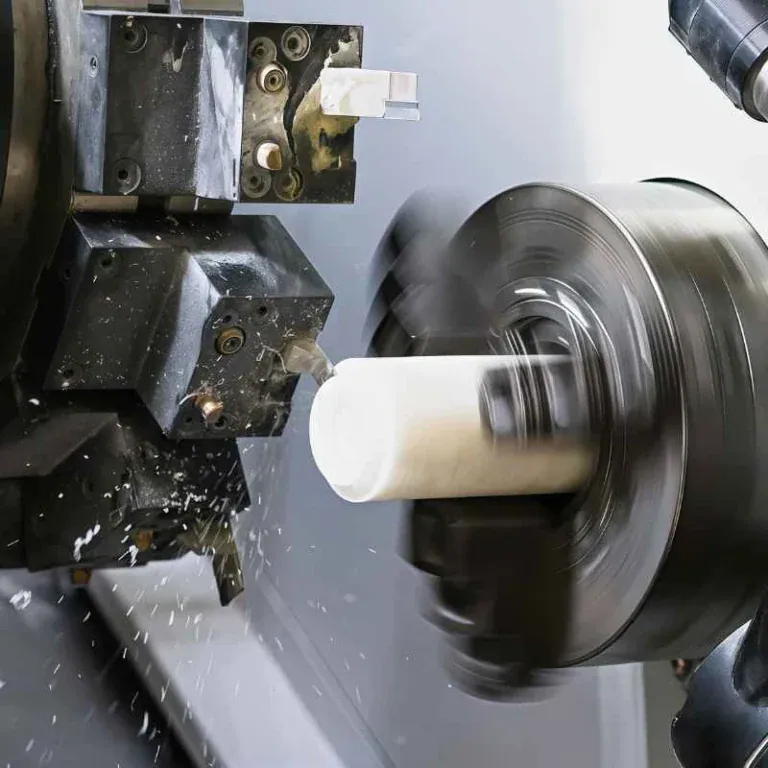
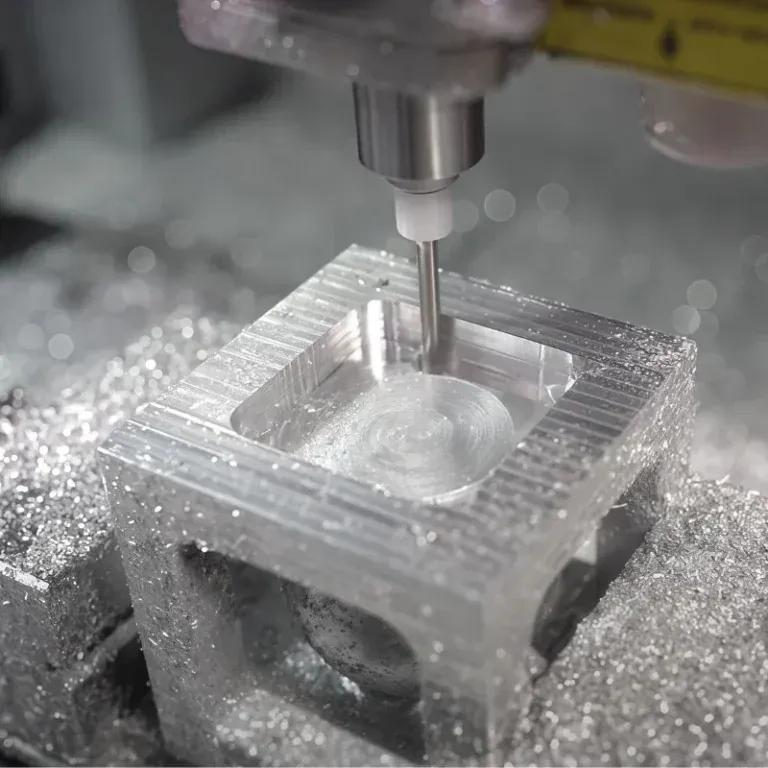
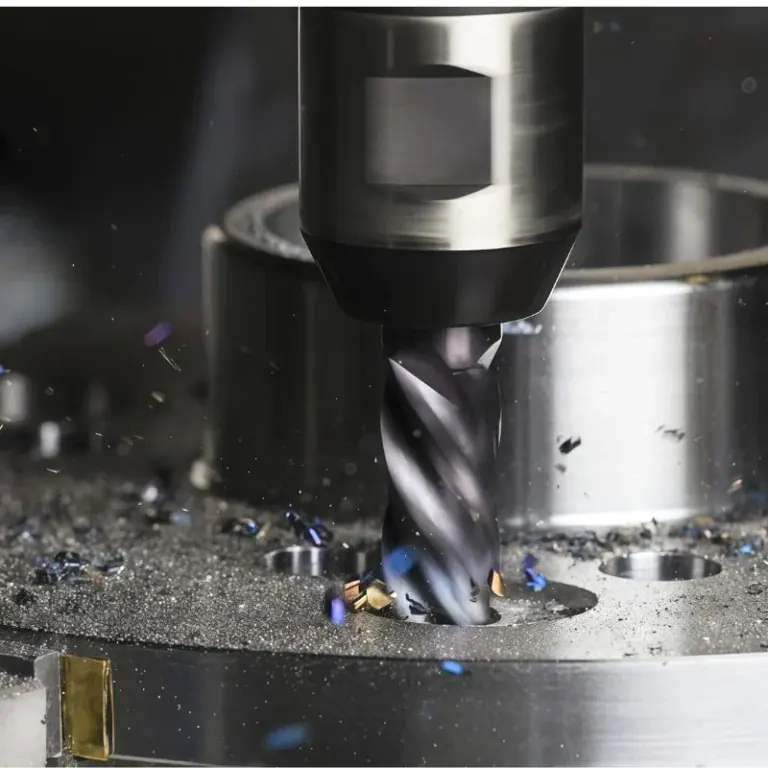
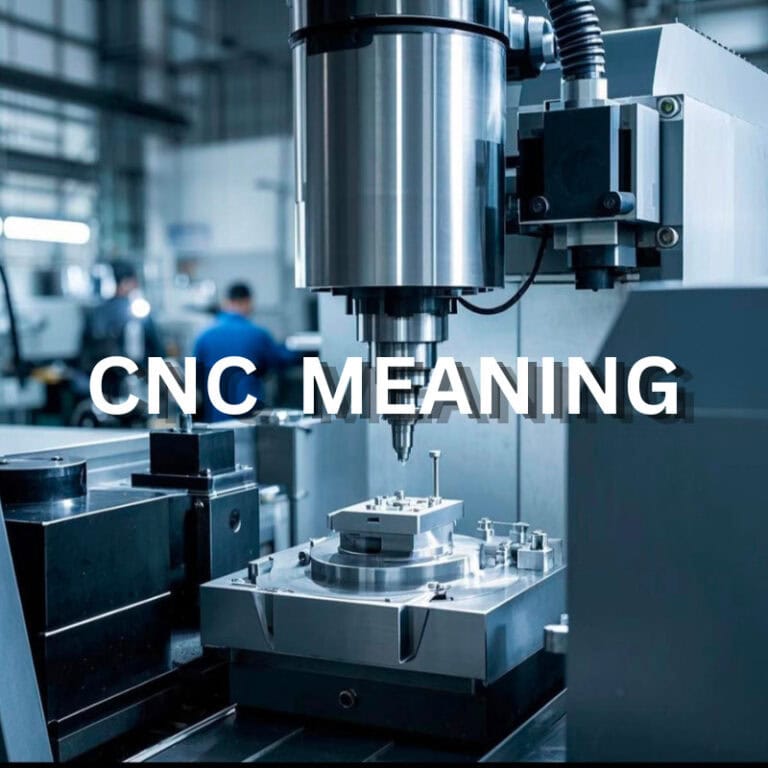
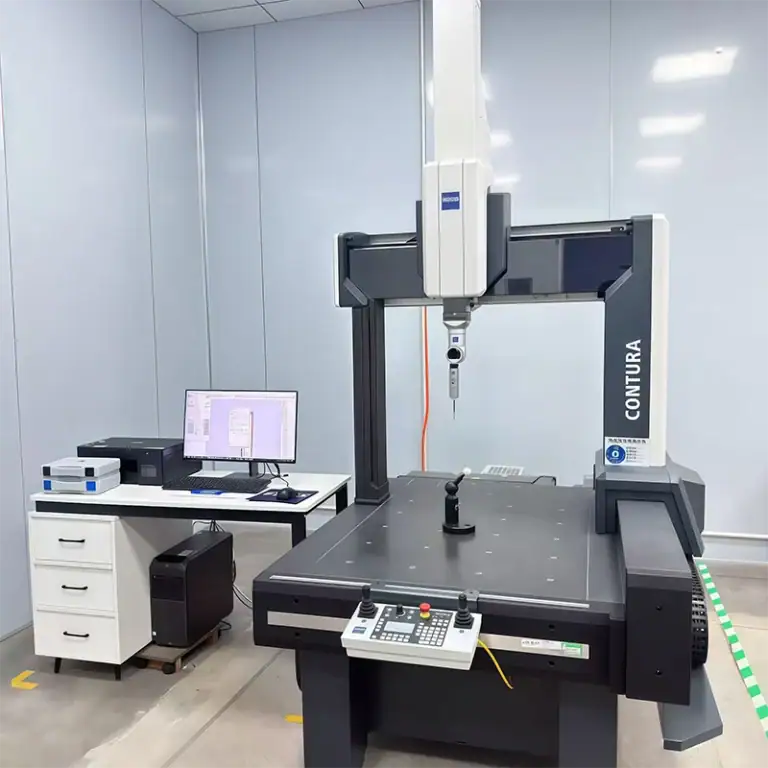
Plastic parts can indeed be machined by turning, and their application in the machining industry is becoming increasingly widespread. Many engineering plastics are used in electronic equipment, medical devices, automotive components, and industrial parts due to their lightweight nature, corrosion resistance, and insulation properties. Compared with metals, plastics generally require lower cutting forces during turning, but they are more prone to deformation, melting, burr formation, and dimensional instability. Therefore, although plastic turning is relatively easy in terms of cutting resistance, it still requires strict control of tool selection, cutting parameters, and cooling conditions.
Common Plastic Materials Suitable for Turning
Many engineering plastics are suitable for turning operations. Different plastics vary significantly in hardness, toughness, and heat resistance, so machining behavior also differs.
Common Machinable Plastics
Typical plastics used in machining include:
- POM (Polyoxymethylene)
- Nylon (PA)
- PTFE (Teflon)
- ABS
- Acrylic (PMMA)
- PVC
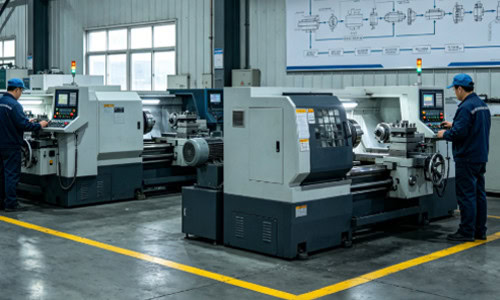
All of these materials can be processed using conventional lathes or CNC turning machines.
Machining Characteristics of Different Plastics
Different plastics behave differently during turning. Nylon has high toughness and tends to form stringy chips; PTFE is soft and easily deforms; acrylic has relatively high hardness but is brittle and prone to chipping. Therefore, tool selection and cutting parameters must be adjusted according to material behavior.
Tool Requirements for Plastic Turning
Although plastics have lower cutting resistance, poor tool condition can still significantly affect machining quality. Plastic materials are more prone to tearing, melting, and burr formation, making tool sharpness particularly important.
Tools Must Be Kept Sharp
Sharp cutting tools reduce material extrusion and improve cutting quality.
This helps improve:
- Surface finish quality
- Edge cleanliness
- Dimensional stability
- Burr reduction
Plastic machining relies more heavily on tool sharpness than metal machining.
Proper Tool Geometry is Required
Plastics tend to deform plastically during cutting, so tool geometry plays a critical role in machining quality.
For example:
- Larger rake angle reduces friction
- Appropriate clearance angle reduces rubbing
- Smaller nose radius helps reduce tearing
- Sharp cutting edges improve chip separation
Different plastics require different tool geometries.
Tool Material Selection
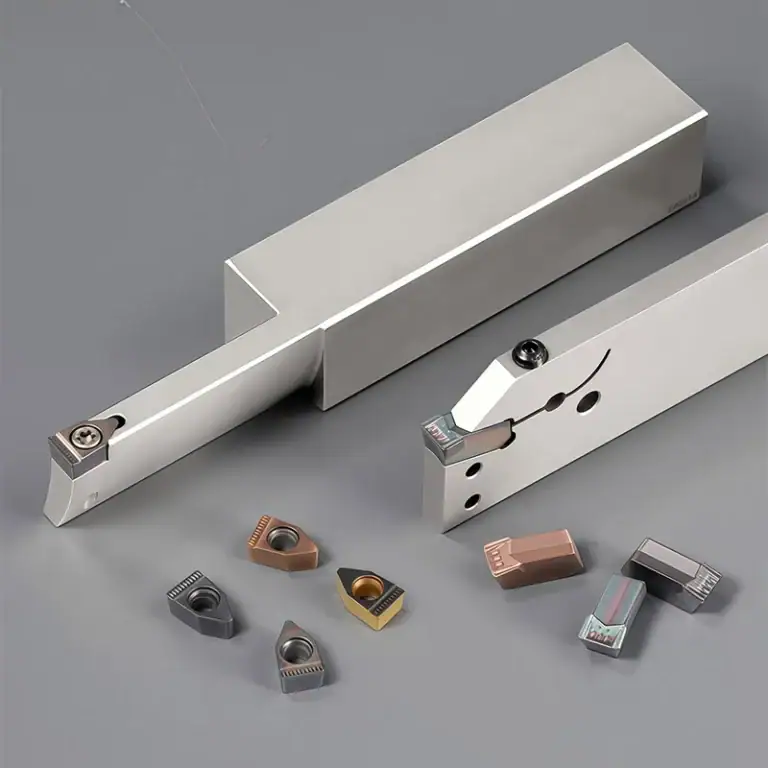
Plastic turning commonly uses carbide tools or diamond tools.
Reasons include:
- Maintaining sharp cutting edges
- Reducing tool wear
- Improving surface finish
- Reducing material adhesion
Precision plastic components require higher tool quality.
Cutting Parameters Affect Plastic Machining Quality
Plastics are sensitive to temperature, making cutting parameter control essential. Excess heat can cause softening or melting of the workpiece.
Cutting Speed Must Be Controlled
Excessively high cutting speed may generate heat on the plastic surface.
This may cause:
- Surface melting
- Workpiece deformation
- Glossy surface appearance
- Dimensional variation
Some plastics are more sensitive to high-speed machining.
Feed Rate Affects Surface Condition
Feed rate directly influences surface quality of plastic parts.
For example:
- Excessive feed creates visible tool marks
- Too low feed generates friction heat
- Unstable feed affects dimensional consistency
- Finishing requires stable feed control
Stable cutting improves surface quality.
Cutting Depth Should Not Be Too Large
Plastics generally have lower rigidity than metals, so excessive cutting depth may cause deformation.
Possible results include:
- Workpiece bending
- Surface vibration
- Dimensional deviation
- Edge cracking
Thin-walled plastic parts are especially sensitive.
Common Issues in Plastic Turning
Although plastic machining is relatively easy, material properties still lead to several common issues, especially in precision and transparent plastic components.
Burr Formation During Machining
Plastics with higher toughness tend to form burrs easily.
Common symptoms include:
- Edge flanging
- Stringy burrs
- Surface rough edges
- Irregular hole edges
Nylon and POM are particularly prone to this issue.
Thermal Deformation of Workpieces
Plastics have lower heat resistance than metals, making them sensitive to machining heat.
Possible issues include:
- Dimensional instability
- Workpiece bending
- Local softening
- Surface deformation
Heat effects become more obvious during continuous machining.
Surface Scratches
Plastic surfaces are relatively soft, making them prone to scratches after machining.
Possible causes include:
- Chip rubbing against workpiece
- Dull cutting tools
- Excessive clamping force
- Lack of surface protection
Transparent plastics are especially sensitive to scratches.
Clamping Methods for Plastic Turning
Plastic materials have low rigidity, so excessive clamping force can easily cause deformation. This is especially critical for thin-walled and small precision components.
Maintain Proper Clamping Force
Appropriate clamping improves dimensional stability.
This helps improve:
- Dimensional stability
- Roundness accuracy
- Surface quality
- Machining consistency
Plastic parts are highly sensitive to clamping pressure.
Reduce Localized Clamping Pressure
Clamping should avoid concentrated stress areas.
Common methods include:
- Using soft jaws
- Increasing contact area
- Using auxiliary support
- Reducing overhang length
These methods improve machining stability.
Increasing Application of Plastic Turning in Precision Manufacturing
With continuous improvement in engineering plastic performance, more precision components are now made from plastic materials. Many electronic devices, medical systems, and automation components use lightweight plastic parts.
Compared with metal parts, plastics offer advantages in weight reduction, corrosion resistance, and insulation properties. However, due to lower thermal stability, plastic machining requires careful control of tool sharpness, temperature, and cutting stability. Only with proper process control can stable dimensions and good surface quality be achieved.