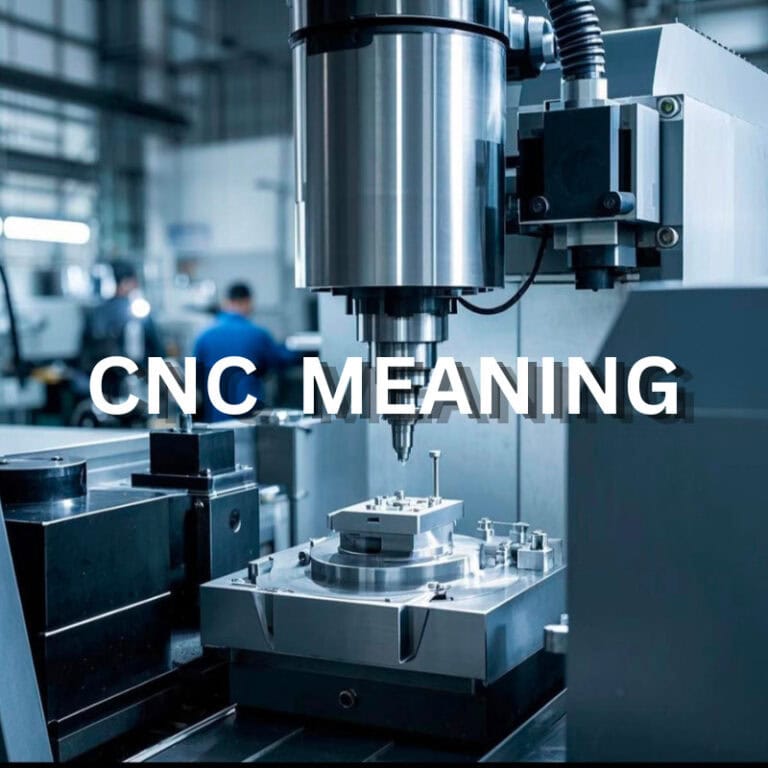
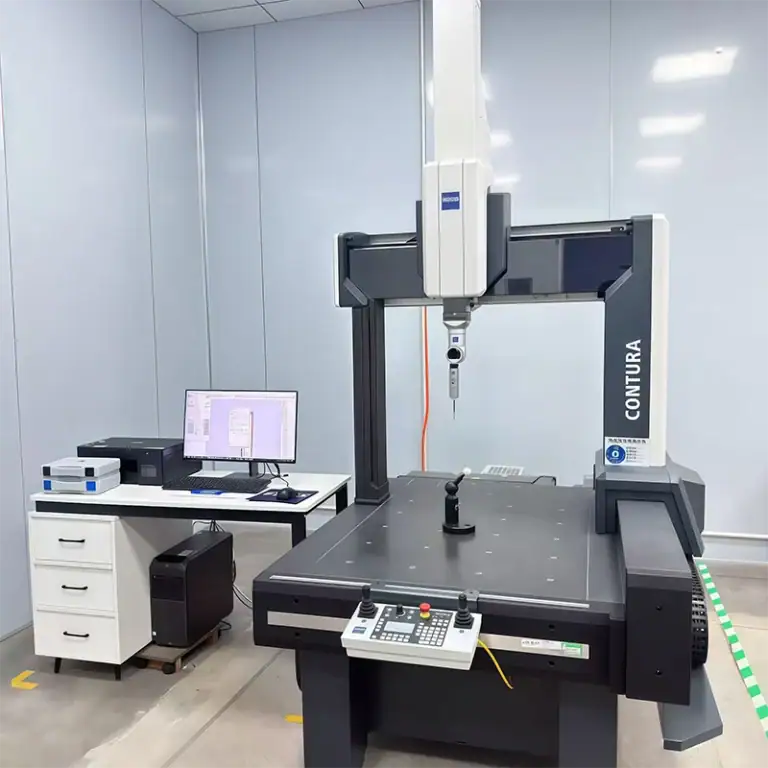
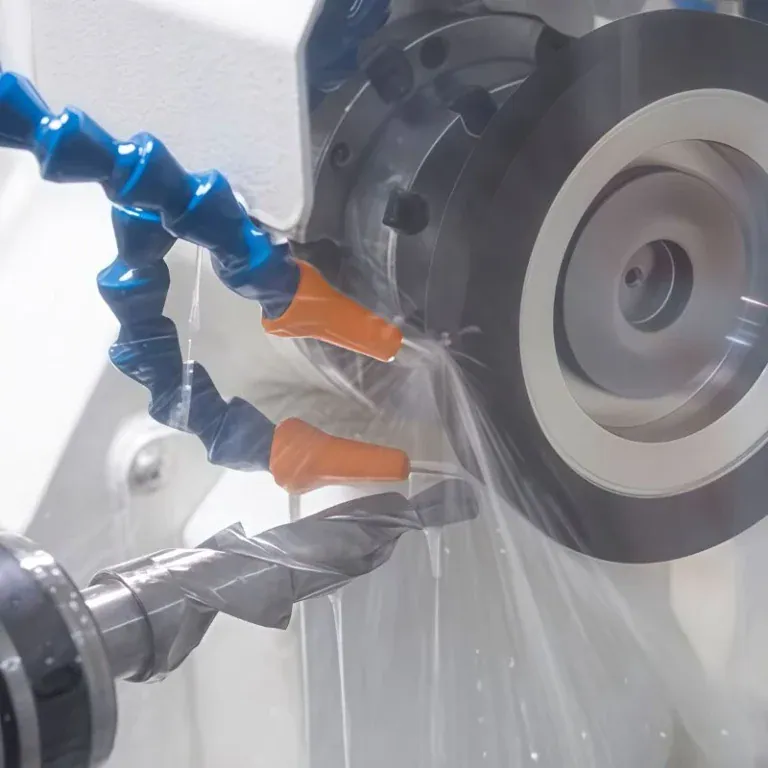
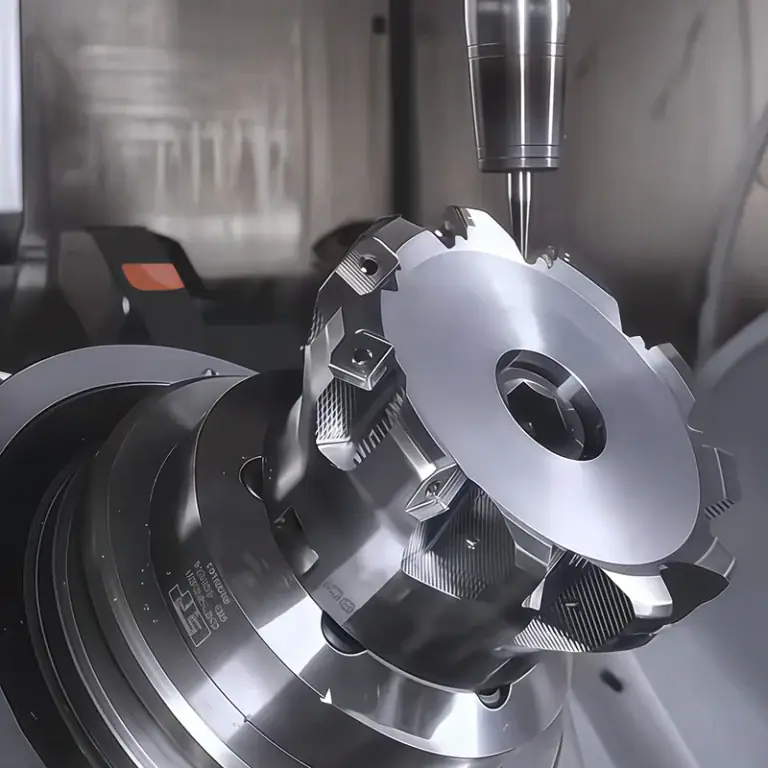
CNC turning is a widely used precision machining process in modern manufacturing systems. It is applied to produce cylindrical components with high accuracy and stable quality, making it essential in industries such as automotive engineering, aerospace manufacturing, medical devices, and general mechanical production. Although CNC turning systems are highly automated and efficient, various problems may still occur during machining due to tool conditions, machine stability, programming errors, material behavior, and process control limitations. Understanding common problems in CNC turning helps improve machining stability, reduce production defects, and enhance overall manufacturing efficiency.
Dimensional Accuracy Problems in CNC Turning
Dimensional accuracy issues are among the most frequent challenges in CNC turning operations. These problems occur when the final machined part does not match the intended design dimensions. Even small deviations can affect assembly performance, mechanical fit, and product reliability. Dimensional errors are often linked to tool wear, thermal expansion, machine calibration, and incorrect parameter settings. In high-precision manufacturing environments, maintaining dimensional stability is critical because repeated production requires consistent output quality. CNC systems rely on programmed instructions, but real-world machining conditions may introduce variations that gradually affect accuracy.
Tool Wear Causes Dimensional Deviation
Tool wear is a primary factor affecting dimensional consistency in CNC turning. As cutting tools gradually lose sharpness during machining, cutting resistance increases and material removal becomes less stable. This leads to slight deviations in diameter, length, or surface geometry. Wear can also cause uneven cutting forces, resulting in tapered or irregular shapes. Regular tool inspection and timely replacement help maintain stable machining conditions and reduce dimensional errors.
Thermal Expansion Influences Measurement Stability
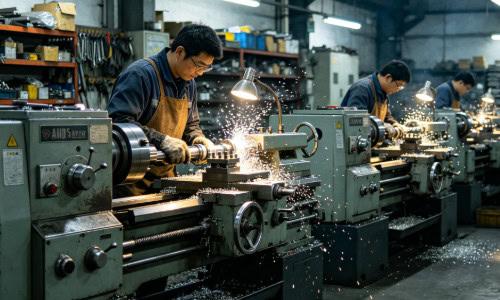
During continuous machining, heat generated from cutting operations affects both the workpiece and machine components. Thermal expansion can change material dimensions temporarily, leading to measurement differences between machining and cooling stages. High-speed cutting increases this effect, especially in metals with high thermal sensitivity. Proper cooling systems and controlled cutting parameters help reduce temperature fluctuations and improve dimensional stability.
Machine Calibration Errors Affect Precision
Before listing key points, it is important to recognize how machine setup influences accuracy.
- Incorrect zero-point calibration can shift the entire machining reference.
- Loose mechanical components may introduce positional deviations during cutting.
- Inaccurate axis alignment affects concentricity and symmetry of finished parts.
Regular calibration and maintenance ensure that CNC turning systems maintain reliable dimensional control.
Surface Quality Problems in CNC Turning
Surface quality issues refer to irregularities on the machined surface, including roughness, tool marks, vibration patterns, and burn marks. These defects can reduce product performance, affect assembly fit, and shorten component lifespan. Surface quality in CNC turning depends on cutting parameters, tool condition, machine stability, and material properties. Even when dimensional accuracy is acceptable, poor surface finish can still lead to functional failure in precision applications. Maintaining smooth surface quality is essential for components used in sealing systems, rotating parts, and friction-based assemblies.
Vibration Causes Surface Defects
Machine vibration during cutting operations is a common cause of poor surface finish. Vibration can result from unstable workpiece clamping, unbalanced spindle rotation, or excessive cutting force. When vibration occurs, tool marks become uneven and surface texture deteriorates. Improving machine rigidity and optimizing cutting parameters help reduce vibration-related defects.
Improper Cutting Parameters Affect Finish Quality
Cutting speed, feed rate, and depth of cut all influence surface quality. Excessive feed rate may produce visible tool marks, while incorrect cutting speed can lead to burning or rough surfaces. Balanced parameter selection ensures smoother cutting action and improves final surface texture.
Tool Condition Impacts Surface Smoothness
Before listing key points, it is important to highlight the role of tool condition in surface finishing.
- Worn cutting edges produce rough and inconsistent surfaces.
- Improper tool geometry increases friction and surface tearing.
- Poor tool coating performance may lead to heat buildup and surface damage.
Maintaining sharp and well-designed tools improves surface finish quality significantly.
Tool Breakage and Wear Problems
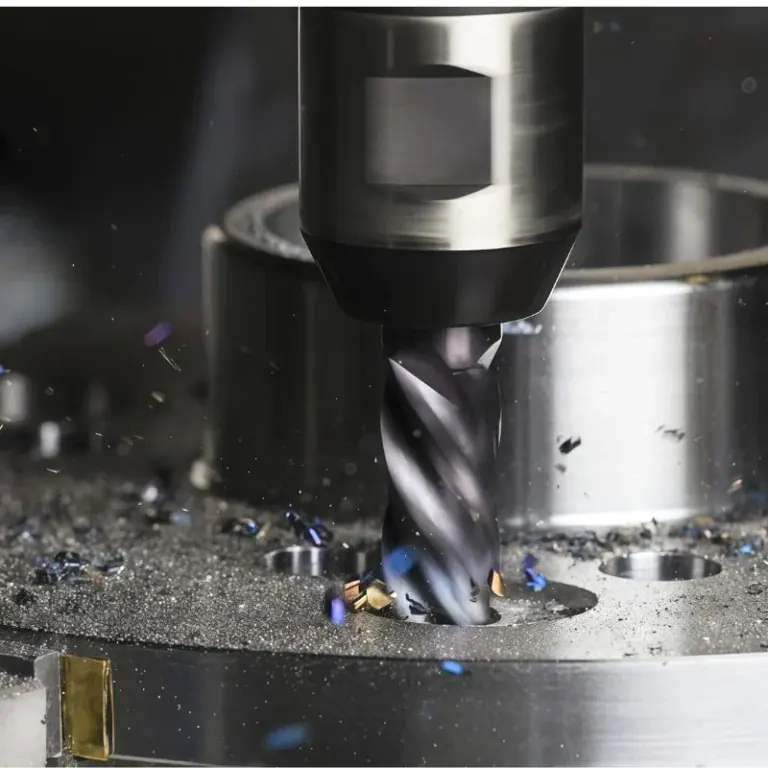
Tool breakage and rapid wear are common issues in CNC turning that directly affect production efficiency and machining stability. When tools fail unexpectedly, production must stop, leading to downtime and increased cost. Tool wear is a natural process, but excessive or uneven wear indicates improper cutting conditions or unsuitable tool selection. Understanding tool behavior under different machining loads is essential for maintaining continuous production and reducing operational risks.
Excessive Cutting Load Leads to Tool Failure
When cutting parameters exceed tool capacity, excessive stress is applied to the cutting edge. This can cause sudden breakage or accelerated wear. High cutting depth and aggressive feed rates increase the likelihood of tool failure. Proper load balancing ensures longer tool life and stable machining performance.
Improper Tool Material Selection Reduces Durability
Different materials require different tool properties. Using inappropriate tool materials can result in poor heat resistance or insufficient hardness. This leads to rapid wear and reduced cutting efficiency. Selecting suitable carbide or coated tools improves durability and machining stability.
Cooling and Lubrication Issues Increase Wear Rate
Before listing key points, it is important to consider the role of thermal management.
- Insufficient cooling increases cutting temperature and accelerates tool degradation.
- Poor lubrication increases friction between tool and workpiece.
- Inconsistent coolant flow leads to uneven tool wear patterns.
Proper cooling systems help extend tool life and improve machining reliability.
Programming and Operational Errors in CNC Turning
Programming and operational issues can lead to machining defects, production delays, and unexpected machine behavior. CNC systems rely heavily on accurate code input, and even small programming mistakes can cause significant machining errors. Operator experience also plays an important role in ensuring smooth machine operation. These problems often occur in complex part designs or when switching between different machining tasks.
Incorrect G-Code Causes Machining Deviation
G-code defines tool paths and machining instructions. Errors in code structure, coordinate values, or tool commands can lead to incorrect machining results. These errors may produce oversized, undersized, or misaligned components. Proper code verification helps prevent such issues.
Improper Tool Path Planning Affects Efficiency
Poor tool path design can increase machining time and reduce cutting stability. Redundant movements or inefficient sequencing may cause unnecessary tool wear and longer production cycles. Optimized path planning improves machining consistency and reduces errors.
Operator Handling Mistakes Influence Output Quality
Before listing key points, it is important to recognize human factors in CNC operation.
- Incorrect tool installation affects machining alignment.
- Wrong parameter input leads to unstable cutting conditions.
- Inadequate machine setup increases risk of production defects.
Proper training and standardized procedures reduce operational mistakes.
Machine Stability and Mechanical Issues
Machine stability problems affect overall CNC turning performance and can lead to vibration, accuracy loss, and inconsistent machining results. Mechanical wear, spindle imbalance, and guideway degradation are common causes of instability. Stable machine performance is essential for maintaining precision and efficiency in long-term production environments.
Spindle Wear Reduces Rotational Accuracy
Spindle systems are critical for maintaining smooth rotation. Wear or imbalance in the spindle can cause vibration and reduce machining precision. Regular inspection helps maintain stable performance.
Guideway Wear Affects Movement Precision
Guideways control tool movement. Wear or contamination on guide surfaces can reduce smooth motion and introduce positional errors. Proper lubrication and maintenance improve system stability.
Structural Rigidity Influences Machining Stability
Before listing key points, it is important to highlight structural impact.
- Low rigidity increases vibration during heavy cutting.
- Machine deformation affects dimensional accuracy.
- Stable structure supports high-speed machining operations.
High rigidity improves overall CNC turning reliability.