Rake angle is one of the key geometry features of a cutting tool, and it has a direct influence on chip flow, cutting force, heat generation, and tool performance. In machining, even a small change in rake angle can affect how easily a material is cut and how stable the cutting process remains.
Understanding rake angle is important when choosing cutting tools for different materials and machining conditions. In this article, we will look at its main functions, common types, and the basic factors that affect rake angle selection.
What Is Rake Angle?
Rake angle is a key parameter in cutting tool geometry. It refers to the angle formed between the rake face of the tool and a reference plane, and it describes an important part of how the tool is shaped for cutting.
To understand what is rake angle, it helps to start with the rake face. The rake face is the surface of the tool over which the chip flows during cutting, and the rake angle defines the direction and degree of that surface. Although it is only one angle in the tool geometry, it changes the way the tool engages with the workpiece material.
In rake angle in machining, rake angle is commonly classified into three basic types: positive rake angle, negative rake angle, and zero rake angle. Each one changes the balance between edge sharpness and edge strength. In general, a positive rake angle supports easier cutting, a negative rake angle provides stronger edge support, and a zero rake angle offers a more balanced condition.
In practice, the cutting tool rake angle is not a fixed value. It must be selected according to the workpiece material, machining method, and tool application. For example, softer materials often work better with a positive rake angle, while harder materials or more demanding cutting conditions may require a neutral or negative rake angle.
In short, the rake angle in cutting tool is an essential geometric feature that helps define how a tool cuts. It also serves as the foundation for understanding rake angle types and selection in machining.
What Are the Main Types of Rake Angle?
In machining, rake angle is generally divided into three basic types: positive rake angle, negative rake angle, and zero rake angle. The main difference between them lies in the direction of the rake face, which changes the sharpness of the cutting edge, the strength of the tool, and the kind of machining conditions the tool can handle.
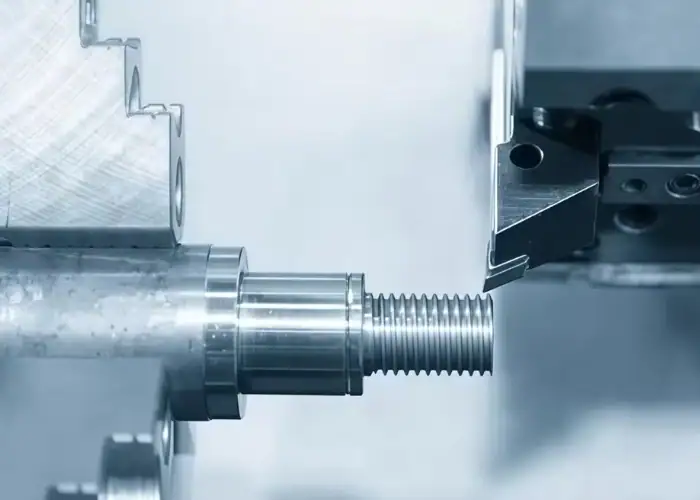
Positive Rake Angle
A positive rake angle is used when smoother cutting action and easier material penetration are important. Because the cutting edge becomes sharper, the tool can cut more freely and remove material with less resistance. This type of rake angle is often selected for softer materials and machining conditions where cutting efficiency and chip evacuation matter.
- Commonly used for aluminum, copper, brass, and low-carbon steel
- Suitable for operations that require lower cutting resistance
- Helps the tool enter the material more easily
- Improves chip flow during machining
- Often preferred for finishing or light-to-medium cutting conditions
Negative Rake Angle
A negative rake angle is commonly used when cutting edge strength and stability are more important than cutting sharpness. This geometry gives the cutting edge more support, allowing it to handle heavier loads and more demanding machining conditions. It is often chosen for hard materials, roughing operations, and interrupted cuts where durability is critical.
- Commonly used for cast iron, hardened steel, and difficult-to-machine alloys
- Suitable for roughing, interrupted cuts, and high-load machining
- Provides stronger edge support than a positive rake angle
- Helps resist edge chipping under heavy cutting pressure
- Often preferred when rigidity and tool durability are priorities
Zero Rake Angle
A zero rake angle, also called a neutral rake angle, provides a balanced condition between cutting sharpness and edge strength. It is often used in general-purpose machining where a more moderate tool geometry is needed. This type of rake angle can deliver stable cutting performance across a range of materials and standard machining applications.
- Commonly used in general-purpose machining applications
- Suitable for standard tools and balanced cutting conditions
- Offers a middle ground between sharpness and strength
- Helps maintain stable performance in routine machining work
- Often selected when a practical and versatile geometry is needed
How Does Rake Angle Affect Machining?
Rake angle has a direct impact on how a cutting tool performs during machining. Although it is only one element of tool geometry, it significantly influences how the tool enters the material and how the cutting edge behaves under load. As a result, different rake angles can produce noticeably different cutting conditions and machining results.
One of the most immediate effects of rake angle is on the cutting action itself. A positive rake angle generally allows the tool to cut more easily, creating a sharper and freer cutting action. By contrast, a negative rake angle provides more support behind the cutting edge, helping it remain stable under heavier loads. A zero rake angle offers a more balanced condition between these two extremes. Because of this, the same tool may perform very differently depending on the rake angle and the machining conditions involved.
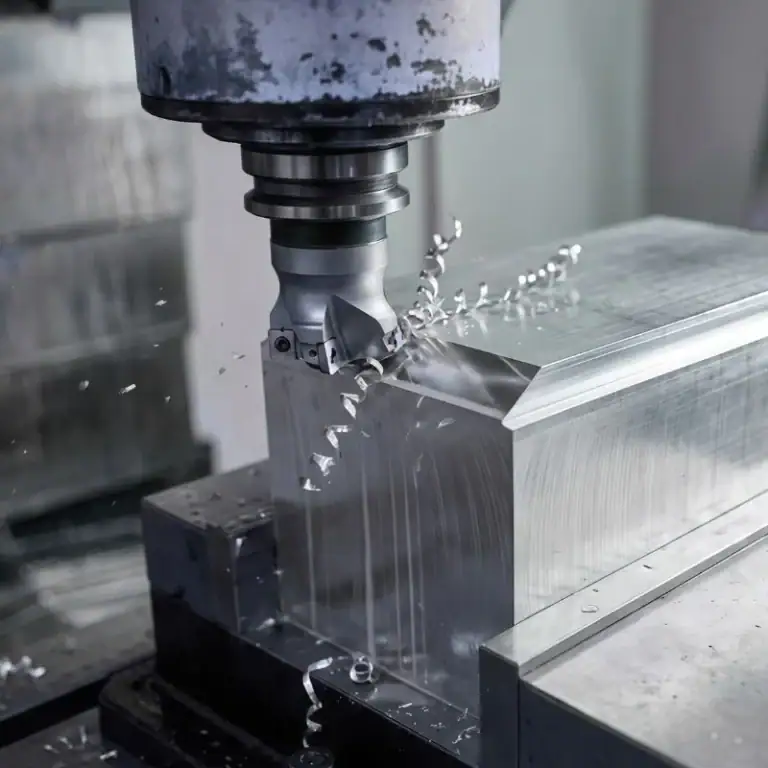
Rake angle also plays an important role in chip formation and chip flow. In machining, the way chips leave the cutting zone has a strong influence on process smoothness and stability. When the rake angle is well matched to the material and operation, chips tend to flow away more naturally from the cutting area. When it is not, chip evacuation can become less efficient, which may reduce process consistency. For this reason, rake angle affects not only how the material is cut, but also how the removed material behaves after separation.
Another important effect of rake angle is on cutting edge strength. A larger positive rake angle usually creates a sharper edge, but it also reduces the support behind that edge. A negative rake angle may not cut as freely, but it generally provides greater edge strength and better resistance to impact. This becomes especially important in roughing operations, interrupted cuts, and demanding materials, where edge durability is often just as important as cutting efficiency.
From a broader machining perspective, rake angle also influences the overall stability and suitability of the cutting setup. A well-chosen rake angle helps the tool work more effectively with the material and the machining method, while a poor choice can limit performance even when other cutting conditions are acceptable. In this sense, rake angle is not the only factor in machining, but it is one of the key links between tool geometry, material behavior, and cutting performance.
Overall, rake angle affects machining through cutting action, chip flow, edge support, and process stability. Understanding these effects makes it easier to choose a more suitable rake angle for different materials, operations, and machining goals.
How Different Rake Angles Affect Machining Performance?
Different rake angles can produce different machining results because they change the balance between cutting sharpness and edge strength. Understanding these differences helps in selecting a more suitable tool geometry.
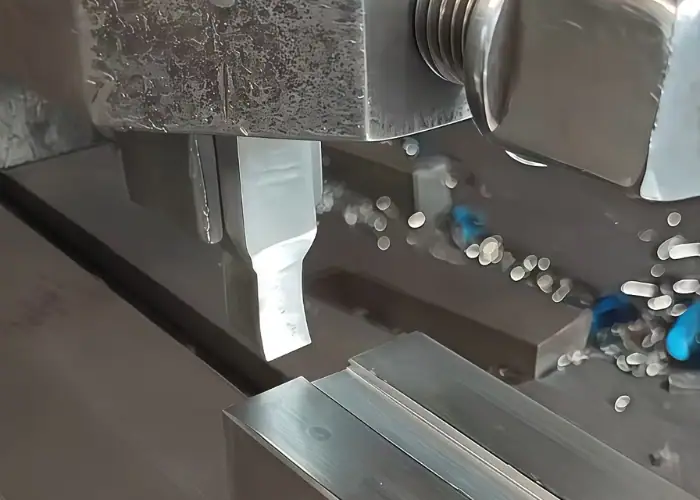
Positive Rake Angle and Cutting Efficiency
A positive rake angle usually improves cutting efficiency by allowing the tool to enter the material more easily. Because the cutting edge is sharper, the tool can cut with less resistance and a smoother cutting action. This often makes it a good choice for softer materials and operations where freer cutting behavior is preferred.
At the same time, a sharper edge also has less support behind it. This means a positive rake angle may be less suitable for heavy cutting loads, interrupted cuts, or conditions where impact resistance is important. Its advantage is easier cutting, but that advantage comes with reduced edge strength.
Negative Rake Angle and Edge Strength
A negative rake angle is generally used when edge strength and durability matter more than cutting ease. With more support behind the cutting edge, the tool is better able to handle pressure, impact, and demanding machining conditions. This makes it especially useful in roughing operations and when machining harder materials.
The trade-off is that the cutting action is usually less free than with a positive rake angle. In practice, this means negative rake angles often depend more on machine rigidity and setup stability. They are chosen less for smoother cutting and more for stronger edge performance.
Zero Rake Angle and Balanced Performance
A zero rake angle provides a more neutral balance between cutting sharpness and edge strength. It does not cut as freely as a positive rake angle, and it does not emphasize edge support as strongly as a negative rake angle. Instead, it offers a moderate cutting condition that can work well in general-purpose machining.
Because of this balance, zero rake angles are often useful in standard applications where stable and predictable performance is preferred. They are a practical choice when the process does not demand an aggressive cutting geometry or maximum edge strength.
Performance Trade-Offs in Practical Machining
Different rake angles affect machining performance in different ways because they change the balance between easier cutting and stronger edge support. A rake angle that improves cutting smoothness may reduce edge strength, while a rake angle that strengthens the edge may make the cutting action less efficient.
For this reason, rake angle selection is always based on trade-offs rather than fixed rules. The best choice depends on the material, the operation, and the actual cutting environment rather than on one single performance factor.
Rake Angle Selection for Different Materials
The right rake angle depends on the actual machining application rather than theory alone. Different materials and operations place different demands on the cutting edge, so reviewing typical examples helps show why some conditions favor a positive rake angle, while others require a more neutral or negative geometry.
Aluminum
Aluminum is a soft and ductile material, so it often performs better with a positive rake angle. A sharper cutting edge helps the tool enter the material more easily and supports smoother chip flow during machining. This is especially useful when the goal is to maintain efficient cutting and avoid chip buildup.
In many aluminum machining applications, a positive rake angle helps improve cutting smoothness and supports better overall cutting behavior. However, the exact rake angle still depends on the tool design, cutting parameters, and required surface quality.
Copper
Copper is a relatively soft and ductile material, so it often responds well to a positive rake angle. A sharper cutting edge helps reduce cutting resistance and allows the tool to shear the material more cleanly. This is useful for maintaining smoother cutting action and supporting better chip flow, especially in applications where surface quality and dimensional consistency are important.
In copper machining, rake angle selection should also consider the material’s tendency to deform and produce continuous chips. In many cases, a positive rake angle helps improve cutting behavior, but the exact choice still depends on the tool geometry, cutting parameters, and the specific copper alloy being machined.
Stainless Steel
Stainless steel is generally more demanding to machine because it can generate higher cutting resistance and place greater stress on the cutting edge. In this case, rake angle selection often needs to balance cutting ability with edge strength. Depending on the grade and operation, a positive rake angle may help improve cutting action, but a more moderate geometry is often preferred to maintain stability.
For stainless steel, the best rake angle usually depends on whether the operation is focused on smoother cutting or stronger edge support. In many cases, a neutral or carefully controlled positive rake angle is a practical choice.
Cast Iron
Cast iron is more brittle than aluminum or stainless steel, and it often responds better to a zero or negative rake angle. In machining cast iron, cutting edge strength is usually more important than a very sharp cutting action. A stronger edge helps the tool remain stable and reduces the risk of chipping under load.
Because of this, cast iron machining often favors a more conservative rake angle. This type of geometry helps support durability and stable cutting performance, especially in roughing or more demanding operations.
Plastic Parts
Plastic parts often require a different approach to rake angle selection because the material is usually softer, more heat-sensitive, and easier to deform than metal. In many cases, a positive rake angle is preferred because a sharper cutting edge can reduce cutting resistance and help the tool cut the material more cleanly. This is especially useful for reducing melting, tearing, burrs, or poor surface finish during machining.
In many plastic machining applications, a positive rake angle helps improve cutting smoothness and chip flow. However, the final choice still depends on the plastic type, tool sharpness, heat control, and part accuracy requirements.
Rake Angle Selection for Different Operations
Rake angle is influenced not only by material, but also by the type of machining operation. Even with the same workpiece material, finishing and roughing can require different cutting edge behavior, which means the most suitable rake angle may also change.
Finishing Operations
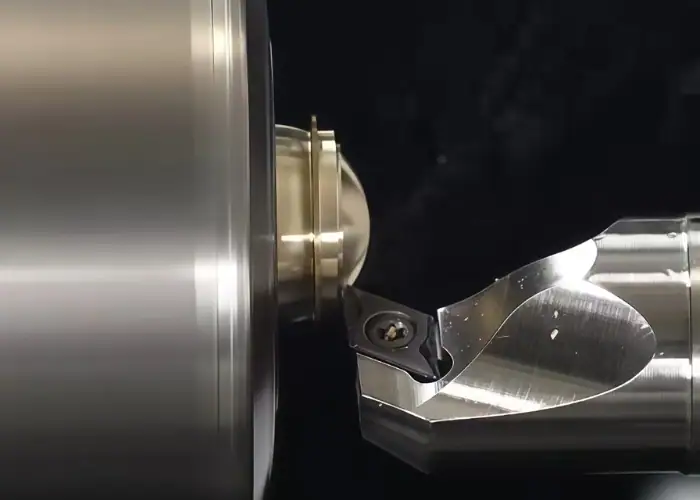
In finishing operations, the focus is usually on smoother cutting behavior and more consistent surface generation. For this reason, a positive rake angle is often preferred, especially when the material allows freer cutting. A sharper edge can help the tool cut more cleanly and reduce unnecessary disturbance to the finished surface.
That said, finishing does not always mean using the most positive rake angle possible. The final choice still depends on the material, the tool, and the stability of the machining setup.
Roughing Operations
Roughing operations usually place greater demands on edge strength and process stability. Since the tool is often removing more material under heavier load, a zero or negative rake angle is commonly more suitable. This helps the cutting edge remain stronger and better supported during aggressive cutting.
In roughing, the goal is not only to remove material efficiently, but also to keep the tool stable under load. That is why rake angle selection for roughing often favors strength and durability over freer cutting action.
What Are the Advantages and Disadvantages of Different Rake Angles?
Each rake angle offers a different balance between cutting ease and edge strength. Because machining conditions can vary so much, the most suitable choice often depends on the specific task. Reviewing the advantages and disadvantages of each type helps make rake angle selection more practical and informed.
| Rake Angle Type | Advantages | Disadvantages |
| Positive Rake Angle | Easier cutting action, lower cutting resistance, smoother chip flow, suitable for softer and more ductile materials, often beneficial for finishing | Weaker edge support, less suitable for heavy loads, more sensitive to impact, may wear or chip more easily in demanding conditions |
| Negative Rake Angle | Stronger cutting edge, better resistance to impact, suitable for roughing and interrupted cuts, performs well in hard or difficult materials, supports better edge durability | Higher cutting resistance, less free cutting action, may require greater machine rigidity, not always ideal for smooth cutting on soft materials |
| Zero Rake Angle | Balanced between cutting sharpness and edge strength, suitable for general-purpose machining, stable and predictable performance, useful in standard applications | Does not cut as freely as a positive rake angle, does not provide as much edge support as a negative rake angle, may be less optimized for specialized machining tasks |
In general, positive rake angles favor easier cutting, negative rake angles favor stronger edge support, and zero rake angles provide a more balanced option. The best choice depends on whether the machining task requires smoother cutting, greater durability, or more versatile overall performance.
Common Mistakes When Choosing Rake Angle
Choosing the wrong rake angle can reduce cutting efficiency, weaken edge reliability, and make the machining process less stable. Understanding the most common mistakes helps avoid poor tool performance and leads to more effective rake angle selection in real machining conditions.
Assuming a Sharper Edge Is Always Better
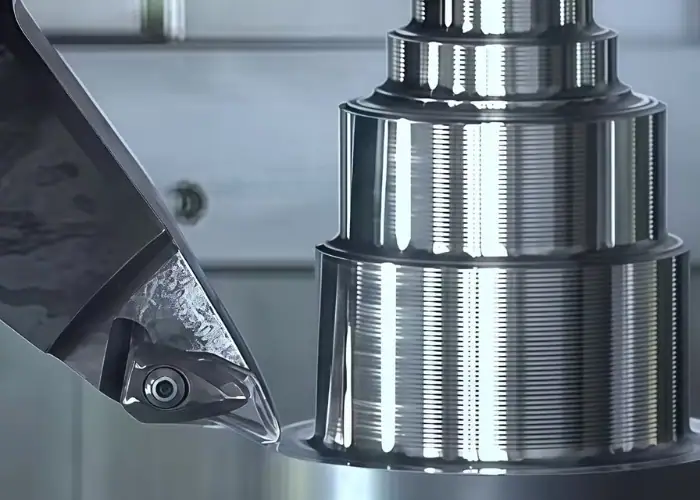
One common mistake is assuming that a more positive rake angle is always the better choice because it makes cutting easier. While a sharper edge can improve cutting action, it also reduces the support behind the edge. In demanding conditions, this can make the tool more vulnerable to chipping or instability.
Ignoring the Workpiece Material
Rake angle should always be matched to the material being machined. A geometry that performs well on aluminum may not be suitable for cast iron or hardened steel. Choosing rake angle without considering material behavior can lead to poor cutting performance and reduced tool reliability.
Overlooking the Machining Operation
Another mistake is selecting rake angle based only on the material and not on the type of operation. Finishing, roughing, and interrupted cutting place very different demands on the cutting edge. Even with the same material, the best rake angle may change depending on how the tool is used.
Neglecting Machine Rigidity and Setup Stability
A rake angle that works well in a rigid and stable setup may not perform the same way in a less stable environment. Ignoring machine rigidity, clamping quality, or overall setup conditions can make the chosen geometry less effective. In some cases, it may even lead to vibration or premature edge damage.
Treating Rake Angle as an Isolated Factor
Rake angle should not be evaluated alone. It works together with tool material, coating, edge preparation, insert geometry, and cutting parameters. Focusing on rake angle without considering the full machining setup often leads to an incomplete decision.
How to Choose the Right Rake Angle?
Choosing the right rake angle is not simply a matter of picking positive, negative, or zero rake based on a fixed rule. It requires a balanced consideration of material properties, machining method, cutting conditions, and production goals.
Workpiece Material Considerations
Choosing the right rake angle starts with the workpiece material. Softer and more ductile materials, such as aluminum, copper, and mild steel, usually respond better to a positive rake angle. A sharper cutting edge allows the tool to cut more freely and helps chips move away more smoothly. By contrast, harder or more brittle materials often require a stronger cutting edge, which makes a zero or negative rake angle more suitable in many cases.
Operation-Based Rake Angle Selection
The machining operation also plays an important role in rake angle selection. Finishing operations often benefit from a rake angle that supports smoother cutting and more stable material removal. Roughing, interrupted cutting, or deeper cuts usually place more load on the cutting edge, so a more conservative rake angle is often preferred. This means the same material may require different rake angle choices depending on the operation.
Machine Rigidity and Cutting Conditions
Rake angle should also be selected according to the cutting environment. A rigid machine, stable clamping, and a well-supported setup usually allow greater flexibility in tool geometry. However, when machine rigidity is limited or the setup is less stable, an overly aggressive rake angle may make the process more sensitive to vibration or edge damage. In these situations, a more balanced or stronger edge geometry is often a better choice.
Selecting Rake Angle by Machining Goal
The final choice of rake angle should also reflect the machining goal. If the priority is easier cutting and lower resistance, a more positive rake angle may be preferred. If the goal is stronger edge support, better durability, or more stable performance under load, a neutral or negative rake angle may be more effective. In practice, rake angle is selected not only for the material, but also for what the machining process needs most.
Balancing the Full Machining Setup
In real machining, rake angle does not work alone. It interacts with tool material, coating, edge preparation, insert geometry, and cutting parameters. For that reason, the best choice is not simply the sharpest or the strongest angle. It is the one that fits the full machining setup most effectively.
FAQs
How To Determine Rake Angle?
Rake angle is determined by measuring the angle between the tool’s rake face and a reference plane related to the machined surface or cutting direction. In practice, selection depends on material type, cutting load, and operation. Softer materials often use positive rake angles of about +5° to +20°, while harder materials may use 0° to -10°. The right value should balance cutting ease, chip flow, and edge strength.
What Is The Normal Rake Angle?
There is no single normal rake angle for all machining tasks. In general-purpose machining, a common range is about 0° to +15°. For ductile materials such as aluminum, it may be around +10° to +20°, while for hard materials or interrupted cuts it may be 0° to -10°. In practice, the normal rake angle is the range that best suits the material, tool, and cutting condition.
What Is The Best Rake Angle For Steel?
The best rake angle for steel depends on the steel grade and machining method. For mild or low-carbon steel, a positive rake angle of about +5° to +15° is often effective because it supports smoother cutting and better chip flow. For harder steels or roughing operations, 0° to -5° may offer better edge support. In many steel-cutting applications, a moderate positive rake angle is the most practical starting point.
What Happens If The Rake Angle Increases?
As rake angle increases, the cutting edge becomes sharper and the tool usually cuts more easily. This can reduce cutting resistance, improve chip flow, and lower power demand. However, a larger rake angle also reduces support behind the cutting edge, which can weaken edge strength and increase the risk of chipping under heavy loads. In general, increasing rake angle improves cutting ease but reduces durability.
Conclusion
Rake angle is a key element of cutting tool geometry because it affects cutting action, chip flow, edge strength, and machining stability. Since positive, negative, and zero rake angles each serve different needs, the right choice depends on the material, machining method, cutting conditions, and production goal. Understanding rake angle helps improve tool selection, machining efficiency, and overall cutting performance.
At TiRapid, we provide precision CNC machining services for custom parts and production projects, helping customers achieve consistent quality, fast turnaround, and reliable manufacturing support from prototype to production.