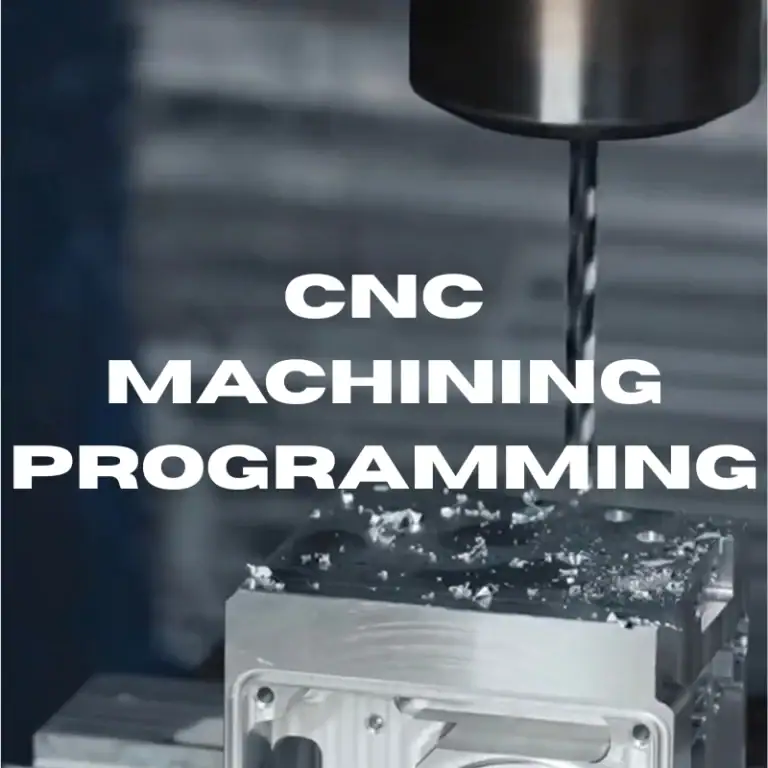
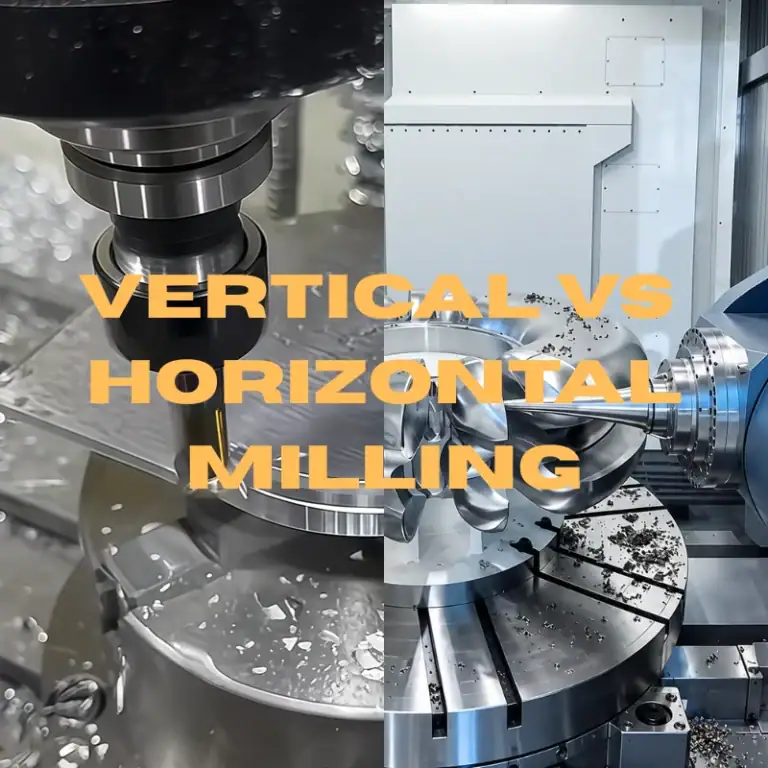
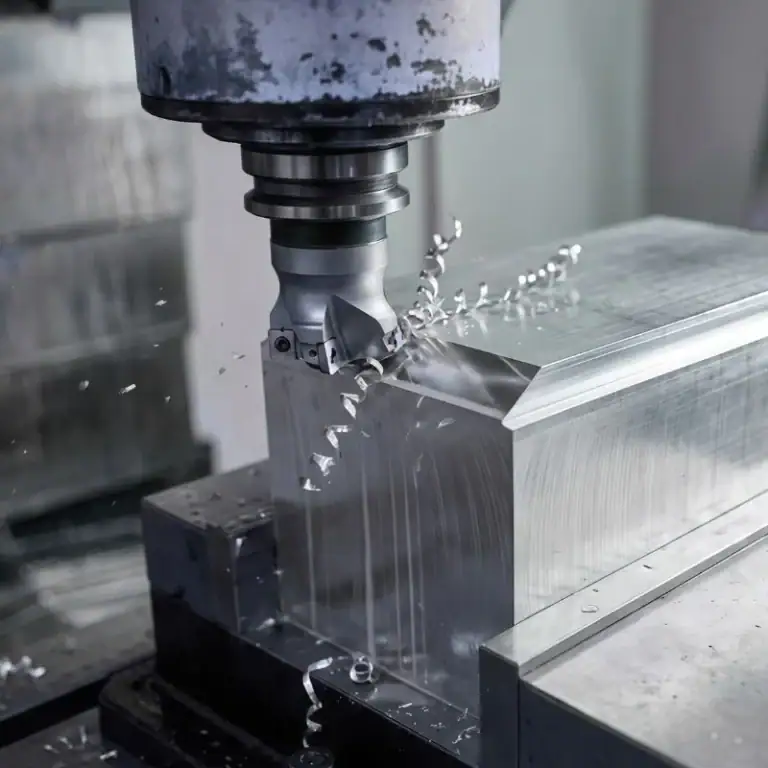
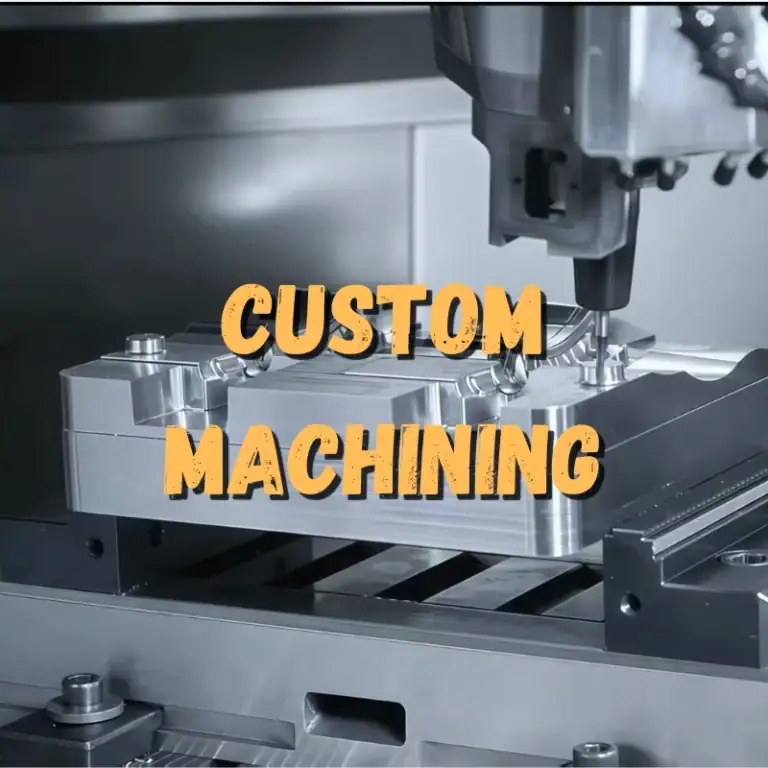
In the context of modern manufacturing’s continuous pursuit of lightweight, high precision, and high efficiency, aluminum alloys have become one of the most frequently used materials in CNC milling. Compared to some high-hardness metals, aluminum alloys can achieve higher cutting speeds during machining while maintaining both machining efficiency and surface quality, thus occupying an important position in precision manufacturing systems. In actual machining, aluminum alloys possess the characteristics of being lightweight and having good thermal conductivity, and can also adapt to the machining requirements of complex structures, giving them high flexibility in modern industrial design. However, different types of aluminum alloys differ in hardness, strength, and wear resistance, thus requiring targeted adjustments to machining strategies. A systematic analysis of the characteristics of aluminum alloy CNC milling can provide a more comprehensive understanding of its application value and technological advantages in modern manufacturing.
Basic Characteristics of Aluminum Alloy Materials
Aluminum alloys possess the combined characteristics of lightweight and high machinability.
- Low density: Lighter than steel, suitable for lightweight structural designs.
- Good thermal conductivity: Dissipates heat quickly during machining, helping to reduce heat buildup.
- Low cutting resistance: More suitable for high-speed machining, improving overall production efficiency.
- High plasticity: Facilitates the machining of complex structures and precision contours.
These fundamental properties make aluminum alloys one of the core materials in CNC machining.
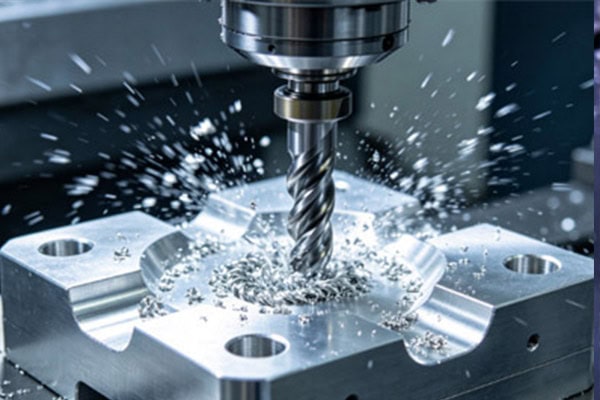
Machining Characteristics of Aluminum Alloys in CNC Milling
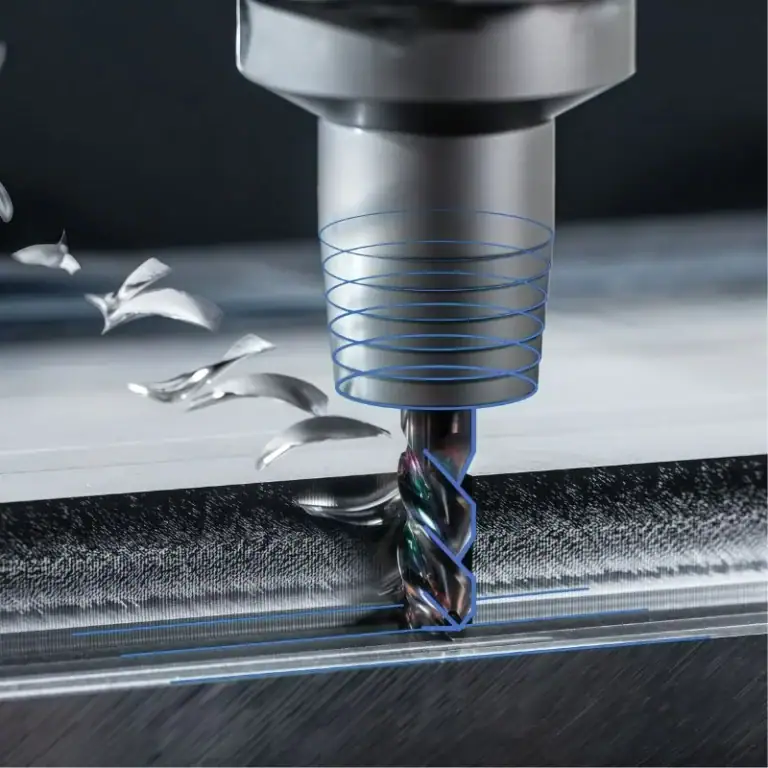
Aluminum alloys exhibit high machining efficiency in CNC milling.
- Suitable for high-speed cutting: Can withstand high spindle speeds, improving machining speed.
- Good surface finish: Easier to achieve low surface roughness.
- Low tool wear: Longer tool life compared to high-hardness metals.
- High machining stability: Less vibration during cutting, easier to control precision.
Good machining performance gives aluminum alloys a significant advantage in mass production.
Common Aluminum Alloy Types
Different aluminum alloys have different applications in CNC machining.
(1) 6061 Aluminum Alloy
Balanced overall performance, stable machinability and strength.
(2) 7075 Aluminum Alloy
High strength, suitable for aerospace and high-load structural components.
(3) 5052 Aluminum Alloy
Strong corrosion resistance, suitable for shell and sheet metal structures.
(4) 2024 Aluminum Alloy
High strength, commonly used in aerospace parts. Diverse aluminum alloy types meet the needs of different industrial scenarios.
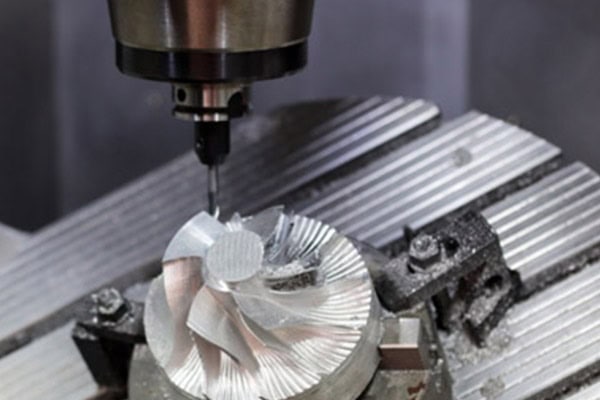
Advantages of Aluminum Alloy CNC Milling
Aluminum alloy CNC milling has significant comprehensive advantages in modern manufacturing.
(1) High machining efficiency
High-speed cutting capability improves overall production speed.
(2) Stable precision control
Easier to achieve complex structures and precision dimensions.
(3) Better cost control
Relatively low tool wear, shorter machining cycle.
(4) Suitable for mass production
High consistency, facilitating standardized manufacturing.
(5) Strong surface treatment compatibility
Facilitates post-processing processes such as anodizing and sandblasting.
These advantages make aluminum alloys an important material for high-efficiency precision manufacturing.
Machining Challenges of Aluminum Alloy CNC Milling
Although aluminum alloy machining is highly efficient, some process challenges still exist.
- Adverse effects: Chips tend to stick to the cutting tool during high-speed machining.
- Lower hardness of some materials: Surface scratches or deformation are common.
- Insufficient stability of thin-walled structures: Vibration is common during machining of complex parts.
- Temperature expansion affects accuracy: Long-term machining may lead to dimensional deviations.
Appropriate tool selection and parameter control are crucial for solving these problems.
Impact of Aluminum Alloy CNC Milling on the Manufacturing Industry
Aluminum alloy machining technology is driving the manufacturing industry towards lightweighting.
(1) Improving product lightweighting
Reducing overall structural weight.
(2) Increasing production efficiency
Shortening the machining cycle of complex parts.
(3) Promoting high-end manufacturing development
Supporting the upgrading of the aerospace and electronics industries.
(4) Enhancing product design flexibility
Complex structures are easier to achieve.
The improvement in aluminum alloy machining capabilities is continuously expanding the technological boundaries of modern manufacturing.
Conclusion
Aluminum alloy CNC milling occupies an important position in the modern manufacturing system due to its excellent cutting performance, stable machining accuracy, and high production efficiency. Aluminum alloys are suitable for manufacturing conventional industrial parts and can also meet the complex machining needs of aerospace, electronic equipment, and high-end structural components. Different types of aluminum alloys have their own characteristics in terms of strength, corrosion resistance, and machinability, which enables them to adapt to diverse industrial applications. As modern manufacturing continues to develop towards higher precision and lighter weight, the application scope of aluminum alloy CNC milling technology will continue to expand, providing more industries with efficient and high-quality machining solutions, while driving the continuous upgrading of precision manufacturing technology.