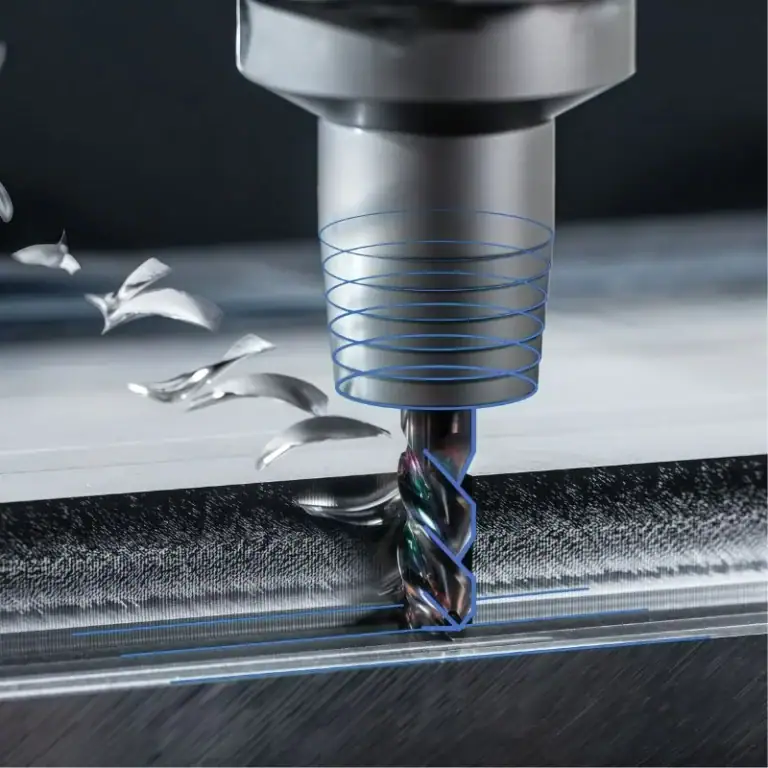
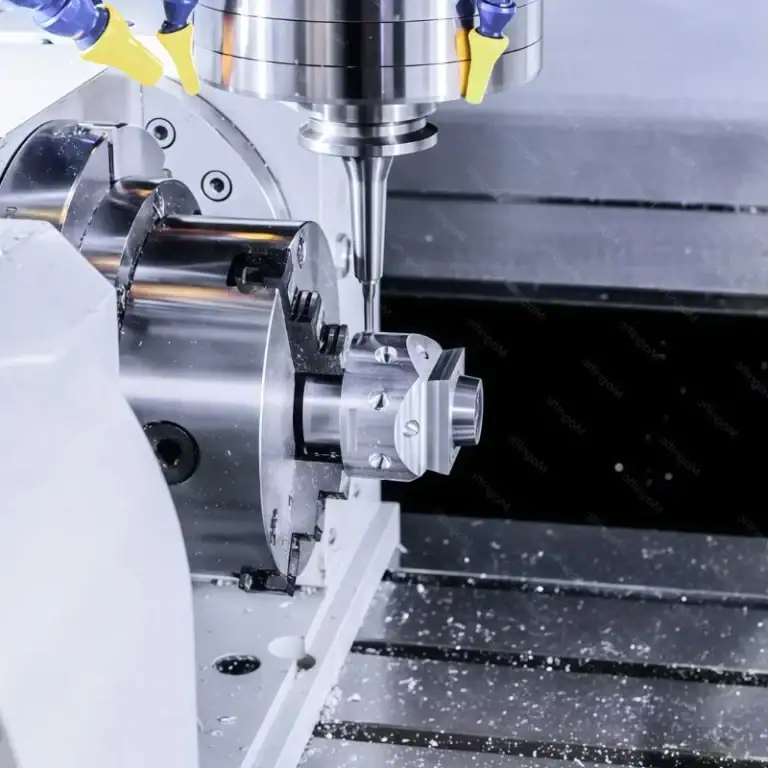
In industrial equipment, electronic systems, automotive structural components, medical equipment, and aerospace applications, many plastic parts need to operate in high-temperature environments for extended periods. Compared to ordinary operating environments, high temperatures pose greater challenges to CNC-machined plastic parts, leading to issues such as dimensional expansion, structural deformation, strength reduction, surface aging, and even cracking. Insufficient stability of the machined parts can not only affect assembly accuracy but also cause equipment malfunctions, and in severe cases, even compromise the safety of the entire system. Therefore, CNC machining of plastic parts in high-temperature environments is not simply about “machining” the parts; it requires comprehensive control over material properties, processing techniques, structural design, and post-operation conditions. Only by coordinating these aspects can plastic parts maintain dimensional stability and structural reliability under high-temperature conditions over the long term.
Why Does High Temperature Affect the Stability of CNC-Machined Plastic Parts?
High-Temperature Environments Change the State of Plastic Materials
One of the biggest differences between plastics and metals is that plastics are more susceptible to temperature changes. As temperatures rise, the molecular structure within plastics gradually becomes more active, leading to thermal expansion, softening, and even stress changes. This means that parts that were originally dimensionally stable may undergo slight deformation in high-temperature environments. For ordinary plastic parts, such changes may not be a major problem, but for high-precision structural components, seals, guides, or assemblies, even small dimensional changes can affect the entire system’s operation.
Residual stress from CNC machining is amplified by high temperatures
Many plastic parts develop internal stress during CNC machining due to cutting heat, clamping pressure, or machining path variations. These stresses may not be noticeable at room temperature, but when the part enters a high-temperature environment, the internal stress gradually releases, leading to warping, cracking, or dimensional drift. Therefore, stability under high-temperature conditions is not just a material issue but also closely related to the machining process.
Stability is not just about “not deforming”
Many people believe that stability simply means preventing parts from bending or softening. In reality, high-temperature stability also includes dimensional consistency, mechanical strength, wear resistance, assembly accuracy, and long-term reliability. For example, in a high-temperature device, even if a plastic guide doesn’t show significant deformation, if high temperatures cause a decrease in friction or hole misalignment, it will still affect the device’s operation. Therefore, high-temperature stability is a comprehensive set of performance characteristics, not a single indicator.
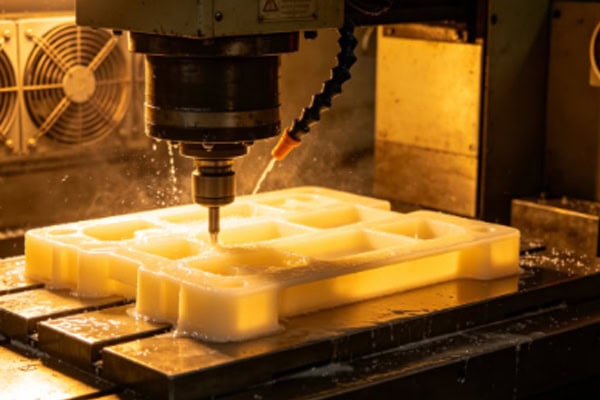
How to achieve stable production of CNC-machined plastic parts at high temperatures?
Initial Operating Environment Analysis
Before processing high-temperature plastic parts, the actual operating environment must be clearly defined. For example, what is the long-term operating temperature? Is there thermal cycling? Will it come into contact with oil, steam, or chemical media? These conditions will affect material selection and processing methods. Because the heat resistance of different plastics varies greatly, if the initial environmental assessment is incorrect, even with high processing precision, problems may still occur during later use.
Rational design of part structures
For plastic parts in high-temperature environments, structural design is crucial. For example, excessively thick walls can lead to heat concentration, large variations in wall thickness increase the risk of thermal deformation, and sharp corners are prone to stress concentration. Therefore, high-temperature parts typically employ designs with uniform wall thickness, rounded corners, and reduced localized stress concentration. This not only improves stability but also reduces subsequent processing difficulty.
Material Pretreatment Before Processing
Some high-performance engineering plastics require drying or stress-relieving treatment before processing. If the material contains moisture or residual stress, it is more prone to dimensional changes during high-temperature use. For high-precision, high-temperature parts, many factories allow the material to stand still or undergo low-temperature annealing before machining to reduce the risk of subsequent deformation.
Post-Machining Stabilization Treatment
Plastic parts used in high-temperature environments usually require further stabilization treatment after machining. This includes natural aging, heat treatment, or secondary stress release. The purpose is to release internal stresses generated during machining in advance, preventing the parts from gradually deforming during actual customer use.
Control Points for High-Temperature Stability
Cutting Heat Control
Plastics have poor thermal conductivity, so cutting heat easily accumulates during CNC machining. If the temperature is too high during machining, slight softening may begin inside the material, and this change may not be immediately apparent after machining. Therefore, more attention needs to be paid to cutting heat control when machining parts in high-temperature environments. This includes using sharp tools, proper feed rates, optimizing toolpaths, and strengthening chip removal to minimize heat accumulation.
Clamping Method
Many high-temperature plastic parts deform later not because of the material itself, but because of clamping stress. Because plastics have low rigidity, if clamped too tightly, although the dimensions may be correct during machining, the internal stress will gradually release after removal. This stress release is more pronounced at high temperatures. Therefore, when machining high-temperature plastic parts, flexible fixtures, vacuum adsorption, or multi-point uniform support are typically used to reduce localized stress.
Finishing Stage
High-temperature parts often have higher requirements for dimensional consistency.Therefore, the finishing stage usually avoids aggressive parameters and instead employs more stable and refined machining methods. For example, reducing the amount of material cut per pass, increasing the number of finishing passes, and reducing the impact of vibration. This reduces machining stress while improving surface quality and dimensional stability.
Temperature Environment Control
For high-precision high-temperature plastic parts, the ambient temperature of the machining workshop also affects the final results. Because plastics are sensitive to temperature changes, if the differences between the machining and testing environments are too large, the measurement results may be inaccurate. Therefore, some high-precision projects use a constant-temperature machining environment to ensure that the machined state is closer to the final use state.
Which plastics are more suitable for high-temperature environments?
PEEK Plastic
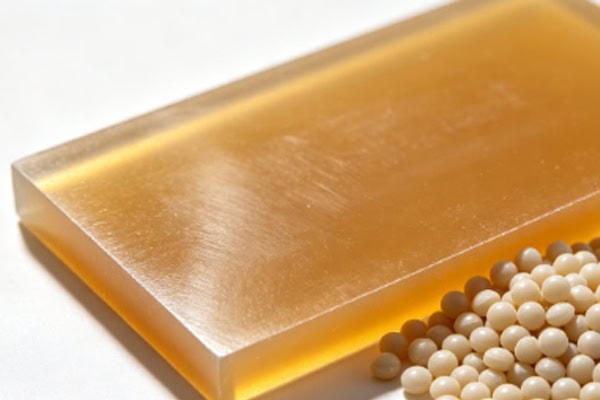
PEEK is a very common high-performance engineering plastic used in high-temperature CNC machining. It possesses excellent heat resistance, mechanical strength, and dimensional stability, maintaining good performance even at high temperatures. Therefore, PEEK is widely used in aerospace, medical, semiconductor, and high-end industrial equipment. However, its material cost and processing difficulty are relatively high.
PPS Plastic
PPS also has good heat resistance and strong chemical corrosion resistance, making it suitable for long-term use in high-temperature industrial environments. It exhibits minimal dimensional change at high temperatures, therefore it is often used for structural components in electronic, electrical, and chemical equipment.
PI Plastic
PI (polyimide) is a class of engineering plastics with very strong high-temperature resistance, maintaining high stability even in extreme temperature environments. However, PI material is more expensive and more difficult to process, therefore it is typically used in high-end specialty fields.
Ordinary Plastics
Materials such as ABS, ordinary PVC, or ordinary acrylic are widely used in room temperature environments, but are prone to softening, deformation, or performance degradation under long-term high-temperature environments. Therefore, in high-temperature applications, material selection should not solely focus on cost, but rather prioritize long-term stability.
In conclusion
The real challenge in CNC machining of plastic parts in high-temperature environments is not “manufacturing” them, but “maintaining long-term stability.” Because plastics are highly sensitive to temperature changes, even slight imperfections in material selection, processing, or structural design can lead to deformation, dimensional drift, or performance degradation during subsequent use. Therefore, improving stability in high-temperature environments requires simultaneous control from multiple angles, including appropriate material selection, reducing processing stress, optimizing structural design, and implementing proper post-processing stabilization treatments. Only by coordinating these aspects can plastic parts maintain long-term reliability under high-temperature conditions.