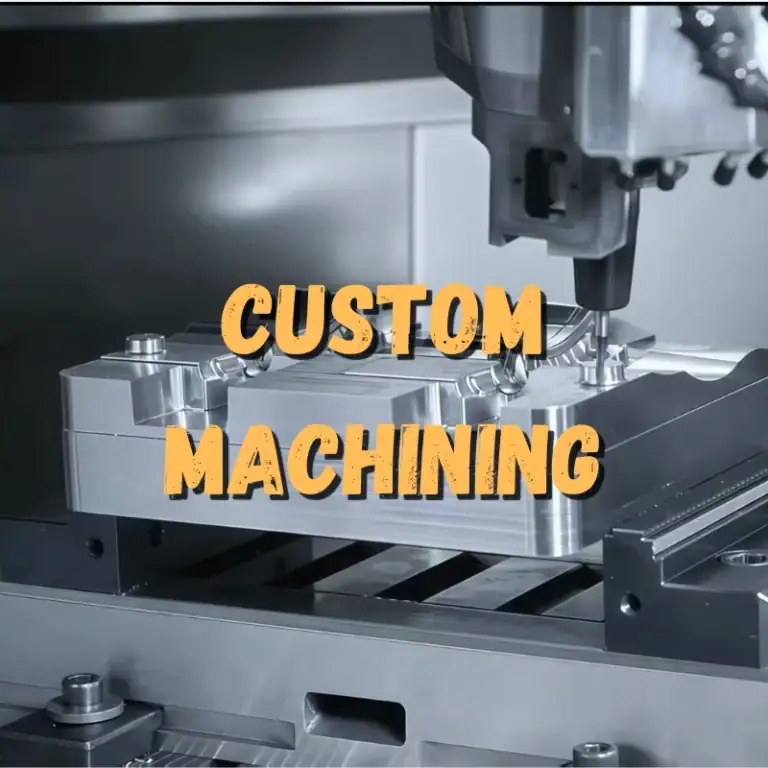
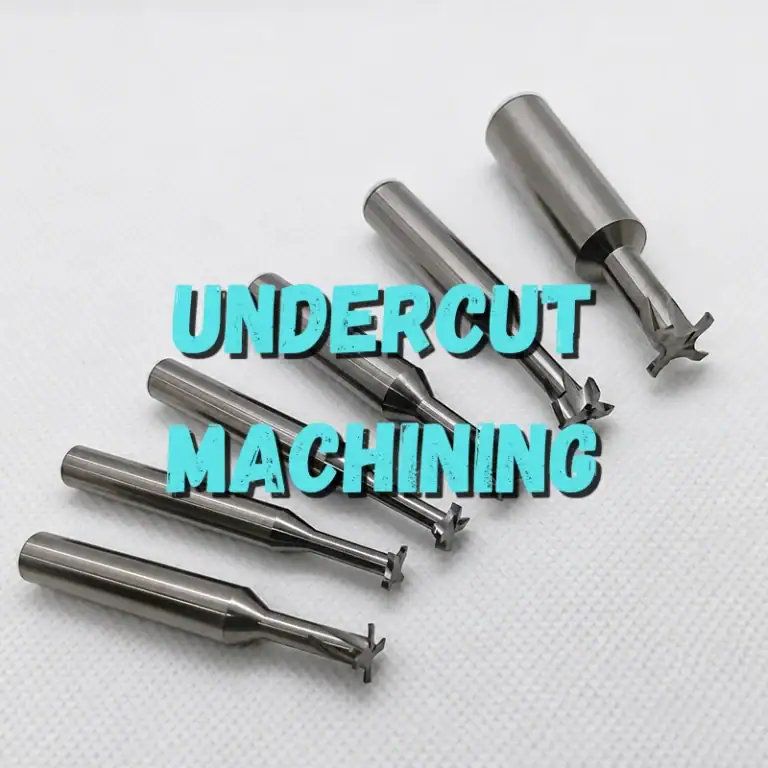
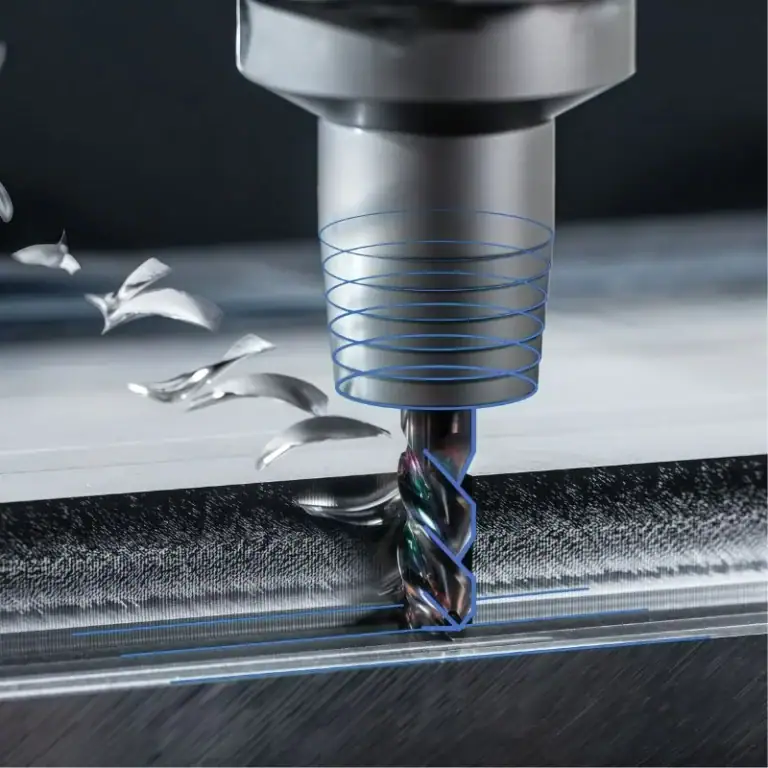
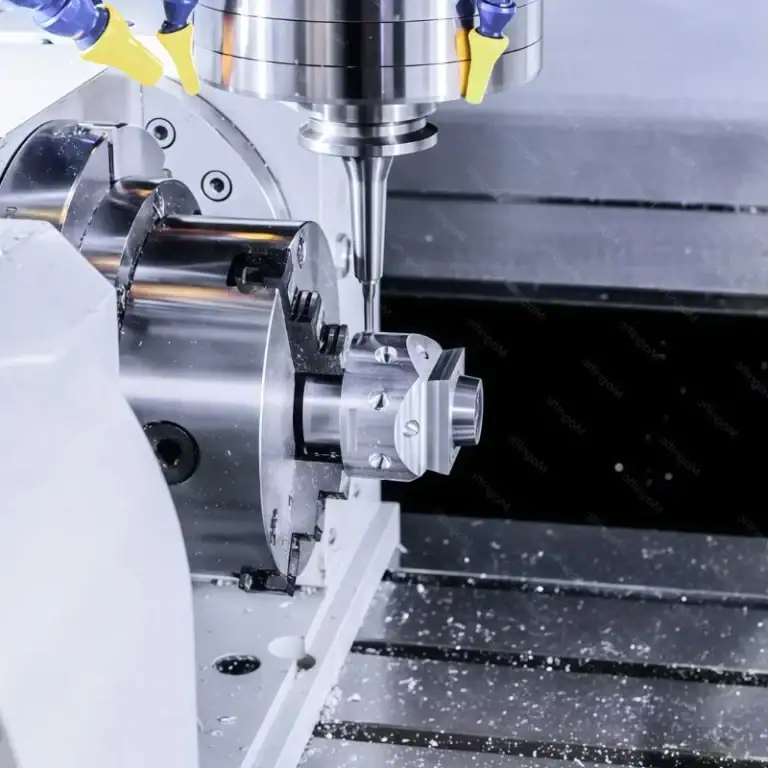
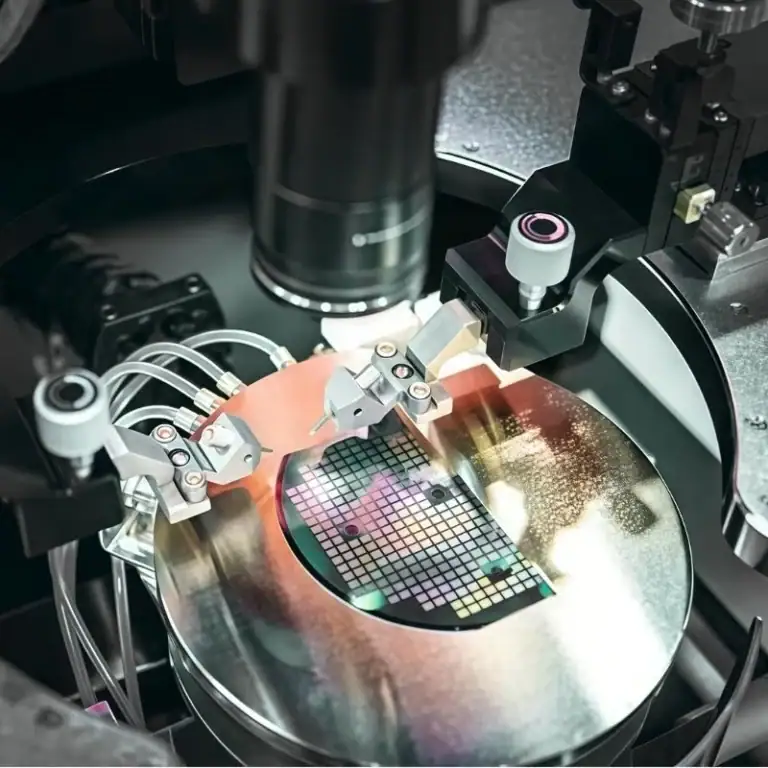
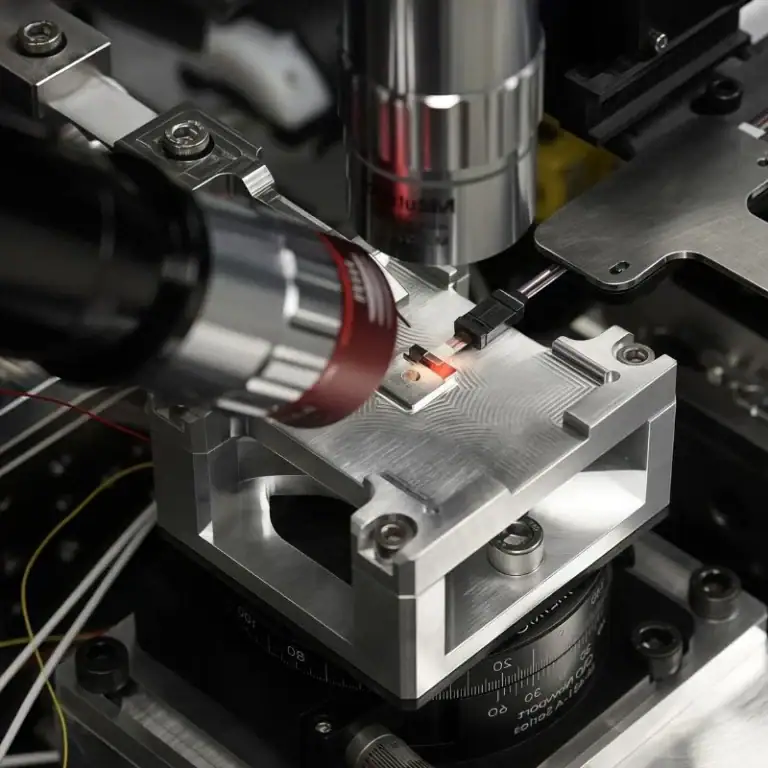
Electronic assembly equipment contains a large number of non-standard parts in different sizes. PCB positioning, workpiece clamping, module installation, and precision movement all require different structural designs. For equipment manufacturers, what really affects project progress is often the assembly performance of machined parts, as well as whether material selection, surface treatment, and delivery schedules meet project requirements. CNC machining can flexibly manufacture complex parts based on 2D drawings and 3D models, making it suitable for various parts used in the development and production of electronic assembly equipment.
Which Electronic Assembly Equipment Parts Are Suitable for CNC Machining?
Electronic assembly equipment contains many types of non-standard parts. When purchasing, customers usually focus on machining accuracy, material compatibility, and actual assembly performance. Parts with complex structures and frequently changing dimensions are especially suitable for CNC machining.
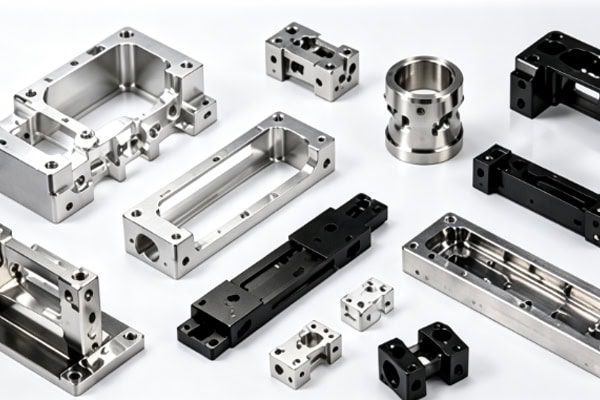
Mounting Bases and Precision Structural Parts
Equipment bases, connection plates, and module mounting bases need to maintain stable installation relationships. During machining, key factors include hole positions, flatness, and overall dimensions.
- Equipment mounting bases need accurate mounting holes and positioning surfaces to facilitate the installation of motors, guide rails, and modules.
- Connection plates can be customized according to the equipment space, including hole positions and contours, reducing modifications during assembly.
- Sensor brackets need to control the installation position to prevent sensor components from shifting.
Stable machining of structural parts can reduce adjustment work during overall equipment assembly.
PCB Fixtures and Precision Positioning Parts
PCB positioning, clamping, and conveying processes use many non-standard parts. These parts are relatively sensitive to dimensions and material selection.
- PCB positioning blocks need accurate positioning dimensions and proper fit clearances.
- Fixture base plates need to maintain accurate hole spacing and reference positions.
- Guide components need to use suitable materials and wear resistance according to the movement method.
Proper structural design can improve workpiece positioning stability and make later maintenance and changeovers easier.
ESD-Related Non-Metallic Parts
For non-metallic parts that directly contact PCBs or electronic components, materials need to be selected according to the ESD requirements of the electronic assembly environment.
| Part Type | Common Materials | CNC Machining and Manufacturing Considerations |
| Equipment Mounting Base | Aluminum Alloy, Steel | Hole Position, Flatness, Structural Rigidity |
| PCB Positioning Fixture | Aluminum Alloy, Conductive POM, Static-Dissipative Engineering Plastics | Positioning Dimensions, Fit, ESD Requirements |
| Sensor Bracket | Aluminum Alloy, Stainless Steel | Mounting Hole Position, Dimensional Stability |
| Precision Guide Component | Steel, Stainless Steel, Conductive POM | Clearance, Wear Resistance, Material Properties |
| Module Connection Plate | Aluminum Alloy, Steel | Hole Spacing, Flatness, Installation Accuracy |
| Vacuum Mounting Component | Aluminum Alloy, Stainless Steel, Engineering Plastics | Hole Position, Sealing Surface, Surface Quality |
Different applications require suitable materials and machining solutions to balance precision, service life, and equipment operating requirements.
How Can Electronic Assembly Equipment Parts Maintain Manufacturing Accuracy?
Multiple mechanisms in electronic assembly equipment need to work together. A deviation in one positioning dimension can affect PCB conveying, clamping, or inspection positions. Quality control needs to cover the entire manufacturing process.
Check Machining Feasibility During the Drawing Stage
Before production, the key dimensions and machining requirements on the drawings need to be reviewed according to the actual part structure.
- Confirm critical tolerances and distinguish between general dimensions and assembly-critical dimensions.
- Check thin-wall, deep-cavity, and small-hole structures to evaluate machining difficulty in advance.
- Confirm reference relationships to avoid having multiple critical dimensions without a common positioning reference.
Addressing structural issues early can reduce repeated modifications during machining.
Select CNC Processes According to the Part Structure
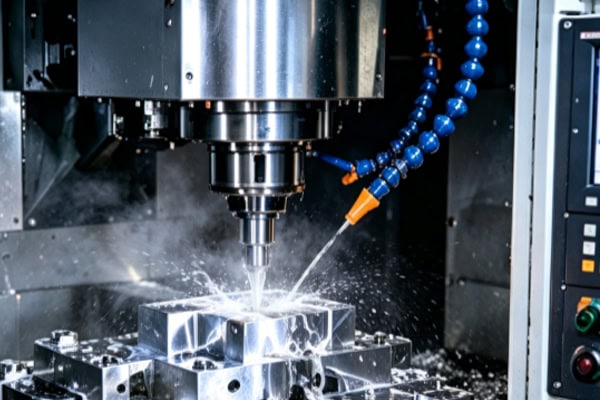
Different parts require different machining methods. Standard mounting plates and positioning parts can use 3-axis machining, while complex multi-sided parts can use 4-axis or 5-axis machining. Shaft-type parts can be combined with turning processes. For precision fixtures, rough machining, semi-finishing, and finishing should also be properly arranged to reduce dimensional changes caused by material stress and repeated clamping. A suitable process plan can balance machining efficiency and dimensional stability.
Inspect Critical Dimensions and Assembly Relationships
After machining, dimensional inspection is required to confirm whether the parts meet drawing and assembly requirements, with particular attention to hole positions, flatness, and critical fitting dimensions.
- Check hole diameter and hole spacing: Confirm that critical dimensions such as mounting holes and positioning holes meet drawing requirements.
- Check geometric tolerances: Inspect flatness, perpendicularity, concentricity, and other items according to the application of the part.
- Perform precision measurement: Parts with higher accuracy requirements can be inspected using equipment such as CMMs.
- Keep inspection records: Record critical dimensional results to identify abnormalities and support later quality traceability.
Inspection of critical dimensions can identify problems before overall equipment assembly and reduce on-site rework.
Why Do Electronic Assembly Equipment Parts Need Surface Treatment?
CNC machining does not mean that aluminum alloy parts can always be used directly in equipment. Surface treatment affects hardness, wear resistance, corrosion resistance, and appearance, while the selected process also needs to match the actual requirements of the electronic assembly environment.
Aluminum Alloy Parts Commonly Use Anodizing
Aluminum alloy mounting bases, connection plates, and fixture base plates can be treated with suitable surface processes according to their operating environment.
- Improve wear resistance: Suitable for parts that experience frequent contact and use.
- Enhance corrosion resistance: Reduce the impact of moisture and similar environmental factors on aluminum alloy surfaces.
- Improve appearance: Create a more uniform surface finish.
- Apply special treatment to specific areas: Hard anodizing can be considered for high-friction areas, while areas requiring electrical conductivity need a suitable process based on equipment requirements.
Surface treatment should be selected according to the application of each part rather than applying the same process to all aluminum alloy parts.
Precision Parts Need to Consider Dimensional Changes After Treatment
Surface treatments such as anodizing create a film layer of a certain thickness. For parts involving precision fits, machining tolerances and surface treatment need to be coordinated.
- Precision holes need to account for the effect of the coating thickness on dimensions in advance.
- Sliding fit surfaces need to reserve suitable machining allowance according to the actual clearance.
- Threaded areas need to consider the coating thickness when determining the machining method.
Coordinating machining and surface treatment in advance can prevent assembly difficulties after completion.
Cleanliness Is Also Important in Electronic Assembly Environments
Electronic equipment production environments are sensitive to particles, debris, and surface contamination. After machining and surface treatment, parts need to be cleaned and inspected according to the equipment’s operating environment. PCB fixtures and precision conveying components in particular should be checked for burrs, residual cutting fluid, and surface particles to prevent them from affecting electronic component assembly after entering the equipment. Proper cleaning allows parts to better meet the operating requirements of electronic assembly equipment.
How to Choose a CNC Machining Supplier for Electronic Assembly Equipment?
When purchasing electronic assembly equipment parts, simply comparing machining prices is not enough to determine whether a supplier is suitable. Material capabilities, processes, surface treatment, inspection, and batch delivery capabilities should also be considered.
Evaluate Engineering and Machining Capabilities
The supplier should be able to handle parts with different structures, materials, and precision requirements while providing a certain level of engineering optimization.
- Confirm 3-axis, 4-axis, and 5-axis machining capabilities to meet complex structural manufacturing requirements.
- Check machining capabilities for aluminum alloys, stainless steel, steel, and engineering plastics.
- Confirm whether special materials such as conductive POM are supported.
- Check DFM services to identify structural and machining risks in advance.
Stronger engineering capabilities can make early communication and subsequent modifications more efficient.
Evaluate Surface Treatment and Inspection Support
Electronic assembly equipment parts often require CNC machining to be coordinated with anodizing, hard anodizing, and other processes, along with critical dimensional inspection. During procurement, it is important to confirm whether the supplier can coordinate machining and surface treatment according to drawing requirements and inspect critical dimensions. Smooth coordination between machining, surface treatment, and inspection can reduce repeated transfers between different suppliers.
Check Whether the Supplier Can Support Prototypes Through Mass Production
Electronic assembly equipment usually goes through design validation, small-batch production, and full production. If a supplier can continuously support different manufacturing stages, it can reduce the time required to reconfirm materials, processes, and quality requirements. Stable supply capabilities can also help R&D modifications move into production faster and facilitate subsequent batch purchasing.
When selecting an electronic assembly equipment parts supplier, it is important to evaluate machining equipment, quality inspection, surface treatment, and delivery capabilities. TiRapid provides precision CNC machining, 5-axis machining, and DFM services to support electronic equipment parts from prototypes to batch production. A stable manufacturing process can also help companies reduce assembly and debugging time and improve project execution efficiency.