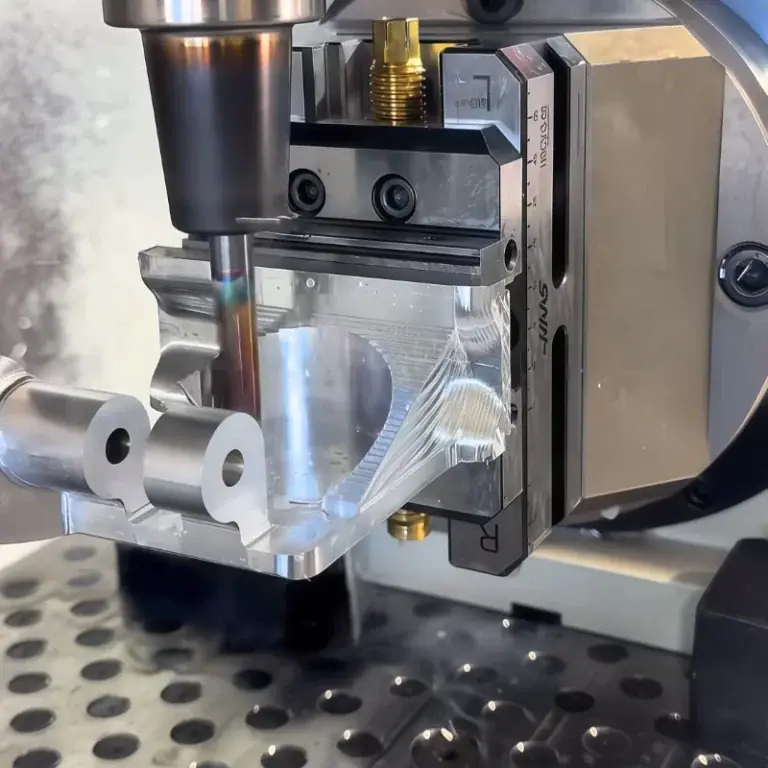
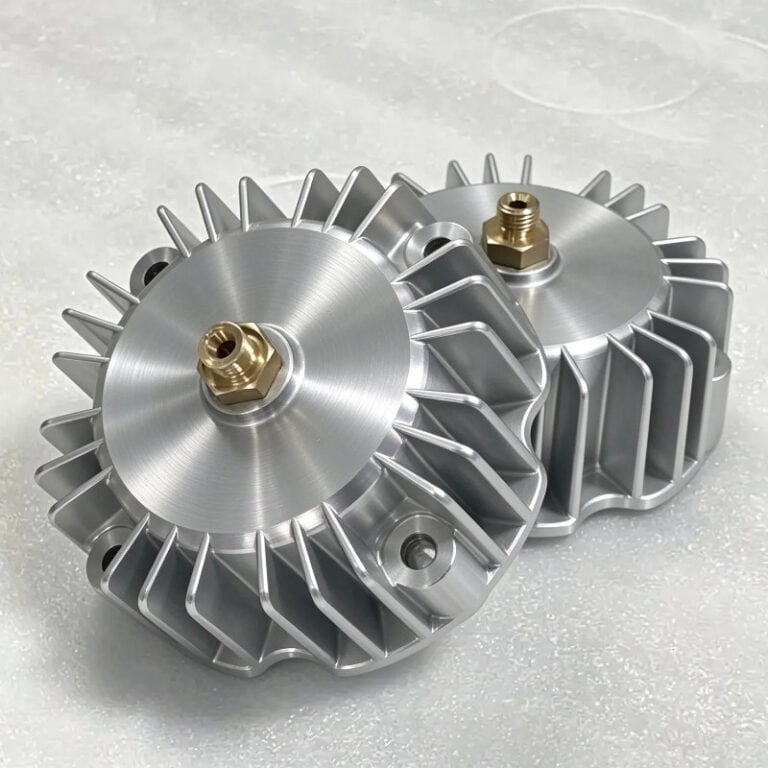
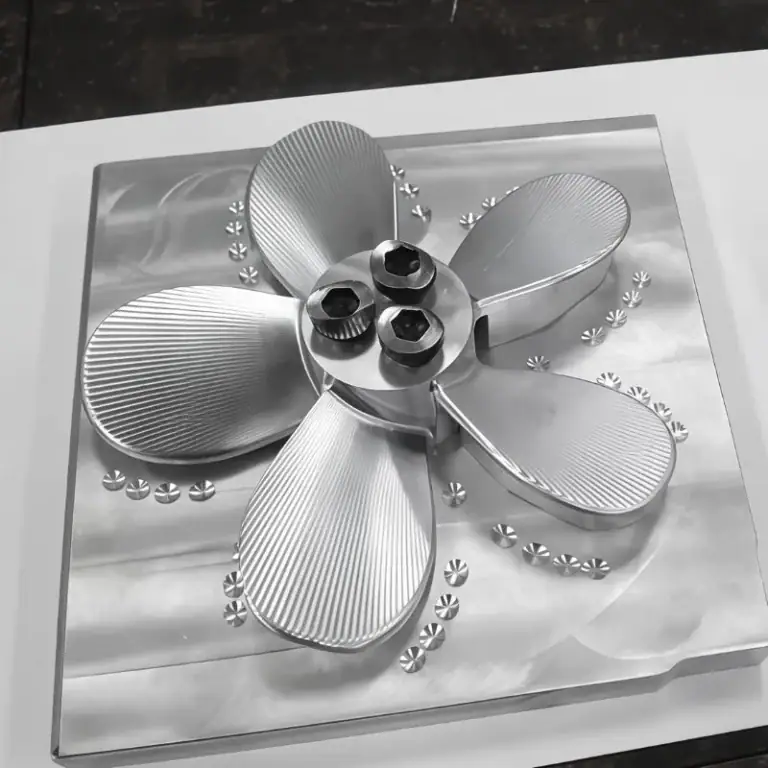
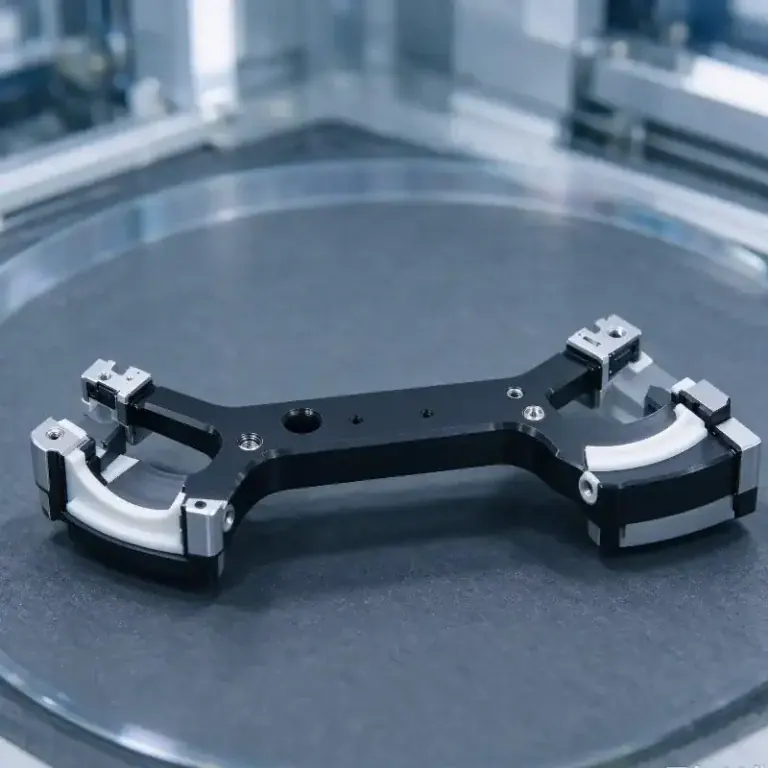
In CNC metal machining, chatter is a common problem that affects machining quality and production efficiency. When unstable vibrations occur between the cutting tool and metal workpiece, the machined surface may develop waves, chatter marks, and irregular tool marks. In severe cases, chatter can cause tool chipping, dimensional deviations, and increased machine wear. This issue is particularly important when milling or turning aluminum alloys, stainless steel, and carbon steel components.To control machining chatter effectively, manufacturers need to consider several factors, including machine rigidity, cutting tools, workpiece clamping, and cutting parameters.
What Is Chatter in CNC Metal Machining?
Understanding the Basic Principles of Machining Chatter
Chatter refers to unstable vibrations that occur between the cutting tool, workpiece, and machine structure during CNC machining. It is commonly caused by the interaction between dynamic cutting forces and the rigidity, damping characteristics, and operating conditions of the machining system.
Unlike the minor vibrations associated with normal cutting operations, machining chatter usually has a noticeable periodic pattern. It can produce repeated surface waves and reduce the dimensional accuracy and surface quality of metal parts.

How Does Chatter Affect Metal Parts?
Machining chatter affects not only the appearance of finished components but also overall production performance.
- Poor surface finish:Visible chatter marks and irregular cutting patterns may appear on machined surfaces.
- Reduced dimensional accuracy: Tool vibration can cause deviations in the actual cutting position.
- Shorter tool life: Repeated impact forces increase cutting-edge wear and the risk of tool chipping.
- Lower production efficiency: Manufacturers may need to reduce cutting parameters or spend additional time on rework.
- Increased machine load: Prolonged vibration may accelerate wear on spindles, bearings, and other mechanical components.
Common Causes of Chatter in CNC Metal Machining
Excessive Tool Overhang or Insufficient Rigidity
The longer the tool overhang, the more susceptible the cutting tool generally becomes to bending and vibration.
This is particularly common in deep cavity machining, long-shaft machining, and milling in narrow spaces. When a small-diameter tool has an excessively long overhang, chatter is more likely to occur during cutting.
Unstable Workpiece Clamping
Insufficient clamping force, inadequate fixture rigidity, or improper support positioning can cause slight workpiece movement during machining.
This problem is particularly noticeable when machining thin-walled metal components and slender shafts, which are more sensitive to cutting forces.
Improper Cutting Parameter Settings
Cutting speed, feed rate, and depth of cut must be properly balanced.An excessive depth of cut may increase cutting forces, while an unsuitable spindle speed may cause the machining system to operate within a speed range that is more susceptible to vibration.
Worn or Improperly Selected Cutting Tools
Worn cutting edges, damaged coatings, and unsuitable tool geometries can increase cutting resistance and contribute to machining chatter.When machining difficult-to-cut materials such as stainless steel and titanium alloys, tool condition requires particular attention.
Insufficient Machine Rigidity or Maintenance
Worn spindle bearings, excessive guideway clearance, unstable toolholder connections, and inadequate machine foundation support can reduce the overall rigidity of the machining system.These conditions make the machine more vulnerable to vibration during cutting operations.
How to Solve Chatter Problems in CNC Metal Machining
Optimize Cutting Tool Selection and Clamping Methods
Choose cutting tools that match the required machining depth and component geometry. Keep tool overhang as short as possible.
For deep cavity machining and high-precision applications, manufacturers can consider high-rigidity toolholders, anti-vibration boring bars, or specialized vibration-damping tools.
At the same time, ensure that the workpiece is securely clamped. Additional supports can be introduced according to the component structure to minimize movement and deformation during machining.
Adjust Cutting Parameters
When chatter occurs, spindle speed, feed rate, and depth of cut can be adjusted through controlled testing.
For example, changing the spindle speed may help avoid rotational speed ranges associated with resonance. Reducing the depth of cut under suitable conditions can also decrease cutting loads.
For milling operations, optimizing feed per tooth and radial engagement can further improve machining stability.
It is important to note that simply reducing spindle speed does not solve every chatter problem. The appropriate adjustment depends on vibration characteristics, tool conditions, and machining requirements.
Improve CNC Toolpath Strategies
Proper CNC toolpath planning helps prevent sudden changes in cutting loads.
When machining complex cavities, adaptive milling strategies can maintain relatively consistent tool engagement and reduce load fluctuations.
For thin-walled components, layered, sectional, and symmetrical machining strategies can help prevent excessive material removal in one area and minimize workpiece deformation.
Strengthen Machine Maintenance
Regularly inspect the spindle, bearings, guideways, toolholders, and fixtures. Any abnormal clearance or loose connection should be addressed promptly.
Maintaining stable machine operating conditions helps reduce the influence of mechanical vibration on machining quality.
How to Prevent Chatter When Machining Different Metal Materials
When machining aluminum alloys, manufacturers often use relatively high cutting speeds. Tool sharpness, chip evacuation, and cutting load should be carefully controlled to prevent chip accumulation from affecting machining stability.
Stainless steel machining can generate considerable cutting forces and heat. Selecting suitable tool materials, coatings, and cutting parameters helps reduce tool wear and the negative effects of work hardening.
When machining carbon steel and alloy steel components, cutting conditions should be adjusted according to material hardness, tool rigidity, and workpiece geometry. Particular attention should be paid to long-overhang tools and high-load machining operations.
Conclusion
Chatter in CNC metal machining is rarely caused by a single factor. It usually results from the combined effects of cutting tools, workpieces, machining parameters, and machine conditions.
By optimizing tool overhang, improving workpiece clamping, adjusting cutting parameters, planning appropriate toolpaths, and maintaining machine equipment, manufacturers can effectively reduce chatter risks and improve the dimensional accuracy and surface quality of metal parts.