Oil and gas extraction, transportation, and processing equipment operate under pressure, friction, and exposure to complex media. These conditions place high demands on component machining accuracy, structural strength, and operational stability. Components such as valve bodies, pump housings, drive shafts, flanges, and sealing assemblies often feature irregular profiles, deep holes, and precision mating surfaces. To address these manufacturing challenges, material selection, machining processes, and inspection plans must be tailored to each component’s function to minimize assembly deviations and meet equipment operating requirements.
Manufacturing Requirements for Complex Oil and Gas Industry Parts
Oil and gas equipment includes fluid control, power transmission, and pipeline connection structures. Each component type has distinct machining priorities.
Common Types of Complex Parts
The function of each component determines its structural design and precision requirements.
- Valve components: Include valve bodies, bonnets, valve cores, and valve seats. Key requirements include flow passage dimensions, sealing surfaces, and mating accuracy.
- Pump and transmission components: Include pump housings, shaft sleeves, and drive shafts. Structural strength, concentricity, and wear resistance are important considerations.
- Pipeline connectors: Include flanges, fittings, and custom-shaped connectors. Hole positions, end-face conditions, and connection dimensions must be accurate.
- Inspection equipment structures: Include instrument enclosures, mounting brackets, and sensor holders. These components must meet positioning and equipment integration requirements.
Identifying each component’s function and assembly position helps determine the machining processes and acceptance criteria.
How Complex Operating Conditions Affect Component Performance
Operating environments influence material selection and structural design. Key service conditions should be confirmed before manufacturing.
- Load-bearing capacity: Pressure-bearing components and connection structures require appropriate strength to reduce the risk of deformation under load.
- Corrosion and sulfide resistance: Components exposed to corrosive media should use suitable materials based on media composition, temperature, and operating conditions.
- Sealing accuracy: Dimensions and surface quality must be controlled on valve sealing surfaces, flange faces, and shaft-to-bore mating areas.
- Wear resistance and stability: Rotating and friction-exposed components require attention to wear, fatigue, and connection reliability.
Translating operating conditions into clear drawing specifications and manufacturing requirements helps improve component suitability.
CNC Machining Solutions for Complex Oil and Gas Parts
Complex components often require a combination of machining processes. Some valve components also involve weld overlay and subsequent precision finishing.
CNC Machining and Combined Process Planning
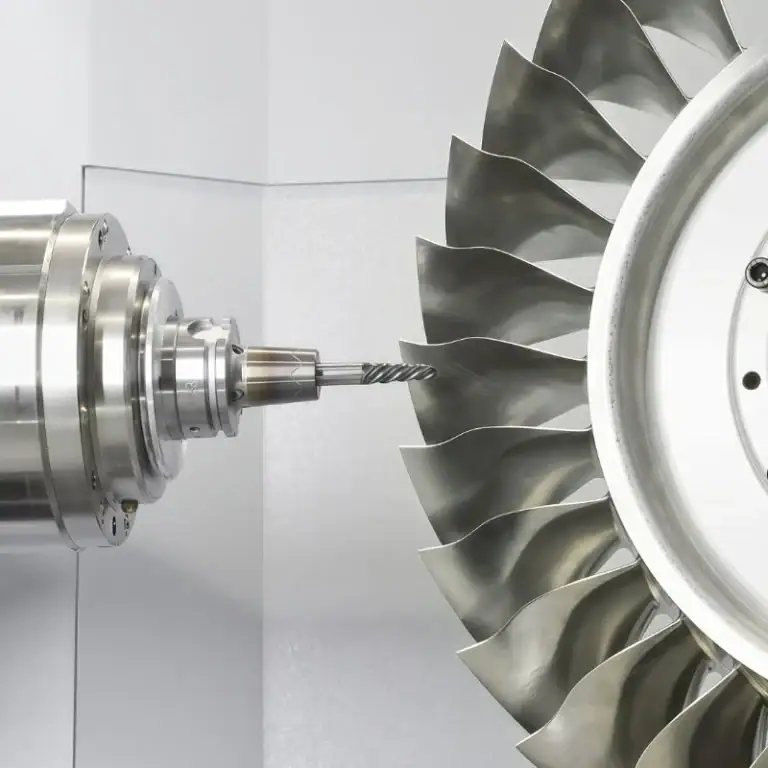
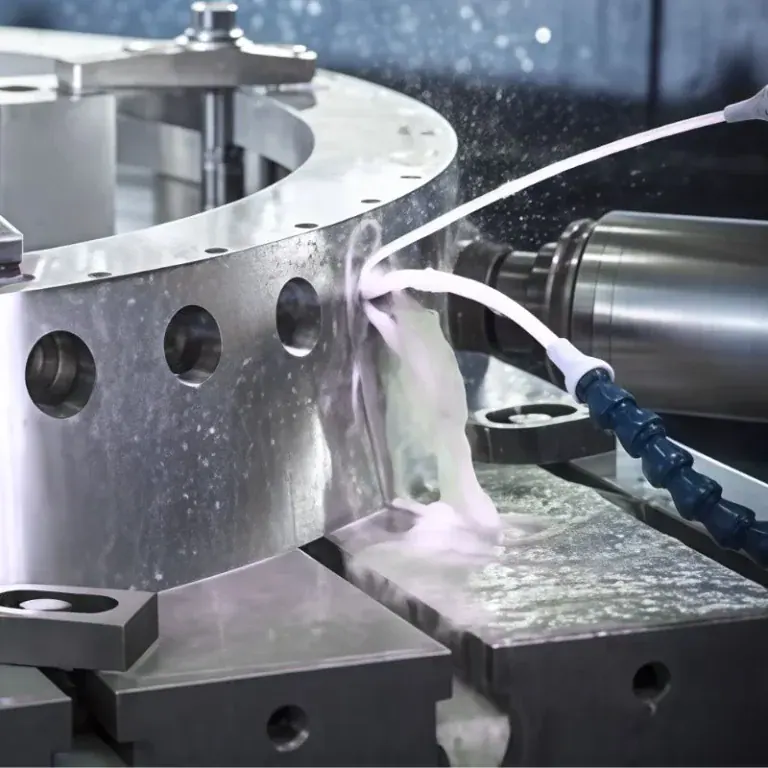
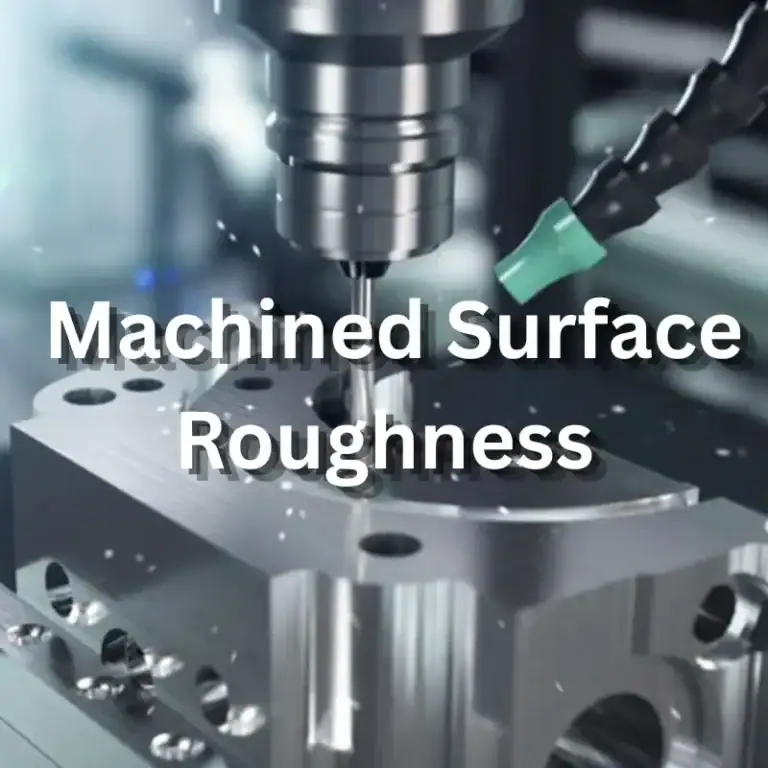
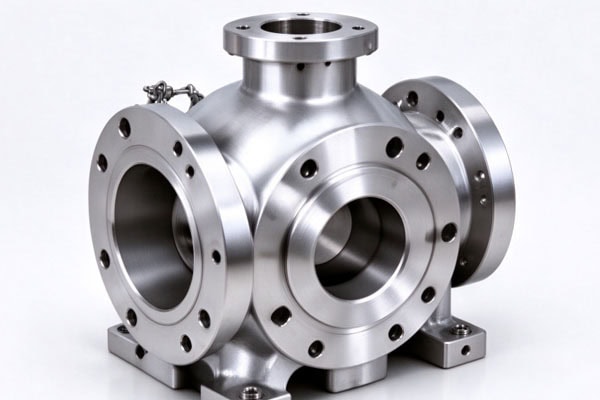
Machining methods should be selected according to component geometry, hole structures, and precision requirements. CNC milling is suitable for valve body profiles, pump housings, flange faces, and mounting blocks. It can produce flat surfaces, cavities, slots, and complex contours. CNC turning is suitable for drive shafts, sleeves, and cylindrical fittings, with a focus on controlling outer diameters, inner bores, roundness, and concentricity. Drilling and boring are used for flow passages, mounting holes, and deep-hole structures, where hole diameter, depth, and position must be controlled. Some valve sealing surfaces may require alloy weld overlay followed by heat treatment, turning, or grinding. Components involving weld overlay need sufficient machining allowance and control of subsequent deformation.
Material Selection and Post-Processing
Materials should be selected according to media, pressure, temperature, and component loading conditions. Different components may require different material solutions.
| Component Type | Common Material Options | Key Requirements |
| Valve bodies and fluid-contact components | Stainless steel, suitable alloy steel, corrosion-resistant alloys | Media compatibility and load-bearing capacity |
| Pipeline flanges and connectors | Carbon steel, alloy steel, stainless steel | Strength and connection dimensions |
| Pump shafts and transmission components | Alloy steel, stainless steel | Concentricity, strength, and wear resistance |
| Sealing and mating components | Stainless steel, suitable engineering materials | Surface quality and dimensional accuracy |
| Instrument mounting structures | Aluminum alloys, stainless steel | Weight, rigidity, and protection requirements |
After material selection, appropriate treatment processes should be arranged according to component performance requirements.
- Corrosion-resistant materials: For sulfide-containing or other corrosive environments, material suitability must be carefully evaluated, with particular attention to hardness and heat treatment condition.
- Load-bearing steel components: Suitable heat treatment can be selected according to material characteristics and loading requirements to improve mechanical properties.
- Sealing and weld overlay areas: Weld overlay quality, machining allowance, and final surface condition must be controlled.
- Precision mating surfaces: The thickness of any surface treatment layer should be considered to prevent dimensional changes from affecting assembly.
Coordinating materials, machining, and post-processing helps maintain the required component performance.
Quality Control for CNC-Machined Oil and Gas Parts
Acceptance of complex components should be based on drawing tolerances, structural characteristics, and functional requirements, with particular attention to critical dimensions and internal quality.
Critical Dimensions and Non-Destructive Testing
Inspection items should be selected according to the characteristics of each component.
- Dimensional inspection: Check bore diameters, shaft diameters, slot widths, flange dimensions, and mounting positions.
- Geometric inspection: Check concentricity and roundness on shafts and rotating components, as well as end-face conditions and hole positions on valve bodies and flanges.
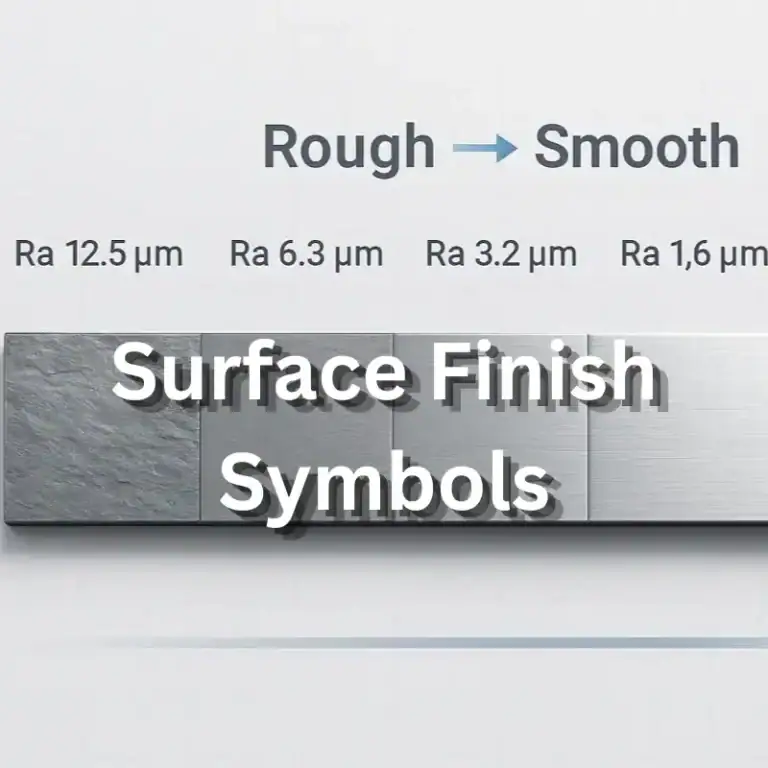
- Surface inspection: Check sealing and mating surfaces for scratches, burrs, and machining defects.
- Non-destructive testing: For pressure-bearing castings, forgings, and important structural components, surface or internal defect inspections should be arranged according to manufacturing processes and acceptance requirements.
Inspection methods should match component types and actual risks to ensure that critical areas meet quality requirements.
Prototype Validation and Batch Production
Prototype manufacturing can be used to evaluate machining feasibility, assembly relationships, and critical dimensions for newly designed components. Valves and pressure-bearing parts may also require pressure or sealing performance verification according to product requirements. During batch production, material specifications, machining references, and process parameters should remain consistent. Inspection records should also be maintained to reduce quality variations between production batches.
How to Choose a CNC Manufacturing Service Provider for Complex Oil and Gas Parts
When sourcing customized components, buyers should evaluate a supplier’s process knowledge and order coordination capabilities in addition to machining prices.
Evaluate Machining and Quality Control Capabilities
Suppliers should have the capabilities to manufacture complex structures and process different materials.
- Drawing analysis: The supplier should be able to identify critical tolerances, mating positions, material requirements, and specialized machining areas.
- Process planning: Machining setups, operation sequences, and post-processing procedures should be arranged according to component geometry.
- Material machining: The supplier should be capable of machining stainless steel, alloy steel, aluminum alloys, and suitable engineering materials according to project requirements.
- Quality inspection: Dimensional inspections and necessary non-destructive testing should be performed according to order requirements, with corresponding records provided.
Clear technical communication helps reduce machining deviations and unnecessary rework.
Confirm Quotation and Delivery Requirements
When requesting a quotation, provide complete drawings, material requirements, order quantities, tolerances, and surface treatment specifications. For components involving weld overlay, heat treatment, or specialized inspection, clarify the process scope and acceptance methods in advance. For orders containing multiple components, also confirm production schedules, protective packaging, and coordinated delivery arrangements to reduce procurement communication costs.
Manufacturing complex oil and gas components requires machining plans based on actual operating conditions, with material selection, precision cutting, specialized surface treatments, and quality inspection properly coordinated. Valve bodies, pump housings, flanges, and sealing components have different manufacturing priorities. Clear technical requirements and effective process control help improve assembly compatibility and operational reliability. TiRapid provides customized CNC machining services based on customer drawings, material specifications, and order requirements, supporting prototype development and batch production of complex oil and gas equipment parts.