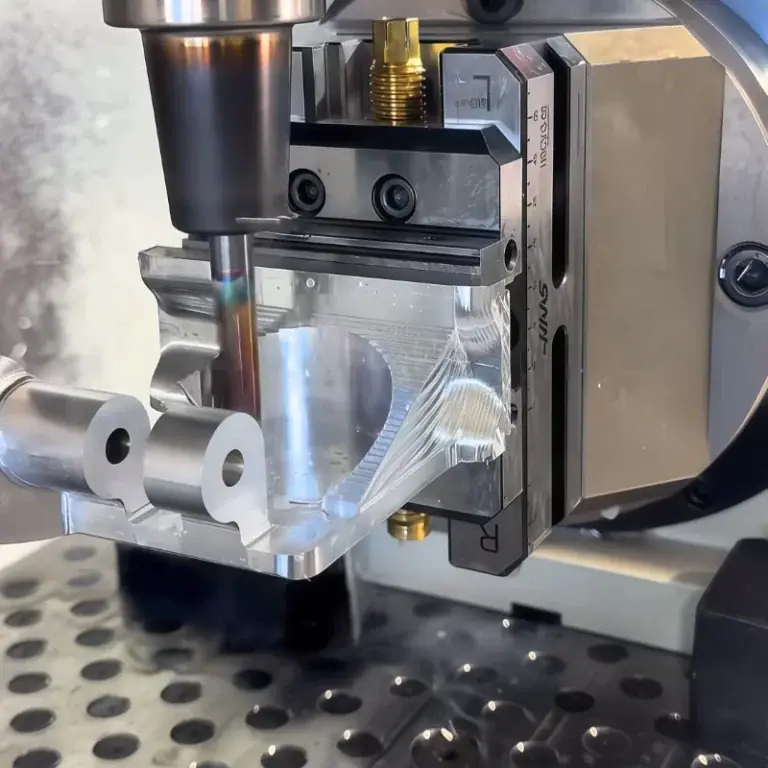
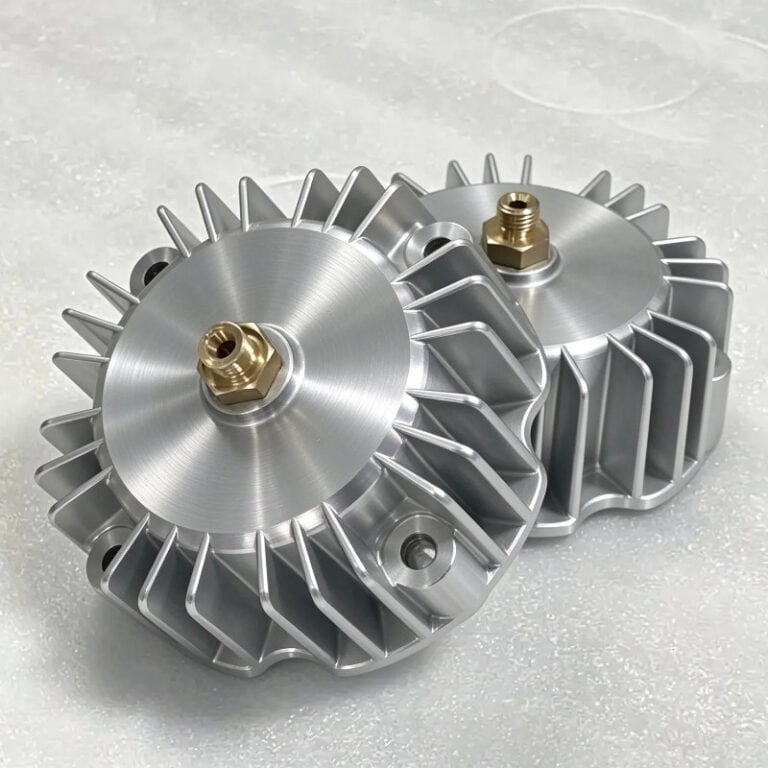
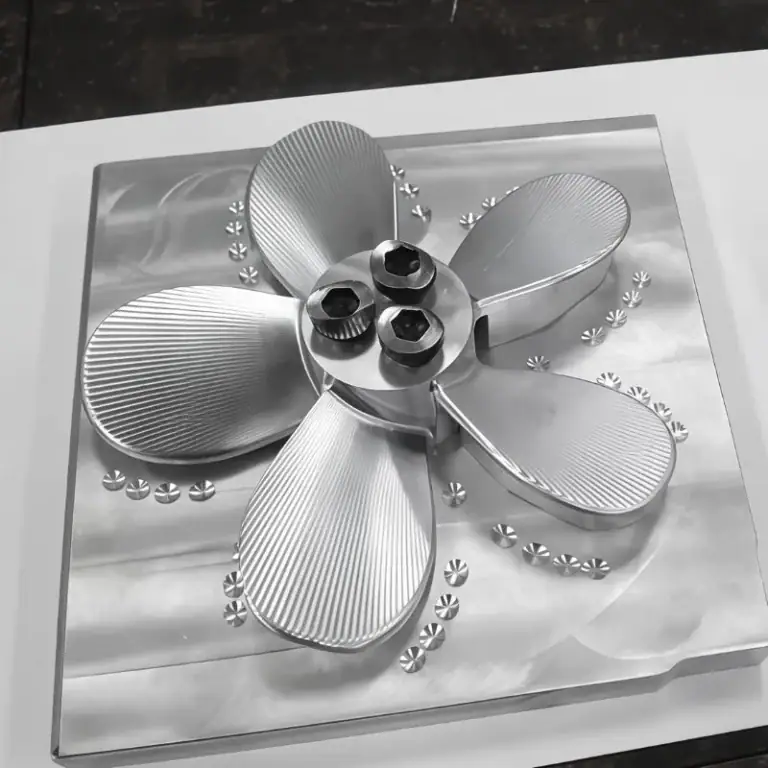
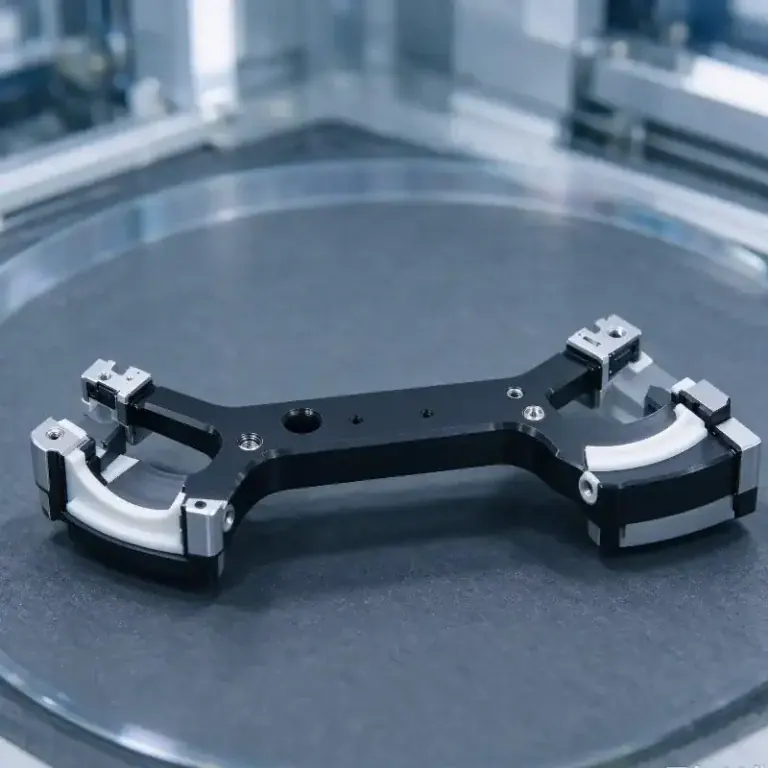
Aluminum is one of the most widely used materials in CNC turning because of its low weight, good machinability, corrosion resistance, and versatility. It is commonly used to manufacture precision shafts, sleeves, bushings, connectors, threaded components, and custom mechanical parts. For manufacturers looking for reliable aluminum CNC turning services, understanding material properties and machining requirements is important for achieving accurate dimensions and consistent product quality.
CNC turning uses computer-controlled cutting tools to remove material from a rotating aluminum workpiece. This process can produce cylindrical components with accurate diameters, grooves, threads, and other detailed features. With suitable equipment, tooling, and machining parameters, manufacturers can produce aluminum parts for prototypes, small production runs, and large-volume orders.
Why Choose Aluminum for CNC Turning?
Aluminum offers a combination of physical and mechanical properties that makes it suitable for many precision machining applications. Compared with heavier metals, it can reduce component weight while providing sufficient strength for numerous industrial products.
Main Advantages of Aluminum Turning
The advantages of aluminum make it a practical choice for components that require efficient machining and reliable performance. Its properties can also help manufacturers reduce production time and simplify part design.
- Lightweight construction: Aluminum has a relatively low density compared with steel and stainless steel. It is useful for automotive components, electronic housings, aerospace-related parts, and portable equipment where reducing overall weight is important.
- Good machinability: Many aluminum grades can be turned at relatively high cutting speeds. Their machining characteristics allow efficient material removal when suitable tools and cutting parameters are used.
- Corrosion resistance: Aluminum naturally forms a protective oxide layer when exposed to air. Certain grades and additional surface treatments can provide improved resistance to environmental exposure.
- Thermal conductivity: Aluminum transfers heat effectively, making it useful for components that need to dissipate heat, including electronic housings and thermal management parts.
- Design flexibility: Aluminum can be machined into different diameters, grooves, threads, shoulders, and other rotational features to meet custom engineering requirements.
These characteristics make aluminum CNC turning suitable for products that require a balance of weight, machinability, and functional performance. The final material choice should still match the component’s operating conditions and mechanical requirements.
Common Aluminum Grades for CNC Turning
Different aluminum alloys have different strengths, hardness levels, corrosion resistance, and machining characteristics. Selecting the correct grade helps ensure that the finished component performs as expected and can be manufactured efficiently.
Aluminum 6061
Aluminum 6061 is a widely used alloy for custom CNC turned parts. It provides a useful balance of strength, machinability, corrosion resistance, and availability.
Common applications include:
- Precision shafts and spacers: 6061 aluminum is suitable for many general mechanical components that require accurate external diameters and consistent dimensions.
- Industrial equipment fittings: Its machinability makes it a practical option for connectors, sleeves, brackets, and other equipment components.
- Electronic housings: Its lightweight properties and ability to receive surface treatments make it suitable for selected electronic and electrical products.
- Custom prototype parts: The combination of availability and machining performance makes 6061 a convenient material for prototype development and low-volume production.
For many general-purpose machining projects, 6061 offers a cost-effective material solution. It is particularly useful when the component does not require the higher strength of specialized aluminum alloys.
Aluminum 7075
Aluminum 7075 is known for its high strength and is commonly selected for applications where mechanical performance is a priority. It is used in demanding engineering applications, including selected aerospace-related and high-performance mechanical components.
Its common applications include:
- High-strength shafts: 7075 can be considered for components exposed to significant mechanical loads when its properties match the design requirements.
- Precision mechanical fittings: It can be used for specialized fittings and connectors that require a strong yet lightweight material.
- Performance equipment components: Its strength-to-weight characteristics make it suitable for selected sports, automotive, and industrial products.
- Structural mechanical parts: It can support lightweight designs where higher strength is needed than common general-purpose aluminum grades provide.
Although 7075 offers high strength, its corrosion resistance and welding characteristics differ from those of some other aluminum alloys. Engineers should evaluate the service environment and required finishing process before choosing this grade.
Aluminum 2024 and Other Alloys
Aluminum 2024 is another alloy used in engineering applications where strength and fatigue performance are important. However, it generally requires more attention to corrosion protection than some other aluminum grades.
Other alloys may be suitable for specialized requirements involving corrosion resistance, conductivity, or forming characteristics. The best selection depends on the part’s intended function, loading conditions, dimensional requirements, and budget. Discussing these specifications with a CNC machining supplier can help avoid material choices that create unnecessary production difficulties.
CNC Turning Process for Aluminum Components
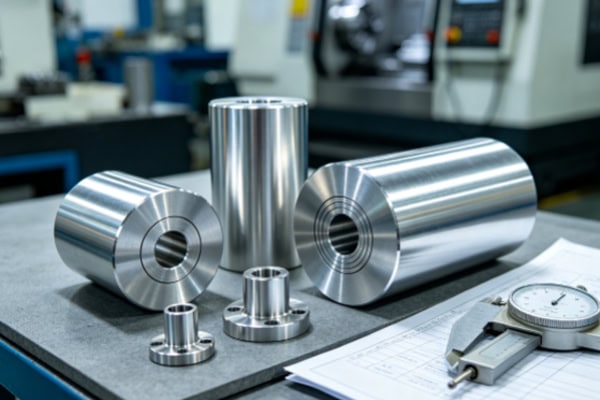
Producing accurate aluminum turned parts requires a suitable machining sequence. The process generally includes raw material preparation, workpiece clamping, rough turning, finishing, and dimensional inspection.
Raw Material Preparation and Clamping
Material preparation helps establish a stable starting point for machining. The selected aluminum bar or stock should have suitable dimensions and material specifications for the finished component.
Important preparation steps include:
- Verify material specifications: Confirm the alloy grade, material condition, and required documentation before machining. This helps prevent incorrect material substitutions.
- Select suitable stock dimensions: Choose a bar diameter that provides sufficient machining allowance without creating excessive material waste.
- Check workpiece condition: Inspect the stock for visible damage, deformation, or other conditions that may affect clamping and machining stability.
- Use appropriate workholding: Select a chuck, collet, or other fixture that holds the workpiece securely while avoiding excessive clamping pressure.
Proper preparation reduces setup problems and supports consistent machining. It is especially important for long shafts, small-diameter parts, and components with thin walls.
Rough Turning and Finishing
Rough turning removes most of the excess material, while finishing operations produce the final dimensions and surface quality. These stages require different cutting conditions and tooling strategies.
During production, manufacturers should consider:
- Roughing allowance: Leave a consistent amount of material for the finishing pass. This helps achieve more predictable dimensions and reduces the risk of removing too much material during rough machining.
- Cutting speed: Aluminum often supports relatively high cutting speeds, but the appropriate setting depends on alloy grade, tool material, machine capability, and part geometry.
- Feed rate: Select a feed rate that balances productivity with the required surface finish. Excessive feed can leave visible tool marks.
- Cutting tool selection: Sharp carbide tools with suitable geometry can help reduce built-up material on the cutting edge and improve machining stability.
- Chip removal: Aluminum chips should be cleared effectively to prevent chip accumulation, surface scratches, and interference with the cutting process.
A stable roughing and finishing strategy helps manufacturers maintain dimensional accuracy while controlling production time. The final settings should be verified through trial machining and inspection.
How to Improve Aluminum CNC Turning Accuracy
Dimensional accuracy is important for aluminum components used in assemblies, rotating equipment, and precision mechanical systems. Even small variations in diameter, length, or concentricity can affect the performance of mating components.
Control Tool Wear and Machine Stability
Although aluminum is generally easy to machine, poor tool condition or an unstable setup can still create dimensional problems. Manufacturers should monitor the machining process and maintain suitable equipment conditions.
Useful control measures include:
- Inspect cutting edges regularly: A worn or damaged insert can produce rough surfaces and inconsistent dimensions. Replace cutting tools when wear begins to affect machining quality.
- Reduce unnecessary vibration: Ensure that the workpiece is properly supported and that the toolholder is securely installed. Long and slender components may require additional support.
- Manage cutting temperature: Excessive heat can affect workpiece dimensions during machining. Appropriate cutting conditions and coolant delivery help maintain process stability.
- Check spindle and chuck condition: Spindle runout, chuck wear, or poor clamping can affect concentricity and repeatability.
- Use tool offset compensation: Controlled adjustments help correct predictable dimensional changes caused by tool wear and machining conditions.
These practices are particularly valuable when producing repeated batches of precision aluminum components. Consistent process monitoring helps reduce scrap and improves manufacturing reliability.
Apply Suitable Inspection Methods
Inspection confirms whether finished parts meet the engineering drawing. Different measuring instruments are used depending on the required tolerance and component geometry.
Common inspection methods include:
- Micrometer measurement: Used to check external diameters with higher precision than general-purpose calipers.
- Caliper measurement: Suitable for checking general dimensions such as overall length, step positions, and less demanding diameters.
- Bore measurement: Internal measuring instruments help verify hole diameters and identify dimensional variations.
- Surface roughness inspection: A roughness tester can measure specified surface texture when the component requires a controlled finish.
- CMM inspection: Coordinate measuring machines can evaluate complex dimensions and geometric relationships when suitable inspection programs are available.
Using calibrated instruments and consistent inspection procedures helps ensure that measurements are reliable. Critical dimensions should receive suitable inspection attention before parts are approved for delivery.
Surface Finishing Options for CNC Turned Aluminum Parts
Surface finishing can improve the appearance, corrosion resistance, wear performance, and functional characteristics of aluminum components. The appropriate treatment depends on the alloy, operating environment, and product requirements.
Common Aluminum Surface Treatments
Different surface treatments provide different results. Buyers should select a process based on the actual use of the finished component rather than appearance alone.
- Anodizing: Anodizing creates a controlled oxide layer on the aluminum surface. It can improve corrosion resistance and surface durability while providing options for different colors.
- Sandblasting: This process produces a more uniform matte appearance and can help prepare the surface for subsequent finishing.
- Polishing: Mechanical polishing improves surface smoothness and appearance. It may be selected for decorative components or surfaces requiring a smoother finish.
- Brushing: Brushing creates a directional surface texture that is often used for visible aluminum components.
- Chemical conversion coating: Certain conversion treatments provide corrosion protection and can serve as a preparation layer for painting or other coatings.
Each treatment has specific process requirements. The selected method should be compatible with the aluminum alloy and should not interfere with critical dimensions or assembly features.
Consider Dimensional Changes After Finishing
Surface treatments may affect the final dimensions of a machined component. Anodizing, for instance, forms an oxide layer that changes the surface dimensions. The amount of dimensional change depends on the process specification and coating thickness.
For precision components, finishing requirements should be discussed during the design stage. Manufacturers can then account for coating thickness when planning machining allowances and final tolerances. This helps prevent fit problems after treatment.
Choosing an Aluminum CNC Turning Service
Selecting a suitable CNC turning supplier is important for achieving consistent quality, competitive pricing, and reliable delivery. Buyers should review manufacturing capabilities and quality procedures before confirming an order.

What to Evaluate Before Ordering
A supplier should be able to understand the technical requirements and provide a realistic manufacturing plan. The following points can help buyers evaluate a potential machining partner.
- Material experience: Confirm that the supplier has experience machining the required aluminum alloy and understands its cutting characteristics.
- Equipment capability: Review available CNC lathes, machining capacity, workholding options, and the ability to manufacture the required part dimensions.
- Tolerance control: Ask how critical dimensions are measured and whether inspection reports can be provided when required.
- Surface finishing support: Confirm whether the supplier can coordinate anodizing, polishing, sandblasting, or other specified treatments.
- Production flexibility: Check whether the supplier can support prototypes, small batches, and repeat production orders.
- Quotation details: Provide complete drawings, material grades, quantities, tolerances, surface finish requirements, and delivery expectations to obtain an accurate quotation.
A detailed technical discussion before production can help identify potential manufacturing issues and improve cost estimates. Buyers should also evaluate communication quality and the supplier’s ability to handle design changes.
Aluminum CNC turning is a practical manufacturing solution for producing lightweight, accurate, and versatile mechanical components. Selecting the right alloy, preparing the workpiece correctly, optimizing cutting conditions, controlling dimensions, and applying suitable surface treatments all contribute to reliable production results.
For businesses sourcing custom aluminum CNC turned parts, working with an experienced machining supplier can help improve manufacturability and maintain consistent quality. Clear technical specifications and appropriate inspection requirements also make it easier to balance precision, production efficiency, and manufacturing costs.