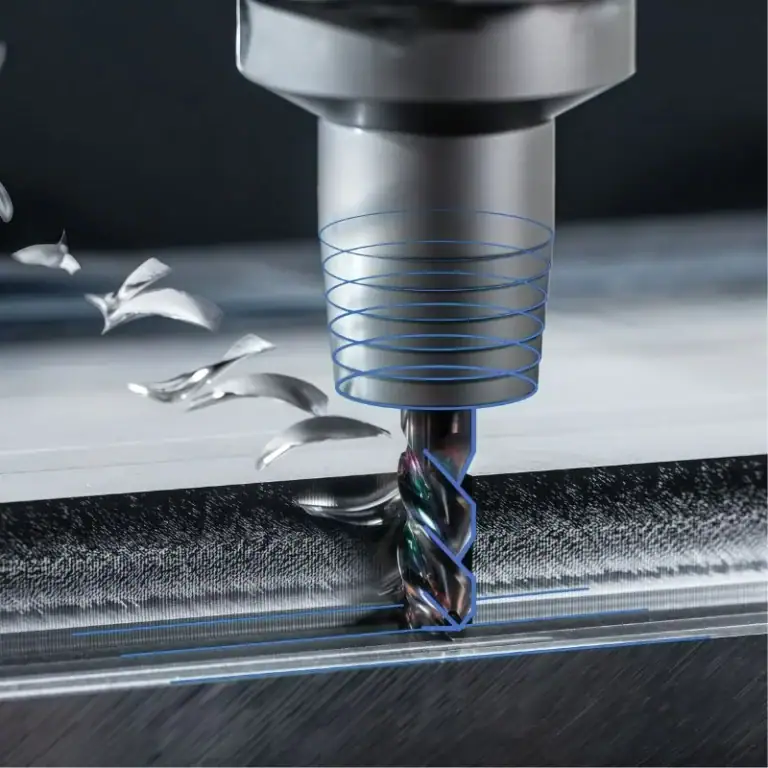
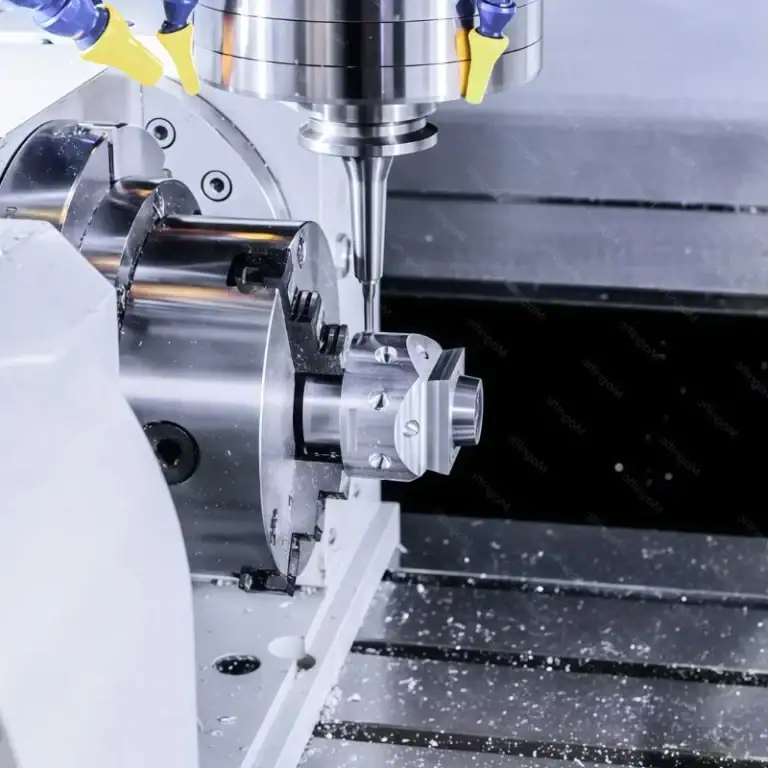
As modern manufacturing continues to evolve towards higher precision and multi-material compatibility, the compatibility of machining technology with materials has become a crucial standard for evaluating its overall performance. CNC milling, as a core process in numerical control machining systems, uses computer programs to control the tool’s movement trajectory, achieving stable cutting and high-precision forming of various materials. In professional CNC machining services, this technology not only covers traditional metal processing but also extends to engineering plastics, composite materials, and high-performance alloys, giving it wide application value in aerospace, medical devices, automotive manufacturing, and the electronics industry.
Aluminum and Aluminum Alloys
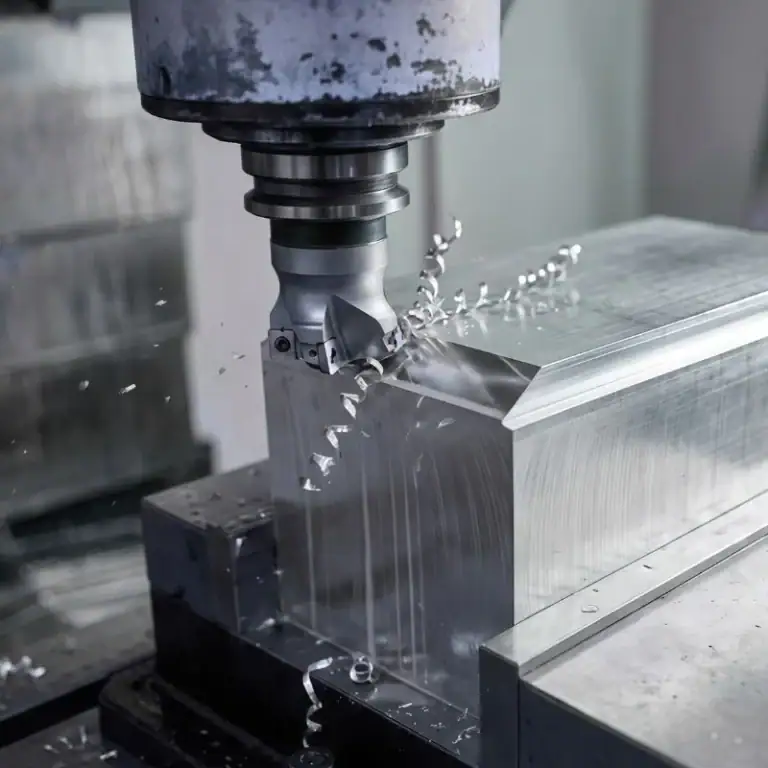
Aluminum and aluminum alloys are the most common and easiest materials to machine in CNC milling.
- Material Properties: Low density, good thermal conductivity, low cutting resistance, and less prone to excessive tool load during machining.
- Machining Performance: Suitable for high-speed cutting, easy to control surface quality, and high machining efficiency.
- Application Areas: Aerospace structural components, electronic casings, automotive parts, heat dissipation structural components.
The excellent overall machining performance makes aluminum alloys a representative material for high-efficiency CNC machining.
Stainless Steel
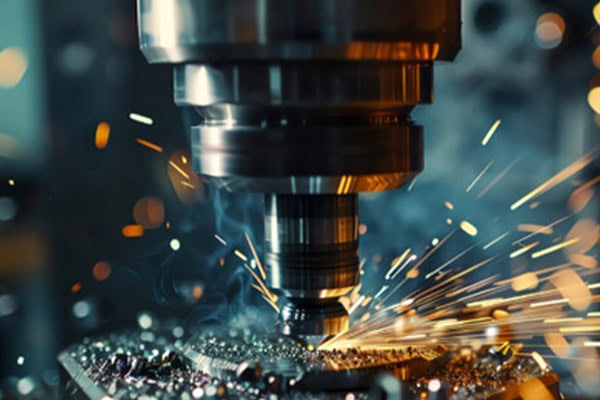
Stainless steel is a medium-to-high-difficulty but extremely widely used metal processing material.
- Material Properties: High hardness, strong toughness, poor thermal conductivity, easily generates processing heat.
- Machining Challenges: Rapid tool wear, high cutting temperature, requires a stable cooling system.
- Application Areas: Medical devices, food processing equipment, industrial structural components, machine housings.
Stable process control is the key foundation for achieving high-quality machining of stainless steel.
Carbon Steel and Alloy Steel Materials
Carbon steel and alloy steel are the most basic and widely used material categories in machinery manufacturing.
- Material Properties: High strength, good rigidity, but different grades of steel have significantly different machinability.
- Machining Characteristics: High cutting resistance, requiring appropriate selection of tools and feed parameters.
- Application Areas: Mechanical parts, mold structural components, transmission components, industrial equipment.
Proper process matching can significantly improve the efficiency and stability of steel machining.
Titanium Alloy Materials
Titanium alloys are typical high-performance, difficult-to-machine metal materials.
- Material Properties: High strength, light weight, strong corrosion resistance, but poor thermal conductivity.
- Machining Challenges: Prone to high temperature accumulation and rapid tool wear, requiring high-end equipment.
- Application Areas: Aerospace parts, medical implants, high-end sports equipment.
Precision machining control is an important prerequisite for successful machining of titanium alloys.
Copper and Copper Alloys
Copper and copper alloys are widely used in conductive and thermally conductive parts.
- Material Properties:Excellent electrical and thermal conductivity, but relatively soft and easily deformed.
- Machining Characteristics: Prone to tool sticking, requiring proper tool coating and cutting speed control.
- Application Areas: Electronic connectors, electrical components, heat dissipation assemblies, precision conductor structures.
Refined parameter control can effectively improve the machining quality of copper parts.
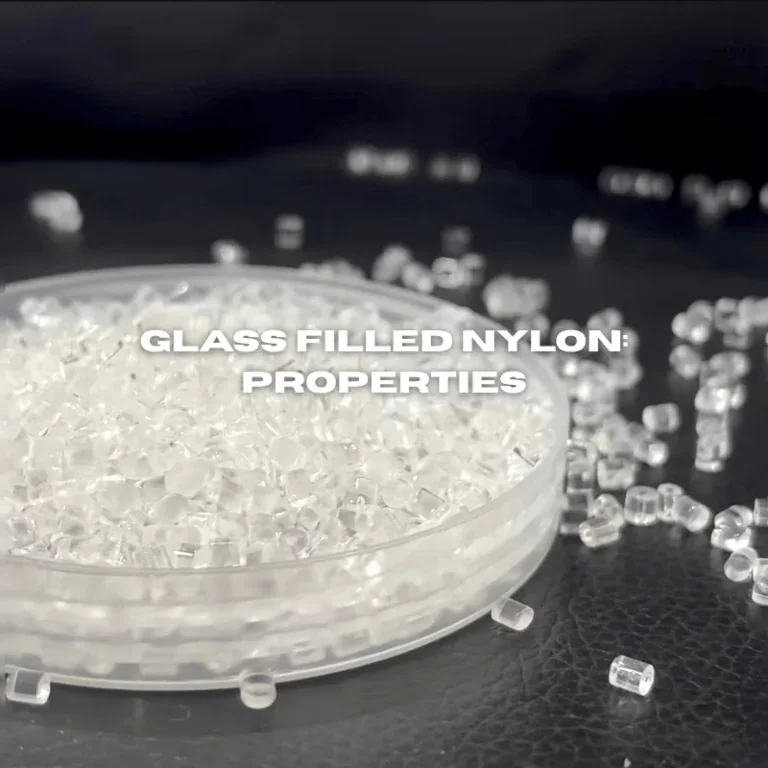
Engineering Plastics
Engineering plastics are important non-metallic machining objects in CNC milling.
- Common Materials: ABS, PC, Nylon, PEEK, etc.
- Material Properties: Lightweight and easy to mold, but easily softened or deformed by heat.
- Machining Requirements: Cutting temperature and feed rate must be controlled to avoid melting and burrs.
A stable low-heat processing strategy is crucial for the molding of plastic parts.
Composite Materials
Composite materials represent a special processing direction in high-end manufacturing.
- Material Types: Carbon fiber composites, glass fiber reinforced materials, etc.
- Material Characteristics: High strength and lightweight, but significant anisotropy, making processing difficult.
- Processing Risks: Prone to delamination, burrs, or edge damage.
High-precision cutting tools and process control are the core requirements for composite material processing.
Advantages of CNC Milling
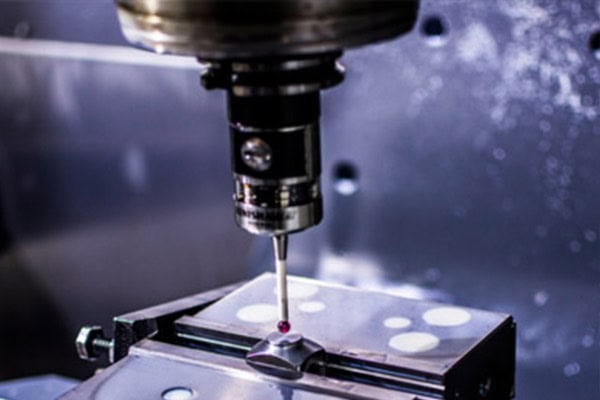
CNC milling possesses comprehensive and systematic advantages in modern manufacturing systems.
(1) High-precision control capability
Precise control of the tool path through the CNC system enables machining effects at the micron level or even higher, meeting the requirements of precision parts.
(2) Strong machining consistency
Programmed machining reduces human error, resulting in higher dimensional stability of parts in the same batch, suitable for large-scale production.
(3) High degree of automation
Continuous machining and unattended operation are possible, improving equipment utilization and reducing reliance on manual labor.
(4) Strong capability for machining complex structures
It can complete curved surfaces, irregular structures, and multi-process integrated machining that are difficult to achieve with traditional machining methods.
(5) Wide range of material adaptability
It can process a variety of materials such as aluminum alloys, stainless steel, titanium alloys, copper, engineering plastics, and composite materials.
(6) Significantly improved production efficiency
Through path optimization and high-speed cutting technology, the machining cycle of a single piece can be significantly shortened.
(7) High process repeatability
The same program can be reused stably for a long time, facilitating standardized production and process solidification.
These advantages together constitute the core competitiveness of CNC milling in modern manufacturing, making it one of the mainstream technologies for precision machining.
The Impact of CNC Milling
CNC milling has had a profound impact on the structure and development of modern manufacturing.
(1) Promoting the Development of Manufacturing Towards Precision
Overall improvement in machining accuracy, making the manufacturing of high-end parts and complex structures commonplace.
(2) Accelerating Industrial Automation Upgrades
Reducing reliance on human experience, making production processes more standardized and controllable.
(3) Shortening Product Development Cycles
Significantly reducing the time from design to prototype manufacturing, accelerating product iteration.
(4) Facilitating the Realization of Complex Designs
Enabling engineering design to be no longer limited by traditional machining, promoting structural innovation and lightweight design development.
(5) Enhancing Global Manufacturing Competitiveness
High-efficiency and high-consistency machining capabilities improve the overall production level of enterprises.
(6) Driving the Development of Upstream and Downstream Industries
Simultaneous upgrading of the tooling, CNC system, materials, and automation equipment industries.
(7) Enhancing Customized Production Capabilities
Supporting the rapid realization of small-batch, multi-variety, and highly complex orders. These impacts make CNC milling not only a machining technology but also an important foundational force driving the upgrading of modern manufacturing systems.
Conclusion
CNC milling, with its strong material adaptability and stable machining performance, occupies an important position in modern manufacturing systems. From conventional aluminum alloys to high-strength titanium alloys, from engineering plastics to composite materials, various materials can be machined to a high standard through appropriate processes. At the same time, the high precision, high efficiency, and strong consistency advantages of CNC milling are continuously driving the manufacturing industry towards automation and precision. It not only improves industrial production efficiency but also expands the boundaries of product design, enabling the realization of more complex structures. In future manufacturing systems, this technology will continue to expand its application scope, providing more stable and efficient technical support for high-end manufacturing.