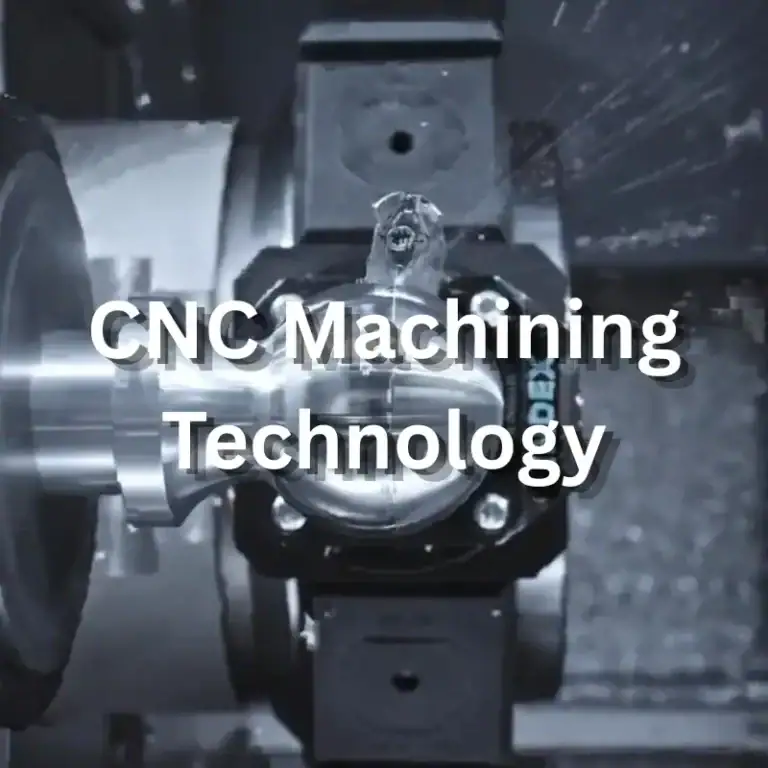
Industrial automation equipment relies on precision components to perform transmission, positioning, clamping, and control functions. Different equipment types have varying load conditions, operating frequencies, and assembly requirements, which place different demands on material properties, dimensional accuracy, and structural stability. Machining deviations can cause assembly difficulties, transmission issues, or inaccurate positioning, affecting overall equipment performance. Developing an effective manufacturing solution requires considering component applications, structural characteristics, and technical specifications to plan material selection, machining processes, and quality inspection.
Common Industrial Automation Parts and Their Manufacturing Requirements
Industrial automation equipment consists of different functional modules, and each component has specific structural and manufacturing requirements.
Common Types of Components
Depending on equipment structure and operating methods, commonly machined components include:
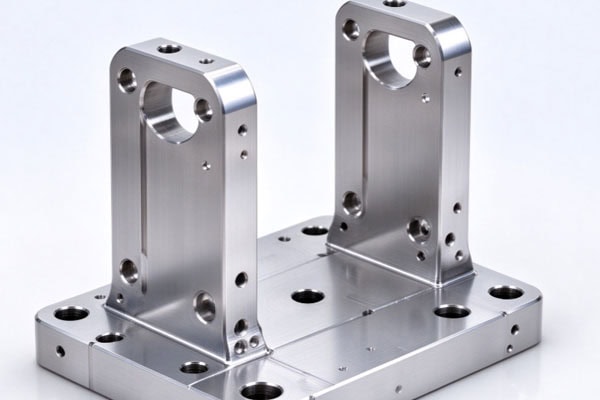
- Equipment brackets and mounting bases: Used to secure motors, guide rails, and functional modules. They require sufficient structural rigidity.
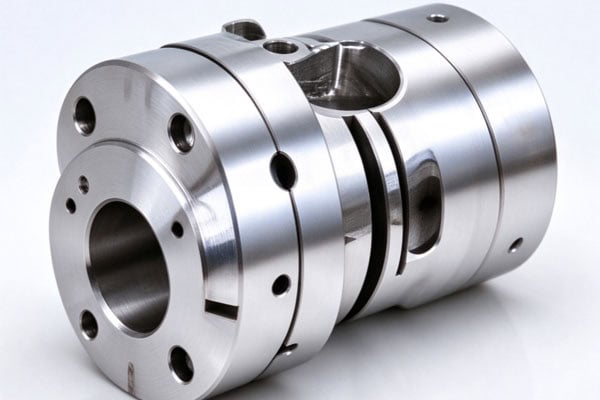
- Transmission and connecting components: Include drive shafts, coupling components, and connectors. Dimensional fits and surface quality need to be controlled.
- Fixtures and positioning components: Used to secure workpieces and restrict movement. They require reliable positioning accuracy and wear resistance.
- Equipment housings and protective components: Used to protect internal structures and meet installation space and operating environment requirements.
Clearly defining component functions helps determine material specifications, machining methods, and accuracy requirements.
Key Manufacturing Challenges
Industrial automation parts often need to fit with guide rails, bearings, and fasteners. The following issues require attention during manufacturing:
- Assembly deviations: Control hole positions, spacing, and fit tolerances to reduce installation errors.
- Machining deformation: Thin-wall and long components require appropriate clamping force and cutting sequences.
- Wear resistance: Materials and surface treatments should be selected according to the operating conditions of components subject to frequent contact or continuous movement.
- Geometric accuracy: Control parallelism, perpendicularity, concentricity, and runout to prevent binding after assembly.
Defining these requirements in advance helps reduce rework and equipment commissioning issues.
How to Select Manufacturing Processes for Industrial Automation Parts?
The machining route should be determined according to component geometry, material, and accuracy requirements. Complex parts may require a combination of different machining methods.
Select Machining Methods Based on Component Geometry
Different processes are suitable for different component features. The final selection should follow the engineering drawing requirements.
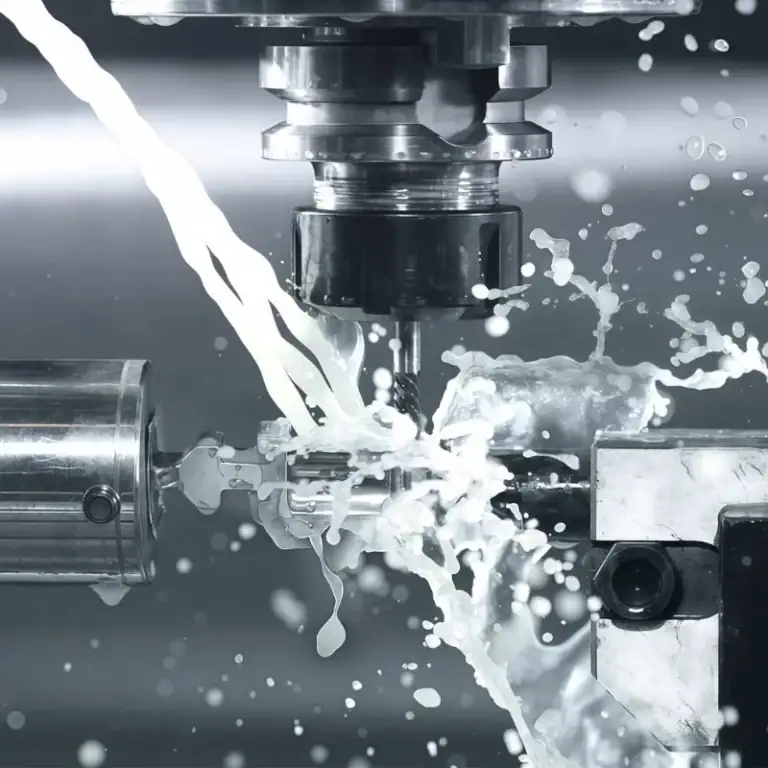
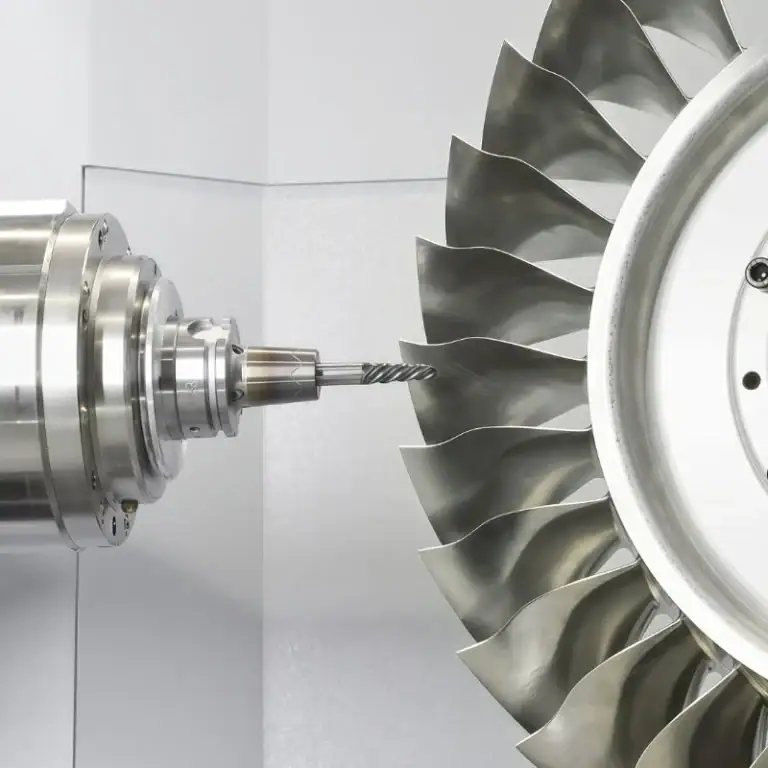
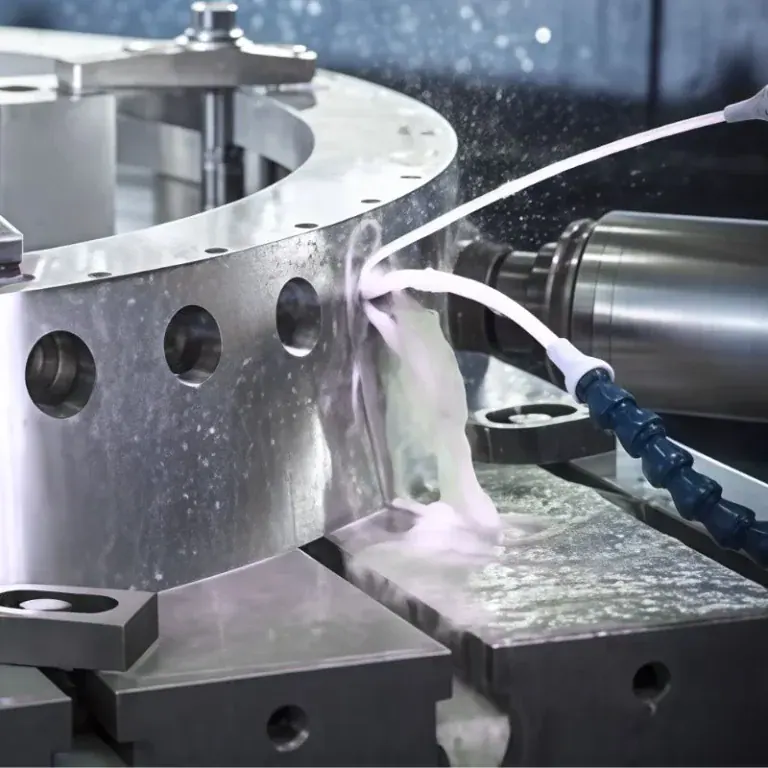
- CNC milling and turning: Suitable for brackets, bases, complex contours, and rotational components such as shafts and sleeves.
- Drilling and tapping: Used to machine mounting holes, connecting holes, and threaded features.
- Wire EDM and sinker EDM: Suitable for specific precision contours, narrow slots, and local features that are difficult to machine directly by milling.
- Grinding: Bearing fits, precision pin holes, and high-accuracy surfaces may require cylindrical, internal, or surface grinding according to tolerance requirements.
- Multi-face machining: Plan the clamping sequence properly to reduce repeated positioning errors.
Machining methods should be selected according to component geometry and equipment capabilities. Different processes can be combined when necessary.
Select Materials According to Application Requirements
Material selection affects component strength, weight, wear resistance, and dimensional stability. Common options include:
| Component Application | Common Materials | Key Considerations |
| Equipment mounting brackets | Aluminum alloys, carbon steel | Rigidity, weight |
| Transmission shafts and connectors | 40Cr, alloy steel, stainless steel | Strength, wear resistance |
| Precision positioning components | GCr15, Cr12MoV, SKD11, aluminum alloys | Hardness, dimensional stability |
| Equipment protective housings | Aluminum alloys, stainless steel, carbon steel | Strength, operating environment |
| Insulating auxiliary components | POM, PA, PTFE, PEEK | Electrical insulation, temperature resistance |
Materials should be selected according to actual loads and operating environments. Aluminum alloys are suitable for lightweight structures, but their relatively high thermal expansion requires consideration of temperature-related dimensional changes in precision positioning applications. Tool steels or bearing steels with appropriate heat treatment may be considered for highly wear-resistant positioning components.
How to Arrange Heat Treatment and Surface Treatment?
Some components require heat treatment and surface treatment to improve their performance. The specific processes should be selected according to material properties and application requirements.
- Stress-relief treatment: Aluminum alloy parts with substantial material removal, welded components, and alloy steel parts may require stress relief depending on deformation risks.
- Strengthening heat treatment: Transmission shafts and positioning pins may undergo quenching and tempering, quenching, or carburizing according to strength and wear resistance requirements.
- Aluminum alloy treatment: Standard anodizing or hard anodizing can be selected according to corrosion protection and wear resistance requirements.
- Steel treatment: Black oxide, nickel plating, hard chrome plating, or coating can be selected according to the operating environment.
- Stainless steel treatment: Passivation, sandblasting, or polishing can be used to meet corrosion protection and appearance requirements.
Heat treatment and surface treatment may affect final dimensions. Machining allowances for precision mating areas should be determined in advance.
How to Control the Machining Quality of Industrial Automation Parts?
Quality inspection should correspond to component functions and drawing requirements, with particular attention to dimensions, geometric accuracy, and surface conditions.
Key Inspection Items
Inspection requirements should be established according to different component features:
- Dimensional inspection: Check overall dimensions, hole diameters, slot widths, and component thickness.
- Geometric tolerance inspection: Check concentricity, parallelism, perpendicularity, and total runout.
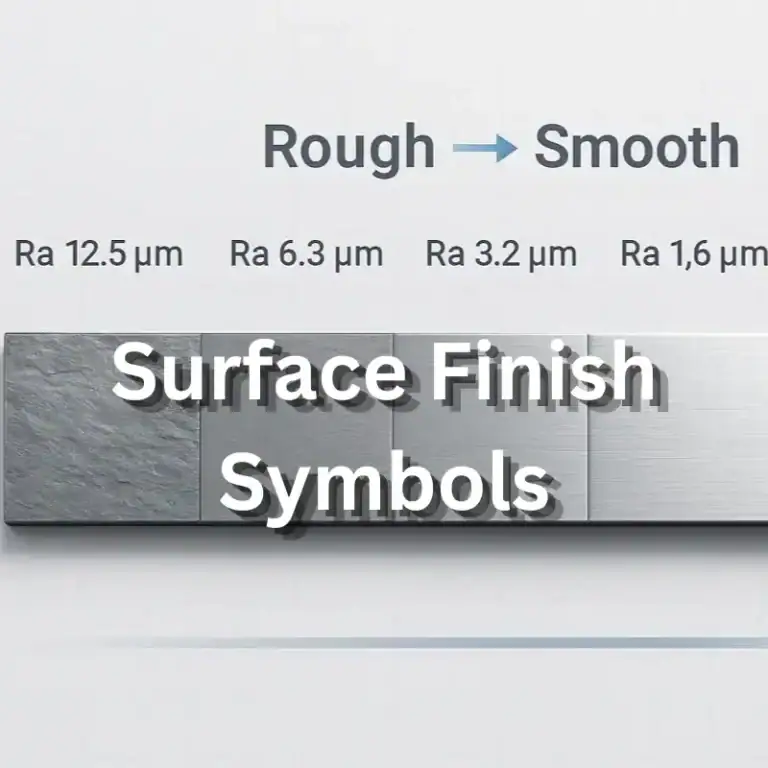
- Surface inspection: Check burrs, scratches, surface roughness, and surface treatment conditions.
Bearing mounting positions, guide rail mounting surfaces, and precision locating holes require particular attention to prevent local deviations from affecting equipment assembly.
Prototype and Batch Production Control
Newly developed components can undergo prototype machining to verify critical dimensions and assembly performance. After prototype approval, material conditions, heat treatment requirements, machining datums, and inspection standards should be established. Consistent process parameters and inspection requirements during batch production help reduce dimensional variations between batches.
What Should Buyers Consider When Purchasing Industrial Automation Parts?
Clearly defining technical documents, machining requirements, and acceptance standards before purchasing helps suppliers accurately evaluate process complexity and production costs.
Prepare Technical Documents in Advance
The following information should be provided when requesting a quotation:
- 2D engineering drawings: Specify basic dimensions, dimensional tolerances, geometric tolerances, and surface roughness.
- 3D models: Help clarify complex structures, machining positions, and assembly relationships.
- Material and process requirements: Specify material grades, heat treatment, and surface treatment methods.
- Order information: Provide prototype quantities, batch requirements, and delivery schedules.
For precision mating components, key indicators such as concentricity, parallelism, perpendicularity, and total runout should be clearly specified.
Evaluate the Supplier’s Manufacturing Capabilities
Buyers should confirm whether the supplier can perform complex milling, turning, grinding, and specialized EDM processes. They should also evaluate the supplier’s heat treatment arrangements, surface treatment coordination, and dimensional inspection capabilities. For critical components, tolerance requirements and acceptance standards should be agreed upon in advance to reduce assembly risks after delivery.
Industrial automation parts manufacturing requires an appropriate machining route based on equipment operating requirements, combining material properties, machining accuracy, heat treatment, and surface treatment. For precision transmission and positioning components, dimensional and geometric tolerances directly affect assembly performance and operational stability. TiRapid provides customized CNC machining services based on customer drawings, materials, and order requirements, supporting prototype development and batch manufacturing of industrial automation components.