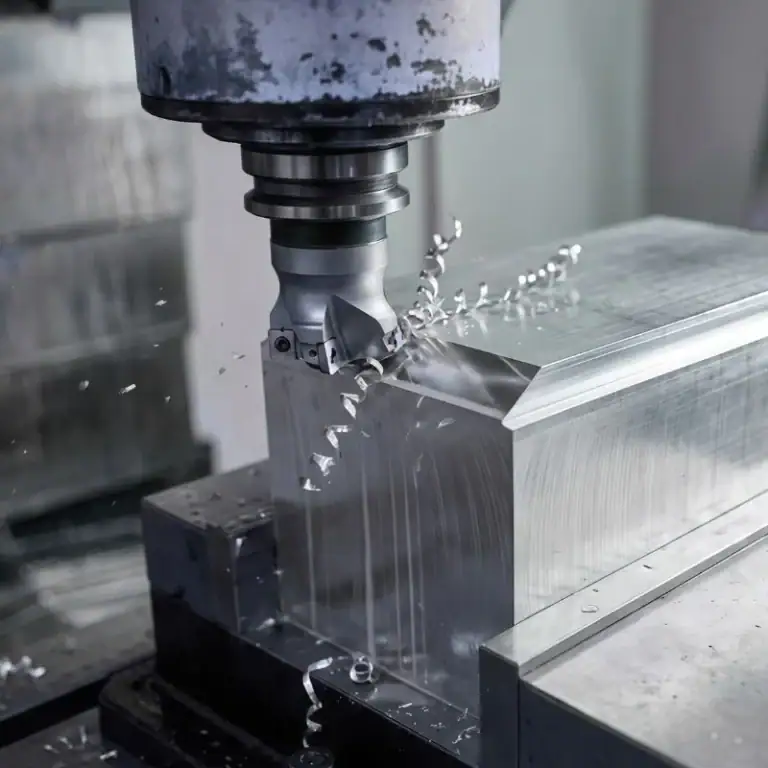
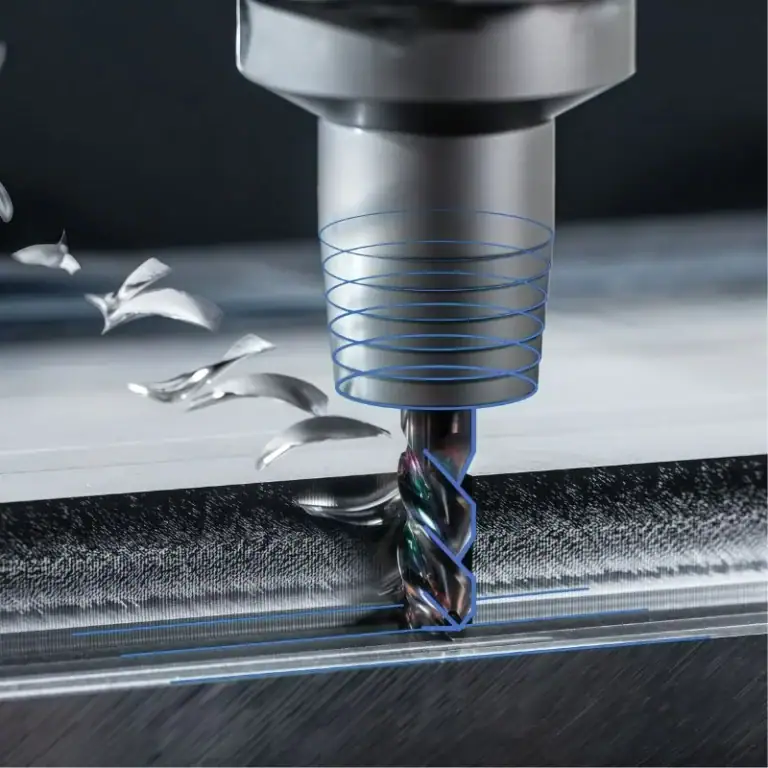
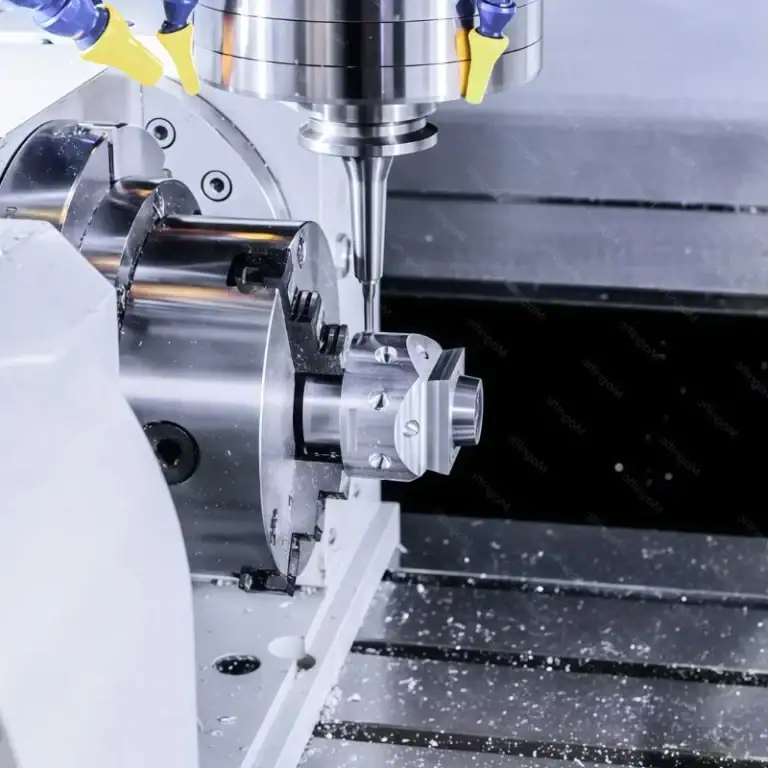
Dimensional instability during turning is a common quality issue, especially in batch production, precision component machining, and long-duration continuous machining. Fluctuating workpiece dimensions directly affect assembly accuracy and increase scrap rates. This issue is usually related to machine condition, tool wear, cutting parameters, clamping method, and thermal deformation. When these factors are not well controlled, machining results become inconsistent. Improving dimensional stability requires systematic adjustment of key influencing factors throughout the machining process.
Machine Tool and Structural Stability Effects on Dimensions
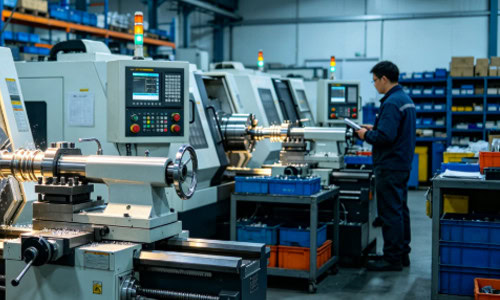
Machine rigidity and operating condition directly affect machining accuracy. If the equipment has clearance, wear, or instability, dimensional deviation becomes more likely. Over long-term use, guideways, lead screws, and spindle systems may develop wear, which becomes significant in precision machining and affects final dimensional consistency.
Insufficient Machine Rigidity Causing Vibration
When machine rigidity is insufficient, micro-vibration occurs during cutting, which directly affects tool trajectory.
Common symptoms include:
- Fluctuating machining dimensions
- Surface vibration marks
- Poor roundness stability
- Increased batch variation
This is especially noticeable in long shaft machining.
Guideway and Lead Screw Clearance Issues
Wear in guideways or excessive lead screw clearance leads to unstable tool positioning.
This may result in:
- Uneven feed motion
- Repeated dimensional errors
- Toolpath deviation
- Reduced machining consistency
This is more common when the machine is not properly maintained.
Tool Condition Effects on Dimensional Stability
Tool condition is one of the key factors affecting turning dimensions. As machining time increases, tool wear gradually worsens, changing cutting forces and actual machining results. The more unstable the tool condition, the larger the variation between batch parts.
Tool Wear Causing Dimensional Changes
After tool wear occurs, the cutting edge becomes dull, cutting resistance increases, and dimensional deviation becomes more likely.
Common situations include:
- Outer diameter becomes larger or smaller
- Uneven machined surfaces
- Gradual dimensional drift
- Reduced batch consistency
This effect becomes more obvious during long machining cycles.
Unstable Tool Installation
Loose tool mounting or insufficient tool holder rigidity can also cause dimensional fluctuation.
This may lead to:
- Slight tool deviation
- Changing cutting depth
- Unstable toolpath
- Repeated dimensional errors
This is especially noticeable with long and slender tools.
Improper Tool Compensation Settings
Incorrect tool offset settings in CNC machining can also cause dimensional errors.
Possible issues include:
- Different dimensions between batches
- Instability after correction
- Accumulated error increase
- Uncontrolled precision
Tool compensation must be adjusted according to actual wear conditions.
Cutting Parameter Effects on Dimensional Stability
Improper cutting parameter settings directly affect cutting conditions, leading to dimensional instability. Different materials respond differently to speed, feed rate, and depth of cut. If parameters do not match the material, fluctuations in machining results are likely.
Cutting Speed Fluctuation Affecting Stability
Excessively high or unstable cutting speed can cause thermal deformation and changes in cutting force.
This may result in:
- Irregular dimensional changes
- Surface quality variation
- Faster tool wear
- Interrupted machining stability
Different materials require different speed ranges.
Improper Feed Rate
Too high or too low feed rate affects dimensional control.
For example:
- Excessive feed causes cutting force fluctuation
- Low feed leads to friction-based machining
- Difficulty maintaining dimensional accuracy
- Poor surface consistency
Stable feed rate is essential for accuracy.
Cutting Depth Variation
Unstable cutting depth directly affects machining dimensions.
This may lead to:
- Inconsistent machining allowance
- Obvious dimensional fluctuation
- Uneven tool loading
- Surface quality degradation
This is especially critical during rough-to-finish transitions.
Workpiece Clamping Effects on Dimensional Accuracy
Unstable or improper clamping causes workpiece movement during machining, leading to dimensional variation. If the clamping system cannot maintain stability, cutting forces may shift the workpiece position slightly, which directly affects precision machining results.
Insufficient Clamping Force
When clamping force is insufficient, the workpiece may move under cutting force.
Possible issues include:
- Dimensional deviation
- Poor concentricity
- Workpiece displacement
- Increased batch variation
This is more obvious in long workpiece machining.
Clamping Deformation Issues
Excessive clamping force may also deform the workpiece.
This may result in:
- Spring-back after release
- Roundness errors
- Straightness deviation
- Unstable precision
Thin-walled parts are especially sensitive.
Unstable Positioning Reference
If the locating surface is inconsistent, machining references change.
This leads to:
- Different dimensions each setup
- Poor batch consistency
- Difficult correction
- Significant precision fluctuation
Stable datum setup reduces errors.
Thermal Deformation Effects on Dimensional Stability
Heat generated during machining causes slight deformation of both workpiece and machine structure, affecting final dimensions. Heat sources include cutting friction, spindle operation, and uneven cooling, which accumulate during continuous machining.
Workpiece Thermal Expansion
Temperature rise during machining causes workpiece expansion.
This may result in:
- Larger machining dimensions
- Dimension change after cooling
- Significant batch variation
- Reduced accuracy stability
This is more obvious during long continuous machining.
Spindle and Tool Thermal Drift
After long machine operation, spindle and tool holder may experience thermal deformation.
This may lead to:
- Tool position deviation
- Gradual dimensional drift
- Repeated machining errors
- Reduced accuracy
Proper warm-up reduces this effect.
Uneven Cooling Causing Deformation
Uneven cooling creates temperature differences that affect dimensional stability.
Possible issues include:
- Local dimensional variation
- Inconsistent surface condition
- Toolpath deviation
- Accuracy fluctuation
Uniform cooling improves machining stability.
Methods to Improve Turning Dimensional Stability
Dimensional instability is usually caused by multiple interacting factors rather than a single issue. Maintaining stable machine condition, sharp tools, proper parameters, and reliable clamping can significantly improve dimensional consistency. In batch production, establishing fixed machining parameters and regularly monitoring tool wear helps maintain long-term stable machining quality.