Automation equipment relies on precision components for movement, positioning, assembly, and control. Inaccurate mounting surfaces, poorly fitted pins, or inconsistent shaft dimensions can affect equipment alignment and operating stability. For manufacturers, a reliable parts solution requires suitable materials, machining processes, dimensional control, and surface treatment. Defining these requirements before production helps reduce rework, control costs, and maintain consistent quality from prototype development to batch manufacturing.
What Parts Are Commonly Used in Automation Equipment?
Automation systems contain structural, transmission, positioning, and protective components. Each type has different manufacturing requirements.
Structural and Mounting Components
These parts support equipment modules and provide accurate installation references.
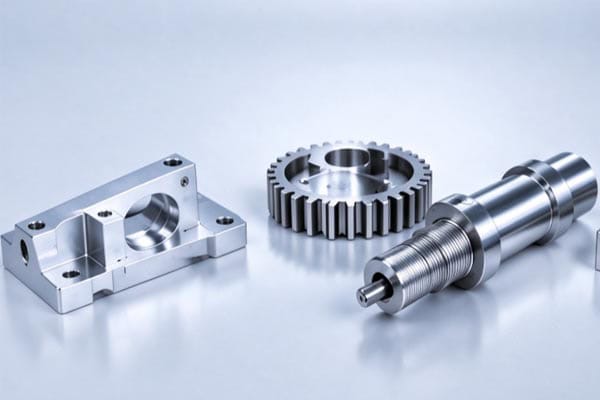
- Mounting plates and bases: Support motors, guide rails, and sensors. Flatness and hole positions affect installation accuracy.
- Guide rail mounting bases: Provide rail installation surfaces and reference shoulders. Their alignment requires careful control.
- Adapter plates and brackets: Connect mechanical modules. Their mounting dimensions must match the assembly design.
Accurate mounting features help maintain the alignment of connected components.
Transmission and Positioning Components
These parts transfer movement or establish repeatable positioning.
- Shafts and couplings: Transfer rotational motion. Diameter tolerances and runout affect operating stability.
- Locating pins: Usually made from hardened tool steel or bearing steel for wear resistance and positioning accuracy.
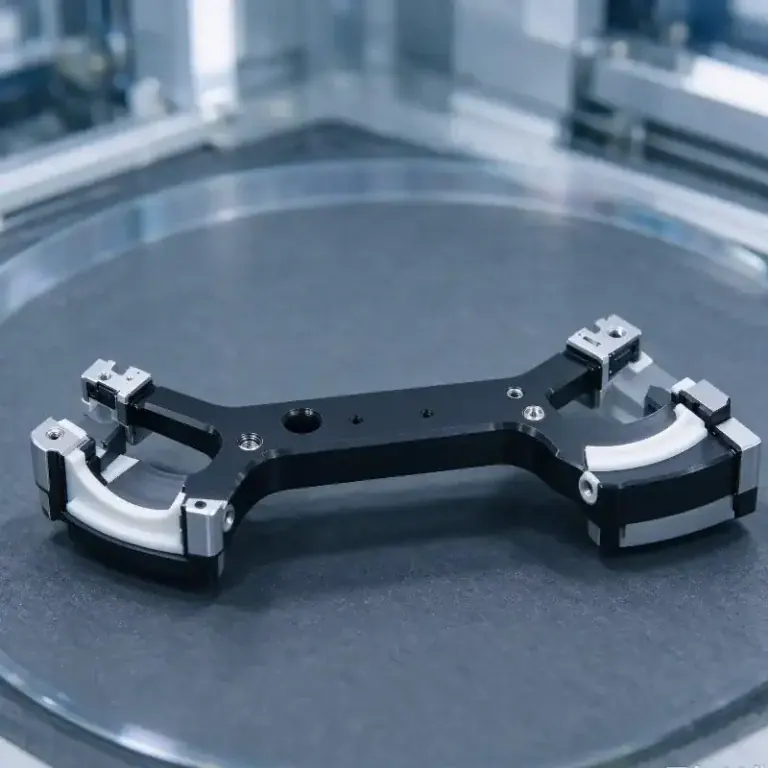
- Fixture bodies and bases: Hold workpieces or equipment modules. Aluminum alloys are suitable for many lightweight structures, while steel can be used for higher-load applications.
Material selection should reflect the function and contact conditions of each component.
Protective and Auxiliary Components
Protective parts often use manufacturing methods other than CNC machining.
- Sheet metal covers: Commonly made through laser cutting, bending, and surface finishing.
- Transparent panels: Acrylic (PMMA) and polycarbonate (PC) allow operators to observe internal equipment.
- Insulating components: PEEK, FR4/G10, and phenolic resin can be used according to load, temperature, and insulation requirements.
The manufacturing method should match the structure and intended use of each part.
How Should Materials and Machining Processes Be Selected?
Material and process choices influence component strength, weight, wear resistance, and production costs. They should be based on actual operating conditions.
Match Materials to Component Requirements
Different automation parts require different material properties. The following table provides common options for manufacturing evaluation.
| Part Type | Possible Material Options | Main Selection Considerations |
| Mounting plates and brackets | Aluminum alloys, carbon steel | Rigidity, weight |
| Drive shafts and connectors | Alloy steel, stainless steel | Strength, wear resistance |
| Locating pins | Hardened tool steel, bearing steel | Hardness, accuracy |
| Fixture bodies and bases | Aluminum alloys, carbon steel, stainless steel | Load capacity, weight |
| Insulating support parts | PEEK, FR4/G10, phenolic resin | Strength, insulation |
| Protective panels | Acrylic (PMMA), polycarbonate (PC) | Visibility, impact resistance |
PTFE is suitable for some insulating and sealing applications. Its low rigidity and tendency to creep make it less suitable for load-bearing support parts.
Choose Machining Processes According to Part Geometry
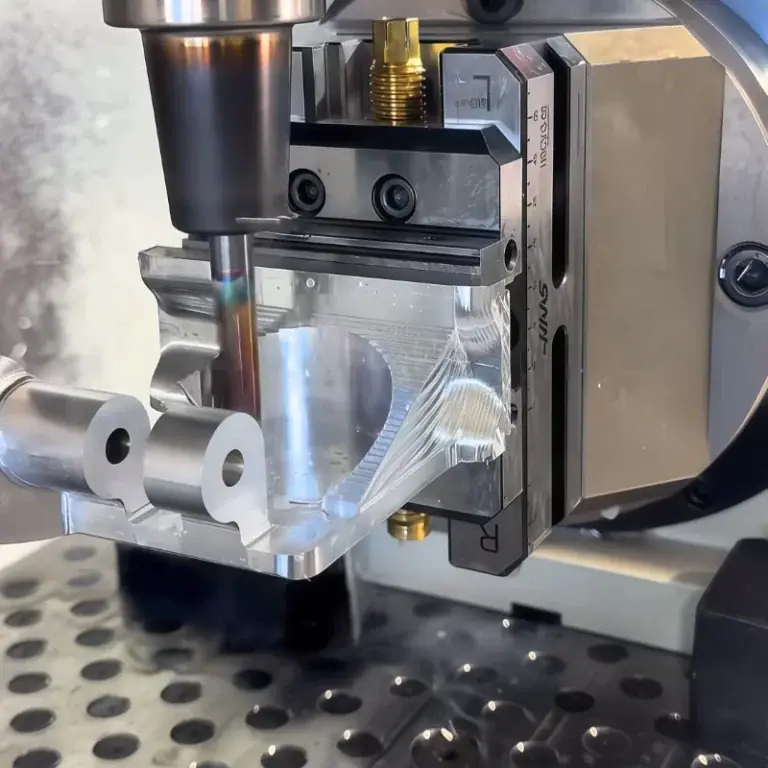
CNC milling is suitable for mounting plates, brackets, slots, and complex profiles, while CNC turning is commonly used for shafts, sleeves, and pins. Drilling and tapping create mounting holes and threaded features. Wire EDM and sinker EDM can produce narrow slots and specific internal profiles, while grinding is used for precision diameters, bearing fits, and flat surfaces requiring tighter tolerances. Sheet metal cutting and bending are generally more suitable for many protective covers than machining them from solid metal.
Establish Machining Datums and Control Clamping
Datum planning affects the accuracy of mounting and positioning components.
- Define reference surfaces: Identify the features used for positioning during assembly.
- Reduce repeated setups: Machine related surfaces in one setup when practical.
- Control datum transfer: Use consistent references when multiple setups are necessary.
- Plan finishing allowances: Reserve suitable material for precision grinding when required.
A clear setup plan helps maintain the relationship between critical surfaces and features.
How Can Buyers Ensure the Quality of Automation Parts?
Inspection should focus on dimensions and features that affect assembly and equipment operation.
Check Dimensional and Geometric Accuracy
A suitable inspection plan should cover the following items:
- Dimensions: Check hole diameters, shaft diameters, thicknesses, and slot widths.
- Geometric tolerances: Inspect flatness, parallelism, perpendicularity, and runout where specified.
- Position accuracy: Verify mounting hole locations against the drawing.
- Surface condition: Check burrs, scratches, and surface roughness.
Runout is useful for evaluating rotating components, while position tolerances help control the locations of mounting features.
Control Heat Treatment and Surface Finishing
Secondary processes can improve component performance but may also affect final dimensions.
- Stress relief: Consider for parts with a risk of machining deformation.
- Strengthening treatment: Select suitable heat treatment for steel parts according to strength and wear requirements.
- Aluminum treatment: Use anodizing or hard anodizing when required.
- Steel treatment: Consider black oxide, plating, or protective coatings.
- Insulating material machining: Adjust cutting and clamping methods to limit deformation.
Critical dimensions should be checked after secondary processing.

What Should Buyers Consider Before Ordering Automation Parts?
Complete project information helps suppliers evaluate manufacturing difficulty, costs, and delivery requirements.
Prepare Technical Documents
Buyers should provide the following information before requesting a quotation:
- 2D drawings: Include dimensions and tolerances.
- 3D models: Show complex structures and assembly relationships.
- Material specifications: Identify required material grades.
- Finishing requirements: State heat treatment and surface treatment needs.
- Order details: Provide quantities and delivery schedules.
Clear documentation reduces repeated confirmation and production misunderstandings.
Evaluate the Supplier’s Manufacturing Capabilities
Check whether the supplier can handle the required CNC milling, turning, grinding, and EDM processes. Review its inspection capabilities and arrangements for heat treatment and surface finishing. Experience with precision mounting components and datum control is also valuable. Confirming acceptance standards before production helps reduce assembly and delivery problems.
Automation equipment parts must meet the requirements of their actual applications. Mounting bases need accurate reference surfaces, locating pins require suitable wear resistance, and protective components need appropriate materials and manufacturing methods. Clear drawings, practical process planning, and effective inspection help buyers control production quality and avoid unnecessary adjustments. A well-coordinated manufacturing process also makes prototype development and batch production easier to manage.