PCB manufacturing equipment uses precision components for drilling, routing, positioning, and board handling. Inaccurate mounting surfaces or poorly fitted fixtures can affect equipment alignment and processing stability. These mechanical parts must meet specific requirements for dimensions, materials, and surface quality. A suitable CNC machining solution helps equipment manufacturers obtain components that fit their designs and operating conditions. Understanding part functions, machining methods, and inspection requirements also helps buyers control production costs and reduce assembly problems.
What PCB Equipment Parts Require CNC Machining?
PCB production equipment contains structural and functional components with different manufacturing requirements.
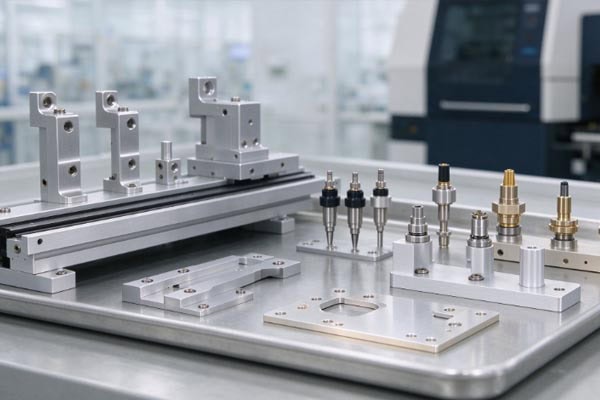
Equipment Mounting and Structural Parts
These components support machine modules and maintain their installation positions.
- Mounting plates and bases: Support motors, guide rails, and processing units.
- Spindle brackets: Hold drilling and routing assemblies in position.
- Connecting plates: Join equipment modules and provide structural support.
Accurate mounting features help maintain equipment alignment.
Positioning and Handling Components
These parts guide and secure circuit boards during equipment operation.
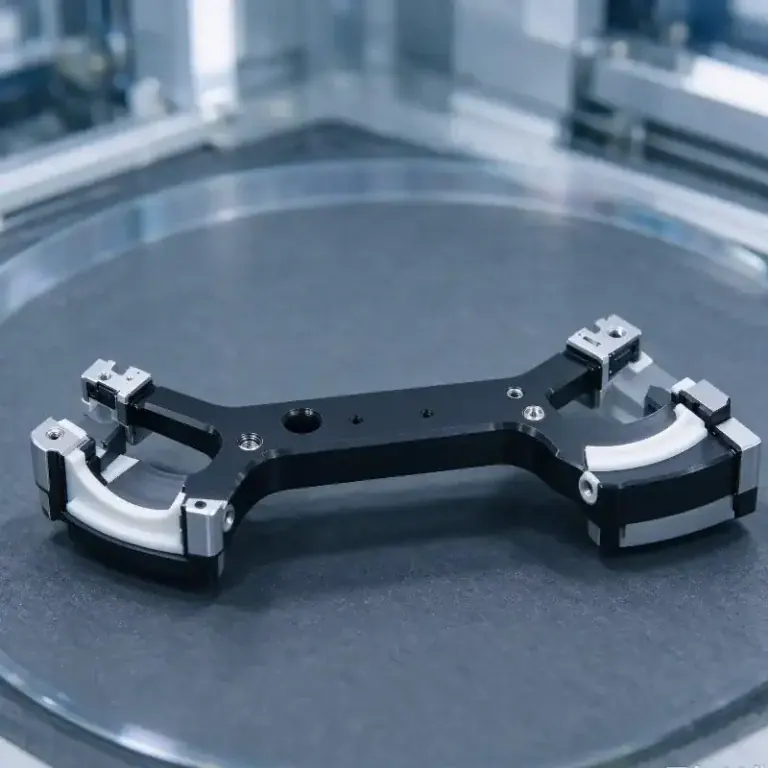
- PCB fixtures: Hold boards during processing or inspection.
- Locating pins and blocks: Provide repeatable positioning references.
- Adapter plates: Connect guide rail blocks to machine structures.
Their dimensions and contact surfaces need appropriate control to support reliable positioning.

Which Materials and CNC Processes Are Suitable for PCB Equipment Parts?
Material selection depends on mechanical loads, weight, wear, insulation, and contact requirements. Machining methods should match the component structure and specified tolerances.
Select Materials According to Part Function
Different components require different material properties.
| Component | Possible Materials | Main Considerations |
| Mounting plates and brackets | Aluminum alloys, stainless steel | Rigidity, weight |
| Fixture bases | Aluminum alloys, POM | Stability, machinability |
| Locating pins | Hardened tool steel, bearing steel | Wear resistance, accuracy |
| Insulating supports | PEEK, FR4/G10, phenolic resin | Insulation, strength |
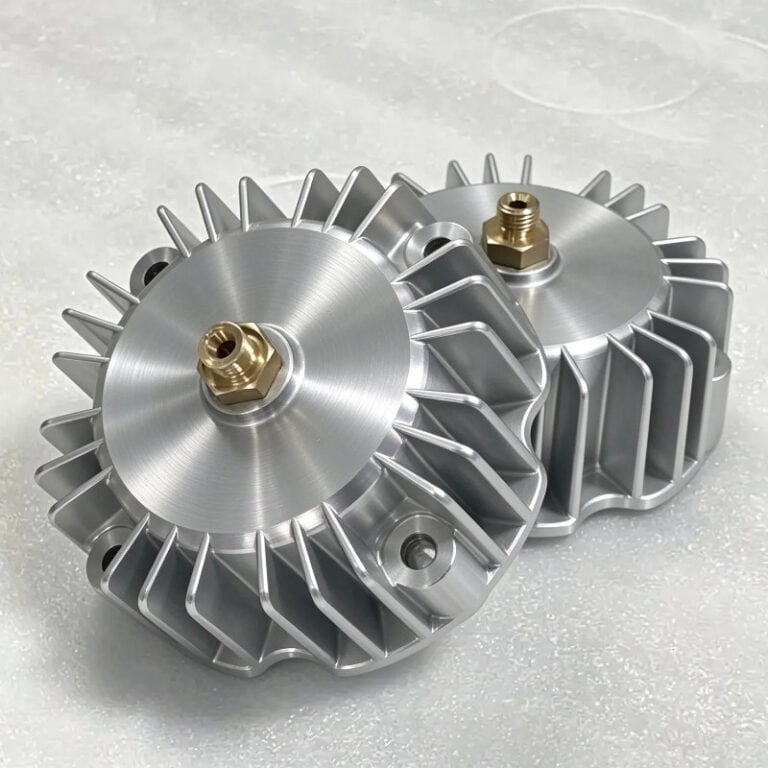
| Heat dissipation parts | Aluminum alloys, copper | Thermal conductivity |
For PCB contact fixtures, material compatibility and surface condition are important. When electrostatic control is required, the material’s electrical properties should be specified according to the application.
Choose Machining Methods Based on Component Geometry
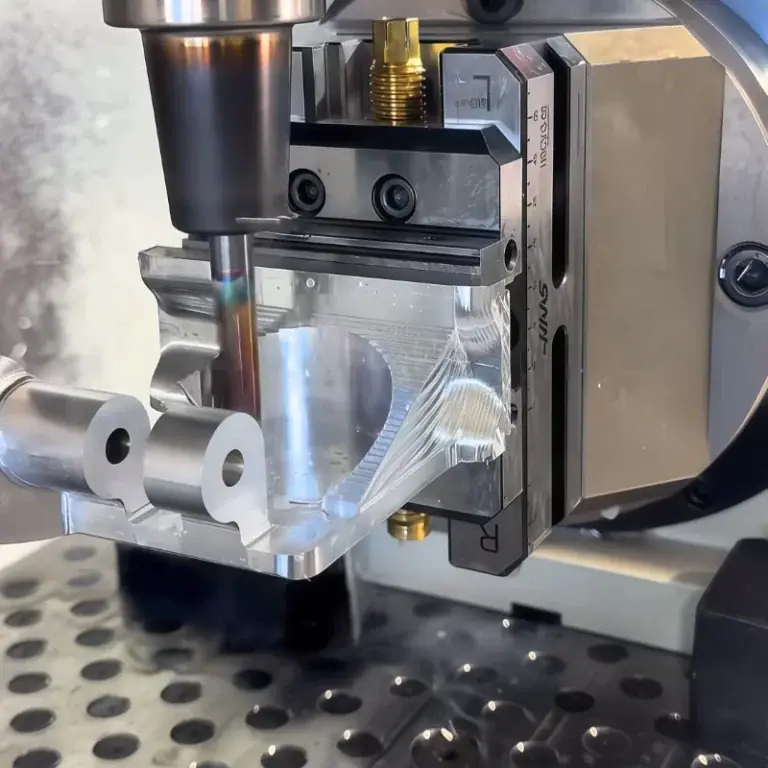
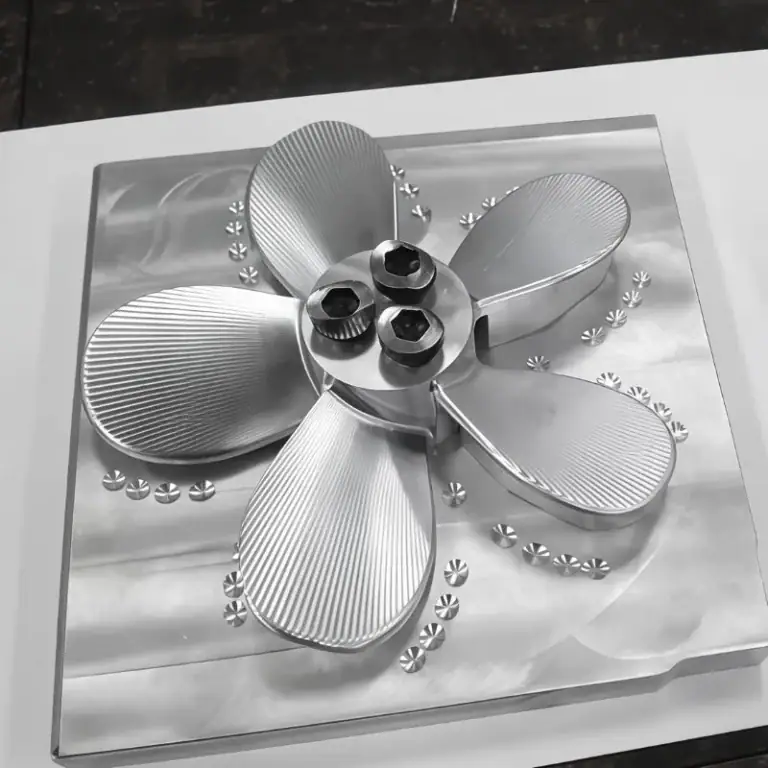
CNC milling is suitable for mounting plates, fixture bases, pockets, and complex profiles. CNC turning is commonly used for shafts, sleeves, and cylindrical locating components. Drilling and tapping produce mounting holes and threaded features, while grinding can improve precision fits and flat surfaces. Wire EDM is suitable for narrow slots and specific profiles that are difficult to produce through conventional cutting. The machining route should reflect the part’s material, structure, and tolerance requirements.
What Are the Main CNC Machining Challenges for PCB Equipment?
PCB equipment components may contain compact structures, closely spaced holes, thin sections, and multiple mounting surfaces. These features require careful process planning.
Control Flatness and Hole Position
Mounting bases and fixture plates often have several reference surfaces and mounting holes.
- Datum control: Define reference surfaces clearly.
- Hole accuracy: Check diameter, spacing, and position.
- Clamping: Prevent deformation of thin plates.
- Surface quality: Remove burrs and machining marks.
Consistent references help maintain the relationship between critical features.
Prevent Deformation and Surface Damage
Thin-wall aluminum parts and large fixture plates may deform during machining. PCB contact areas also need protection from scratches, burrs, and residue. Suitable cutting parameters, stable clamping, and proper cleaning help maintain part quality. Roughing and finishing can also be separated to release internal stress before final sizing.
How Should PCB Equipment Parts Move from Drawings to Production?
A clear production plan helps identify technical issues before they affect manufacturing or delivery.
Review Drawings and Functional Requirements
Check the part dimensions, material, tolerances, and assembly relationships. Pay particular attention to mounting surfaces, hole patterns, and PCB contact areas.
Confirm Machining and Production Arrangements
Select suitable equipment and machining methods according to the component geometry. Define datum references, clamping positions, machining allowances, and surface treatment requirements before production begins.
Verify Samples Before Batch Production
Produce samples to check dimensions and assembly fit. Update drawings and machining requirements when adjustments are needed. Confirming the sample before batch production helps reduce repeated modifications.
How Can CNC Machining Quality Be Inspected?
Inspection should focus on features that affect equipment alignment, PCB positioning, and component assembly.
Check Critical Dimensions
A suitable inspection plan should include:
- Hole dimensions: Check diameters, depths, and spacing.
- Geometric accuracy: Inspect flatness, parallelism, and perpendicularity.
- Position accuracy: Verify mounting and locating features.
- Surface condition: Check burrs, scratches, and roughness.
Inspection results should meet the engineering drawing and agreed acceptance criteria.
Inspect Parts After Surface Treatment
Anodizing, plating, and other finishing processes may affect dimensions or surface conditions. Critical mating features should be checked after treatment, and PCB contact areas should meet the required cleanliness standards. Final inspection helps prevent unsuitable parts from entering equipment assembly.
What Should Buyers Look for in a PCB Equipment CNC Machining Supplier?
Supplier selection should consider technical capability, production arrangements, and inspection standards.
Prepare Complete Project Information
Buyers should provide the following details:
- 2D drawings and 3D models: Show dimensions and part geometry.
- Material requirements: Specify material grades and properties.
- Surface treatment: Identify finishing methods.
- Order quantities: State prototype and batch requirements.
- Delivery schedule: Provide the expected timeline.
Complete information helps reduce quotation errors and production misunderstandings.
Evaluate Manufacturing and Inspection Capabilities
Check whether the supplier can perform the required CNC milling, turning, drilling, and grinding operations. Review its dimensional inspection methods, surface treatment arrangements, and ability to maintain batch consistency. Experience with precision fixtures and mounting components is also valuable for PCB equipment projects.
PCB equipment components must meet the mechanical and dimensional requirements of their intended applications. Mounting bases need accurate reference surfaces, fixtures require stable positioning features, and contact parts must have suitable materials and surface conditions. Buyers can improve production results by providing clear drawings, confirming sample quality, and establishing inspection standards before ordering. Careful coordination between design requirements and machining processes helps reduce assembly adjustments and maintain consistent component quality.