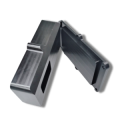
As AI chip performance continues to improve, the equipment used to manufacture these chips is becoming more advanced, with higher precision requirements, smaller structures, and more complex production processes. From wafer transfer and chip inspection to advanced packaging, every stage depends on accurately machined mechanical components. Even seemingly simple parts, such as brackets, positioning bases, and connecting plates, can affect equipment installation and operating stability if they have inaccurate hole positions, uneven surfaces, or structural deformation.
For equipment manufacturers, choosing the right CNC machining solution involves more than producing parts to a specific shape. Material properties, machining difficulty, dimensional tolerances, and final assembly requirements all need to be considered. This is particularly important for components with tiny holes, complex grooves, and thin-wall structures, where conventional machining methods may struggle to balance efficiency and precision. How can these parts be machined accurately while maintaining consistent quality in batch production? This is one of the key challenges in CNC machining for AI chip manufacturing equipment.
Which AI Chip Manufacturing Equipment Components Require CNC Machining?
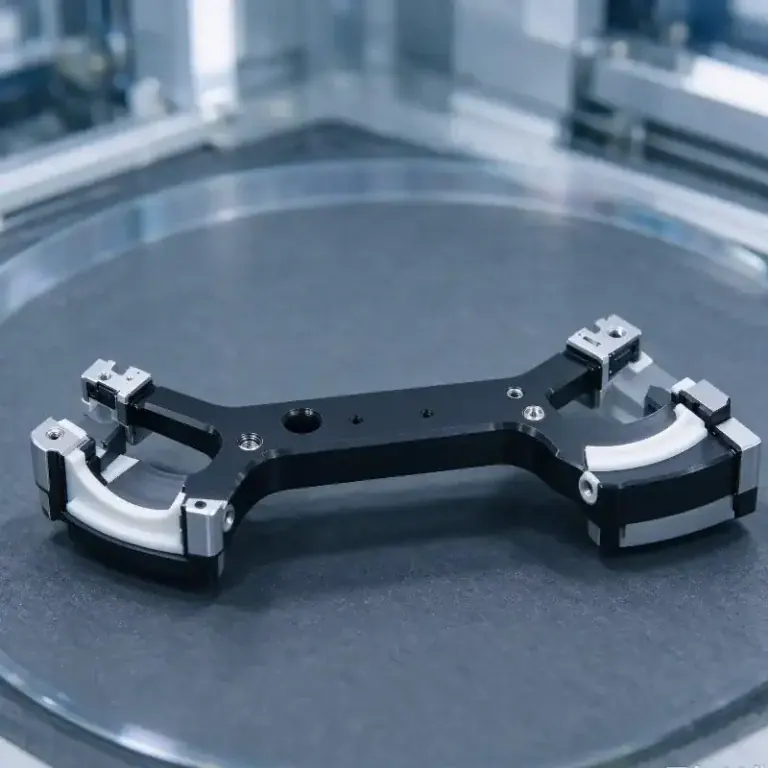
AI chip manufacturing involves wafer handling, precision inspection, and chip packaging. Different types of equipment require different mechanical components. Some parts support the machine structure, while others work with motion systems to achieve accurate positioning. Certain components also affect how inspection units are installed. CNC machining can produce complex profiles, precision holes, and connecting structures according to engineering drawings.

Precision Components for Wafer Transfer Equipment
Wafers need to move smoothly between different manufacturing processes. Robotic arm brackets, transfer platforms, and positioning connectors all require accurate dimensions. If mounting holes are misplaced or burrs remain on the component surface, the positioning accuracy of the transfer mechanism may be affected.
Structural Components for AI Chip Inspection Equipment
Inspection equipment usually contains lenses, sensors, and other precision components. Their mounting brackets and fixing bases must maintain accurate positional relationships. For instance, errors in an inspection lens bracket or precision connecting plate may affect component alignment and reduce the accuracy of the inspection process.
CNC Machined Parts for Semiconductor Packaging Equipment
Chip packaging equipment includes positioning, supporting, and pressing structures. Some components have deep grooves, threaded holes, and multiple mounting holes. Common machined parts include:
| Component | Main Function | CNC Machining Requirements |
| Wafer transfer bracket | Supports the transfer mechanism | Hole accuracy and structural stability |
| Chip positioning base | Holds chips in the correct position | Flatness and positioning dimensions |
| Inspection lens bracket | Secures optical inspection components | Mounting accuracy and surface quality |
| Packaging equipment connecting plate | Connects different machine modules | Hole spacing and parallelism |
| Precision motion slider | Works with equipment motion systems | Dimensional tolerances and fit accuracy |
Although these components serve different purposes, they all need to fit accurately with other machine parts. For positioning bases and connecting plates in particular, hole spacing and mounting surface flatness can affect the overall assembly.
What Are the Main CNC Machining Challenges for AI Chip Manufacturing Equipment?
Semiconductor equipment components often have complex structures, tight tolerances, and demanding assembly requirements. Some parts are relatively small but contain numerous precision holes and mating surfaces. Even minor machining errors can affect installation and equipment performance. Several challenges deserve particular attention during production.
Machining Small Holes and Complex Grooves
Some precision connectors require holes of different diameters, threaded holes, counterbores, and narrow grooves. If the positional relationships between these features are inaccurate, multiple components may not fit together properly during assembly.
Several machining details need attention:
- Consistent positioning: Use reliable reference points to reduce positioning errors between machining operations.
- Tool condition: Check tool dimensions and wear to prevent hole-size deviations and poor surface finishes.
- Machining sequence: Leave suitable finishing allowances for precision holes and mating surfaces.
- Chip removal: Remove metal chips from deep holes and narrow grooves to prevent machining defects.
These details may seem minor, but they can have a direct impact on final assembly. When several components need to work together, small dimensional deviations can accumulate and increase adjustment work during equipment installation.
Thin-Wall Structures Are Prone to Deformation
To reduce equipment weight, some semiconductor equipment brackets use thin-wall or hollow structures. During cutting, machining forces and heat may cause local deformation, making dimensions difficult to control.A practical approach is to use layered cutting and carefully plan the allowances for roughing and finishing. Clamping force also needs to be controlled. For thin sections, the clamping position should be selected carefully to prevent excessive pressure from changing the workpiece shape. For more complex components, adjusting the machining sequence can help distribute cutting forces more evenly.
Surface Finish and Machining Cleanliness
Some semiconductor equipment components have strict surface requirements, particularly parts used in wafer handling and precision inspection systems. Burrs, oil stains, or metal chips left after machining can create problems during cleaning and assembly.
- Check mounting and mating surfaces for scratches, dents, and other defects.
- Arrange deburring and cleaning according to the material and application.
- Use suitable drying and packaging methods to reduce contamination during transportation.
Machining quality is not determined by dimensional accuracy alone. Surface condition also affects how a component performs after installation.
How to Select Materials and CNC Equipment for AI Chip Manufacturing Components?
Material selection affects component weight, rigidity, corrosion resistance, and machining stability. Aluminum alloys, stainless steel, and copper alloys are commonly used in AI chip manufacturing equipment. Different components require materials with different properties. The operating environment, load requirements, and surface treatment process should all be considered.
Common Materials for Semiconductor Equipment Components
Aluminum alloys are suitable for lightweight structural components, while stainless steel is often used for parts that require strength and corrosion resistance. Copper alloys are useful for components that need good thermal or electrical conductivity. Common materials and applications include:
| Material | Main Properties | Typical Applications |
| 6061 Aluminum | Lightweight and easy to machine | Equipment brackets and connecting plates |
| 7075 Aluminum | High strength | High-rigidity precision components |
| 304 Stainless Steel | Good corrosion resistance and strength | Mounting bases and connectors |
| 316 Stainless Steel | Enhanced corrosion resistance | Components used in demanding environments |
| Copper Alloy | Good thermal and electrical conductivity | Heat-conducting connectors |
The most expensive material is not necessarily the best choice. The key is to match material properties with the actual function of the component. High-load structures need sufficient strength, while lightweight brackets may be better suited to an appropriate aluminum alloy. Components used in demanding environments also need suitable corrosion resistance and surface protection.
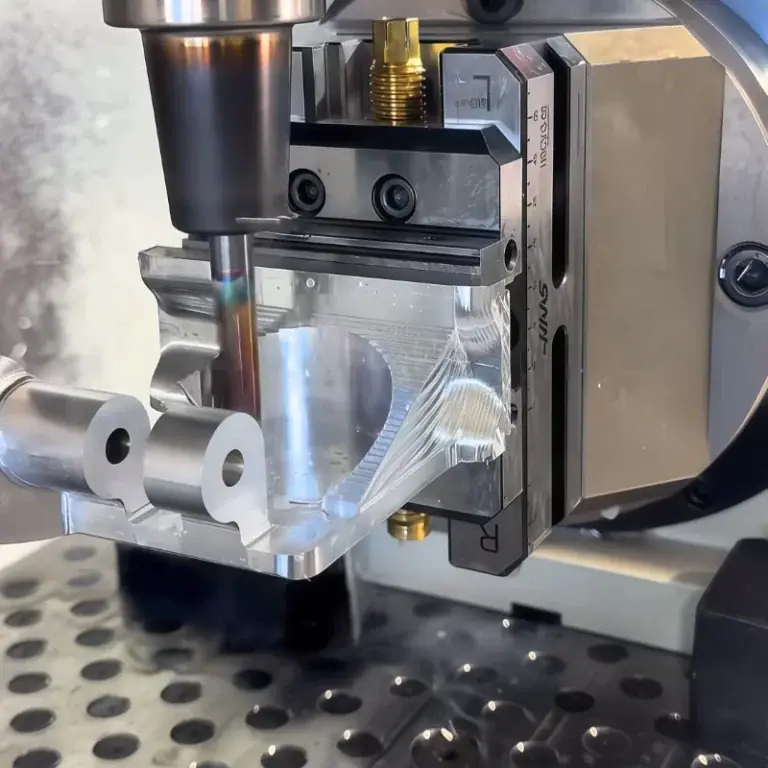
Multi-Axis CNC Machining for Complex Components
Components with angled surfaces, deep grooves, and holes in multiple directions can benefit from multi-axis CNC machining. It reduces repeated setups and helps maintain positional accuracy between different machined surfaces. Simpler components with fewer machining faces can often be produced using three-axis CNC equipment.
For complex parts, it is also important to consider whether cutting tools can reach the required areas, whether fixtures will interfere with tool movement, and whether the reference points remain consistent between operations. Choosing suitable equipment can reduce unnecessary machining steps and help control production costs.
Surface Treatment Must Match Component Requirements
Aluminum components may require anodizing, depending on their application. Stainless steel parts need appropriate surface cleaning and protection. For components with precision mating requirements, mounting holes, positioning surfaces, and threaded areas should be considered before surface treatment. This helps prevent changes in local dimensions from affecting final assembly.
How Should the CNC Machining Process for AI Chip Equipment Components Be Arranged?
Complex components usually require several machining operations. The machining sequence, clamping method, and inspection stages all influence the final result. A well-planned process can reduce positioning errors and lower the risk of rework. For semiconductor equipment components with multiple machined surfaces, production can follow these steps.
Review Engineering Drawings and Technical Requirements
Before machining begins, check the material, overall dimensions, hole positions, critical tolerances, and surface treatment requirements. Any special drawing notes should be reviewed in advance so that potential machining difficulties can be addressed before production.
Determine the Clamping Method and Machining Sequence
Select suitable fixtures and CNC equipment based on the component structure. In many cases, the main external profile and basic features are machined first, followed by precision holes, positioning surfaces, and complex grooves. If different machined surfaces have strict positional relationships, multi-axis machining may help reduce repeated setups.
Complete Finishing and Post-Processing
After rough machining, inspect the workpiece before proceeding with finish milling, precision boring, or other finishing operations. Once cutting is complete, arrange deburring, cleaning, and the required surface treatment. Components that are prone to dimensional changes may need additional inspections after critical operations to prevent errors from carrying over into later stages.
How to Ensure CNC Machining Quality for AI Chip Manufacturing Equipment?
Completing the machining process is only one part of production. What really matters is whether critical dimensions meet the required tolerances, whether component surfaces are clean, and whether different parts fit together correctly. Quality inspection should be carried out throughout the production process and before delivery.
Inspect Hole Positions and Precision Mating Dimensions
Inspection should cover more than the overall length, width, and height of a component. Critical features that affect equipment positioning and connections also need to be checked. For high-precision parts, coordinate measuring machines can be used to inspect hole positions, flatness, and complex profiles, helping identify errors that may be difficult to detect with basic measuring tools.
Inspection should also focus on the tolerances specified in the engineering drawings, particularly the spacing between multiple holes, the parallelism of mounting surfaces, and the positional relationships between different machined faces. Complete inspection records can also help maintain consistent machining standards across future production batches.
Maintain Dimensional Consistency in Batch Production
Components from the same production batch may be installed in multiple identical machines. If their dimensions vary too much, assembly adjustments become more difficult. Consistent machining references, recorded process parameters, and regular tool inspections can help reduce dimensional variation.
- Set inspection checkpoints for critical dimensions.
- Check tool wear regularly to maintain hole and surface accuracy.
- Keep inspection records for comparison between production batches.
- Inspect thin-wall components carefully to identify possible deformation.
Batch production is not just about whether each individual component passes inspection. The dimensions of the entire batch should remain consistent. Stable machining processes reduce rework and make equipment assembly more straightforward.
Cleaning and Packaging Must Meet Application Requirements
Some semiconductor equipment components have strict cleanliness requirements. After machining, chips, oil stains, and other residues need to be removed. Parts with special cleaning requirements should undergo suitable washing, drying, and packaging procedures. This helps prevent contamination or surface damage during transportation.
What Benefits Can Professional CNC Machining Solutions Bring to Semiconductor Equipment Manufacturing?
AI chip manufacturing equipment rarely relies on simple standard components. Many parts need to be custom-machined according to engineering drawings. CNC machining services involve more than cutting metal into a specified shape. They also require suitable process planning, control of critical tolerances, and consistent production management. A well-designed solution can reduce repeated setups, improve dimensional consistency, and lower the risk of rework caused by deformation or assembly problems.

Improve Machining Capabilities for Complex Components
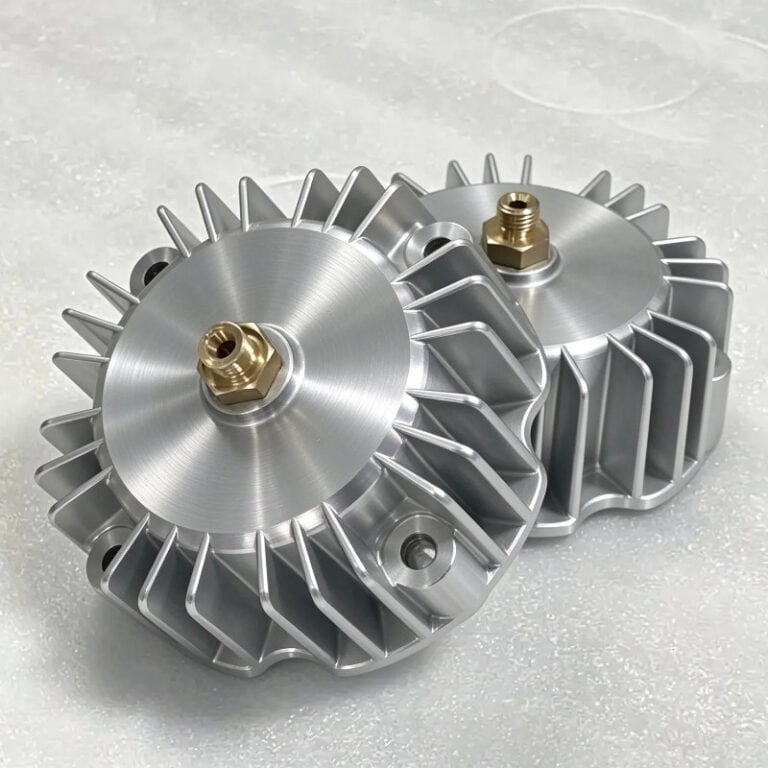
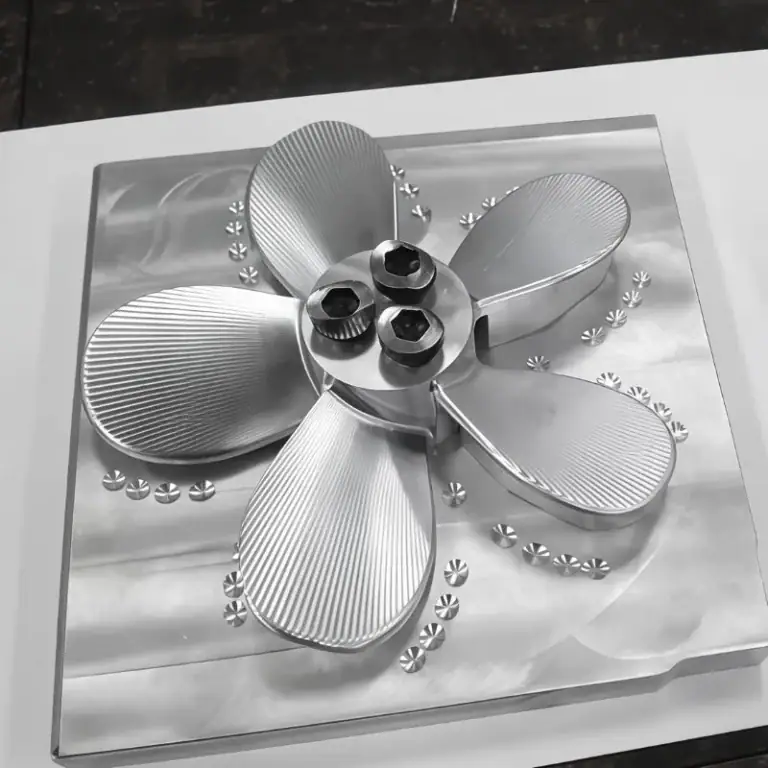
Deep grooves, holes in multiple directions, and irregular profiles can be produced by selecting suitable cutting tools, fixtures, and CNC equipment. For components with unusual structures, machining difficulties can be reviewed in advance and the process route adjusted to reduce unnecessary operations.
Improve Component Assembly Accuracy
Confirming mounting references, mating dimensions, and critical tolerances in advance helps improve the fit between individual components and the overall equipment structure. This reduces on-site adjustments. Dimensional consistency is particularly important for parts that connect with sensors, motion systems, and precision assemblies.
Support Custom Components and Batch Production
Different semiconductor machines have different requirements for component dimensions and materials. Developing machining processes based on engineering drawings helps meet the specific requirements of custom parts while maintaining dimensional consistency in batch production. It also supports future product improvements and component revisions.
AI chip manufacturing equipment continues to demand higher precision from mechanical components. Complex structures, small holes, material properties, and surface quality can all affect final assembly and equipment performance. Proper material selection, CNC machining, and quality inspection help reduce machining errors and improve operational stability. TIRAPID provides precision CNC machining services for semiconductor and industrial equipment components, developing machining solutions based on engineering drawings, materials, and tolerance requirements. Contact us to discuss CNC machining needs for AI chip manufacturing equipment.