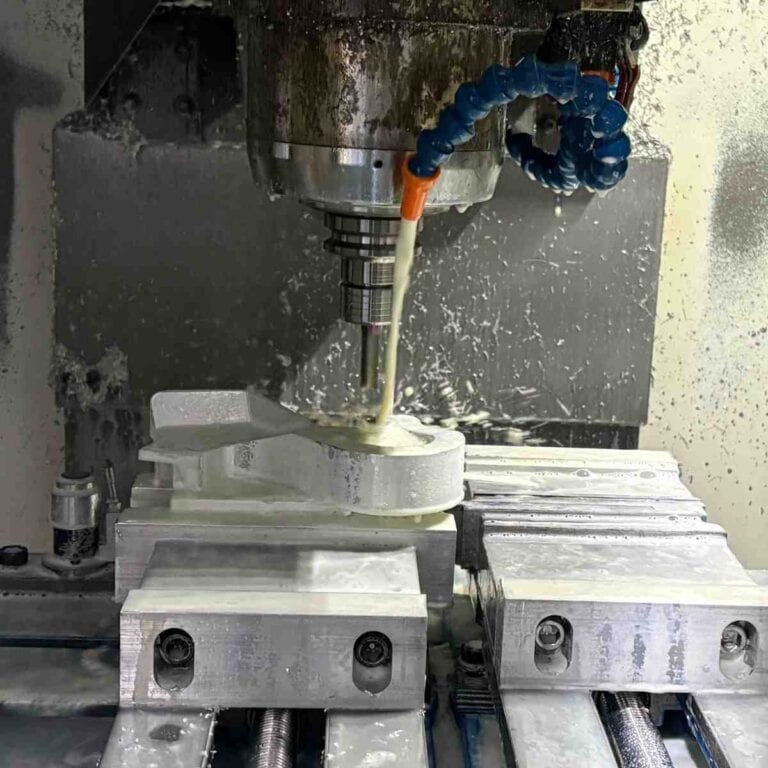
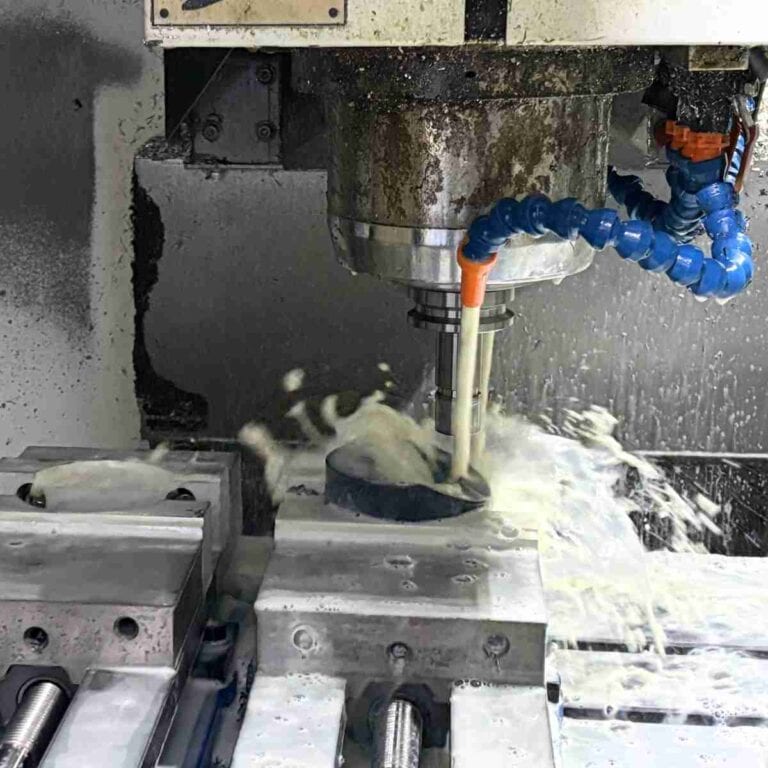
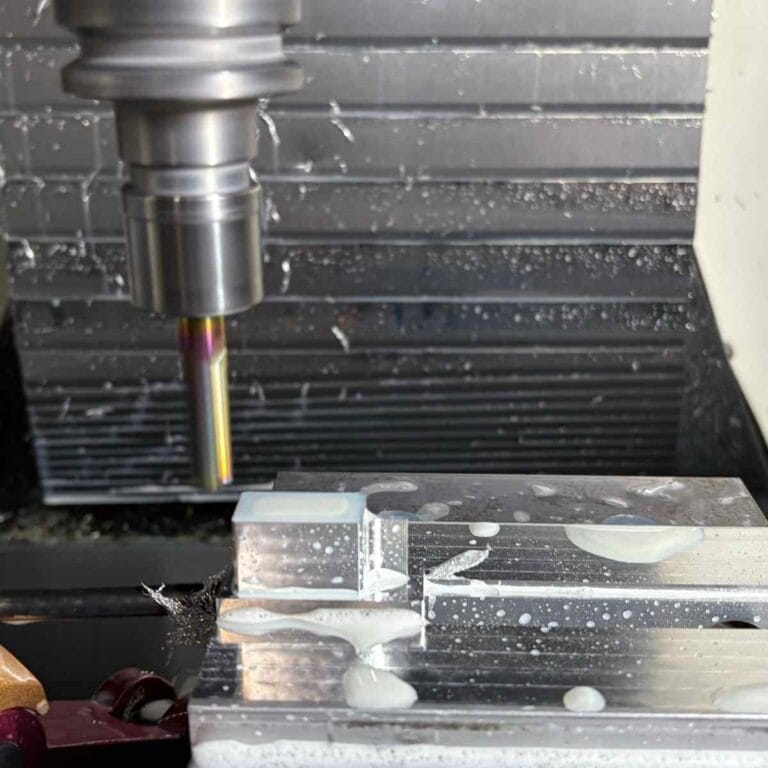
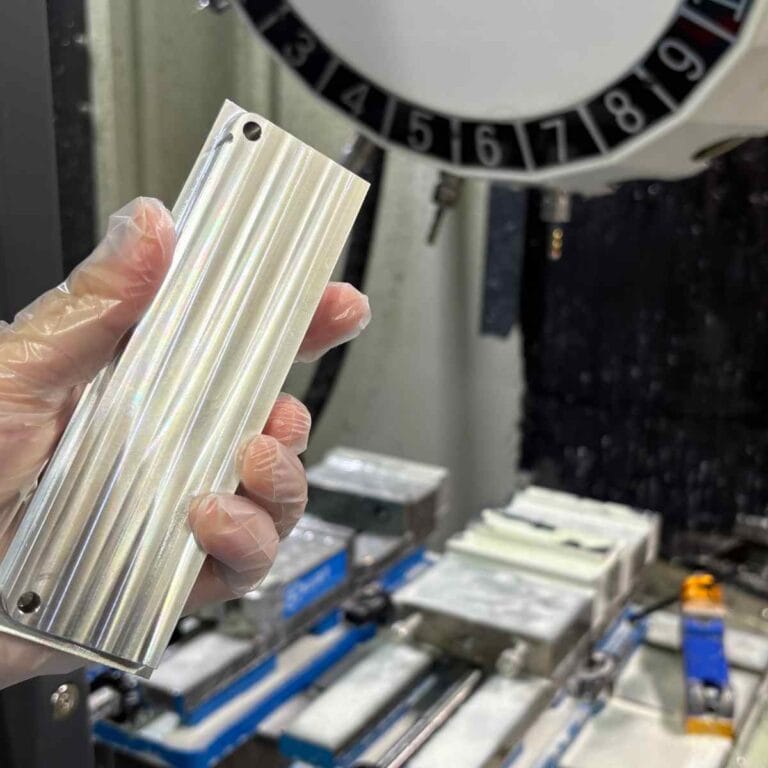
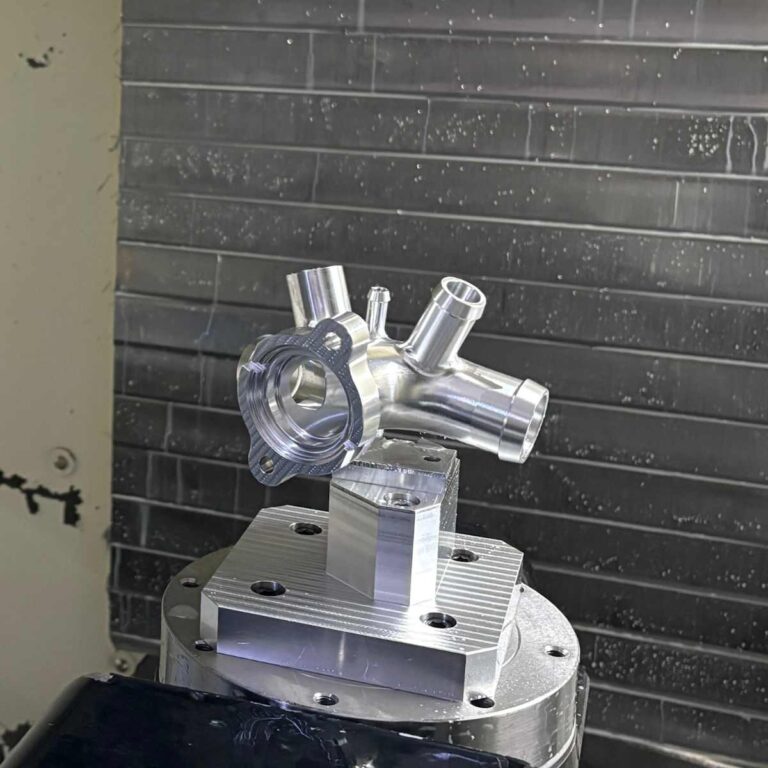
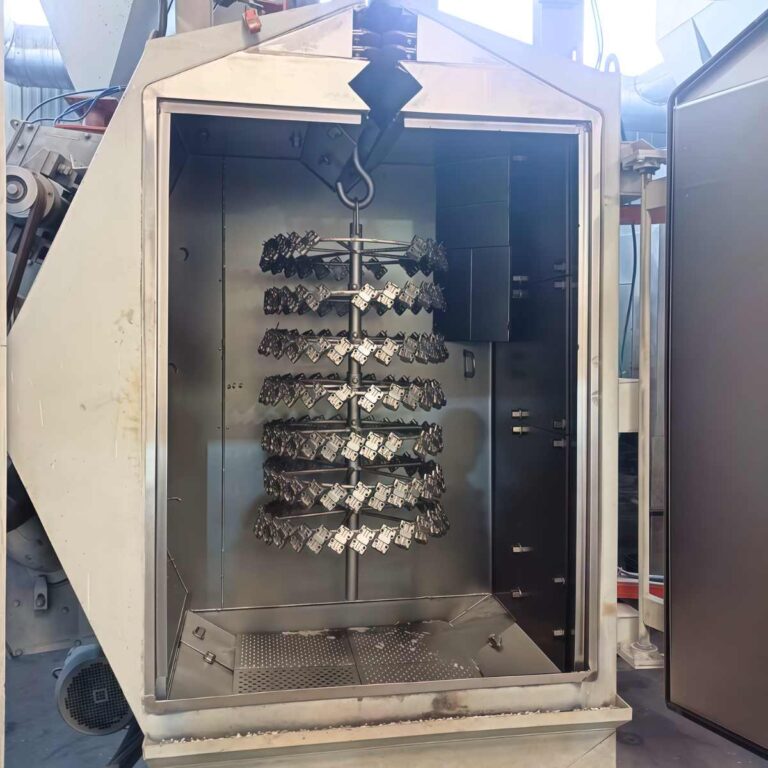
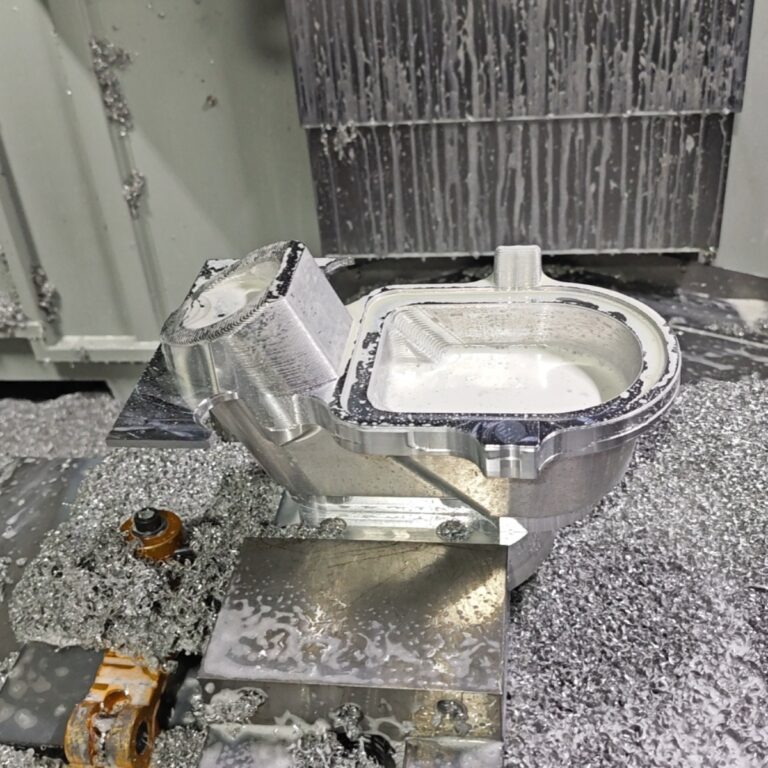
6061-T6 aluminum is one of the most trusted engineering alloys, offering the ideal balance of strength, corrosion resistance, machinability, and cost. If you’re wondering what is 6061 T6 aluminum and
ABS is an engineering thermoplastic valued for its balance of strength, toughness, and thermal stability. Understanding how ABS behaves when heated—how it softens, transitions, and reaches its melt range—is essential
Engineers often debate 6061 vs 7075 because both alloys are lightweight and strong, yet their differences strongly impact structure, safety, and cost. Although each offers a high strength-to-weight ratio, they
In product development, prototypes play a vital role in verifying appearance and functionality, and prototype CNC machining is one of the most dependable methods due to its precision, strength, and
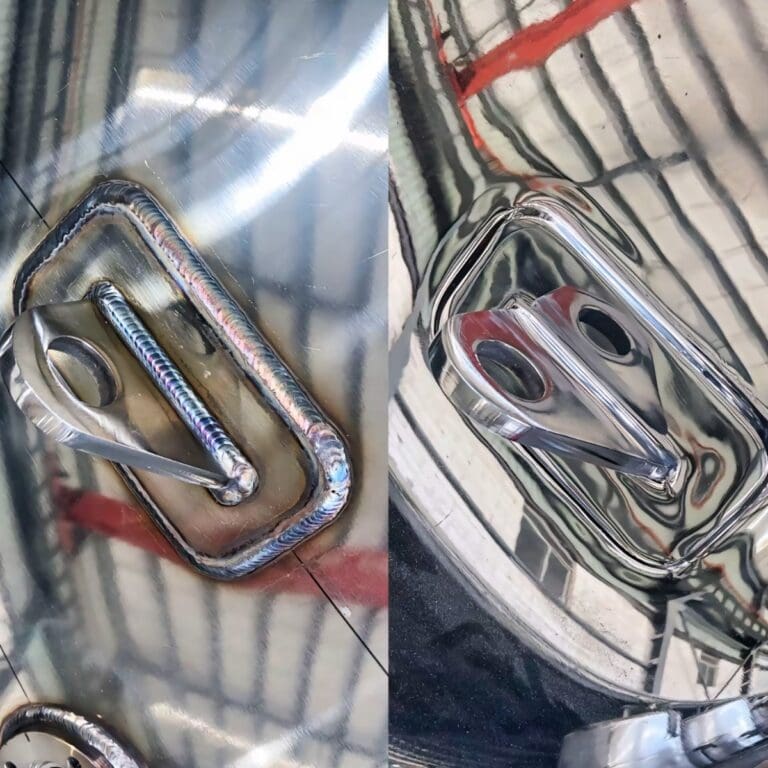
Polished stainless steel has become a popular choice in the industrial and decorative fields for its unique visual effects and excellent performance. From enhancing corrosion resistance to improving aesthetics to
To understand how to manufacture product in China, you need more than just finding a factory. It’s a structured process across design, supplier selection, prototyping, production, quality control, and logistics.
Stiffness vs strength is a topic that often gets mixed up, even though the two properties describe very different behaviors in materials. This guide breaks down what stiffness and strength
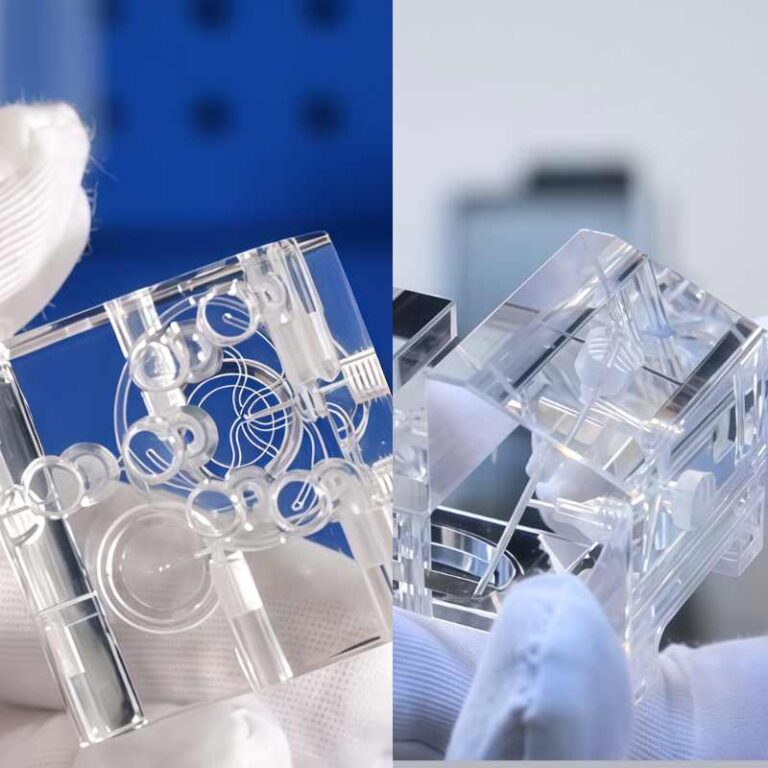
Plexiglass vs acrylic is a common comparison, but the two terms often describe the same material—PMMA. What truly matters are the differences in manufacturing, performance, and application. This guide explains
Brass machining is widely valued for its excellent machinability, corrosion resistance, and attractive appearance. It is commonly used to produce precision parts in automotive, aerospace, medical, and electrical applications. This
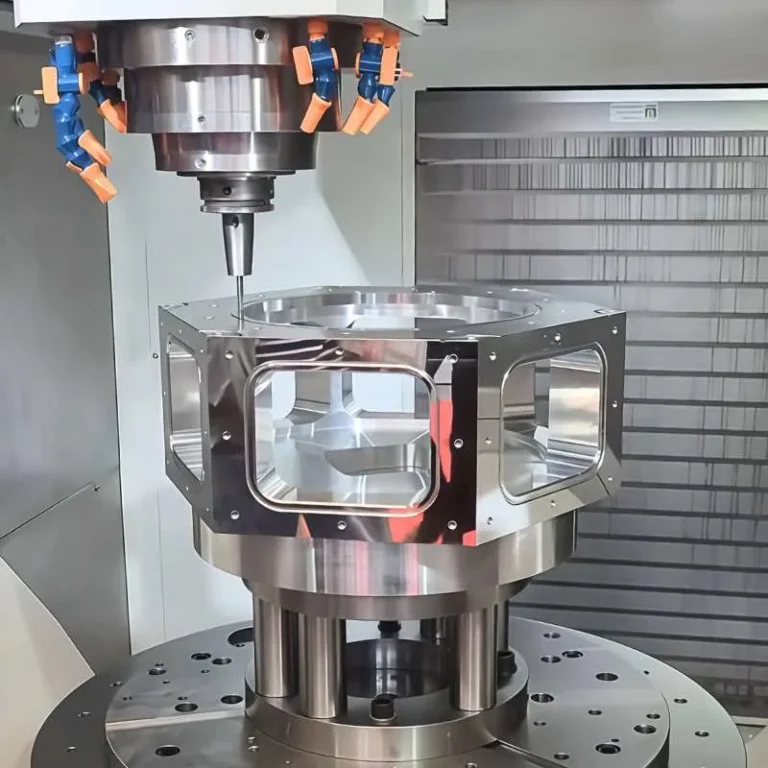
Modern manufacturing relies on CNC complex parts to achieve extreme precision, tight tolerances, and intricate geometries. With advances in multi-axis CNC milling, turning, and EDM, engineers can now produce components
Shot blasting vs sandblasting differ greatly in mechanism, abrasive action, and surface results. Choosing between them depends on material response, required roughness, coating performance, and efficiency. This guide highlights the
Metals play a foundational role across modern industries because each type of metal offers distinct mechanical, thermal, and chemical advantages. From aerospace structures that require exceptional strength-to-weight ratios to construction
Scroll to Top
Your 24 hour quote
Send us a message if you have any questions or request a quote. We will be back to you within 1-2 hours!