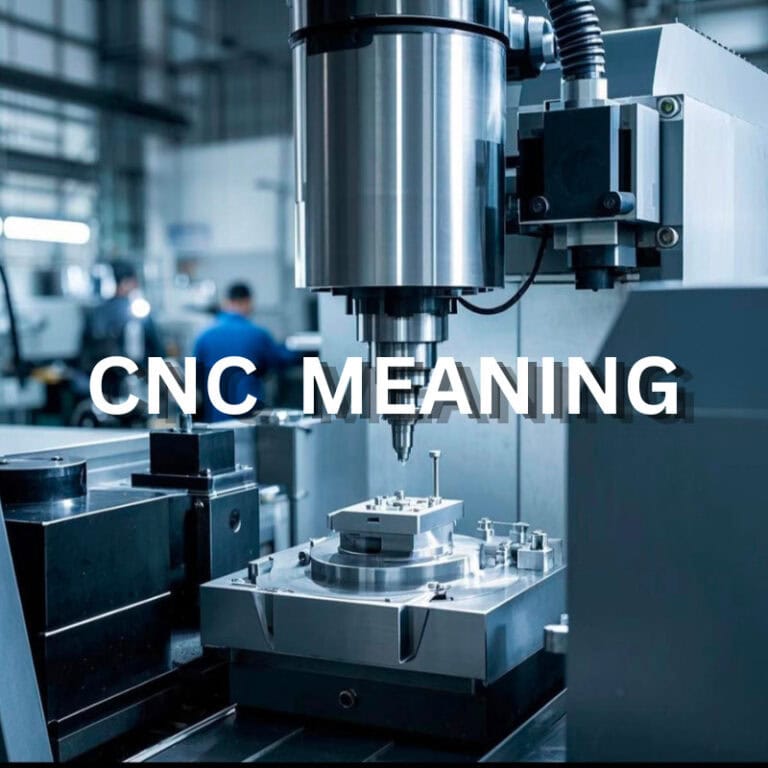
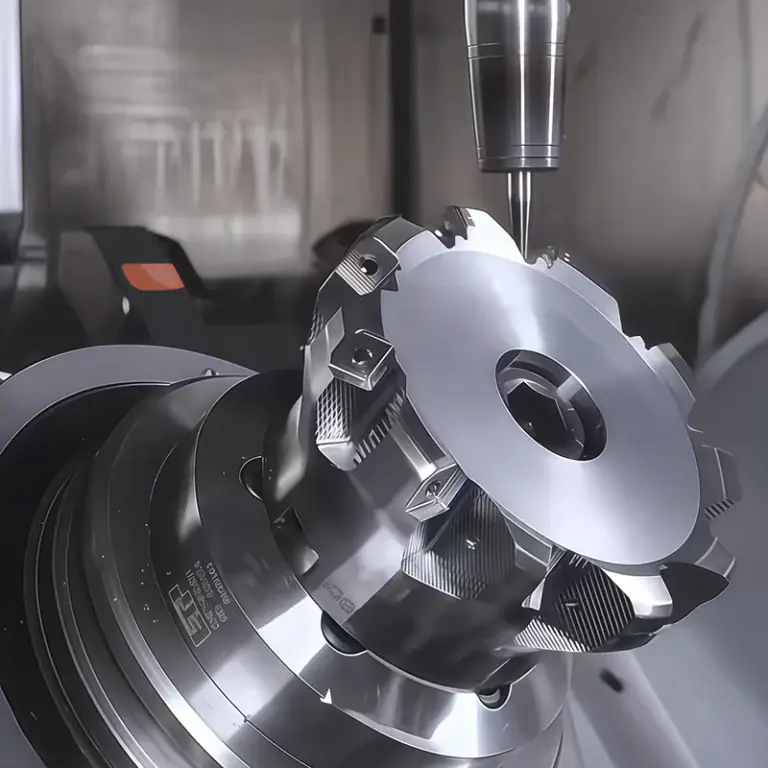
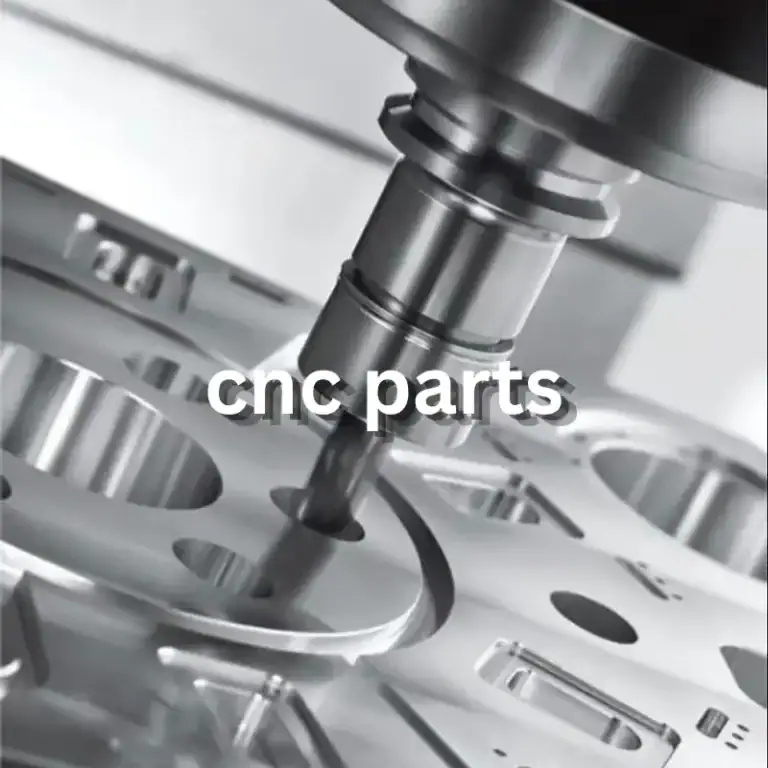
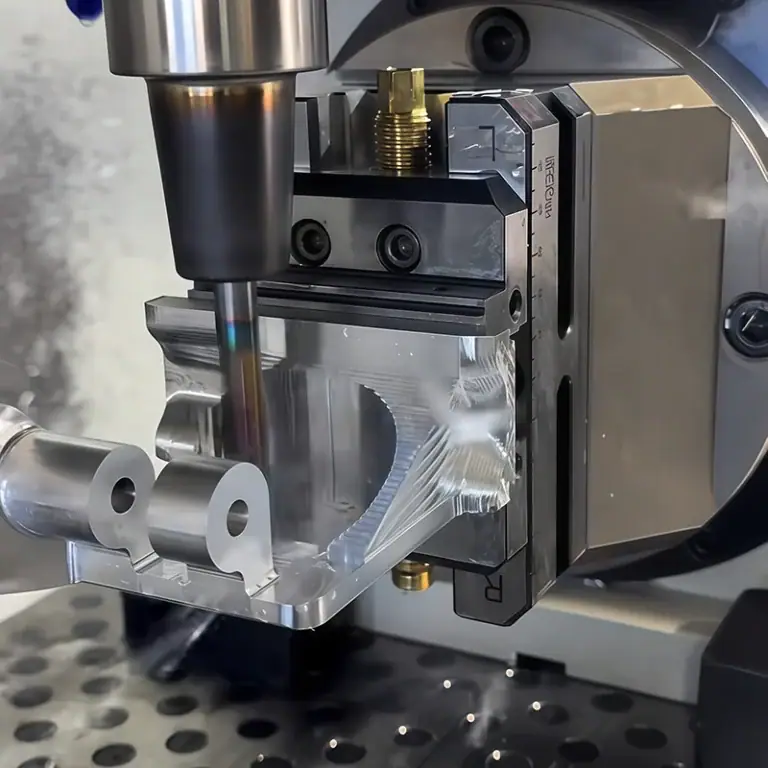
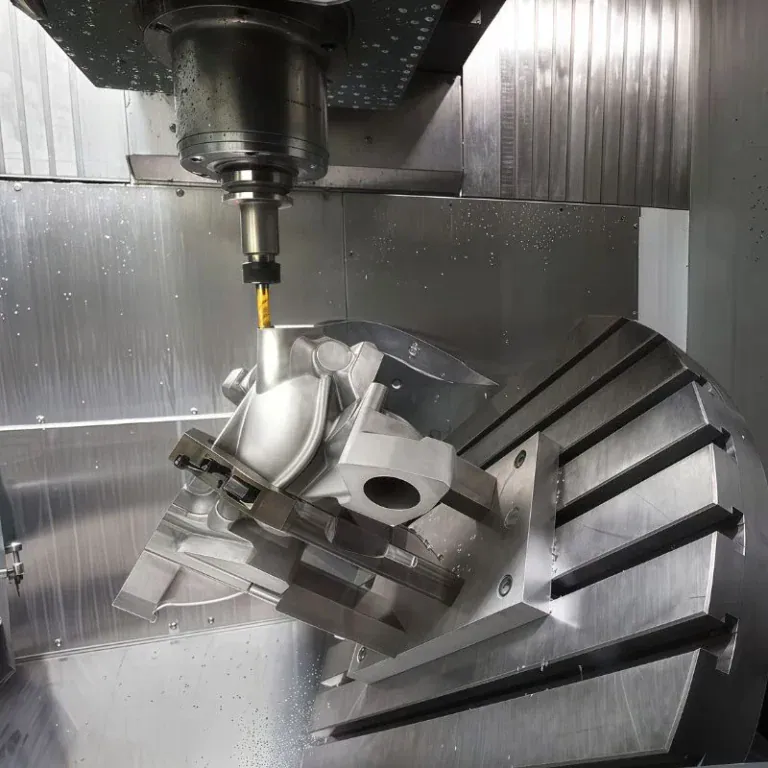
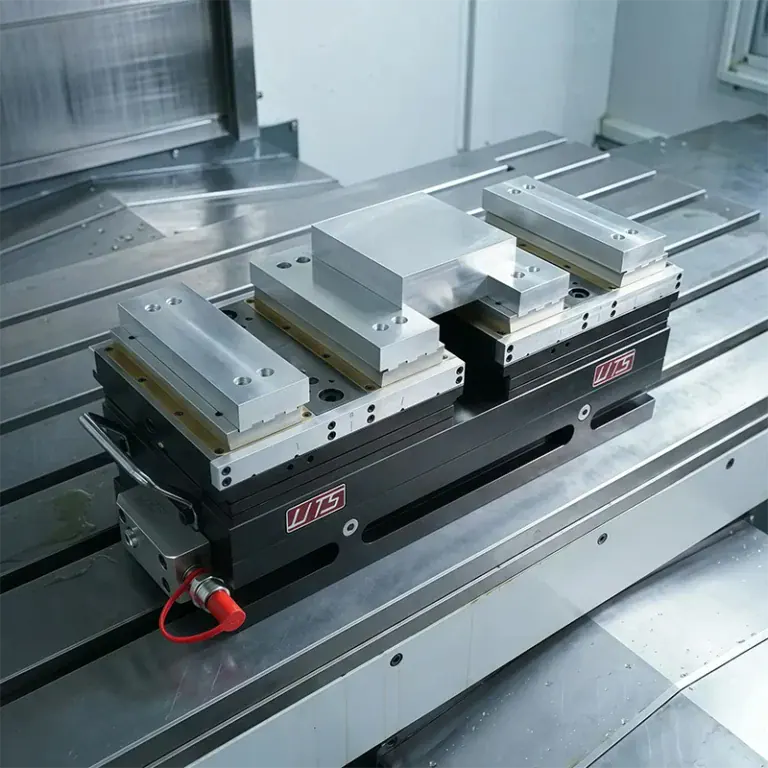
In semiconductor equipment, the biggest machining challenge is not always a complex outer shape. Sometimes, it comes down to a few holes that must be positioned with extreme care. A misaligned mounting hole can prevent components from fitting together, while an inconsistent bore diameter may cause looseness or sticking. Incorrect spacing between multiple holes can also affect the installation of precision components. For businesses that need custom metal parts, choosing the right CNC machining solution matters more than simply chasing the lowest price. CNC machining uses programmed toolpaths to control cutting movements and machining positions, making it suitable for multi-hole parts, complex structures, and precision-fit components. It also supports the transition from prototype development to batch production, helping reduce manual errors and assembly rework.
Why Choose CNC Machining for Precision Holes?
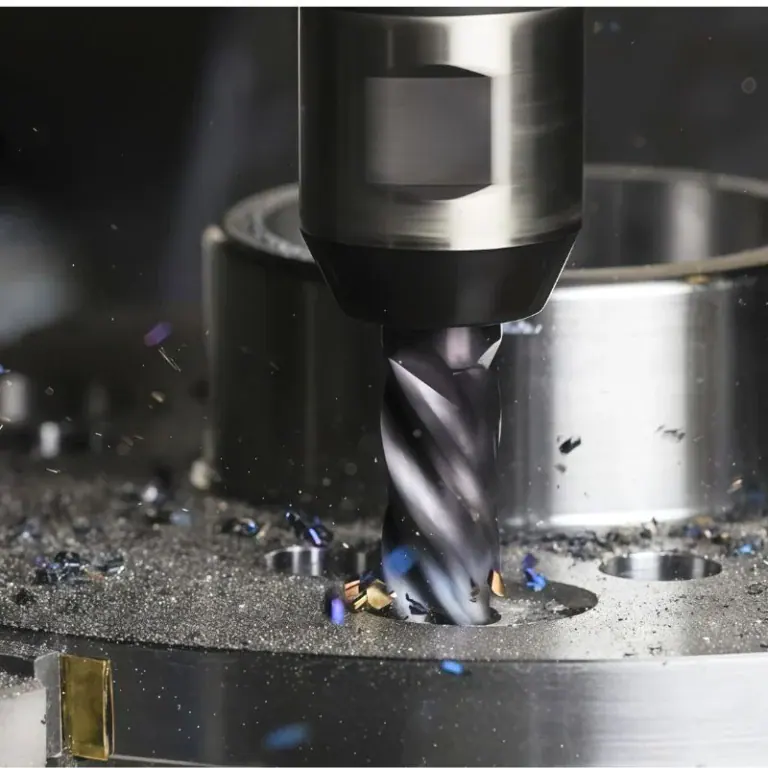
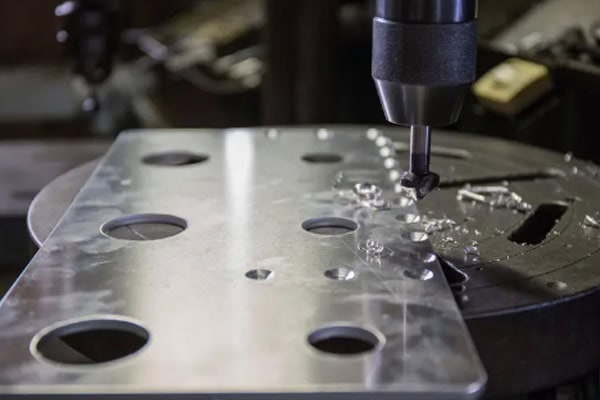
Mounting plates, locating blocks, precision fixtures, and vacuum chamber components used in semiconductor equipment often require holes with different diameters, depths, and positions. Manual machining may work for simple parts, but as hole counts increase, positional tolerances become tighter, or repeat production is required, a more consistent process becomes essential. CNC machining follows programmed engineering drawings to control tool movements and machining sequences, helping maintain consistency when producing complex hole patterns.
How Does CNC Machining Improve Precision Hole Accuracy?
Precision hole machining involves more than meeting the required diameter. Hole spacing, positional accuracy, and the relationship between holes and locating datums are equally important. CNC machining can use consistent programs and positioning references across multiple operations, reducing errors caused by manual marking and repeated setup. This repeatable process helps improve dimensional consistency in semiconductor components with dense hole patterns and complex structures.
- Plan multiple hole positions together: Include hole diameters, spacing, and locating datums in one machining plan to reduce positional errors caused by repeated setups.
- Improve control during finishing: Select drilling, boring, or reaming operations according to the required tolerances to achieve the target dimensions for precision-fit holes.
- Reuse validated machining programs: Apply proven programs to repeat orders, reducing variations caused by repeated programming and manual operations.
The advantage of CNC machining is not just achieving accurate dimensions. It also makes the production process easier to repeat. For projects involving ongoing production of the same part, validated programs, fixtures, and inspection procedures can help maintain consistency between batches and reduce repeated adjustments during assembly.
What Complex Hole Features Can CNC Machining Produce?
Standard mounting holes, precision locating holes, threaded holes, counterbores, and certain deep-hole structures can all be machined using suitable CNC processes. For parts with numerous holes, varying diameters, steps, or grooves, CNC machining can combine different operations into an organized process and reduce unnecessary repositioning. Actual machining feasibility still depends on machine capabilities, tool accessibility, hole depth, and specified tolerances.
Is CNC Machining Suitable for Custom Semiconductor Parts and Small-Batch Prototyping?
Semiconductor equipment components often require customization to accommodate equipment layouts or design changes, and standard parts may not meet the installation requirements. CNC machining based on 2D engineering drawings or 3D models allows prototypes to be produced for checking hole positions and assembly fit. Dimensions or structures can then be adjusted based on test results. Once the prototype is approved, the validated process can be carried into batch production, helping reduce differences between development and full-scale manufacturing.
How Should Materials and Processes Be Selected for Precision Hole CNC Machining?
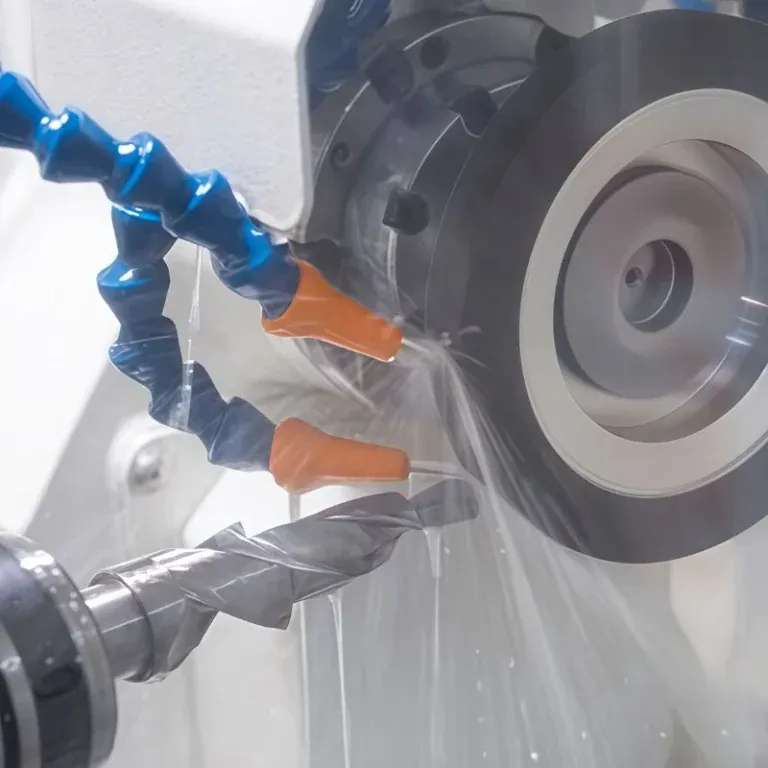
Hole accuracy depends not only on the machine but also on material properties, tool selection, and machining sequence. Semiconductor equipment components may be made from aluminum alloys, stainless steel, or engineering plastics, each with different cutting resistance, heat dissipation, and deformation characteristics. Confirming the material and critical tolerances in advance helps establish a suitable machining plan and reduces the risk of discovering dimensional, hole-wall, or surface-treatment issues after production.
Which Materials Are Commonly Used for Precision Hole CNC Machining?
| Material | Common Applications | CNC Machining Benefits and Considerations |
| Aluminum alloy | Mounting plates, brackets, lightweight structural parts | Efficient to machine; burrs and thin-wall deformation require attention |
| Stainless steel | Corrosion-resistant connectors and structural components | Suitable for applications requiring corrosion resistance; cutting heat and tool wear must be controlled |
| Carbon steel | Load-bearing bases and mechanical connectors | Suitable for selected load-bearing structures; rust prevention may be required |
| Engineering plastics | Insulating parts, guide components, and specialized structural parts | Lightweight, but clamping force and machining heat must be controlled |
Material selection should consider more than price. The part’s loading conditions, operating environment, and post-processing requirements also matter. Clearly defining the material early allows the machining team to select suitable tools, cutting parameters, and fixturing methods, reducing trial machining and process adjustments.
How Can CNC Machining Control Hole Diameter, Spacing, and Position?
Different hole features require different machining methods. Standard through-holes may be completed by drilling, while precision-fit holes often require additional finishing operations. A well-planned process gives each operation a clear purpose and helps prevent dimensional errors from accumulating.
- Standard mounting holes: Control diameter, spacing, and hole-edge condition to ensure fasteners can be installed correctly.
- Precision-fit holes: Use boring or reaming as required by the tolerances, paying close attention to dimensions and hole-wall quality.
- Parts with multiple holes: Maintain consistent locating datums to minimize the impact of repeated setups on hole positions.
- Deep holes and specialized features: Evaluate tool reach, chip evacuation, and cutting vibration in advance to reduce diameter variations and visible marks inside the holes.
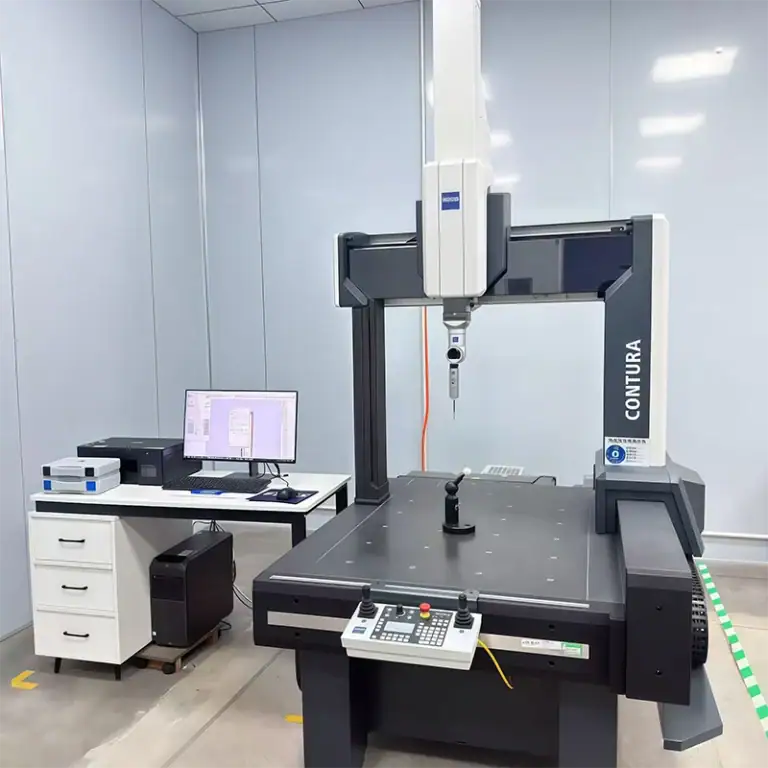
For parts with tight tolerances, machining programs alone cannot guarantee quality. Appropriate measuring equipment is also needed to verify actual results. When machining methods, fixturing, and inspection requirements work together, precision holes are more likely to meet both drawing specifications and real assembly needs.
What Information Is Needed for Custom CNC Machining?
To improve the accuracy of quotations and process evaluations, provide 2D engineering drawings or 3D models with the material grade, critical hole diameters, positional tolerances, surface-treatment requirements, and order quantity. If certain holes must fit other components, include the relevant mating dimensions and assembly requirements. Complete information makes it easier to evaluate machining complexity, tooling options, inspection methods, and production planning.
How Can Precision Hole CNC Machining Maintain Quality and Reduce Rework?
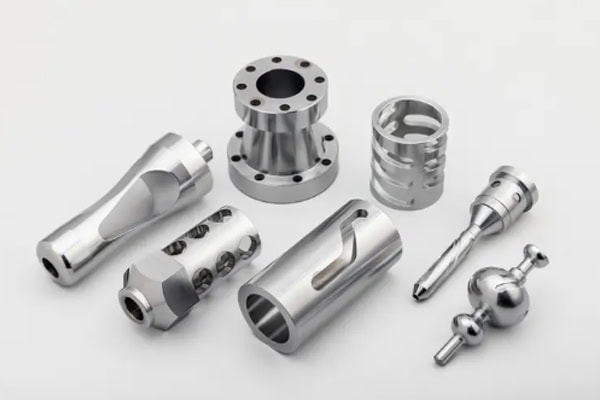
After precision components are machined, the key questions are whether they fit correctly and whether subsequent production runs can maintain consistent dimensions. CNC machining combined with first-article inspection, in-process checks, and final inspection can help identify tool wear, positioning changes, or workpiece deformation earlier. For semiconductor equipment components, clearly defined inspection requirements and traceable machining records can also reduce repeated communication and unnecessary rework.
What Should Be Inspected in Precision Hole CNC Machining?
| Inspection Item | Inspection Method | Purpose |
| Hole diameter | Internal measuring gauges, air gauges, and similar tools | Verify compliance with drawing tolerances |
| Hole spacing and position | Coordinate measuring machine (CMM) and similar equipment | Check the relative positions of multiple holes |
| Roundness and perpendicularity | Specialized gauges or CMM measurement | Verify geometric accuracy |
| Hole edges and surface quality | Magnified visual inspection, surface roughness measurement, and similar methods | Identify burrs, scratches, and surface defects |
Inspection equipment should match the part dimensions and required tolerances. Critical holes can be checked during first-article inspection, followed by in-process sampling or full inspection according to order requirements. This approach helps identify problems early and reduces the risk of discovering defects only after an entire batch has been machined.
How Does CNC Machining Improve Consistency in Batch Production?
During batch production, tool wear, fixture changes, and material variations can all affect final dimensions. CNC machining allows validated programs to be reused alongside consistent fixturing methods and inspection standards, making production results easier to maintain.
- First-article approval: Check critical hole diameters, spacing, and positional accuracy before starting full production.
- In-process inspection: Monitor dimensional trends and adjust tools or machining parameters when deviations appear.
- Program and drawing revision control: Keep approved machining programs and drawing versions organized to reduce inconsistencies between repeat orders.
For precision parts that need to be reordered, a stable production process can reduce repeated setup, rework, and assembly adjustments, making subsequent orders easier to manage.
How Do You Choose a Precision Hole CNC Machining Service?
When evaluating a machining service, check whether the machining team can interpret critical tolerances, assess complex hole features, and provide inspection support that matches the drawing requirements. For semiconductor equipment components, material specifications, surface treatments, cleanliness requirements, and delivery quantities should also be discussed in advance. Rather than comparing unit prices alone, consider machining accuracy, communication efficiency, prototype validation, and batch production capabilities, as these factors can affect the project’s overall time and cost.
The goal of precision hole CNC machining is to turn the hole diameters, spacing, and positional tolerances shown on engineering drawings into consistent, repeatable results. For semiconductor equipment mounting plates, locating components, and custom structures with complex hole patterns, the right CNC process can improve consistency, reduce assembly rework, and support a smoother transition from prototype validation to batch production. If you are developing precision semiconductor components or looking for custom machining services, contact TIRAPID with your drawings, material specifications, tolerances, and order quantity to discuss a suitable CNC machining solution and request a quotation.